REVIEW · LONDON
London: Wembley Stadium Guided Tour
Book on GetYourGuide →Operated by The Wembley Stadium Tour · Bookable on GetYourGuide
Wembley feels enormous even when empty. This 2-hour guided tour strings together the football and music magic of the stadium with hands-on access to areas most fans never see, from the players’ tunnel to the steps where trophy ceremonies happen.
My favorite part is how the tour makes the stadium’s famous moments physical. You’ll stand near the 1966 World Cup crossbar in the Crossbar Exhibition and walk the story of Wembley’s rebuild, including references to the Twin Towers and the modern 440-meter arch.
One thing to keep in mind: you’ll likely pass photo booths and optional add-ons during the experience, so if you’re trying to stick to a tight budget, double-check any paid photo options before committing.
In This Review
- Key things to know before you go
- Entering the Wembley experience where legends actually walked
- Getting there: finding the level 1 meeting point without stress
- The guided route you’ll follow: backstage access that feels real
- Dressing rooms: where match-day becomes routine
- Press conference room: the media moment, up close
- Players’ tunnel: the walk that changes your perspective
- Pitchside: the scale hits when you’re low
- The trophy presentation steps: where celebrations become architecture
- Crossbar Exhibition and Walk of Legends: memorabilia meets design history
- The Crossbar Exhibition: 1966’s symbol you can stand near
- Walk of Legends: Twin Towers to the 440-meter arch
- The app-based QR guide: a helpful add-on, not a replacement
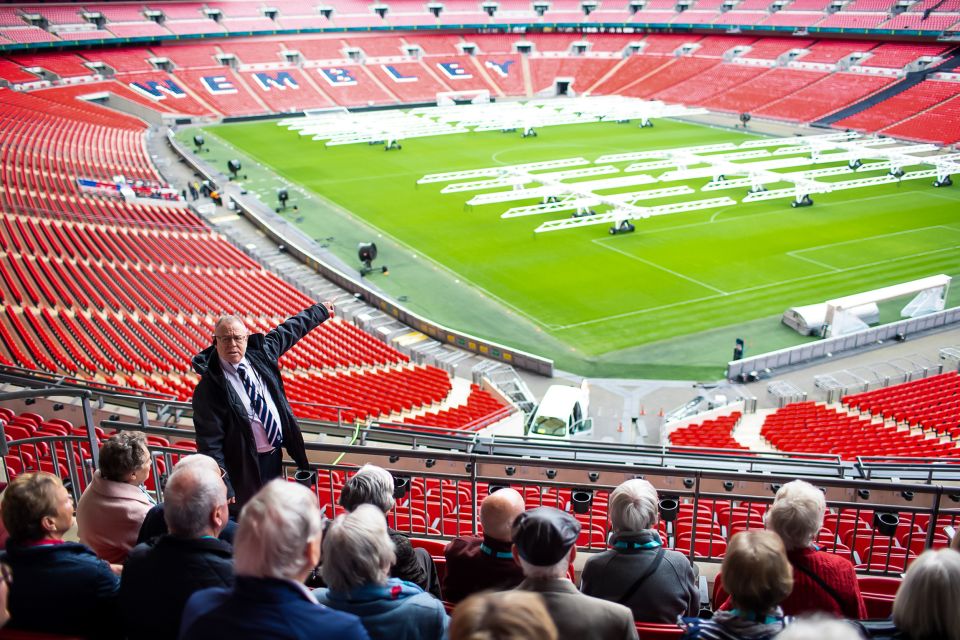
- Guides matter: the humor and storytelling you’ll remember
- Timing and pace: enough structure, not too rushed
- Price and value: when $33 feels like a bargain
- What’s not included (so you can plan your day)
- Who should book this Wembley Stadium guided tour
- Should you book Wembley Stadium Guided Tour?
- FAQ
- How long is the Wembley Stadium Guided Tour?
- Where do I meet for the tour?
- What areas of the stadium will I access?
- Is there an app or digital guide?
- Is the tour wheelchair accessible?
- Do I need ID to enter?
- Is food and drink included?
- Which public transport stations are nearby?
Key things to know before you go

- Meet by the Bobby Moore statue so the story starts with the 1966 England captain right on cue
- You’ll hit the key backstage stops: dressing rooms, press conference area, and the players’ tunnel
- Pitchside time matters because you can feel how wide and loud Wembley looks from field level
- Trophy winners steps are the moment where the stadium switches from venue to legend
- Crossbar Exhibition + Walk of Legends connect memorabilia (like the 1966 crossbar) to Wembley’s changing design
- An app-based guide is available via QR code so you can read extra facts at your own pace
Entering the Wembley experience where legends actually walked
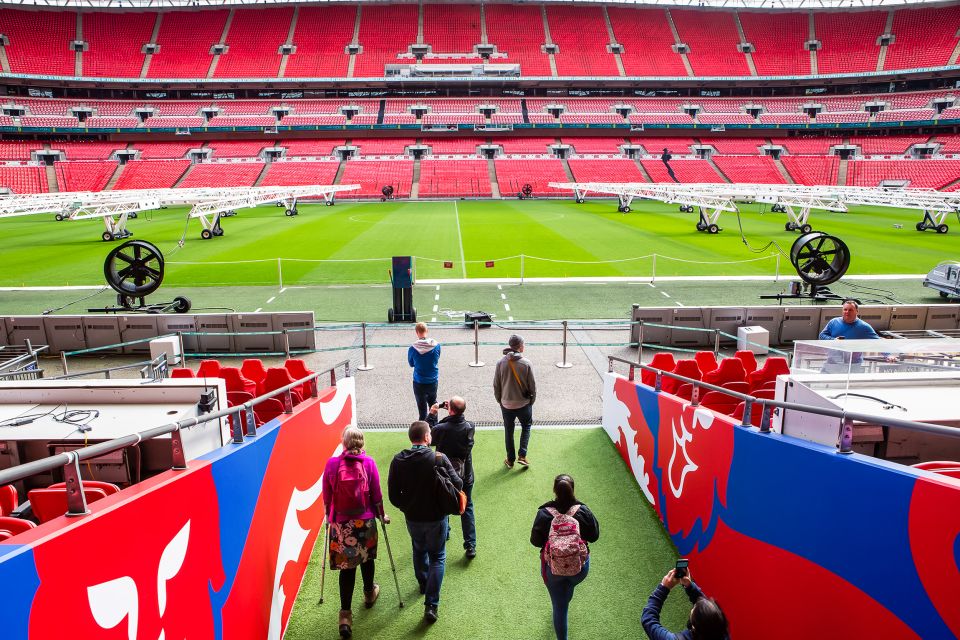
A lot of stadium tours sound similar on paper: walk around, see some corridors, take a few pictures. What makes Wembley special is the way the tour route is built around the stadium’s most dramatic spaces, the ones that look staged even when the stands are empty.
You don’t just view Wembley from above. You go lower—toward where players breathe, speak, and regroup before a match. The players’ tunnel and the dressing rooms turn Wembley from a postcard into a working machine. Even if you’re not the biggest football fan, the physical layout helps you understand why famous teams feel different here: the stadium funnels people toward the pitch.
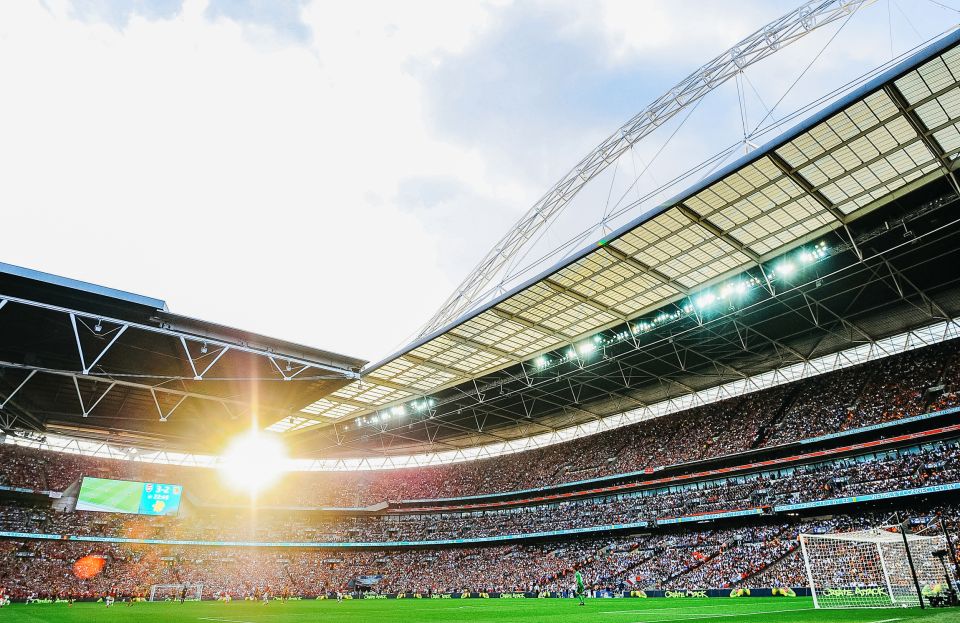
And the empty-stadium vibe is part of the appeal. One of the best feelings during this tour is standing where the noise usually lives, then hearing how big the venue is when there’s no crowd to fill it. It’s still Wembley—just quieter, more watchable, and oddly personal.
You can also read our reviews of more guided tours in London



Getting there: finding the level 1 meeting point without stress
Start with logistics, because Wembley is huge and it’s easy to lose time if you arrive late. Your tour meeting point is on level 1 directly behind the Bobby Moore statue. If stairs are a problem, use the external lift to the left of the Club Wembley entrance.
Here’s the practical part: before the tour begins, bring your voucher to the ticket desk at the entrance. You’ll exchange it for tickets there, and then you’ll be granted entry.
Public transport options are excellent, with multiple stations nearby:
- Wembley Park Station (Jubilee and Metropolitan lines)
- Wembley Stadium Station (Chiltern line)
- Wembley Central Station (Bakerloo line and London Overground)
If you’re driving, there are over 3,000 parking spaces across multiple car parks, which is reassuring if you’re coming in with a car-heavy plan.
The guided route you’ll follow: backstage access that feels real

The guided portion is about 75 minutes, but you should plan for around 2 hours total on site. That extra time matters because you’ll want a little breathing room for photos and for looking at the displays and memorabilia up close.
Dressing rooms: where match-day becomes routine
The dressing rooms are often the highlight of stadium tours, but at Wembley they land differently. You’re stepping into the space where teams reset—where kits, tactics, and nerves all meet. It’s one thing to see a dressing room on TV. It’s another thing to stand in it and realize how designed it is for movement and focus.
Many people love this stop because it’s a straightforward look at how football is actually prepared.
Press conference room: the media moment, up close
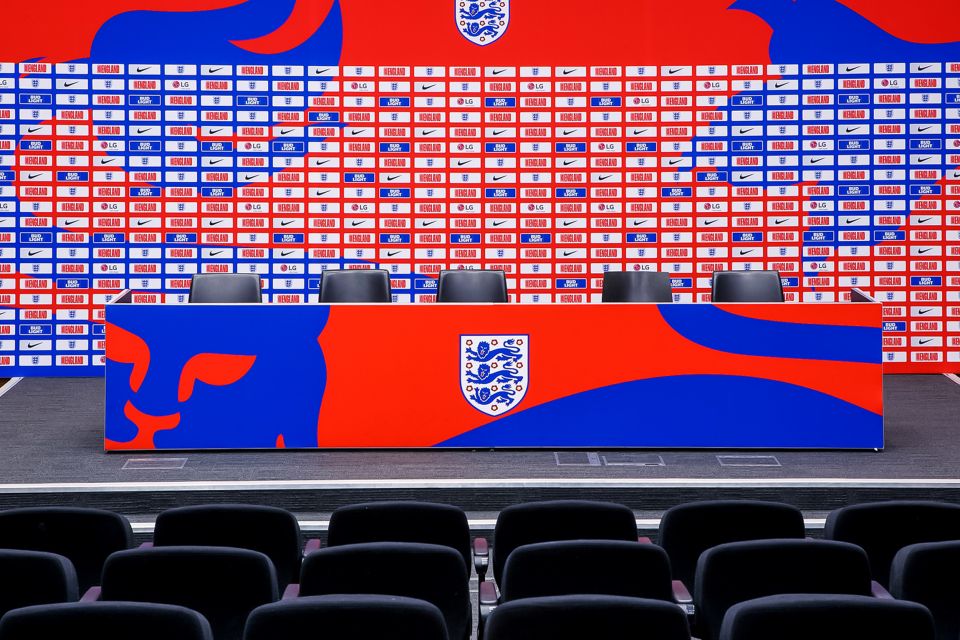
Next comes the press conference area, which helps explain why Wembley isn’t only a venue for the game. It’s a stage for interviews, headlines, and big announcements—football as theatre.
If you like sports culture, this stop connects the on-field drama to the media machinery around it.





Players’ tunnel: the walk that changes your perspective
Then you reach the players’ tunnel. This is where the tour starts feeling like a movie set—because the tunnel frames the pitch and forces you to think about entrance routines, sightlines, and the psychological shift from backstage to performance.
One reason this stop gets so much praise is simple: it’s hard to fake the feeling of walking a space built for tension. If you’re traveling with kids, it’s also a great energy boost. If you’re traveling solo, it’s a great reset moment. Either way, it tends to grab people fast.
Pitchside: the scale hits when you’re low
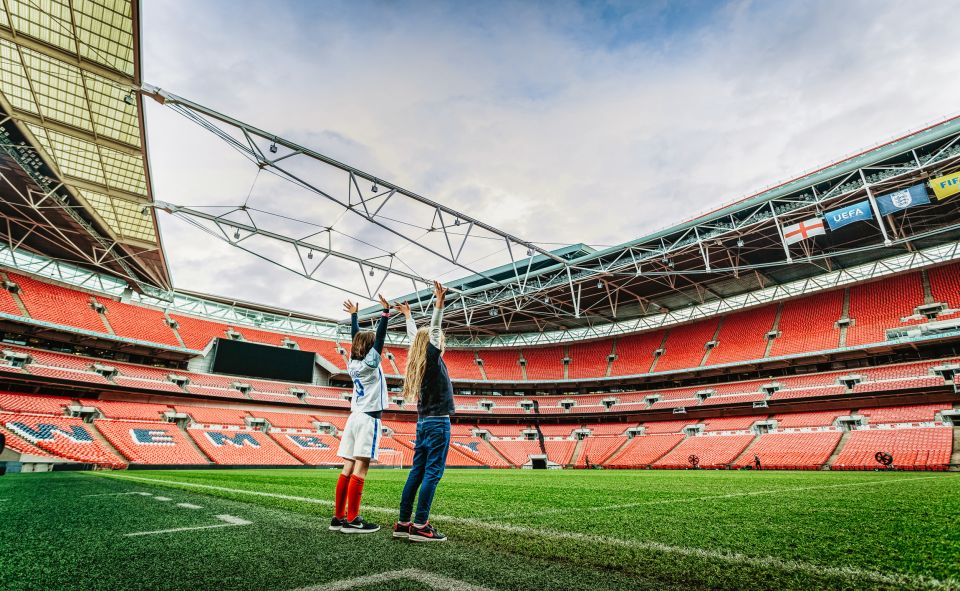
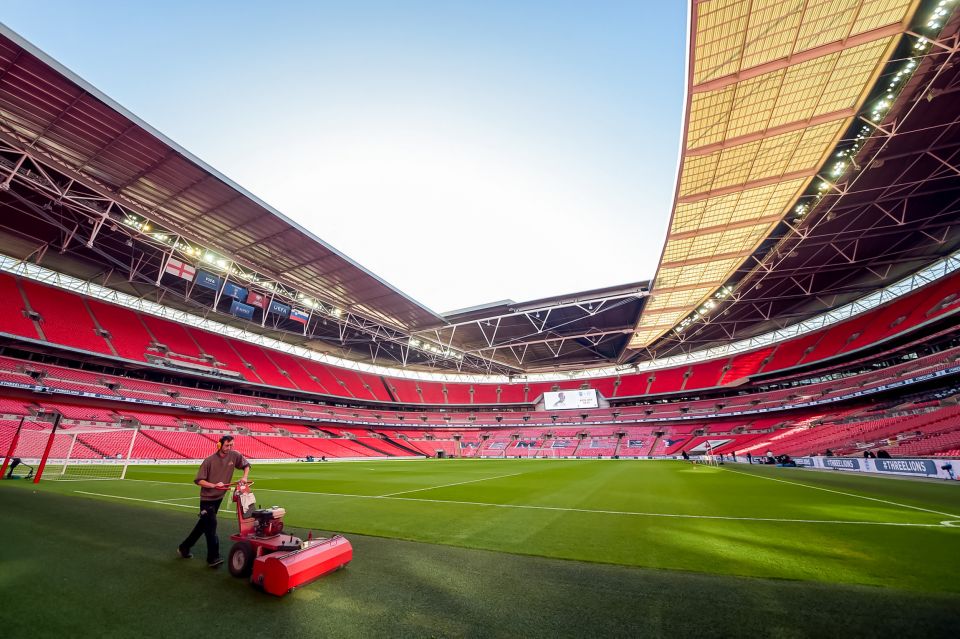
After the tunnel, you’ll get pitchside access. This is the stop that makes Wembley’s sheer size click. From high seats, the stadium can look like a giant bowl. From field level, it’s a different story: you get a sense of distance, angles, and how the venue is built to frame big moments.
You may also have time to sit in the stands on multiple levels for views and photos, which helps you see Wembley from different heights instead of only from one angle.
The trophy presentation steps: where celebrations become architecture
This tour doesn’t treat trophies as a poster on a wall. It puts you in the path of the ceremony.
You’ll climb the famous steps to where trophies are presented—one of the most “iconic” moments of Wembley visiting. Even if you’re not there for a match, the design of the steps and the way they lead you into the stadium’s ceremonial space creates a sense of arrival.
If you love sport, it helps connect the venue to memory. If you’re more into the stadium as culture, it still works because the steps are about theatre, not just football.
Crossbar Exhibition and Walk of Legends: memorabilia meets design history
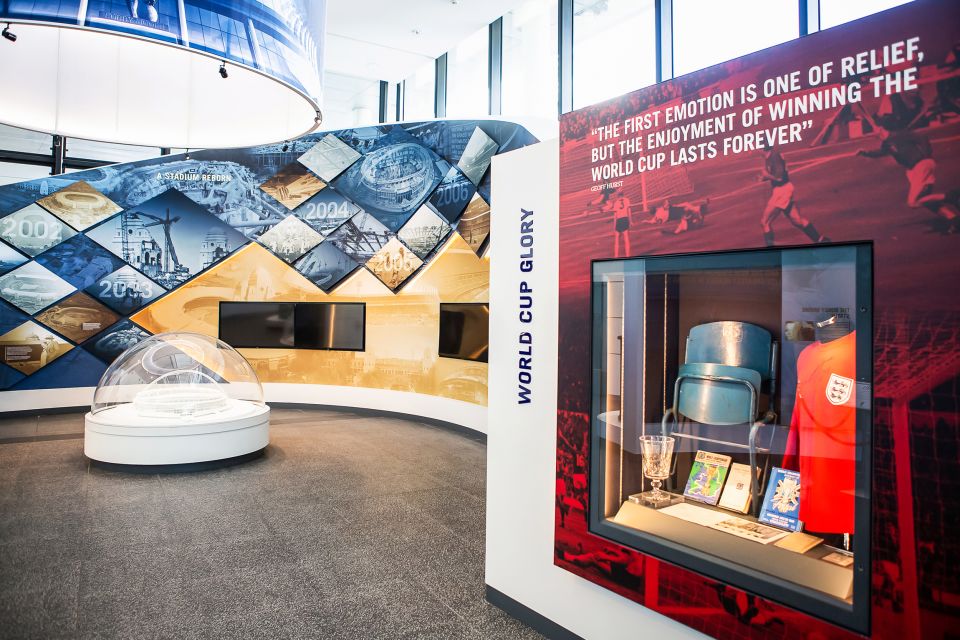
Wembley’s story is not just about matches. It’s also about how the stadium has been rebuilt while trying to keep its identity. That’s where the Crossbar Exhibition and the Walk of Legends earn their spot on the tour.
The Crossbar Exhibition: 1966’s symbol you can stand near
The standout display many people mention is the 1966 World Cup crossbar. Seeing it in person is different from seeing it in a highlight reel. It’s a physical object tied to one of England’s defining football memories, and it gives the tour a strong anchor point.
If you’re the kind of person who likes sports details—years, artifacts, and the “how did it look” stuff—this is your lane.
Walk of Legends: Twin Towers to the 440-meter arch
The Walk of Legends tracks Wembley’s origins and reinvention, including its early-era references connected to the British Empire Exhibition of 1924, the historic Twin Towers, and the modern 440-meter-high arch.
This matters because Wembley is both old and new. The tour helps you understand the stadium as a project with continuity, not a one-time build. You’re seeing how a place becomes a symbol, then a modern machine, while still pointing back to the past.
The app-based QR guide: a helpful add-on, not a replacement
You can also use a downloadable app-based guide. It’s accessed through a QR code so you can read extra facts right on your own device, in English.
I like this kind of add-on because it lets you control the pace. If your group wants to move quickly, you can skip reading. If you’re the type who stops for every display, you can spend extra time with the digital content without having to keep interrupting the guide.
One small practical tip: keep your phone charged enough for the visit. A stadium tour already has plenty of “look, take a photo, look again” moments.
Guides matter: the humor and storytelling you’ll remember
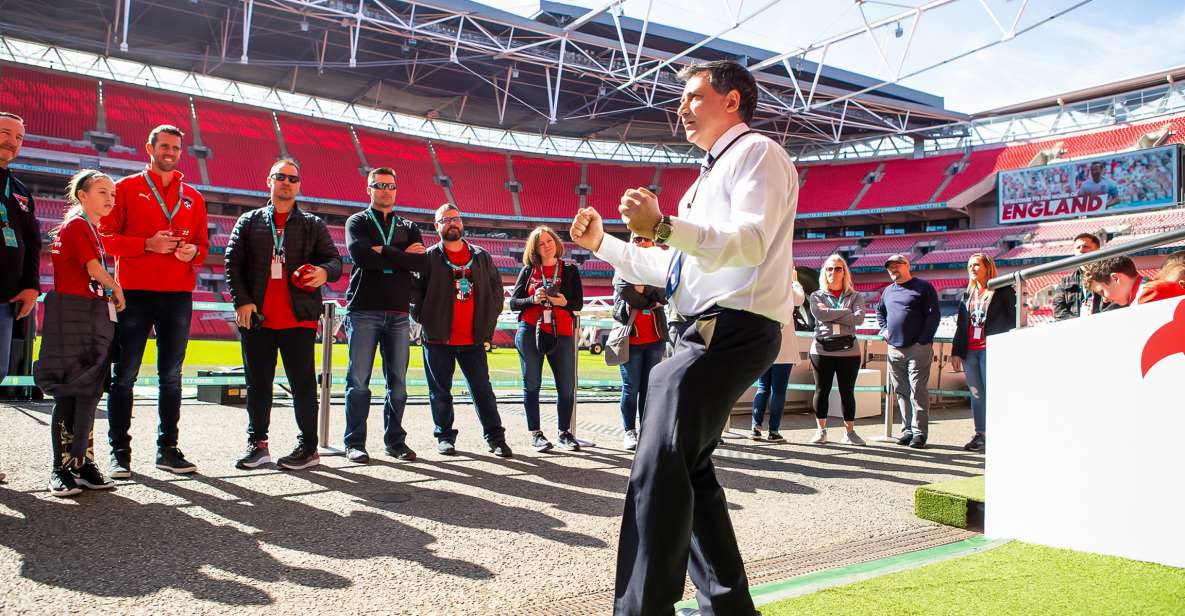
A good stadium tour lives or dies by the guide. This one often feels lively because the guide role is very human: storytelling, quick trivia, and a sense of fun.
A bunch of guides have earned praise by name, including Daniel, Richard, Jonathan, Paul, Jason, Dominic, Albert, and Steve. Different people have different styles, but the consistent theme is that the guide keeps the group engaged and makes the places you’re standing in feel connected to real events.
If your group ranges from hard-core football fans to people who are just curious, this is a smart setup—because the guide has enough energy to keep it interesting for multiple interests at once.
Timing and pace: enough structure, not too rushed
The visit is roughly 2 hours total, with the guided portion around 75 minutes. That structure gives you a plan without feeling like you’re being marched nonstop.
People often like that it feels organized and smooth, with time for photos and exploring around key stops like the dressing areas, press area, tunnel, and the ceremonial steps. It also helps that the tour has a clear rhythm: backstage first, then pitch and ceremony, then the exhibitions and the stadium story.
If you’re the kind of person who hates being rushed, you should feel comfortable here as long as you arrive on time. If you’re late, it’s not always a total loss—some guests have been added to the next group on the day.
Price and value: when $33 feels like a bargain
At about $33 per person for a 2-hour experience, the price is competitive for what you get. You’re paying for access to exclusive areas—dressing rooms, the players’ tunnel, and trophy presentation steps—not just a view from public seating.
Compare that with typical paid attractions: a lot of them charge you for a few photo moments and a short pass-through. Here, you’re getting time in multiple spaces that make you understand the stadium better, plus exhibition content that connects the venue to major moments in football.
Also, keep in mind that some people report paying around £25 when booking. Currency and season can shift, but the broader idea is the same: it’s one of those activities where value comes from access, not just sightseeing.
What’s not included (so you can plan your day)
Food and drink are not included. Wembley has plenty around the area, but if you’re scheduling this as a stand-alone afternoon, bring snacks or plan a nearby meal before or after the tour.
This tour is best as part of a day that includes another Wembley stop, or as a focused activity in its own right.
Who should book this Wembley Stadium guided tour
Book it if:
- You want backstage access rather than only a view from the stands
- You love football history tied to physical artifacts like the 1966 crossbar
- You’re traveling with kids or teens who get excited by tunnel walks and ceremony steps
- You enjoy guided storytelling that mixes sport with stadium design
You might skip it (or pair it with lighter plans) if:
- You only care about match-day atmosphere and are visiting when there’s no event happening
- You’re hoping for a totally self-paced tour with no guide-driven structure
- You don’t want any paid photo add-ons in the mix
Should you book Wembley Stadium Guided Tour?
If you’re even mildly interested in football culture, I think you should book. The tour hits the spots that turn Wembley from a famous name into a place you can picture: the players’ tunnel, dressing rooms, pitchside feel, and the trophy steps. Add in the Crossbar Exhibition and the Walk of Legends, and you get more than a photo stop—you get meaning.
The only real caution is budget creep from optional photo extras. If you keep an eye on paid add-ons and show up at the level 1 meeting point behind Bobby Moore, you’re set for a genuinely satisfying afternoon at one of the world’s most recognizable stages.
FAQ
How long is the Wembley Stadium Guided Tour?
The tour duration is about 2 hours total, with the guided element taking about 75 minutes.
Where do I meet for the tour?
Meet on level 1 of Wembley Stadium directly behind the Bobby Moore statue. You’ll exchange your voucher at the ticket desk at the entrance before you’re granted entry.
What areas of the stadium will I access?
You’ll visit dressing rooms, the press conference room, the players’ tunnel, pitchside areas, and you’ll climb to the trophy winners steps. The tour also includes the Crossbar Exhibition and the Walk of Legends.
Is there an app or digital guide?
Yes. There’s an app-based guide in English that you access via QR code on your own device.
Is the tour wheelchair accessible?
Yes, wheelchair accessibility is listed.
Do I need ID to enter?
You should bring a passport or ID card.
Is food and drink included?
No, food and drink are not included.
Which public transport stations are nearby?
Wembley Park Station (Jubilee and Metropolitan lines), Wembley Stadium Station (Chiltern line), and Wembley Central Station (Bakerloo line and London Overground) are listed as serving the area.