Charing Cross has a whole other side. I like how this guided walk gives you access to closed-off parts of the station and shows the Jubilee Line in a way you just cannot do on a regular Tube trip. You also get a guided route through the London Transport Museum context, so the places make sense instead of feeling random.
Two things I especially enjoyed: the look down a Tube line through a hidden ventilation shaft, and the filming-location stories tied to TV and big movies. The one drawback to consider is simple: this is a walking tour with uneven ground, low-light bits, and lots of stairs/escalator movement, so it is not a great fit if you hate tight spaces or have mobility limits.
If you are comfortable moving, you’ll leave with a mental map of Charing Cross that feels real, not just famous-on-a-postcard.
In This Review
- Key highlights you’ll actually notice
- Finding the tour entrance at Charing Cross
- Entering disused Charing Cross spaces (without the usual crowds)
- The Jubilee Line section you won’t reach on normal Tube routes
- Looking down through a hidden ventilation shaft
- Walking under Trafalgar Square in the City of Westminster
- Movie and TV filming locations tied to Charing Cross
- London Transport Museum context: why the story feels grounded
- What the 75-minute format really means
- Who this tour suits best (and who should skip it)
- Price and value for a behind-the-doors Underground visit
- Before you go: small prep that prevents big annoyances
- Should you book this Hidden London tour?
- FAQ
- Where does the Hidden London tour at Charing Cross meet?
- How long is the tour?
- What do I need to bring?
- Is the tour step-free?
- Is it suitable for people with claustrophobia?
- Can I bring food, drinks, or large bags?
- Are children allowed?
Key highlights you’ll actually notice
- Closed-off Charing Cross areas: You step into parts not open to the public.
- Jubilee Line platforms since 1999: You learn what changed when this section stopped serving passengers.
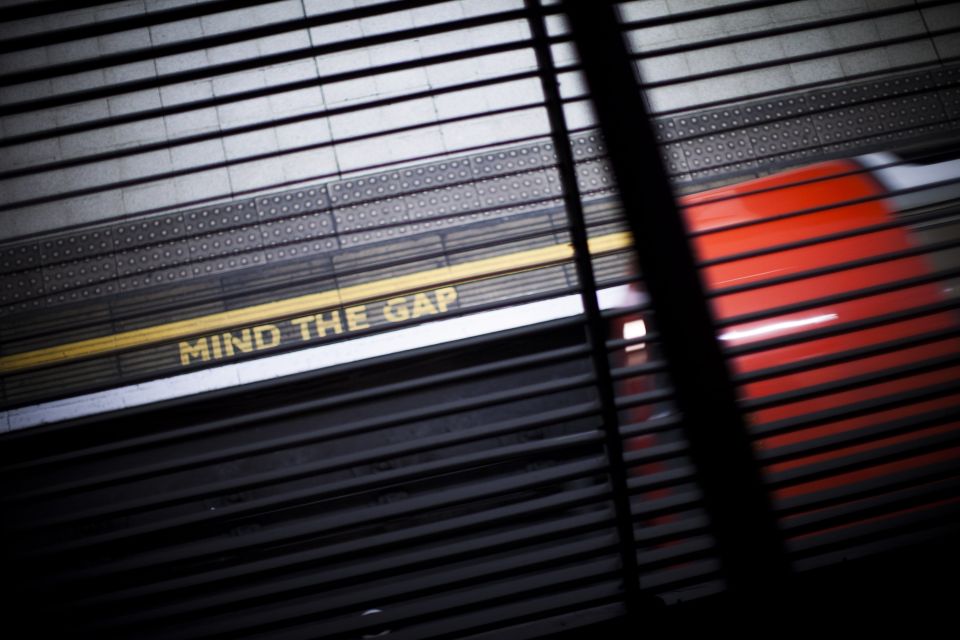
- Ventilation-shaft viewing: You can look down on Tube trains from a spot most people never find.
- Film-location connections: Killing Eve, Skyfall, and Thor: The Dark World come up in context.
- Walk under Trafalgar Square: You get the station-to-landmarks feel in one route.
- Museum-led storytelling: The tour is written by historical experts from the London Transport Museum and based on their archives.
Finding the tour entrance at Charing Cross
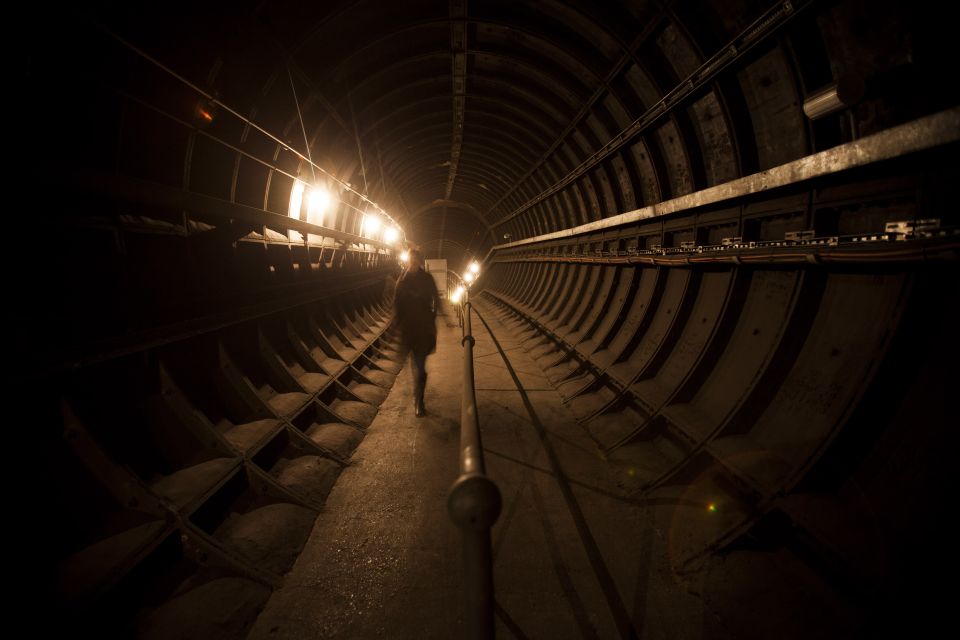
The tour starts in a very specific spot: inside the Northern line entrance of Charing Cross Underground station, opposite the ticket barriers. When you arrive, look for the Hidden London sign, and a team member meets you there.
Your practical move is to get yourself up into the ticket hall first. Use any staircase from Charing Cross mainline station to reach the ticket hall, then follow the sign. No complicated hunting, but you do want to give yourself a little time in case the station crowds you.
Come with comfortable shoes and plan for stairs and escalators. The route includes walking up and down static escalators, and it is not step-free.
You can also read our reviews of more guided tours in London



Entering disused Charing Cross spaces (without the usual crowds)
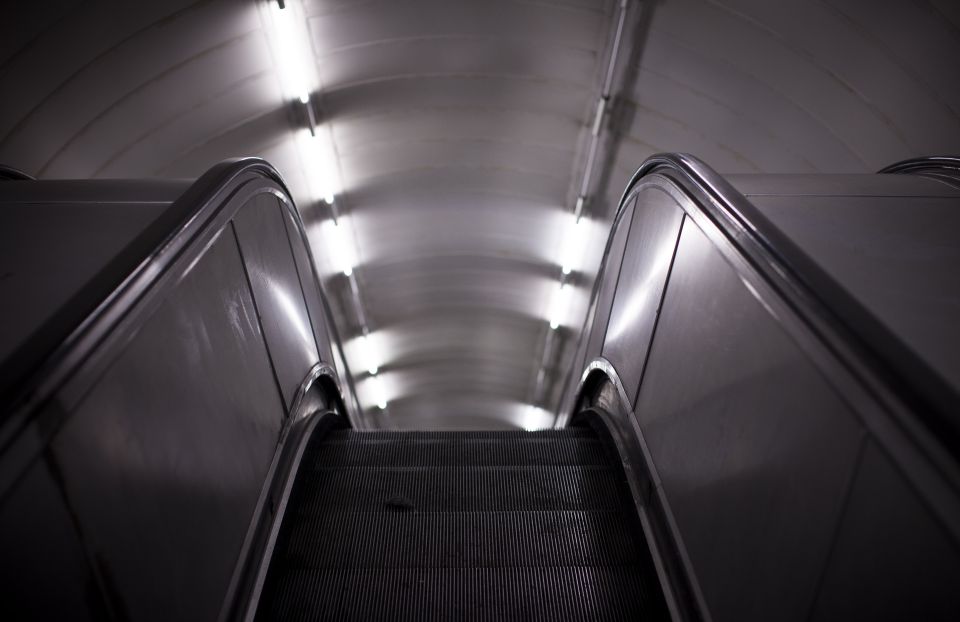
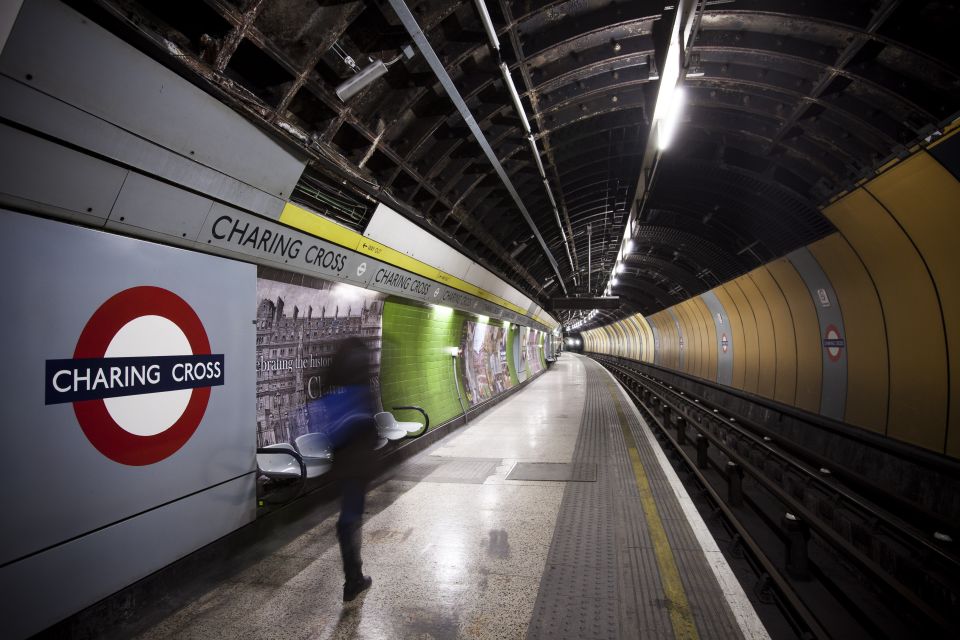
This is not a standard sightseeing stroll. Your guide walks you into closed-off parts of the station, the kind of spaces that normally sit behind doors while passengers rush through the public areas.
What makes this stop work is that it’s guided, not just a look-and-go. You’re not trying to guess what you’re seeing. The tour is built around station layout and how Charing Cross Underground evolved, with historical experts shaping the facts.
Expect low-light areas at points and some uneven ground. That means the tour feels like a behind-the-scenes visit, but you’ll want to slow down and watch your footing.
The Jubilee Line section you won’t reach on normal Tube routes
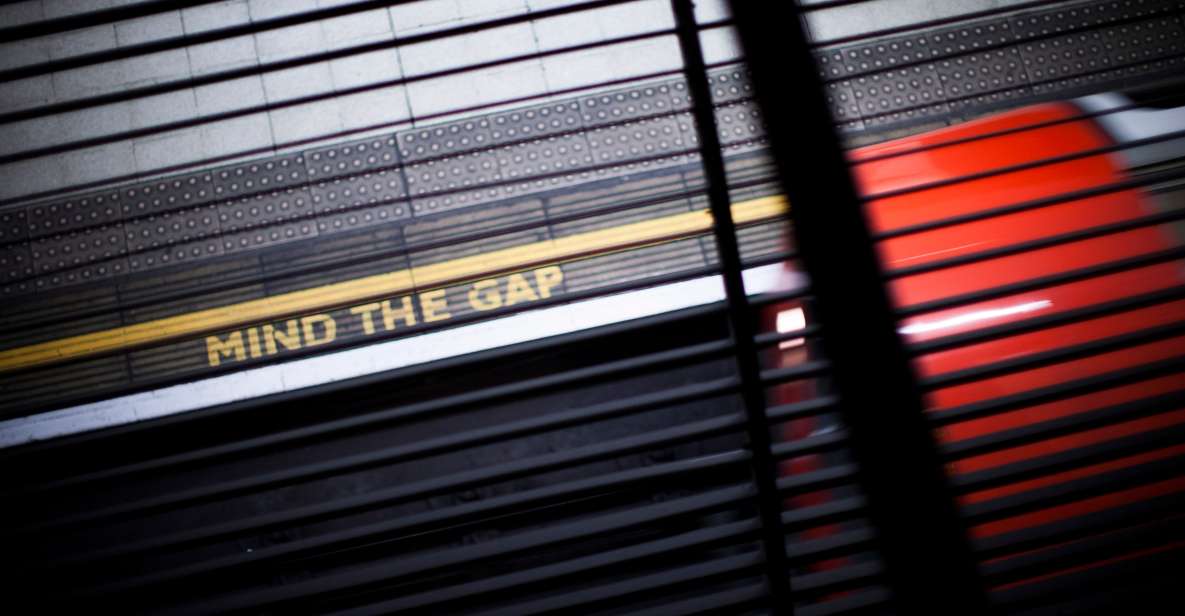
A major focus here is the Jubilee Line platforms at Charing Cross, which have been closed to the public since 1999. On this tour, that matters because you’re seeing what passenger infrastructure becomes when it stops running.
You’ll hear how this closed section became famous through media. The practical payoff for you is that the station stops being just a stop on a map and starts acting like a stage set with a long memory.
It also helps that the tour is museum-driven. Instead of only describing what it looks like, you get the why—how the space came to be used and what makes it different from active Tube areas.
Looking down through a hidden ventilation shaft
One of the most memorable moments is the viewpoint through a hidden ventilation shaft. Instead of looking at a platform from the edges, you get a more direct line of sight to Tube movement below.
This is the kind of detail that sticks because it’s visual and immediate. You’ll notice how the Underground functions in layers—people above, infrastructure and movement below—and you’ll understand the station as a working system, not just a corridor.
Because parts of this tour involve low light, bring your attention with you. Take your time at the viewing spots so you can actually register what you’re seeing.
Walking under Trafalgar Square in the City of Westminster
Between the station interiors and the museum stop, you also walk under Trafalgar Square in the City of Westminster. That shift is a nice change of pace: it turns the Underground from an indoor experience into a route that connects major London landmarks.
What I like about this portion is the way it keeps your bearings. You’re not getting lost in tunnels with no sense of where you are. You leave with a stronger mental map of how close the Underground sits to the city’s best-known public spaces.
This segment still counts as walking. You’ll want to keep your shoes in good shape for uneven ground and occasional tight-feeling areas, since the tour is not step-free.





Movie and TV filming locations tied to Charing Cross
If you like screen stories, you’ll have fun with how the guide connects filming to place. The tour references scenes filmed at Charing Cross for TV and blockbuster movies—especially Killing Eve and Skyfall.
It also brings in Thor: The Dark World. The key is that these are not name-drops. The tour uses them as a lens for seeing the space differently, since closed-off station areas can work on camera in ways active platforms may not.
For you, this is a value multiplier. A regular London walk might give you a photo spot. This one gives you a place-and-story combo, so you’re learning while you’re looking.
London Transport Museum context: why the story feels grounded
You step into the London Transport Museum during the tour, and that’s a big part of the value. The museum is positioned as the world-leading museum of urban transport, and the tour is written by historical experts from the museum.
That means the tour’s station talk is built on archived material and the museum’s collection, not just casual lore. You’ll likely find that the bigger themes land better—how planning choices show up in infrastructure, and how certain sections are repurposed or remembered through media.
If you’re a fan of practical learning, you’ll appreciate this. It’s one thing to see a closed platform. It’s another to understand how transport history and pop culture keep feeding each other.
What the 75-minute format really means
This experience runs for 75 minutes total, and starting times vary by availability. It’s short enough that you won’t feel dragged through a full day of Underground interiors, but long enough for meaningful stops and explanation.
The tour is guided in English. You should expect steady movement through several areas, so don’t plan this as a casual afterthought if you’ve got other commitments right nearby.
Also note what is not on offer: there is no cloakroom. Food and drinks are not allowed, and you can’t bring luggage or large bags. If you’re traveling light, you’ll feel much calmer.
Who this tour suits best (and who should skip it)
This is best for you if you like one or more of these:
- You enjoy film locations and want the real place behind the scenes.
- You’re curious about how the Underground works and how unused spaces evolve.
- You like guided history that uses real museum archives instead of guesswork.
It’s less suitable if any of these apply:
- You have claustrophobia, since the route includes low-light and enclosed-feeling areas.
- You have mobility impairments, since the tour is not step-free and includes stairs/escalator movement.
- You dislike lots of walking on uneven ground or you struggle with low-light navigation.
Age is another filter. Children under 10 are not suitable, and there’s a limit of four children aged 10–15 per adult.
Price and value for a behind-the-doors Underground visit
At $60.61 per person for 75 minutes, the price isn’t just for walking. You’re paying for access to closed-off areas, guided interpretation, and the special viewpoints—especially the ventilation-shaft look—plus the museum context that ties it all together.
Compared with a basic Underground ride, the value is in the fact that you’re not restricted to public corridors and platforms. This tour is about seeing the station in layers, with a guide and museum-based historical framing.
If your goal is photos, you might find other cheaper walks. If your goal is understanding and seeing things most people will never access, this is the kind of ticket that feels like a focused experience rather than an add-on.
Before you go: small prep that prevents big annoyances
Bring passport or ID card, plus comfortable shoes. Weather-appropriate clothing matters since you’re still moving through multiple areas around stations and landmarks, even though much of it is indoors.
Also keep in mind the rules that affect your comfort:
- no open-toed shoes
- no food or drinks
- no luggage or large bags
- no cloakroom
These aren’t just policies. They directly shape the flow of the tour and how crowded or manageable things feel at each stop.
Should you book this Hidden London tour?
I’d book it if you want more than a train ride and a quick station glance. This one gives you a guided route into closed-off Charing Cross spaces, the Jubilee Line story tied to 1999 closures, and film connections like Killing Eve, Skyfall, and Thor: The Dark World. Add the ventilation-shaft view and the walk under Trafalgar Square, and you get a mix that’s hard to replicate on your own.
Skip it if walking a lot with uneven ground and low-light moments sounds stressful. If you need step-free access or you know claustrophobic spaces get to you, look for a different option.
If you’re somewhere in the middle—curious, comfortable moving, and happy to trade a normal sightseeing hour for something more specific—this tour is one of those rare tickets that actually changes how you see the Underground.
FAQ
Where does the Hidden London tour at Charing Cross meet?
The meeting point is inside the Northern line entrance of Charing Cross Underground station, opposite the ticket barriers, and you should look for the Hidden London sign.
How long is the tour?
The tour lasts 75 minutes.
What do I need to bring?
Bring a passport or ID card and comfortable shoes. Wear weather-appropriate clothing.
Is the tour step-free?
No. The tour is not step-free and includes walking up and down static escalators.
Is it suitable for people with claustrophobia?
No. The tour is not suitable for people with claustrophobia.
Can I bring food, drinks, or large bags?
No. Food and drinks are not allowed, and luggage or large bags are not allowed. There is also no cloakroom.
Are children allowed?
Children under 10 are not suitable. There’s also a limit of four children aged 10–15 per adult.