REVIEW · LONDON
London: Household Cavalry Museum Entry Ticket
Book on GetYourGuide →Operated by Household Cavalry Museum · Bookable on GetYourGuide
Watch the Household Cavalry at work. The Household Cavalry Museum in Horse Guards pairs living animal care with real military stories, and you get a clear view through a glazed partition into the original 18th-century stables. I love that it’s a genuine working setup, not a staged diorama, and I love the personal trooper accounts that explain training and daily discipline; one note to plan around: the museum footprint can feel small, so if you’re expecting a huge “stable tour,” you may finish sooner than you imagined.
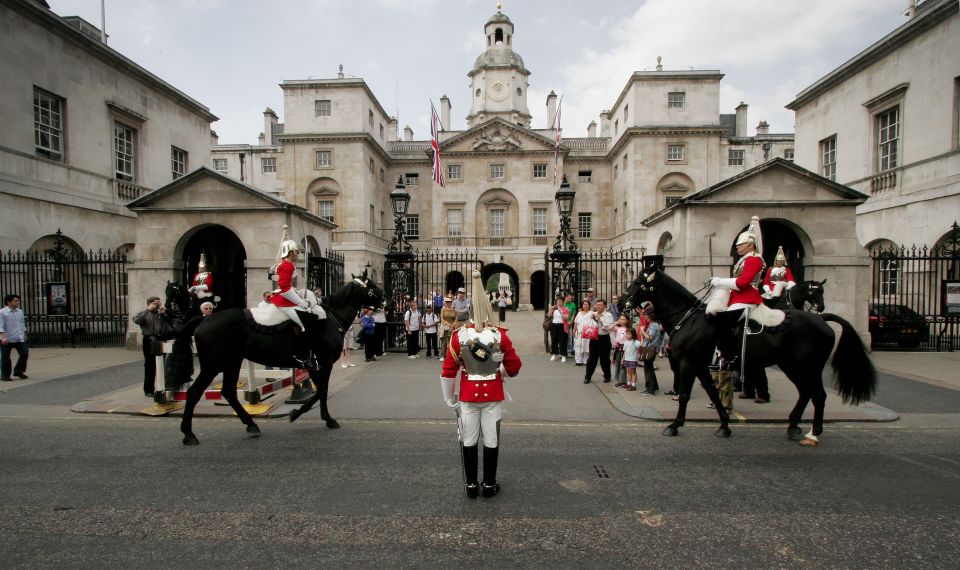
This is London history in a very specific place: Horse Guards in Whitehall is still tied to the Household Division, where the Household Cavalry has served as the Queen’s Life Guard for over 350 years. For the price of about $14, it’s an efficient stop when you want something more hands-on than a typical gallery.
Plan on at least 60 minutes. That’s also about right for how the space is set up: you’ll walk from the main exhibits into views of horses and troopers, and then you’ll circle back through the displays that explain the two senior regiments—Life Guards and the Blues and Royals.
In This Review
- Key highlights that make this ticket worth your time
- Where the Household Cavalry Museum fits in Whitehall
- What you actually do once you’re inside
- Peeking into the stables: horses and troopers, right in your line of sight
- Museum exhibits: personal trooper accounts and interactive displays
- The 1750 building and why the setting matters
- Life Guards and Blues and Royals: getting the structure right
- Rare objects on public display: what to look for
- Timing your visit: how long to plan and how not to rush it
- Price and value: is $14 a fair deal?
- Who will enjoy this most (and who might feel disappointed)
- Practical tips for a smoother visit
- Should you book the Household Cavalry Museum entry ticket?
- FAQ
- How long should I plan for the Household Cavalry Museum?
- Where do I meet for this experience?
- Is the ticket only for a single day?
- What is included with the entry ticket?
- Is a tour guide included?
- Is the museum wheelchair accessible?
- Are pets allowed?
- Is there an audio guide?
- Can I cancel my booking?
Key highlights that make this ticket worth your time
- Working Household Cavalry views through a large glazed partition so you can see horses and troopers without needing a behind-the-scenes pass
- Personal accounts of training that help you understand what demanding service looks like in practice
- Interactive displays that connect artifacts to daily routines, not just dates and names
- 18th-century stables tied to the building’s real history, dating from 1750
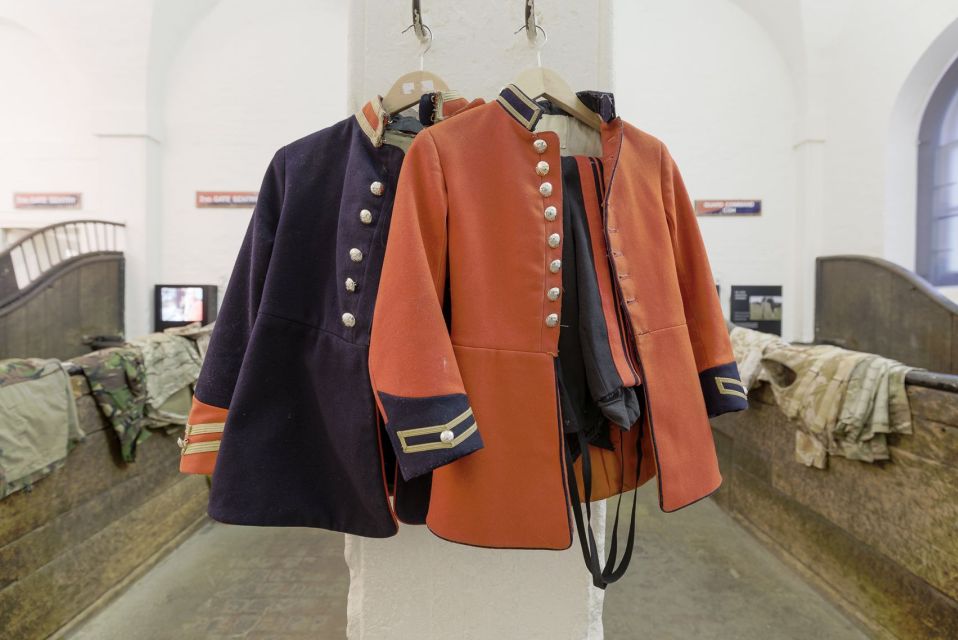
- Rare objects on display (many newly shown to the public) that add variety beyond uniforms and photos
- Family-friendly attention to discipline and animals—a solid outing for kids who like animals or military themes
Where the Household Cavalry Museum fits in Whitehall
If you’re already doing the big Whitehall loop—government buildings, formal squares, and the sense of ceremonial London—this museum is a smart, low-stress add-on. The Household Cavalry Museum sits inside Horse Guards in central London, which matters because it keeps you from “commuting for history.” You stay in the area where the Household Cavalry’s story has been written for centuries.
This isn’t a distant, standalone museum. You’re stepping into a building that’s part of the Household Division headquarters context, where the cavalry role has been maintained for generations. That physical link makes the artifacts feel more grounded. You’re not just studying something from far away—you’re seeing how the service continues in the same kind of setting.
Also, it’s straightforward: your meeting point is directly at the museum. No complicated handoffs or wandering to find a checkpoint.
You can also read our reviews of more tours and experiences in London


What you actually do once you’re inside
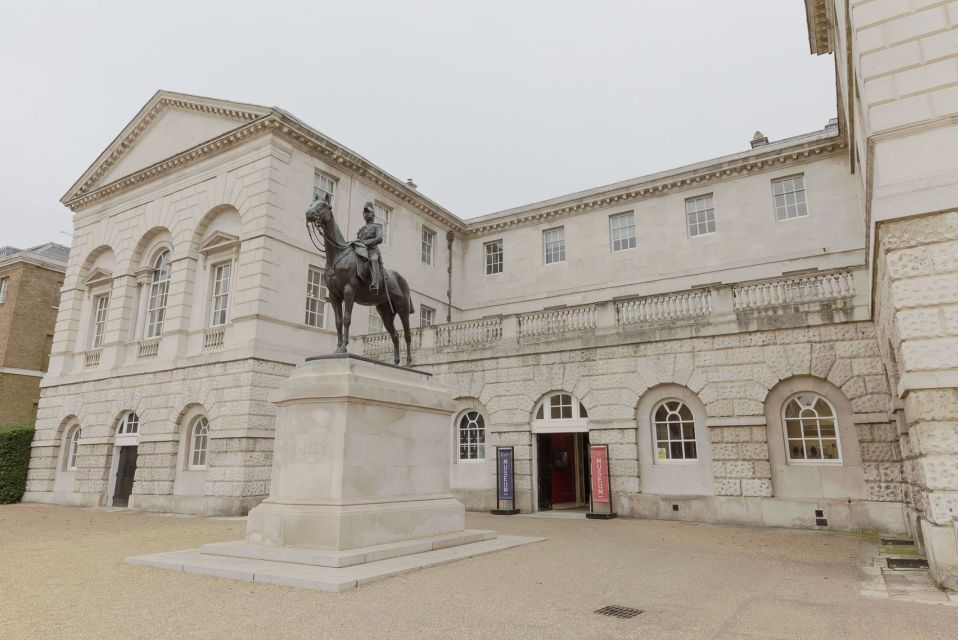
The visit is designed for wandering and looking, with a clear “story path” that moves from artifacts to the living work of horses and troopers. The core experience centers on two things: what’s preserved and what’s still active.
Peeking into the stables: horses and troopers, right in your line of sight
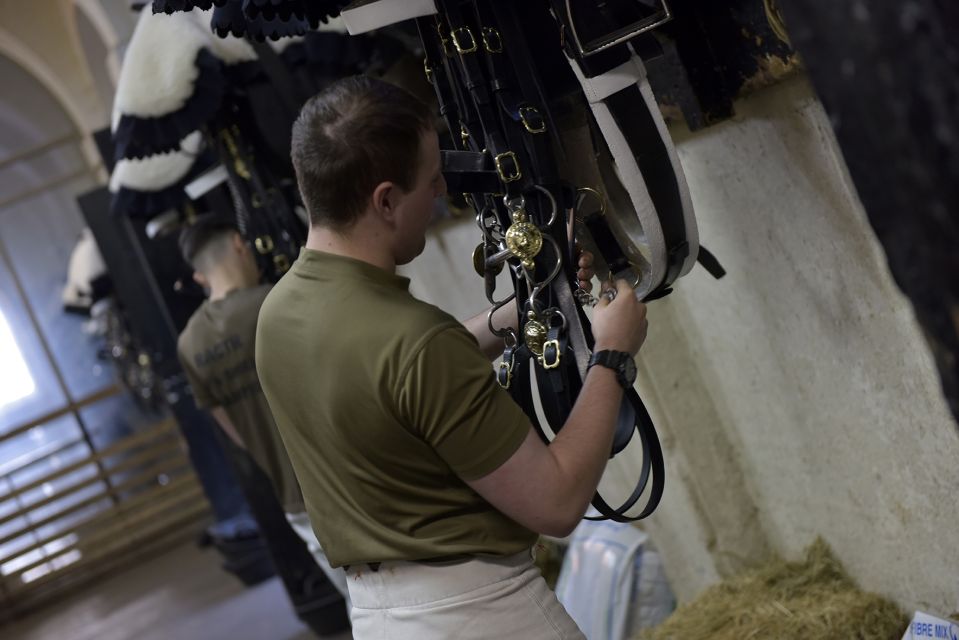
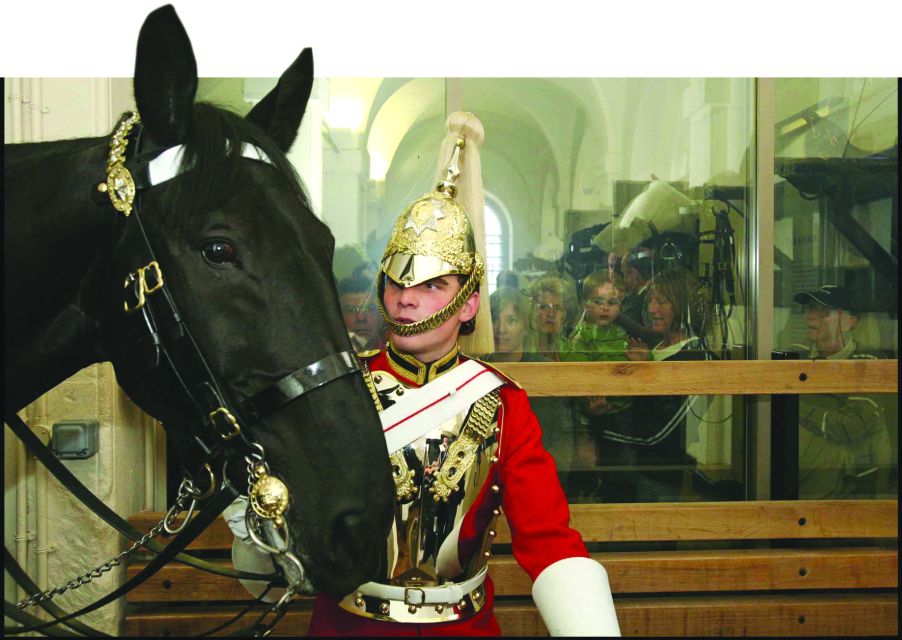
One of the best parts is the view into the stables through a large glazed partition. Instead of just reading about drill or horsemanship, you can watch working troopers alongside horses in that working stable environment. It’s a simple setup, but it lands because it turns abstract history into something you can see in real time.
Tip for comfort: when you’re standing to view, give yourself a moment to find a spot where you can see both the activity and the explanations nearby. That way, you connect the sight (the work) to the captions (the why).
Museum exhibits: personal trooper accounts and interactive displays
After (or alongside) the stable views, the museum steps into storytelling. The exhibits include personal accounts—first-hand perspectives that describe rigorous, demanding training. That matters because training is where military history often becomes generic in museums. Here, it’s described in a way that helps you picture the human effort behind the ceremonial role.
You’ll also find interactive displays. These are the type that reward you for pausing, reading, and pressing buttons or choosing options (where provided). If you’re visiting with kids, this is a big advantage: they can stay engaged without you turning it into a lecture.
No tour guide is included. That’s not a downside if you’re the self-guided type. It does mean you’ll rely on the exhibit text and the personal story panels for context.
The 1750 building and why the setting matters
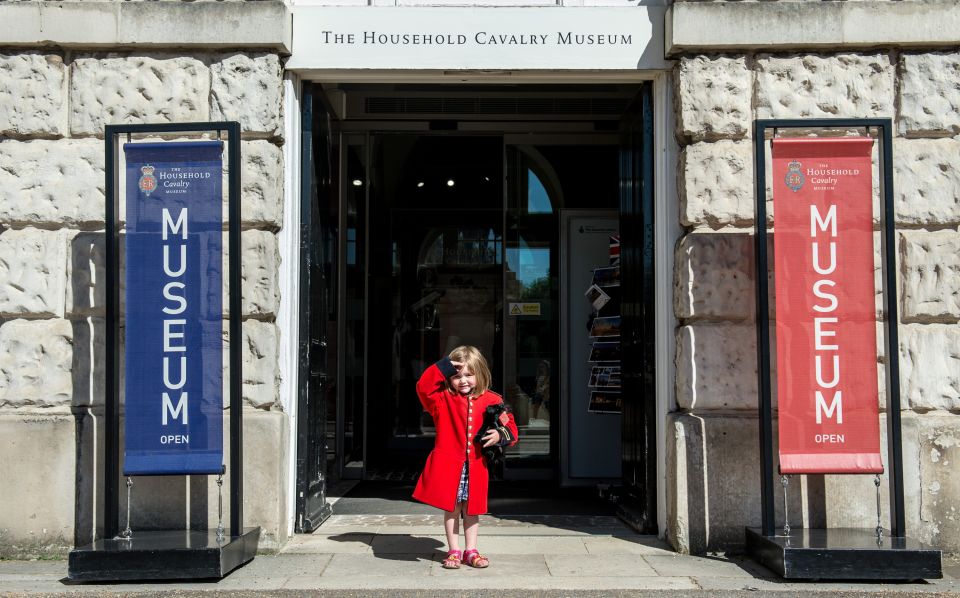
The museum’s home base dates from 1750. That timeframe matters because you’re touring not just a collection of objects, but a place built for cavalry life long before modern museums existed.
What I like about this kind of setting is how it frames the artifacts. Uniforms, equipment, and historical items don’t sit in a vacuum. The building itself carries the feel of ongoing duty—especially since this is still the headquarters context of the Household Division.
The stable-side viewing area is the link between past and present. You’re looking at a working environment, and it’s housed inside the original architecture that helped define cavalry routines. That makes the stories feel less like “someone else’s century” and more like a long-running institution.
You can also read our reviews of more museum experiences in London




Life Guards and Blues and Royals: getting the structure right
One thing that helps this museum click is that it clarifies the big units behind the Household Cavalry. You’ll learn about the two senior regiments:
- Life Guards
- the Blues and Royals
When museums talk about the Household Cavalry, they can stay general. Here, the regimental angle helps you understand why there are different identities within the same larger tradition. It’s useful if you’re watching ceremonies in London later, because you can connect what you saw to a specific branch of the service.
If you’re a history nerd, this is the type of museum where it’s easy to remember details because they’re organized around recognizable categories instead of a long timeline blur. If you’re not a history nerd, it still works because it stays practical: this regiment does this, and the training supports that kind of service.
Rare objects on public display: what to look for
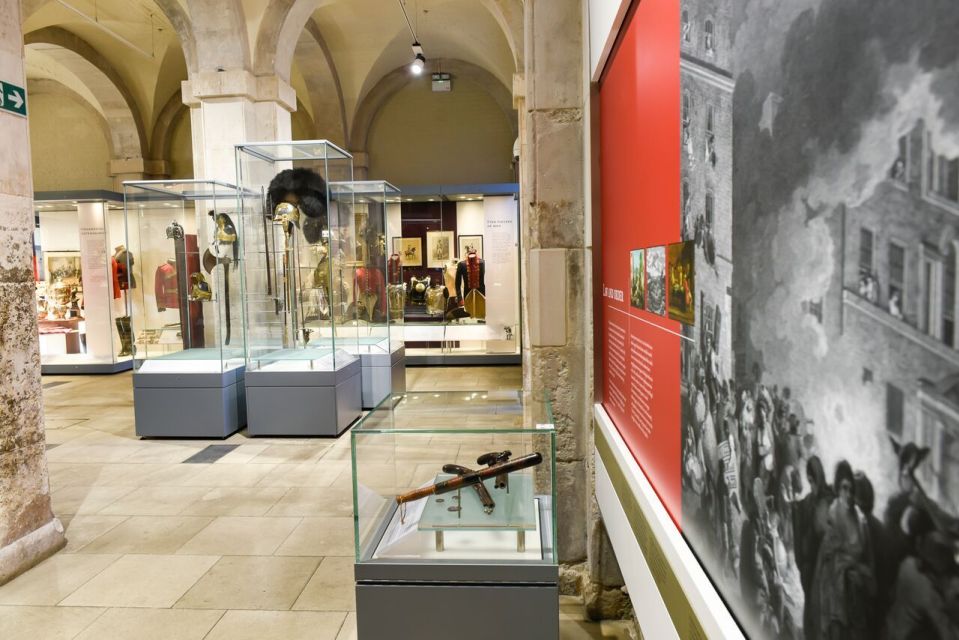
The museum highlights stunning, rare objects, with many on public display for the first time. That’s a big value driver. Even if you’ve seen some military museums before, “new-to-the-public” items are a reason to go rather than just assuming you’ll recognize everything instantly.
I suggest you take a slow pass through the main object displays before you settle into the stable views. Why? The stable side is compelling, and it can pull your attention away. If you understand what you’re about to see (the training themes, the regimental context), the artifacts start to make more sense while you’re watching horses and troopers.
Timing your visit: how long to plan and how not to rush it
You should allow at least 60 minutes. For most people, that’s enough time to:
1) see the stable views through the glazed partition,
2) walk through the main exhibits and interactive stations, and
3) pause long enough to read the personal training accounts.
This is also one of those places where rushing kills the mood. The museum’s best moments are the connections: a stable view plus the training story plus the related artifact display. If you move too fast, you lose those links.
One booking detail to be aware of: the ticket is valid for one day, and the booking calendar may show starting times. In practice, the experience is described as flexible for daytime entry. Either way, build in cushion time so you don’t feel pressed when you spot something you want to read twice.
Price and value: is $14 a fair deal?
At around $14 per person, this ticket is good value if you want a focused, quality stop rather than a half-day production. You’re paying for three things that many museums separate into different experiences:
- a historically meaningful setting (1750 building)
- access to working Household Cavalry views
- story-driven exhibits with interactive elements and personal accounts
If you’ve got only a short window in central London, the short visit time helps. This is not the kind of museum you have to “commit to” for an afternoon. It’s also not just a quick photo stop—you’ll likely spend the full hour (or more if you like military details and reading).
Where you might feel it’s less good value is if you expect a large museum with lots of galleries. The size can feel limited compared with bigger institutions. If you come with the mindset of a compact, story-led visit, the price makes sense.
Who will enjoy this most (and who might feel disappointed)
This museum hits hardest if you like any of the following:
- British military and ceremony details
- animals and working horse environments
- people-focused history, not only dates
- families who want a practical, readable outing for kids
It can also work well for couples. The stable viewing offers a shared “watch and react” moment, while the exhibits give you things to talk about without needing an extra guide.
Who may not love it:
- If you’re expecting a huge stable tour experience with lots of “behind the scenes” access, the glazed partition approach means your access is more observational.
- If you dislike reading and prefer heavily guided audio, plan for that. There’s no tour guide included, and one visitor explicitly noted no audio guide. You’ll get a lot from the exhibit text and interactive displays, so come ready to spend a little time reading.
Practical tips for a smoother visit
- Wear shoes you can stand in. The best viewing happens when you pause near the stable viewing area.
- Give yourself time to read the training accounts. That’s the part that turns the visuals into understanding.
- If you’re visiting with kids, aim for the interactive displays first so they’re “ready” to settle when the stable views capture their attention.
- For language: the museum visit is in English, and there’s no audio guide noted. If your group relies on translation help, consider bringing your own reading comfort tools.
Should you book the Household Cavalry Museum entry ticket?
Book it if you want a compact, high-signal experience in central London: working Household Cavalry views, strong storytelling around training, and a setting tied to real cavalry history from the 1750s. At about $14 and with a recommended 60 minutes, it’s a solid value stop when your day already includes Whitehall.
Think twice if you need lots of space and lots of galleries, or if you’re expecting a very guided, audio-heavy experience. This works best as a self-guided visit where you spend time looking carefully, especially at the stable views and the personal accounts.
FAQ
How long should I plan for the Household Cavalry Museum?
Plan for at least 60 minutes for your visit.
Where do I meet for this experience?
Meet directly at the Household Cavalry Museum.
Is the ticket only for a single day?
Yes. Your ticket is valid for 1 day.
What is included with the entry ticket?
The ticket includes entry to the Household Cavalry Museum.
Is a tour guide included?
No. A tour guide is not included.
Is the museum wheelchair accessible?
Yes, it is wheelchair accessible.
Are pets allowed?
Pets are not allowed. Assistance dogs are allowed.
Is there an audio guide?
One review noted there is no audio guide, and the visit was in English, so plan on relying on the exhibits and on-site information.
Can I cancel my booking?
Yes. Free cancellation is available up to 24 hours in advance for a full refund.