REVIEW · LONDON
London: Chelsea Football Club Stadium and Museum Tour
Book on GetYourGuide →Operated by Chelsea FC Stadium Tour & Museum · Bookable on GetYourGuide
Stamford Bridge feels different when you walk the tunnel. I love the behind-the-scenes access into player-only spaces, and I also love the tour’s story stops like the press room desk. One thing to plan for: pitch-side access can shift depending on what the club has going on, so you might not always step right onto the field.
After the stadium portion, I really like having time to roam the Chelsea FC Museum on your own, using the admission included with your ticket. The museum’s interactive moments (including virtual reality) make it more than just a walk past glass cases.
You’ll travel with a live English guide, and the energy is the point: guides like Scott, Ryan, Mary, Tim, Jason, Jordan, Mario, Colin, and Raymond are names you’ll see associated with upbeat, question-friendly tours.
In This Review
- Key highlights to know before you go
- Inside Stamford Bridge: the walk from dressing rooms to pitch-side
- The Chelsea FC Museum: trophies, interactive exhibits, and VR
- How the one-hour plan actually feels
- Price and value: is $43 a smart buy in London?
- Who this tour suits best (and who might not)
- Practical tips that make the visit smoother
- Should you book the Stamford Bridge stadium and museum tour?
Key highlights to know before you go

- Players’ tunnel and pitch-side areas give you the closest feel to matchday atmosphere without needing tickets.
- Press room and coach desk moments help you picture what life is like for staff and media on match days.
- Stadium dressing rooms add a fun, human scale to the giant building.
- Chelsea FC Museum trophies and artifacts cover decades of club moments through displays and memorabilia.
- Interactive exhibits and virtual reality make the museum feel active, not static.
- Some areas may change if the club needs to reschedule or close sections.
Inside Stamford Bridge: the walk from dressing rooms to pitch-side

A Stamford Bridge tour works because it’s paced like a behind-the-scenes story. You start with the stadium as a real place, not a postcard: corridors, rooms, and key viewpoints that most visitors never get to see.
The big moment is the players’ tunnel. Even when you’re not actually on a matchday, walking that route helps your brain connect the stadium’s size to the action you’ve seen on TV. You’ll also get pitch-side access in areas normally reserved for players and officials, which is exactly the kind of hands-on perspective that makes this tour worth doing even if you’re not obsessive about stats.
Before you reach that tunnel, the tour typically hits the “how it really runs” stops. One of my favorite parts is the role-play feeling of the press room desk, where you’re guided through what staff and media areas are like. It’s not just sight-seeing; it’s a guided prompt to imagine the day’s rhythm.
And yes, the dressing room stop matters. You get to see how a top club prepares in the spaces that actually shape matchday routines. If you’ve ever wondered what the pre-game feels like, this is the closest you’ll get without being there on the day.
Tip for your photos: keep your phone ready before you reach the tunnel and dressing rooms. That’s where the best photo angles tend to happen, and guides often help with quick picture moments.
You can also read our reviews of more museum experiences in London



The Chelsea FC Museum: trophies, interactive exhibits, and VR

Once the stadium tour wraps, you switch into a different mode: take it slower. The museum admission is included, and you can explore before or after your tour, so you’re not stuck rushing through exhibits.
What you’re looking at isn’t only recent silverware. The collection focuses on club achievements and football artifacts across the years. You’ll see major trophies and memorabilia connected to legends such as Frank Lampard, Ron Harris, and Didier Drogba. Seeing that name-and-era mix in one place helps you understand why Chelsea’s story is told so often through key players and key wins.
A big reason people enjoy the museum here is the mix of formats. Yes, there are trophy displays and memorabilia. But there are also interactive exhibits designed to make you move through the story instead of just reading placards.
Another standout is the virtual reality experience. It’s the kind of add-on that turns the museum from a passive experience into a “try-it” stop, which is especially useful if you’re visiting with kids or anyone who loses interest in straight-up displays.
Also, the tour experience often extends beyond the museum itself. If you want to grab a souvenir, you’ll typically have time to visit the shop after your exploring. That makes the whole visit feel complete, not like a quick photo and done.
Museum pacing note: the museum is self-guided. There’s no guided walkthrough of the exhibits included, so if you love reading captions and taking your time, this is a good setup.
How the one-hour plan actually feels
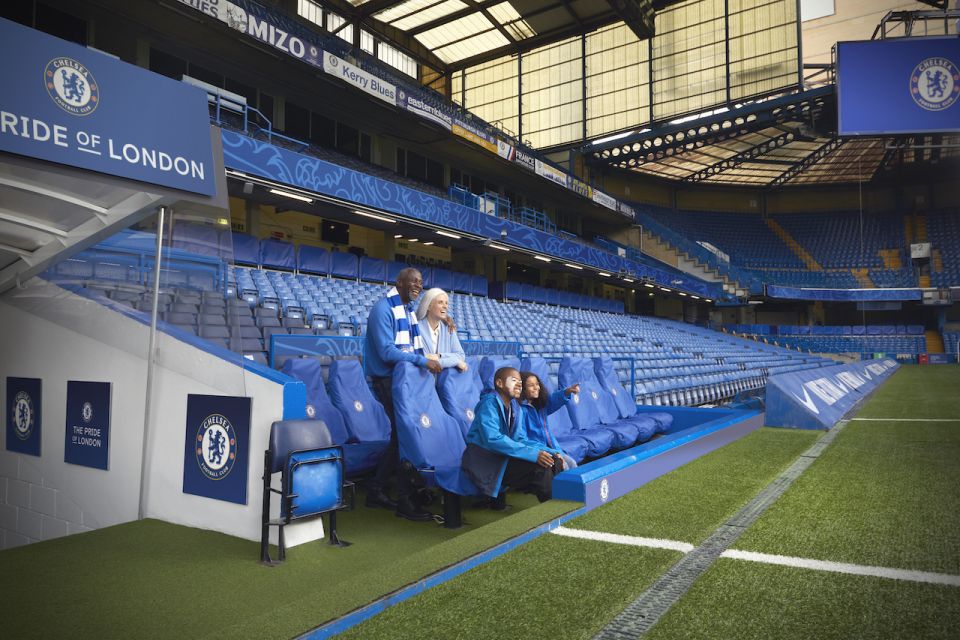
The tour duration is about one hour, which sounds short until you realize what’s happening. You’re getting guided access through multiple distinct areas—rooms, routes, and key stadium spots—so the time is used efficiently.
What helps most is the structure: the guide moves you from backstage spaces into the matchday-facing ones. That means you’re not wandering; you’re being guided through a logical progression that makes the stadium feel coherent.
If you’re tempted to treat it like a “check the box” activity, don’t. The value is in the context: the guide connects what you’re seeing to players, managers, and club moments tied to those places. That’s also why even people who aren’t deep Chelsea fans often end up enjoying it more than expected. When someone explains what matters, a stadium stops being generic.
Practical expectation: you’ll spend the majority of your hour in the stadium itself. The museum portion is on your schedule afterward, so plan a little time buffer if you want to take in the main trophy displays and at least one interactive highlight.
Price and value: is $43 a smart buy in London?

At $43 per person for a roughly one-hour stadium tour plus museum admission and a downloadable app, this can be good value—especially when London entertainment costs are high and you want something that isn’t just a quick walk-through.
Here’s why it often feels worth it:
- You get guided access to areas that normally feel impossible to reach as a visitor.
- You get museum time included, so you’re not paying separately for the trophy and artifact side.
- You leave with a stronger sense of place than you would from outside photos alone.
Where the cost might feel less satisfying is if you only want a casual glance at the museum and don’t care about stadium areas. In that case, you might feel like one hour passes quickly.
For families, it’s usually a strong option because kids tend to react well to the tunnel, the dressing-room atmosphere, and the interactive museum elements. For football lovers, it’s also a great alternative if you don’t have matchday tickets.
Who this tour suits best (and who might not)
I’d put this tour in the category of “short time, big memory.” You should be excited if you like football culture, stadiums, or you simply enjoy tours with real access.
It’s especially well suited for:
- Chelsea fans who want a stadium visit that isn’t a matchday ticket scramble
- Family groups where kids need movement and vivid moments
- Football-curious visitors who want the sport explained through real spaces
- People visiting for a limited time who still want more than a museum-only stop
For people who only want a quiet, strictly academic museum experience, this might feel a bit more like a show. Still, the museum includes trophies and artifacts, so you’ll find substance behind the fun.
And for non-football fans? This is one of the rare football experiences that can convert you, mainly because the guide’s role-play moments make it about people and routines, not only match results.






Practical tips that make the visit smoother

A few details can help you avoid stress and get more from the hour.
Meeting point first: you collect tickets at the Stadium Tours & Museum Store, tucked at the back corner of the stadium. There are signage and security officers on hand to point you in the right direction, which is useful if you arrive a little unsure.
Use the app: a web app is free to download for guests, and it’s offered in multiple languages including English, French, Spanish, Italian, German, Portuguese, Hebrew, Japanese, Korean, and Mandarin. That can help you even if you’re grouping up with someone who prefers a different language.
Plan for changes: the club may, on short notice, reschedule the tour or close parts of the museum or stadium based on operational needs. If that happens, your experience may shift slightly, but it should still cover the main highlights.
Pitch access may vary: some experiences may not include stepping onto the field if there’s a game or event timing conflict. The rest of the “matchday route” still delivers the big moments, so don’t let that possibility scare you away.
If you care about photos: keep your camera ready during the tunnel and dressing-room segments. The layout makes it easy to capture angles that feel like you’re standing where the action happens.
Should you book the Stamford Bridge stadium and museum tour?

If you’re in London with limited time and you want an experience that mixes real stadium access with a museum that actually gives you interactive moments, I think this is an easy yes. At $43 for the full package of stadium tour, guide, museum admission, and a free app, it offers more than a typical attraction that only shows you one side of a place.
Book it if:
- you want to feel the stadium from the inside, not just from outside
- you like trophies and club stories displayed in physical spaces
- you’re visiting with kids or someone who likes hands-on moments
Skip it only if you’re strictly museum-only and don’t care about stadium access. Otherwise, even if you’re a casual fan, the tour format makes the space come alive.