REVIEW · LONDON
London: Jack the Ripper Museum Tickets
Book on GetYourGuide →Operated by Golden Tours - Gray Line London · Bookable on GetYourGuide
A scary little museum with serious detail. The Jack the Ripper Museum turns 1888 London into a set of rooms where you can study evidence, victims, and the investigation—without needing a guided lecture to enjoy it. You’ll spend time in recreations like Mitre Square and the Whitechapel Police Station, then move into darker spaces like the attic and morgue.
I especially like the way the museum keeps its focus on the victims, not just the legend. I also love the room-by-room audio effects, which make the experience feel lived-in rather than like a rushed display case.
One drawback to plan for: this is a small museum, so if you’re hoping for a huge, all-day attraction, you may finish sooner than you expect.
In This Review
- Key things to know before you go
- Jack the Ripper Museum on Cable Street: what you’re walking into
- Mitre Square and P. C. Watkins: the story starts in the street
- Jack’s sitting room: Victorian suspect-world in objects, not just stories
- Whitechapel Police Station replicas: where the evidence lives
- The attic and Mary Jane Kelly’s bedroom: victims’ lives in domestic detail
- The morgue and autopsy photos: for when you’re ready for the hardest part
- Audio, mannequins, and the basement creep factor
- How long to plan: small museum, but you control the pace
- Price and value: is $18.86 worth it?
- Getting there from London Tube: nearest stations you can use
- Should you book Jack the Ripper Museum tickets?
- FAQ
- How much are Jack the Ripper Museum tickets?
- Where is the Jack the Ripper Museum?
- How long is the ticket valid?
- What’s included with the ticket?
- Do I need to bring transportation?
- What are the museum’s biggest highlights?
- Does the museum have audio or sound effects?
- Are there starting times or a specific schedule?
- Is the museum closed on any days?
- Is there free entry for someone assisting a disabled person?
Key things to know before you go
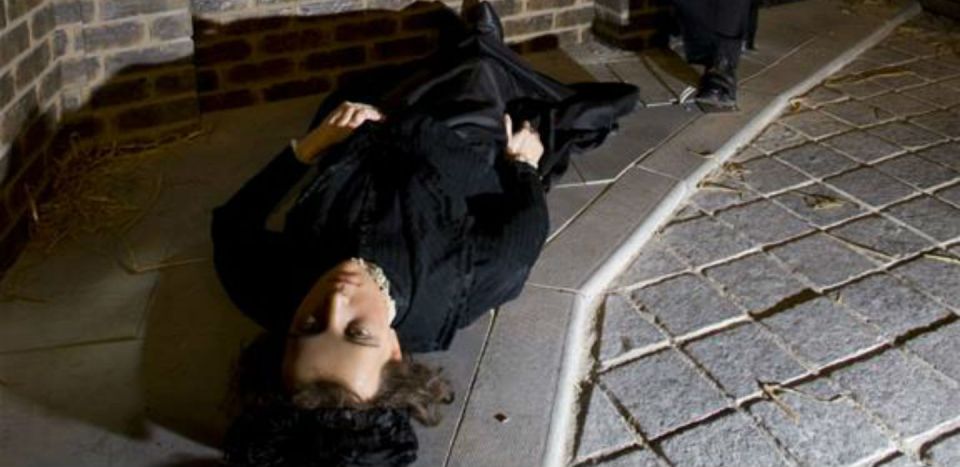
- Six floors of scenes and evidence that you can explore at your own pace
- Mitre Square waxwork recreation tied to P. C. Watkins and Catherine Eddowes
- Whitechapel Police Station boards with key items like the From Hell and Dear Boss letters
- Jack’s sitting room with Victorian memorabilia and Walter Sickert’s original drawing
- Attic bedroom and morgue photos that hit hardest for sensitive viewers
Jack the Ripper Museum on Cable Street: what you’re walking into
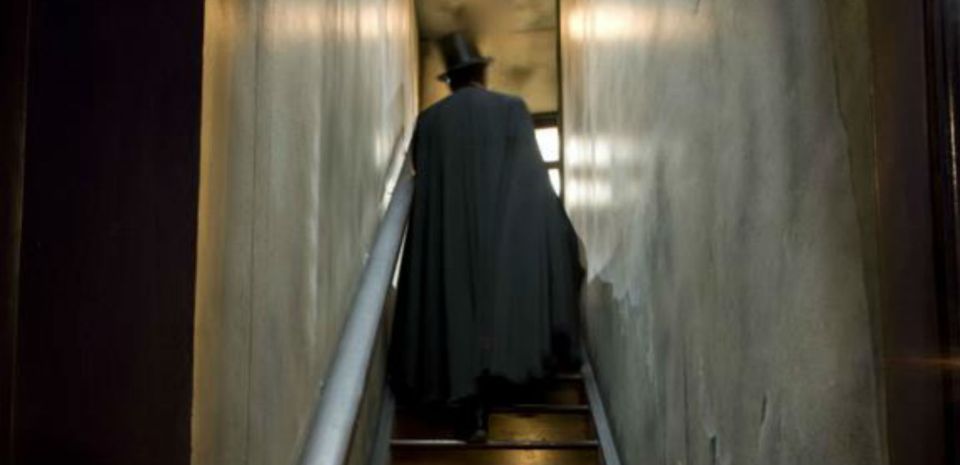
The museum sits at 12 Cable Street in London E1, in the Whitechapel area that fits the story. It’s a practical setup: you enter, get oriented, and then work your way through multiple themed rooms across the floors.
This isn’t a theme park. It’s a museum built like a sequence of scenes—crime location, investigation HQ, suspect’s world, and then the victims’ lived reality. If you like true crime that leans historical and tactile, you’ll understand why people keep describing it as atmospheric and educational.
The museum also uses small, deliberate touches: audio in the rooms, creepy visual staging in certain corners, and even details connected to specific people. It makes the mystery feel grounded in everyday objects, not just fog and theatrics.
You can also read our reviews of more tours and experiences in London


Mitre Square and P. C. Watkins: the story starts in the street
Your visit often begins with Mitre Square, where you’ll see a realistic waxwork recreation of P. C. Watkins discovering the body of Catherine Eddowes. The point here isn’t shock value. It’s to show you the moment the investigation effectively became public and urgent.
A useful way to think about this room: it’s the museum’s “hook.” You get placed at the scene, then you’re guided to the next logical step—how police responded, what evidence was collected, and what documents ended up surviving in public memory.
Audio effects also matter in this first stretch. Some rooms use sound in a way that makes you pause longer than you planned. If you’re visiting with kids or anyone who doesn’t do well with horror-style staging, you’ll want to judge the room carefully before moving on.
Jack’s sitting room: Victorian suspect-world in objects, not just stories
Next comes the museum’s take on Jack’s private space: Jack the Ripper’s sitting room. This is where the museum shifts from scenes and streets to the clutter of a person’s day-to-day life—medical instruments, books, maps, letters, and Ripper memorabilia.
The standout artifact here is Walter Sickert’s original drawing of the body of a woman on a metal bed, signed in red ink. Even if you don’t buy any single theory, it’s a strong “how we got here” object. It shows how visual claims and suspect imagery traveled, long before social media and mass media turned everything into a quick headline.
If you like details, this room rewards slow reading. The museum clearly wants you to notice how letters, maps, and dated materials shaped the mystery’s later retelling. You’ll also get a sense of the era’s look and language—Victorian enough to feel oddly familiar.
Whitechapel Police Station replicas: where the evidence lives
Then you move into the Whitechapel Police Station recreation, the investigation hub of the story. This room is built like a working space, with evidence presented on boards and displays—so you can see how claims stacked up and how the public trail formed.
Here’s what makes it practical for your understanding:
- you get the evidence boards layout style that feels like an actual case wall
- you see key items connected to the famous correspondence
- you connect documents to the people and actions tied to them
Two letter names come up clearly in the display: From Hell and Dear Boss. Alongside them are original-looking newspapers and police artifacts, which adds texture beyond just one dramatic document.
One of the most specific, memorable inclusions is a group of items associated with P. C. Watkins: the whistle he blew to call for help, plus his notebook, handcuffs, and truncheon. The museum also highlights that these are among the most significant Ripper-related items available outside Scotland Yard’s private Crime Museum, which helps you gauge why they’re treated as “big” objects.
If you’re the type who wants to understand the case rather than just the rumors, this is your room.
The attic and Mary Jane Kelly’s bedroom: victims’ lives in domestic detail
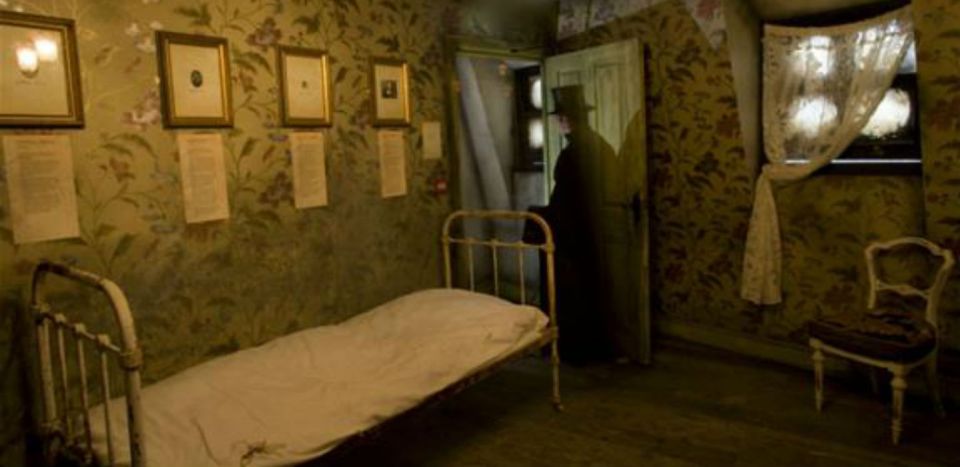
Up in the attic, the museum recreates Mary Jane Kelly’s bedroom, the setting of what’s described as the Ripper’s most horrific murder. This part is handled differently than the evidence rooms: it’s staged to feel more personal, like a home rather than a scene.
You’ll see domestic photographs and the women’s everyday belongings—boots, bonnets, and the basic bedroom furnishings, including a metal-framed bed with a straw mattress. The museum also includes small touches that underline how little people had, and how much the case took away.
The audio again plays a role here. Some rooms use sound in ways that can feel haunting, especially the singing effect reported for the attic space. If you’re sensitive to mood-heavy environments, keep that in mind when deciding how long to linger.
What I like about this attic stop is the museum’s implied message: victims weren’t just names in a newspaper. You’re given glimpses of family life, possessions, and the ordinary rhythm of Victorian East End households.
You can also read our reviews of more museum experiences in London




The morgue and autopsy photos: for when you’re ready for the hardest part
Finally, if you want the museum’s darkest ending, you can enter the morgue room. This is where you can study actual autopsy photos and read reports describing the mutilation and murder of nine women linked to the case.
This isn’t a casual stop. If gore-heavy materials make you uncomfortable, you’ll want to prepare yourself or skip the morgue entirely. The museum makes it clear this is meant to be confronting, and it’s easy to see why people come out quiet after this part.
Still, there’s a reason it’s part of the experience. It pushes the story beyond mythology. You’re reminded how real bodies, real injuries, and real documentation sat underneath the legend.
Audio, mannequins, and the basement creep factor
A lot of the museum’s power comes from the atmosphere it builds for you as you move floor to floor. Reviews highlight audio in each room, which helps you stay oriented and makes scenes feel more present.
You may also notice creepy staging in the basement, including mannequin displays described as super creepy. Another recurring detail: people point to the walls as a favorite part, because the design helps connect the rooms into one continuous story rather than disconnected “stops.”
If you like museums that feel theatrical but still readable, this one hits the sweet spot. If you prefer clean, minimalist displays, you may find the darker staging a bit much.
How long to plan: small museum, but you control the pace
This is not an all-day complex. The six floors move at museum speed, and many people spend somewhere between about 45 minutes and 1.5 hours depending on how carefully you read.
To use your time well, I’d plan for about an hour at minimum and up to ninety minutes if you stop for photos and take in the audio. The museum is self-guided in practice, so you can linger in the rooms that hook you and skim the ones you don’t.
Practical tip: start by picking your “must-see” order—Mitre Square, Police Station, then either the attic or morgue depending on your comfort level. That way you don’t rush through everything trying to “complete” the whole case.
Price and value: is $18.86 worth it?
At $18.86 per person, you’re paying for a ticket to a focused, multi-room museum. The value comes from the combination of:
- six floors of staged content rather than a single exhibit
- high-specificity displays (like the whistle, notebook, handcuffs, truncheon, and the Sickert drawing)
- audio effects that lift the experience beyond static text
It’s also a plus that the ticket is good for 1 day and you can check starting times. Since it’s not a long guided tour, you’re not buying “two hours of someone talking.” You’re buying your time inside an experience where you can read and revisit rooms as needed.
If you’re budget-conscious, this is one of those purchases where the “small museum” size can actually be a benefit. You can get a strong fix on the Ripper story without committing to a half-day elsewhere.
Getting there from London Tube: nearest stations you can use
Transport isn’t included with the ticket, so you’ll want to plan your route. The museum’s nearest underground and train stations listed are:
- Tower Gateway
- Tower Hill
- Aldgate East
Cable Street sits in a walkable area once you’re out of the station. If you’re also visiting nearby Whitechapel or Tower-area sights, you can stitch this stop into a history-focused day without much hassle.
Should you book Jack the Ripper Museum tickets?
Book it if you want a tight, story-driven museum in Whitechapel where you can see evidence-style displays, read key documents, and experience the case as a sequence of scenes. You’ll especially enjoy it if you’re the kind of person who likes artifacts and room-to-room audio rather than a generic walking tour.
Think twice if you dislike horror-style staging or if you’re not comfortable with autopsy photos in the morgue. In that case, you can still enjoy the Police Station and attic spaces, but go in knowing the museum can get intense.
If you’re curious about the Jack the Ripper story but tired of pure folklore, these rooms give you objects and settings that make the legend feel more anchored—and that’s a rare win for a true-crime museum.
FAQ
How much are Jack the Ripper Museum tickets?
The price is listed at $18.86 per person.
Where is the Jack the Ripper Museum?
The meeting point is Jack the Ripper Museum, 12 Cable Street, London E1 8JG.
How long is the ticket valid?
It’s listed as valid 1 day, and starting times can vary based on availability.
What’s included with the ticket?
The ticket includes museum admission.
Do I need to bring transportation?
No. Transportation isn’t included, so you’ll need to arrange your own way to the museum.
What are the museum’s biggest highlights?
Top highlights include recreations of crime scenes and the Whitechapel Police Station, a morgue room with autopsy photos, and the chance to see items like key letters and artifacts connected to the investigation.
Does the museum have audio or sound effects?
Audio is used in the rooms, including effects reported for spaces like the attic.
Are there starting times or a specific schedule?
The ticket is valid for 1 day, and you should check availability to see starting times.
Is the museum closed on any days?
It’s closed on Christmas Day.
Is there free entry for someone assisting a disabled person?
Yes. The person accompanying a disabled person receives free entrance.