REVIEW · LONDON
London: Jack the Ripper Small Group Tour
Book on GetYourGuide →Operated by Empire Tours and Productions LLC (United Kingdom) · Bookable on GetYourGuide
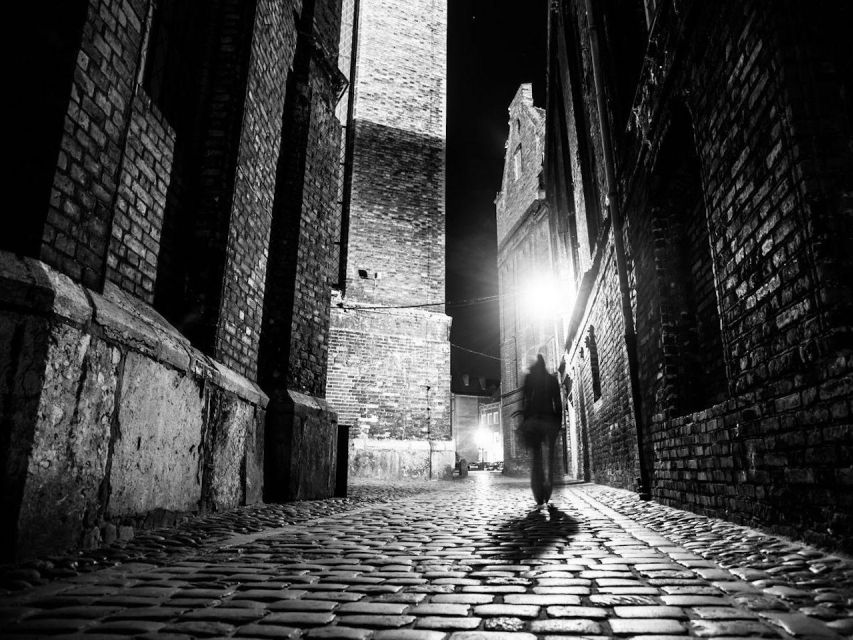
Street corners feel different after dark. This London Jack the Ripper small-group tour turns famous murders into real geography, taking you through the East End lanes tied to the case while using stories, evidence, and re-enactments to keep you engaged. It’s dark-sky history, not a museum lecture, and it’s built for people who want atmosphere and context in one easy evening.
Two things I really like: first, the walk is paced as a story, with guides like Cova, Becky, Sarah, Ollie, and Jay (and others) who answer questions as you go and often share their own theories. Second, the tone stays human—accounts of violence are handled with sympathy and sensitivity, and some guides even add humour without disrespecting the victims. One drawback to plan for: it’s a night walk through working streets, so cold, wet weather and long-ish standing/walking time can be a factor, and it isn’t suitable for wheelchair users.
In This Review
- Key Things I’d Watch For
- Jack the Ripper on Foot: Why This Tour Feels Different
- Getting There: Aldgate East, Fashion Warehouse, and Late-Arrival Reality
- The 2-Hour Route: Whitechapel Road, Spitalfields, Ten Bells, Brick Lane, Aldgate East
- Whitechapel Road: Where the Case Lives on the Street Itself
- Spitalfields Market Area: Looking Past the Present-Day Streets
- Ten Bells Pub: A Stop That Blends Legend and Street-Level Atmosphere
- Brick Lane: From Gritty Past to Modern East End
- Aldgate East: Closing the Loop With Investigations and Lingering Mystery
- How the Guides Shape the Experience (Cova, Becky, Sarah, Ollie, and More)
- Victims’ Viewpoint and Tone: Respect Without Softening Reality
- Group Size and Pacing: Why 2 Hours Works
- Weather and Walking Comfort: What to Wear on a Dark East End Evening
- Price Check: Is $26 Worth It for a London Night Tour?
- Who This Tour Suits Best (and Who Might Want Another Option)
- Should You Book This Jack the Ripper Small-Group Tour?
- FAQ
- FAQ
- How long is the Jack the Ripper small-group tour?
- Where do I meet the guide for the tour?
- Is the tour offered in multiple languages?
- What does the tour include?
- Is food or drink included?
- Will the tour wait for late arrivals?
- Is the tour suitable for wheelchair users?
- Is re-enactment part of the experience?
- What is the cancellation policy?
Key Things I’d Watch For
Start at Aldgate East with extra time so you don’t miss the group.
The guide format is interactive, with evidence, pictures, and occasional re-enactment moments.
You’ll hit major case-area streets, including Whitechapel Road, Spitalfields, Ten Bells Pub, Brick Lane, and Aldgate East.
The tone is serious but not joyless, often mixing sympathy with light humour.
This is a true walking tour, so plan for winter layers and sturdy shoes.
Choose your language when booking, with options listed as English plus Spanish at checkout, and French also shown as available.
Jack the Ripper on Foot: Why This Tour Feels Different
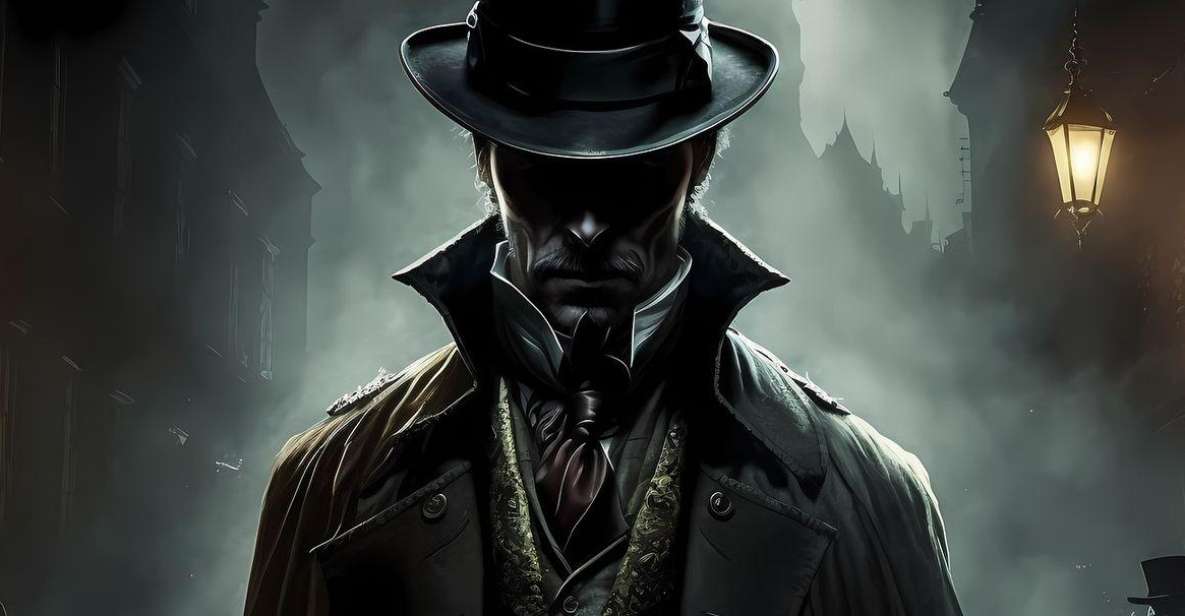
Jack the Ripper stories can go two ways: either they turn into sensational trivia, or they get treated like dry facts you’d forget by the Tube ride home. This one tries to do both basics well—place the case in real streets and then explain what the evidence and theories suggest—without turning the murders into a caricature.
The small-group setup matters more than you’d think. With fewer people, you get a better chance to ask questions, and guides can keep the pace tight enough that you stay oriented: where you are, why it matters, and what happened there. It also helps the story feel like you’re moving through the East End with a local interpreter of the case, not sitting at the back of a big bus.
You can also read our reviews of more tours and experiences in London.



Getting There: Aldgate East, Fashion Warehouse, and Late-Arrival Reality
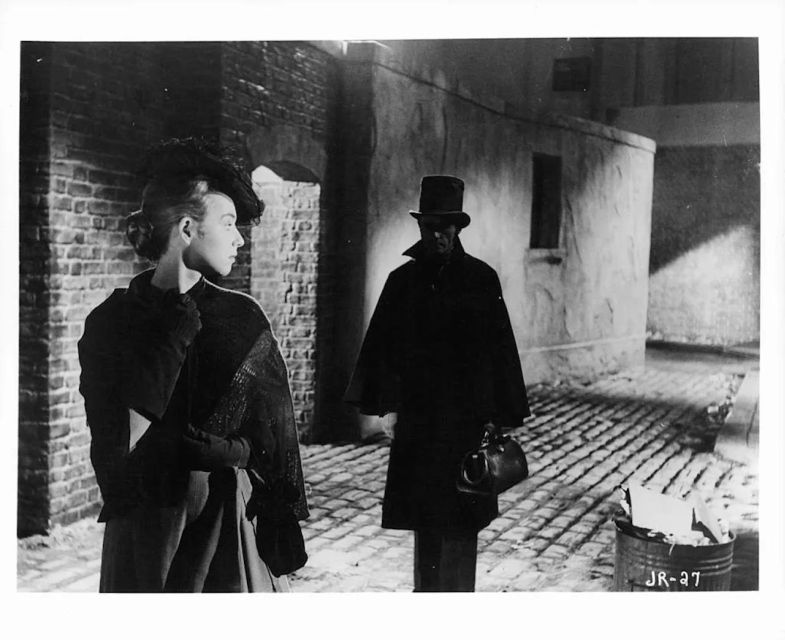
You meet at Aldgate East station, right next to the meeting point. Look for “Fashion Warehouse,” and your tour guide will be waiting there.
Two practical tips that make this smoother:
- Aldgate East has multiple exits, so pick the direction you’ll use before you surface from the station.
- Build in buffer time. The tour operator says they cannot wait for late arrivals, so don’t gamble on last-minute train connections.
Once you’re there, the rest of the evening runs as a walking route through the East End. Because this is timed around a 2-hour experience, you’ll want to avoid lingering too long near shopfronts or photo spots before the group moves.
The 2-Hour Route: Whitechapel Road, Spitalfields, Ten Bells, Brick Lane, Aldgate East
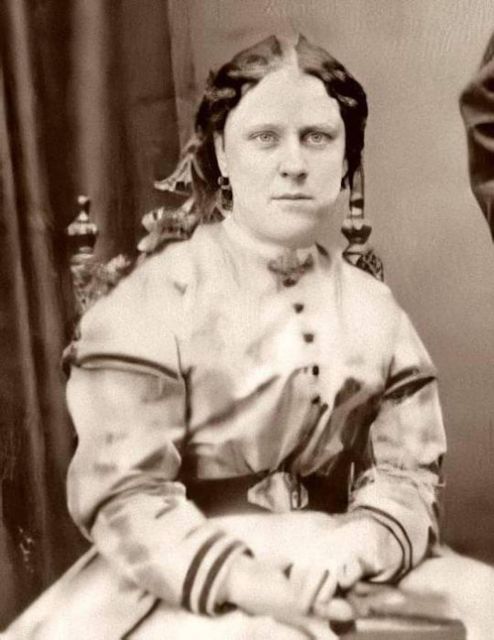
This is a case-area walk, so expect the vibe to shift block by block: working-street life now, with 1800s London echoing underneath your guide’s narration. The tour’s listed neighbourhoods and landmarks form the backbone of the story.
Whitechapel Road: Where the Case Lives on the Street Itself
The tour begins in the heart of Whitechapel, with Whitechapel Road called out as a key start point—where multiple victims were connected to the area’s tragic events. The value here isn’t just names on a map. It’s that you’re standing on the kind of street layout that shaped how people moved, sought help, or passed through neighbourhoods that felt unsafe.
You’ll also get context for why Whitechapel became central to the case: overcrowding, poverty, and the daily routines of working people at the time. That background helps the story make sense instead of feeling like random stops.
Spitalfields Market Area: Looking Past the Present-Day Streets
Next comes Spitalfields, with the tour highlighting Spitalfields Market and the area’s Victorian-era feel. This is where the tour earns its “you’re actually walking it” credibility. Spitalfields has layers, and your guide uses that to connect the murders to the neighbourhood economy and housing patterns that framed where victims may have lived, worked, or passed through.
If you like context you can picture, this is a good segment. You’re not just hearing about events—you’re learning what the area was built for, and how that would have affected movement and visibility on the street.





Ten Bells Pub: A Stop That Blends Legend and Street-Level Atmosphere
Then there’s Ten Bells Pub, described as the kind of place where several victims were said to have frequented. This is one of those stops where you’ll feel the difference between a headline story and an evening walk: you’re looking at a real public space, with the guide tying it back to the narratives around routine and routes.
Even if you’re the type who likes to separate myth from fact, this stop works because the guide’s job isn’t to hand-wave. It’s to explain what’s known, what’s suspected, and how Victorian London drinking venues fit into everyday life.
Brick Lane: From Gritty Past to Modern East End
From there, the tour moves along Brick Lane, famous today for street art and food, but still tied to the area’s older grit. Your guide’s take here matters: they’ll show how the district has changed while keeping a line back to the locations that mattered in 1888.
This section is great for photo lovers too, but it’s better if you treat it like a prompt. Look around and think about how neighbourhood identity shifts over time, even when the street grid and building footprints remain partly intact.
Aldgate East: Closing the Loop With Investigations and Lingering Mystery
Finally, you circle back to Aldgate East, which the tour ties to investigations and lingering questions. Since your meeting point is by the station, this stop also gives you a natural way to re-check bearings and reflect on the case connections as the walk comes to an end.
The tour’s way of handling Aldgate East is useful if you’ve ever felt Jack the Ripper stories are too Whitechapel-only. Here, the case gets mapped more broadly across the East End, which makes the whole “who knew what, and when” piece feel more realistic.
How the Guides Shape the Experience (Cova, Becky, Sarah, Ollie, and More)
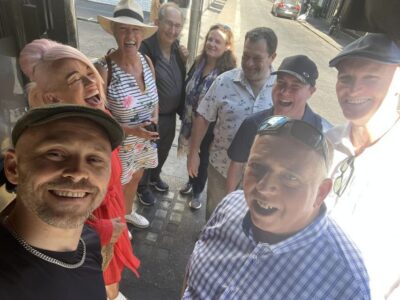
The guide makes or breaks a story tour, and this one is built around real-time explanation, not just walking and reading. Several guides named in participant notes—Cova, Becky, Sarah, Ollie, Jay, Angie, and Conza—share the same theme: they keep the group informed, invite questions, and make the case feel lived-in.
A few things I’d call out that show up again and again:
- Pictures and evidence are used to support the narration, so you aren’t only relying on verbal descriptions.
- Some guides bring their own theories into the mix, which can be fun if you like debate rather than a single “final answer.”
- Humour appears in the delivery for balance. It’s not disrespectful comedy; it’s more like pacing. It helps you keep listening instead of feeling like you’re trapped in an endless grim documentary.
Victims’ Viewpoint and Tone: Respect Without Softening Reality
One of the most praised parts of the tour experience is how it handles the violence. The case is grim—there’s no getting around that—but guides aim for sympathy and sensitivity, with the narrative sometimes told from the victims’ viewpoint and with care for how the story affects families and reputations.
That matters to you because it sets the emotional temperature of the evening. If you want a Jack the Ripper tour that doesn’t turn into shock theatre, you’re likely to feel comfortable here.
Group Size and Pacing: Why 2 Hours Works
At 2 hours, this tour stays focused. You won’t have to plan your whole evening around it, and the length is short enough that the guide can keep details organized: where you are, what happened, and why it was important.
Small groups also tend to change pacing. In practice, you may find group sizes that are intimate enough to ask questions without feeling rushed. The payoff is that the story becomes interactive, not passive.
If you’re comparing options, think of this format as a “prime time” version of the Ripper story: quick enough for a first-timer, structured enough for people who already know the big names.
Weather and Walking Comfort: What to Wear on a Dark East End Evening
This is a walk, and East London weather can be dramatic in winter. Notes from real-time experiences point out wet and cold conditions—and the general takeaway is that the atmosphere can feel even more intense when the streets are grey and damp.
So plan for it:
- Wear layers you can adjust while moving.
- Bring a rain layer or umbrella, since standing around for explanations is part of the deal.
- Use shoes with solid grip. Brick Lane and side streets can be uneven underfoot.
And remember: it’s not suitable for wheelchair users, so plan accordingly if accessibility is a priority.
Price Check: Is $26 Worth It for a London Night Tour?
At about $26 per person for a 2-hour guided tour, the value comes from what’s included: you’re paying for an expert guide and a structured walking route through multiple case-linked areas.
What you’re not paying for is just as important. Food and drink aren’t included, so you’ll want to handle that separately—either before you go or after. That keeps the tour focused and light on extra costs, but it also means you shouldn’t expect the ticket price to cover a full evening.
If you compare a basic walking tour that’s mostly narration-only versus this one with evidence, stories, and re-enactment elements, the difference is the level of interpretation. You’re not just being told what happened; you’re being shown why it might have happened and how people in that era could have seen the same events differently.
Who This Tour Suits Best (and Who Might Want Another Option)
This fits best if you:
- Want a first serious Jack the Ripper experience without getting lost in endless facts.
- Like walking tours that connect street locations to narrative and context.
- Enjoy a guide who answers questions and sometimes shares theories you can think about.
It might be less satisfying if you:
- Want a purely academic approach with zero emotional tone.
- Prefer indoor attractions only, because this is built around moving through neighbourhood streets at night.
Should You Book This Jack the Ripper Small-Group Tour?
I’d book it if you want a focused evening that blends street-level locations with evidence-led storytelling, led by guides who can keep the group engaged and respectful. The small-group format is a big part of the appeal: it gives you room to ask questions and to hear the case explained in a way that feels tailored, not canned.
If you’re sensitive to violent subject matter, go in knowing the murders are central. The good news is the narration aims for sympathy and sensitivity, and the guides work hard to keep the tone appropriate rather than exploitative.
If you’re debating between a quick “highlights” Ripper tour and a deeper walk, this one hits a practical middle: short enough to fit your schedule, detailed enough to make the East End feel real.
FAQ
FAQ
How long is the Jack the Ripper small-group tour?
The tour lasts 2 hours.
Where do I meet the guide for the tour?
Meet at Aldgate East station, next to the meeting point. Look for Fashion Warehouse.
Is the tour offered in multiple languages?
Yes. You can book in English or Spanish at checkout. English and French are also listed as available.
What does the tour include?
It includes a 2-hour guided tour with an expert guide.
Is food or drink included?
No. Food and drink are not included.
Will the tour wait for late arrivals?
No. The tour operator says they cannot wait for late arrivals, so give yourself extra time to reach the meeting point.
Is the tour suitable for wheelchair users?
No. It is not suitable for wheelchair users.
Is re-enactment part of the experience?
Yes. The tour is described as interactive, with stories, evidence, and re-enactments.
What is the cancellation policy?
You can cancel up to 24 hours in advance for a full refund.