REVIEW · LONDON
London: Jack the Ripper tour in Spanish (RLA Winner)
Book on GetYourGuide →Operated by Whitechapel Tours · Bookable on GetYourGuide
A killer story needs the right setting, and Whitechapel delivers. This 2-hour Spanish walking tour brings you to real locations tied to the case, led by award-winning historian José Oranto. I love that the guide mixes academic rigor with a conversational style, and I love that you get room to ask questions and debate ideas in plain language.
One possible drawback: this is a Spanish tour, so if your Spanish is rusty, you may miss some of the nuance during the Q&A.
In This Review
- Key highlights at a glance
- A Spanish Jack the Ripper tour with José Oranto’s real-world research
- Starting at St Mary’s Whitechapel Church Memorial: the mood, explained
- Brick Lane to Gunthorpe Street: watching the neighborhood become the story
- Banglatown Arch and Hanbury Street: where you can compare eras in your head
- Ten Bells Spitalfields and Mitre Square Garden: pub-corner energy meets case geography
- Goulston Street to White’s Row: seeing the addresses, not just the headlines
- The best part: interactive Q&A with documented photos
- Duration and walking level: a focused 2-hour route
- What to bring (and what not to bring)
- Value for about $21: where the price actually makes sense
- Should you book this Jack the Ripper tour in Spanish?
- FAQ
- What language is the tour?
- How long is the Jack the Ripper walking tour?
- Where does the tour start?
- Is the tour suitable for wheelchair users?
- Can I record video during the tour?
- What should I wear for the tour?
- Do I get time to ask questions and share theories?
- What is the cancellation and booking flexibility?
Key highlights at a glance
- Award-winning guide José Oranto: recognized for his work on the Whitechapel murders
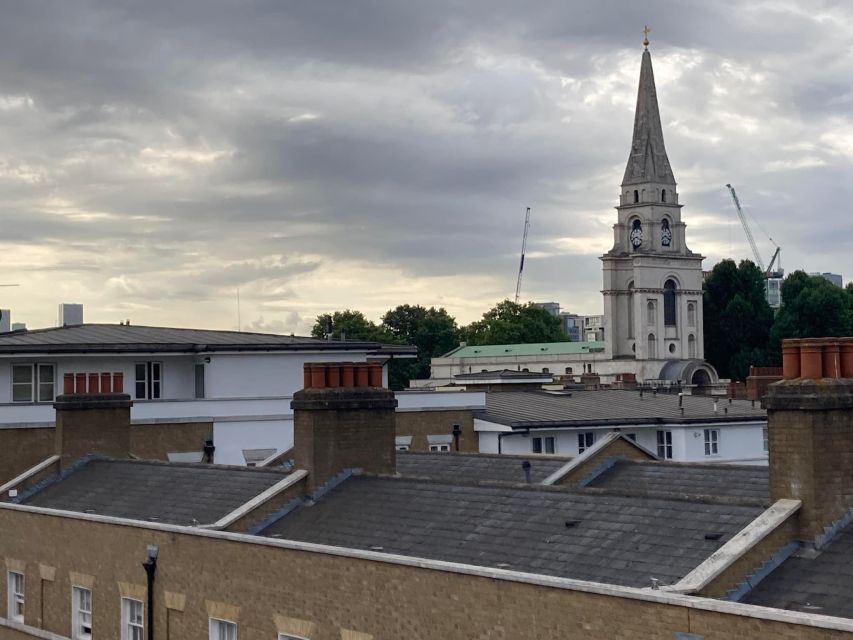
- Real street locations: you see the areas where the events unfolded
- Interactive format: questions are welcome, and theories can be discussed
- Documented storytelling with photos: adds realism without turning it into theater
- Reasonable walking pace: a guided stroll rather than a big hike
- Wheelchair accessible: the tour is designed to be doable for more visitors
A Spanish Jack the Ripper tour with José Oranto’s real-world research
If you think Jack the Ripper tours are all scare stories and street props, this one pushes back. The big difference is the guide: José Oranto, an RLA Award winner (2023) and a leading figure in the historical investigation of the Whitechapel murders. He’s also the author of Jack el Destripador y las crónicas de Whitechapel, and his work has been recognized by the Robert Linford Award (2023) and mentioned by Ripperologist as one of the most prominent investigators (2024).
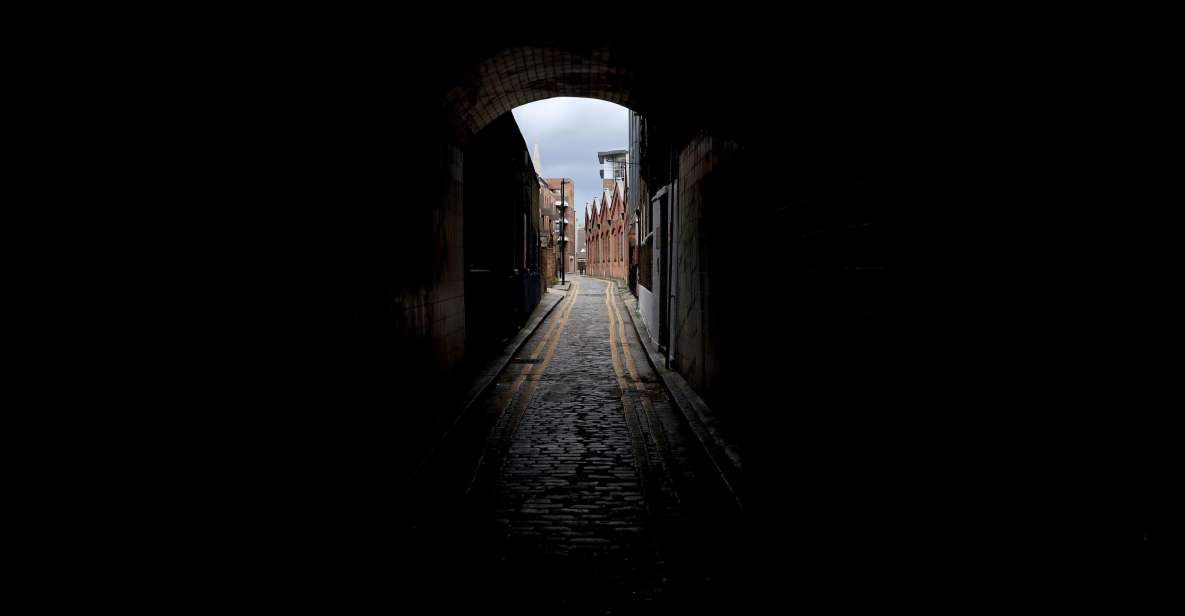
You’ll get a Victorian London walk that focuses on people, buildings, and the everyday setting—where the victims lived their daily lives—not just famous “Ripper” labels. The tone stays factual and human, with the guide connecting the case to architecture and streets you can still recognize today.
And this is not a silent, stand-and-stare type of tour. José actively invites you to talk, challenge, and ask questions as you go.
You can also read our reviews of more tours and experiences in London.



Starting at St Mary’s Whitechapel Church Memorial: the mood, explained
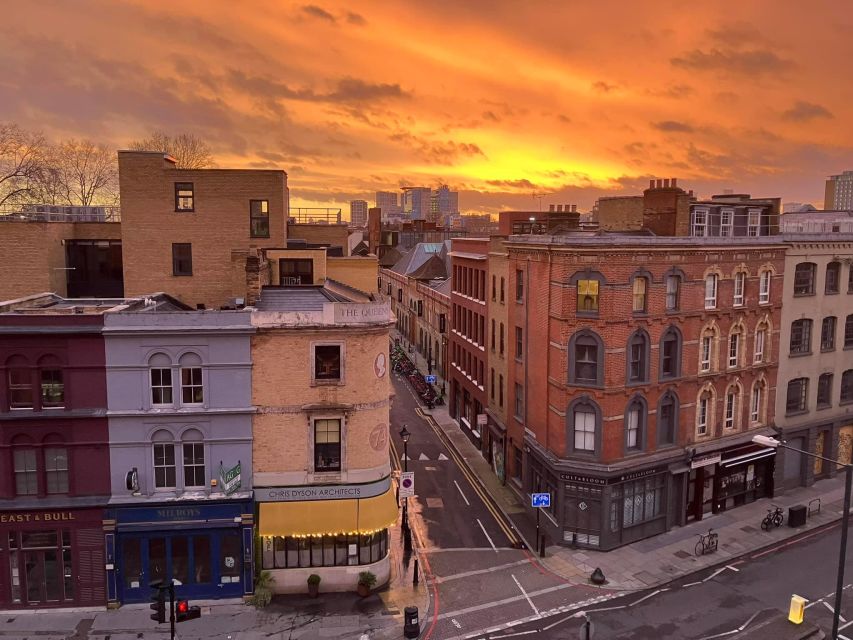
Most tours start with a name and a date. This one starts with a place, at St Marys Whitechapel Church Memorial, setting a serious tone from the first minute. It’s a smart choice because it helps you frame what you’re seeing as history tied to real streets, not a generic “London dark corner” experience.
From there, you’re guided through a route designed to match the case’s geography. That matters because Whitechapel is tightly packed, and small street changes can shift what you understand about the story.
If you’re the kind of traveler who likes your history grounded in setting, you’ll appreciate this opening. It gives you a framework before the tour starts naming addresses.
Brick Lane to Gunthorpe Street: watching the neighborhood become the story
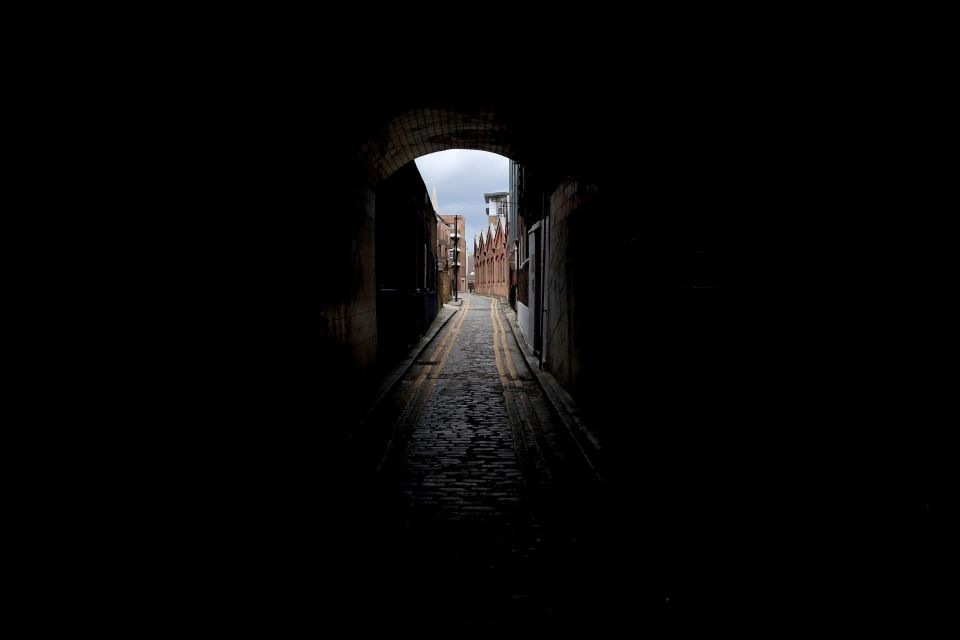
The tour takes you along Brick Ln, then on to Gunthorpe St—both positioned as key parts of the real-world environment connected to the murders. This is where the walk starts to feel like “you are there,” because you’re not only hearing claims; you’re looking at the bones of the neighborhood.
What I like here is how the guide connects details to the era’s architecture. You’re encouraged to notice how buildings and street layouts contribute to the atmosphere of late Victorian London, and how that context shaped daily life.
There’s also a “pass by” stop at Flower and Dean Walk. That’s useful if you want the full route feel without spending too long in one single spot. It keeps the pace moving while still letting the guide point out what matters along the way.
Banglatown Arch and Hanbury Street: where you can compare eras in your head
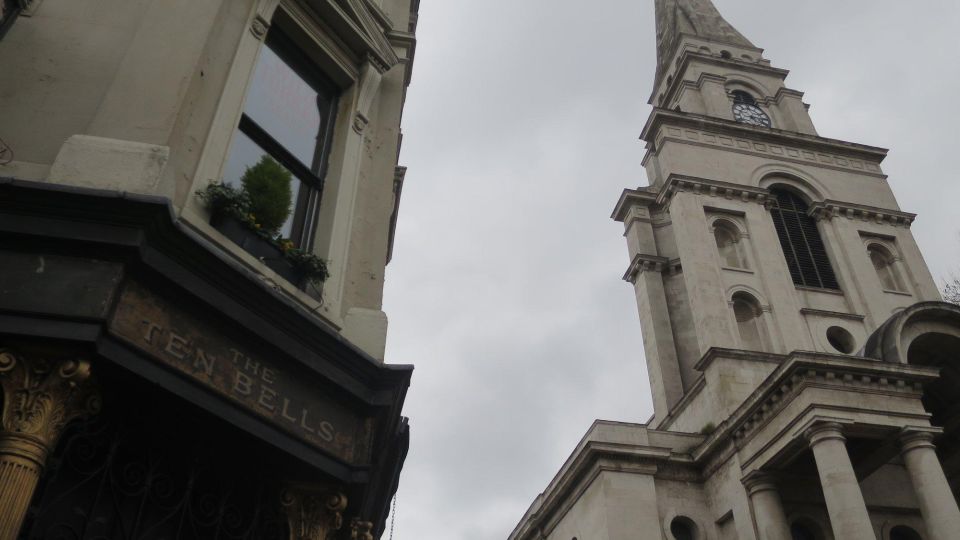
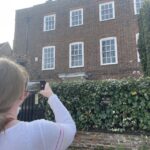
Next, you visit Banglatown Arch and then move to 29 Hanbury St. These stops matter because they let you compare what’s visible today with the historical case locations the tour is aiming to explain. It’s one thing to hear “Whitechapel used to look different,” and another to stand in a place and have the guide help you map that difference.
This is also a great section for questions. With a historian leading, your curiosity can go anywhere: street context, architecture, why certain locations are emphasized, and how theories get built or challenged.
If you’re worried about a “lecture on a sidewalk,” don’t. The guide is described as engaged and willing to resolve doubts not only about the experience but also about practical London questions like getting around. That kind of back-and-forth keeps you mentally active.
Ten Bells Spitalfields and Mitre Square Garden: pub-corner energy meets case geography
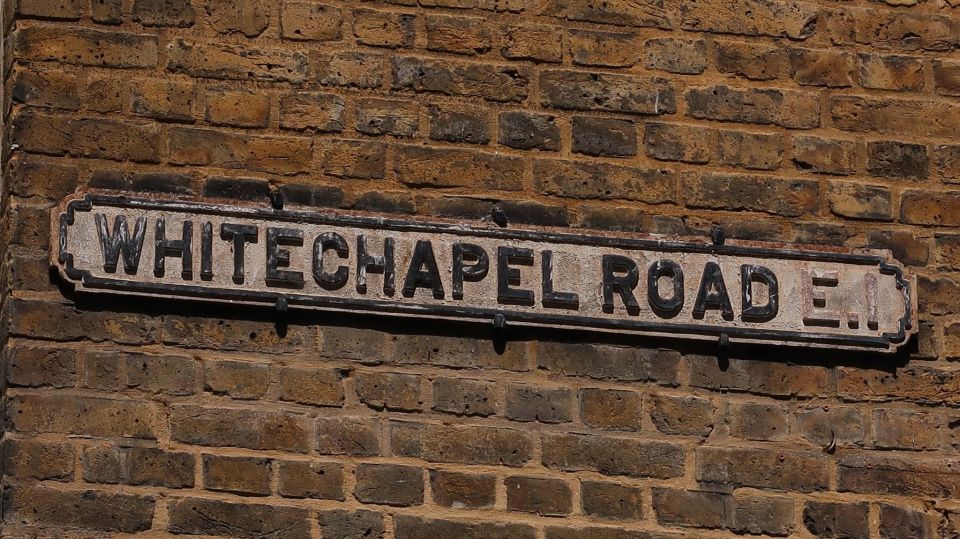
You’ll pass The Ten Bells Spitalfields and then visit Mitre Square Garden. The Ten Bells stop is “pass by,” but it’s still a memorable pivot point because it signals how social life and local landmarks tie into the neighborhood’s human texture.
Mitre Square Garden is where the tour slows down just enough to make the space feel meaningful. It’s a good contrast stop: a small, definable place where you can picture daily routines rather than only focusing on the most notorious story beats.
This is also one of the best moments if you like taking photos for yourself (no video recording is allowed, but regular camera use should still be fine). The setting gives you a breather while the guide keeps the narrative tied to the real addresses.



Goulston Street to White’s Row: seeing the addresses, not just the headlines
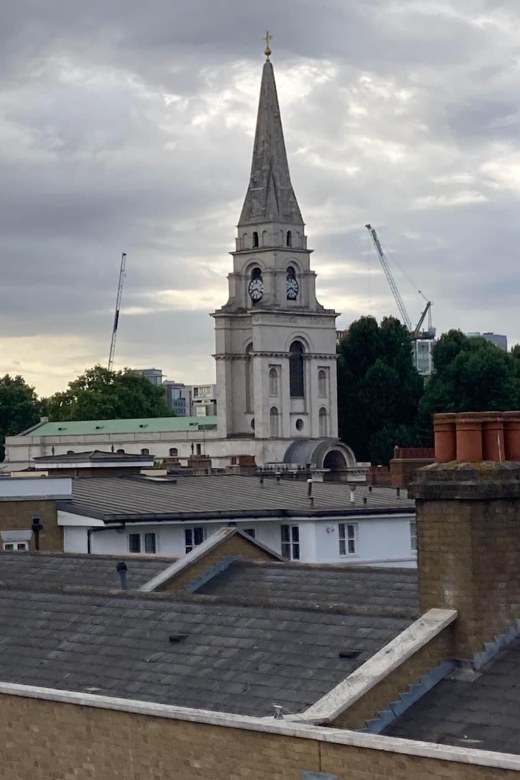
The tour ends with a strong sense of place, with visits to 46 Goulston St and 6 White’s Row. These are the kinds of stops that feel different from “tourist-photo landmarks,” because they’re presented as actual locations tied to the case—where the street itself becomes part of the explanation.
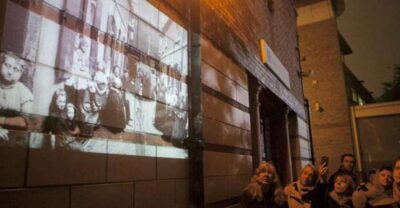
I like how this part of the route focuses on documentation and realism. In the reviews, people mention that José uses documented accounts and accompanying photos, which helps you understand what you’re hearing without it becoming purely speculative.
This section is also ideal if you’re a theory person. The guide invites debate and asks participants to share their ideas. It’s not a shouting match; it’s more like a guided discussion that stays tethered to what’s known and what’s argued.
The best part: interactive Q&A with documented photos
Many tours ask you to listen. This one asks you to participate. You can expect an open, friendly dialogue where questions are not only allowed but encouraged.
Jose’s style seems to combine three things that travel history fans usually want:
- Detailed explanations without getting lost in jargon
- Patience while answering questions
- Supporting visuals (people specifically mention photos alongside the stories)
That combination is a practical win. If you’re trying to understand the “truth behind the myth,” you need more than dramatic storytelling. You need evidence, reasoning, and a guide who can handle pushback without getting defensive.
From the reviews, another strong point is the guide’s ability to keep everyone engaged. He’s described as friendly, patient, and very good at maintaining the story flow while still making time to resolve doubts.
Duration and walking level: a focused 2-hour route
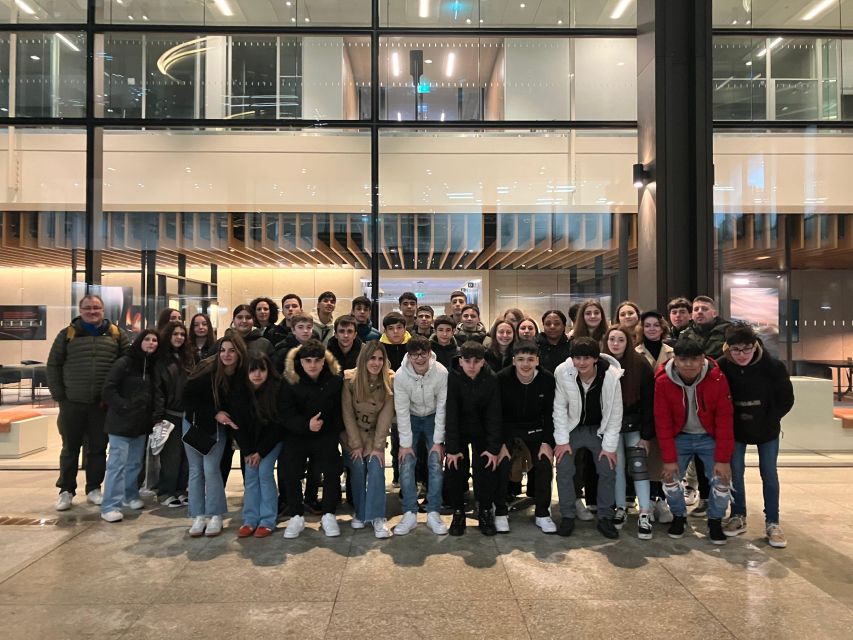
This is a guided walking tour lasting about 2 hours. It’s not billed as a marathon, and one review specifically notes that it doesn’t require too much walking. That’s important in London, where energy can evaporate fast if you’re hopping around the city for long distances.
You’ll be moving between multiple addresses, but the route is structured so you still get breaks through “visit” and “pass by” pacing. Even if you do a short museum day later, you should be able to fit this into your plans without feeling wrecked.
Language note: the tour runs in Spanish. If you speak Spanish well enough to follow a historical discussion, you’ll get the full benefit. If not, consider whether you’re comfortable with a guided conversation rather than a simple script.
What to bring (and what not to bring)
Plan for weather because it’s a walking tour. You’ll want weather-appropriate clothing and shoes that work well on city sidewalks.
Two practical points:
- The tour is Spanish, so bring your listening skills and a willingness to ask questions in your own words.
- Video recording is not allowed, so set your phone accordingly before you start.
If you like taking photos, it’s a good idea to have enough battery and storage. Since video is restricted, a standard photo approach tends to make more sense.
Value for about $21: where the price actually makes sense
At $21 per person for a 2-hour guided walk, the value looks strong, especially compared with tours that only offer general “dark history” vibes. The reason is the guide’s profile and approach: José Oranto is described as an expert authority with recognized credentials and published work.
You’re paying for more than “someone who knows the story.” You’re paying for:
- Real Whitechapel locations connected to the case
- Structured explanations tied to the era’s architecture
- A format that invites questions and debate
- Documented storytelling with photos
Also, the tour is rated 5/5 across a substantial set of reviews (69). A rating that consistent usually signals a smooth experience—good pacing, clear communication, and a guide who can handle group energy.
The bottom line: if you want Jack the Ripper to feel grounded and specific to place, this is the kind of tour where the price feels justified.
Should you book this Jack the Ripper tour in Spanish?
Book it if you want Whitechapel history with real addresses, an award-winning historian, and the chance to ask questions instead of just absorbing facts. It’s especially a good fit if you like discussion, practical storytelling, and a pace that doesn’t feel like an all-day march.
Skip it if Spanish is a barrier for you. Since the tour is in Spanish, you’ll benefit most when you can comfortably follow explanations and join in on the Q&A.
If you’re torn between a casual “tour the sites” option and a more research-minded experience, this one leans toward the latter. And if you enjoy seeing how Victorian streets and buildings support the narrative, you’ll likely find it satisfying.
FAQ
What language is the tour?
The tour is guided in Spanish.
How long is the Jack the Ripper walking tour?
The tour lasts 2 hours.
Where does the tour start?
It starts at St Marys Whitechapel Church Memorial.
Is the tour suitable for wheelchair users?
Yes. The tour is listed as wheelchair accessible.
Can I record video during the tour?
No. Video recording is not allowed.
What should I wear for the tour?
Bring weather-appropriate clothing since it is a walking tour.
Do I get time to ask questions and share theories?
Yes. The guide encourages questions and open discussion throughout the experience.
What is the cancellation and booking flexibility?
You can cancel up to 24 hours in advance for a full refund, and there’s a reserve now and pay later option to keep plans flexible.