REVIEW · LONDON
London: Jack the Ripper Walking Tour with an App
Book on GetYourGuide →Operated by Trippy Tour Guide · Bookable on GetYourGuide
Whitechapel turns into a mystery walk. This Jack the Ripper audio tour uses the Trippy Tour Guide app to point you from pub to passage to square, telling the story as you go. I like that it includes famous names such as Mitre Square and Saint James’s Passage, plus the street-by-street feel of Spitalfields and its markets.
Two things I especially like: you get to set your own pace using the app controls (start, stop, replay, rewind), and there are 40+ narration points tied to specific locations along the route. One possible drawback to keep in mind: the experience depends on phone performance and app/GPS timing, and some language tracks have felt like rough auto-translation for certain people.
If you want a spooky walk without joining a group, this is a smart way to do it. Just go in with a charged phone and a plan for navigating busy streets.
In This Review
- Key highlights worth prioritizing
- How the Trippy Tour Guide app shapes your Jack the Ripper walk
- Starting on Gunthorpe Street: setting the mood before the story heats up
- Brick Lane and the Frying Pan Pub: from everyday life to key story anchor
- Old Mortuary Street and Durward Street: the route narrows into darker details
- Big educational buildings and street entrances: Old Board School, Working Lads Institute, and Wood’s Building
- 29 Hanbury Street and the step-by-step approach through side streets
- Ten Bells Spitalfields Pub and Spitalfields Market: where the story feels lived-in
- Queens Head Pub and Princess Alice Pub: built for the 3-hour rhythm
- Henriques Street, Catherine Eddowes, and the eerie lane feeling
- Saint James’s Passage to Mitre Square: the case peaks at real corners
- The Workhouse and 13 Millers Court: closing the story loop carefully
- Ending at the White Hart Pub: finishing with a real place
- Price and value: does $12 make sense for a 3-hour app tour?
- Who should book this Jack the Ripper app walk
- Should you book this London Jack the Ripper Walking Tour with an App?
- FAQ
- How long is the Jack the Ripper walking tour?
- How much does it cost?
- What’s included in the experience?
- Is there an in-person guide?
- Which languages are available for the audio?
- Does the audio play automatically?
- Can I pause or replay the audio?
- What do I need to bring?
- FAQ
- What if I want to cancel?
- Is there anything I should know about downloading the app?
Key highlights worth prioritizing
- Frying Pan Pub and Ten Bells Spitalfields Pub serve as big story anchors, including the victim last-seen angle
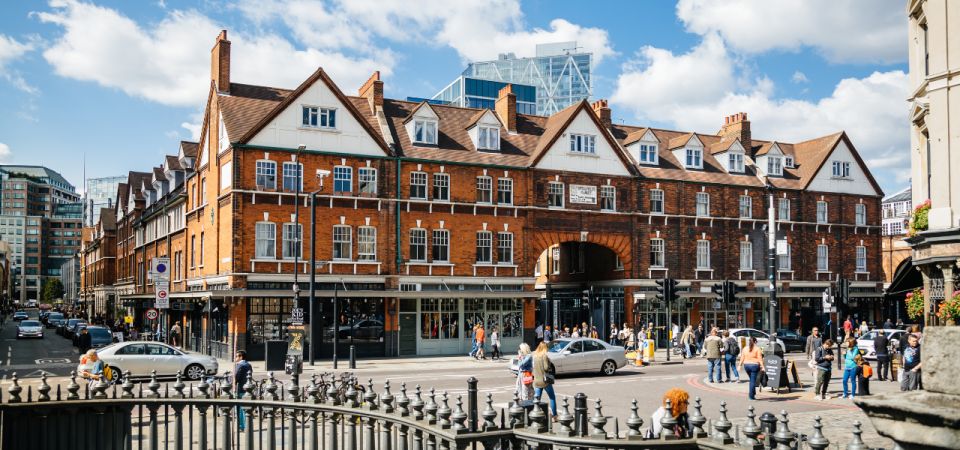
- Spitalfields Market adds real East End texture to the murder-mystery route
- Henriques Street + Saint James’s Passage bring you into the tight, eerie street lanes where key names are linked
- Mitre Square is the “can’t-miss” endpoint-stop for one of the most notorious incidents
- Multiple pub breaks (including Queens Head and Princess Alice) help make the 3-hour walk feel manageable
- Built-in control: audio plays automatically, but you can pause and replay anything you miss
How the Trippy Tour Guide app shapes your Jack the Ripper walk
This tour isn’t a “meet your guide at the curb” experience. You’re using the Trippy Tour Guide app to run the story. That changes the vibe in a good way: you walk when you want, you slow down when the street gets busy, and you can revisit a spot by replaying the narration.
The practical setup is straightforward. You need a charged smartphone and the app downloaded ahead of time, using Wi‑Fi. Once you’re on the route, the audio is designed to play automatically as you reach each narration point. You can still control it—start, stop, replay, or rewind—so you’re not stuck listening at the speed of the person in front of you.
The trade-off is that you’re relying on your phone and the app’s location timing. Some people report slower GPS reaction, which can be frustrating if you like your cues to hit exactly on time. My advice: keep your screen visible, don’t shove your phone in your pocket, and give yourself a little buffer time at intersections and crowded sections like Brick Lane and market streets.
You can also read our reviews of more walking tours in London



Starting on Gunthorpe Street: setting the mood before the story heats up
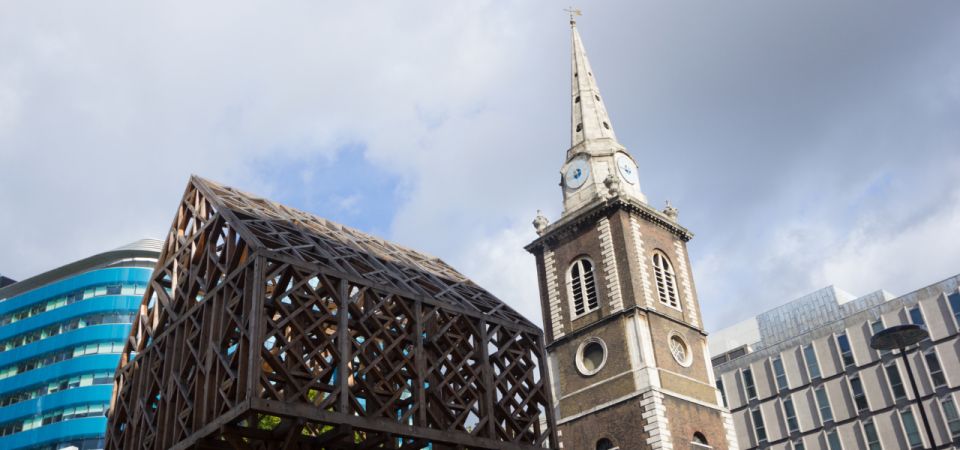
The walk begins on Gunthorpe Street, described as a quiet start. That’s a smart design choice for an audio tour. It lets you settle into the narrative rhythm before you’re thrown into busier lanes.
From there, you transition to Flower and Dean Walk and Osborn Street, where the app’s story focuses on old houses that used to be there. Even if you’re not a London architecture detective, these early streets help you understand the “how could this happen here” feeling—compact streets, close building fronts, and the kind of everyday 19th-century street life that made crimes harder to spot in the moment.
If you’re hoping for jump-scare theatrics, don’t. What makes the opening work is scale and sequence: the tour uses ordinary streets and then adds story context so the area feels like a map of linked events rather than random landmarks.
Brick Lane and the Frying Pan Pub: from everyday life to key story anchor
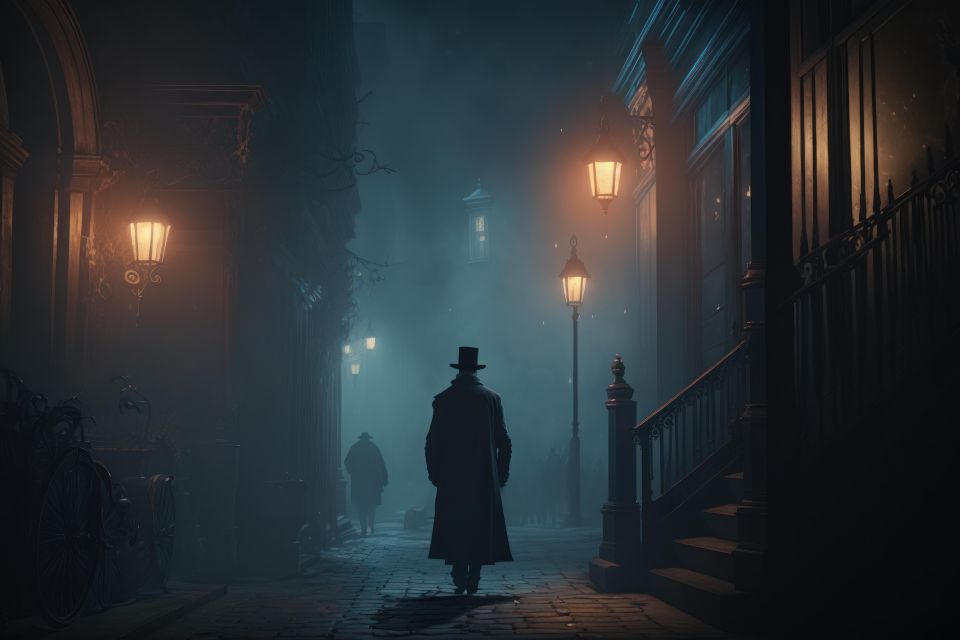
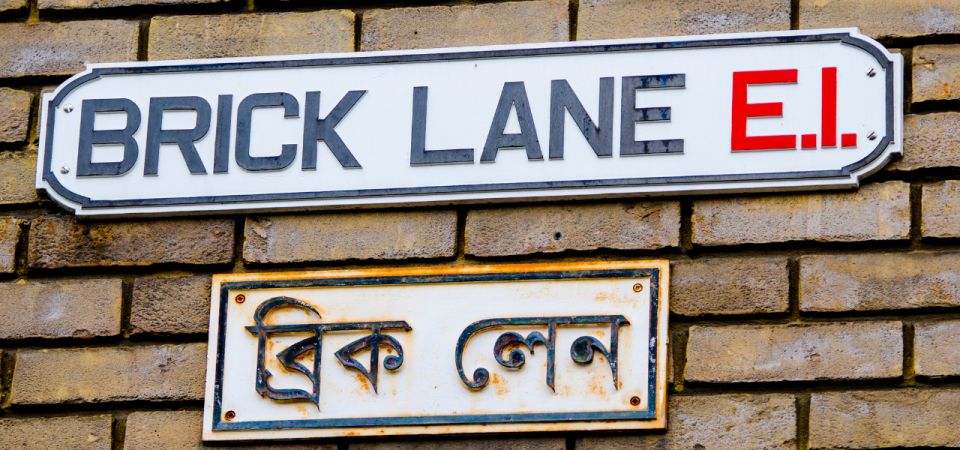
Next comes Brick Lane, called busy even back then. This matters because East End streets weren’t quiet museum corridors. They were active, crowded, and filled with noise and movement—exactly the conditions where a mystery becomes believable.
Then you hit Frying Pan Pub. The tour frames this place as an important stop in the case—specifically tied to the victim last-seen storyline angle. Even without going heavy on gore (the tour is an audio narration, not a graphic retelling), adding a real pub to the route helps you picture the human side of the story: ordinary routines, social stops, and how easy it was for people to pass through the same places.
A small practical bonus: pubs are where people can step inside, get out of the cold or rain, and reset their phone battery. One review specifically noted that the app can draw a fair bit of energy, and pub stops can make recharging easier. If you’re doing this in cooler months, that comfort factor can be worth more than people expect.
Old Mortuary Street and Durward Street: the route narrows into darker details
After Brick Lane and the pub stop, the app guides you toward Old Mortuary Street and Durward Street. Street names alone set expectations, but the value here is how the narration turns those labels into a timeline you can follow.
This part of the walk is where the experience shifts from “famous case names” to “street-level scenes.” You’re moving through the maze of East End streets that feel less like a straight line and more like a chain of clues. For an app-based tour, that’s exactly what you want. It keeps you attentive and stops the story from feeling like a checklist of points.
If you’re sensitive to repetitive sections, note this: one review said there are too many stops where some directions feel repetitive and only about pointing the way. So here’s the best workaround—pause the audio when you need to orient yourself, then restart when you’re walking again. You control the pacing, which keeps the route from feeling like it’s dragging you.
Big educational buildings and street entrances: Old Board School, Working Lads Institute, and Wood’s Building
The tour then points you to Old Board School, Working Lads Institute, and the Wood’s Building entrance. These aren’t just decorative stops. They add context about how the neighborhood functioned—work, education, and social systems that were part of daily life, long before the modern tourist gaze.
This is also a good section for slow listening. Audio tours can feel like you’re reading while walking, but narration tied to these kinds of buildings works better because it gives you something structural to hold in your head: who used these spaces, what the area was for, and why the streets mattered.
One caution from the feedback you should take seriously: some people found certain narration text to be AI-generated and included pointless sentences, and some street or place names were translated in ways that made them harder to recognize. If you notice that happening with your language track, switch to English or try another language option if the app provides it during playback.
You can also read our reviews of more tours and experiences in London






29 Hanbury Street and the step-by-step approach through side streets
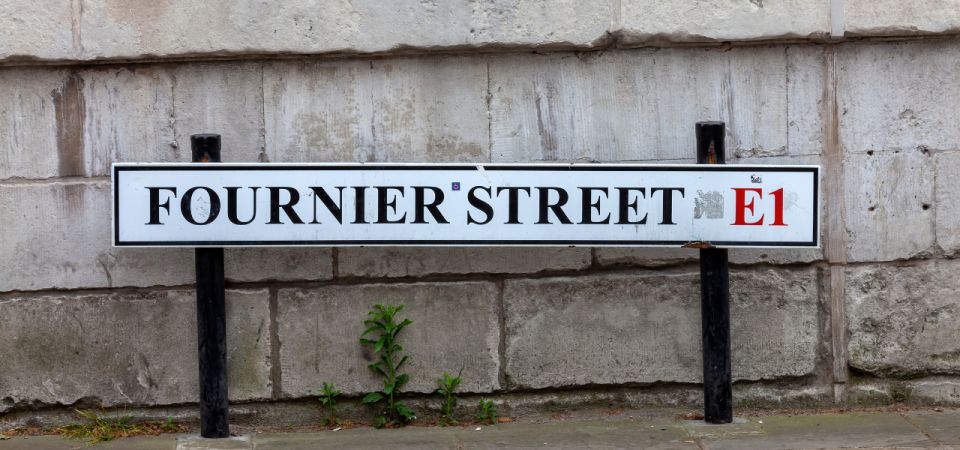
The route continues to 29 Hanbury Street, then moves via Wilkes Street and Fournier Street. This is classic Jack the Ripper walking tour territory: a case that lives in a patchwork of side streets rather than one central boulevard.
For you, the key benefit is navigation clarity. The tour includes detailed directions to well-known and hidden spots, and the sequence here keeps you from feeling lost in a neighborhood that can look chaotic from the outside. If GPS is slow for you, rely on the streets themselves: follow signs and street geometry, then let the narration catch up when you’re near the correct spot.
This is also where you should decide how you’ll handle the “stop-and-listen” moments. If you want the story to flow without interruptions, keep your headphones in and plan for a short walk between narration points. If you prefer to read the street scene first, pause and then replay the audio once you’re ready.
Ten Bells Spitalfields Pub and Spitalfields Market: where the story feels lived-in
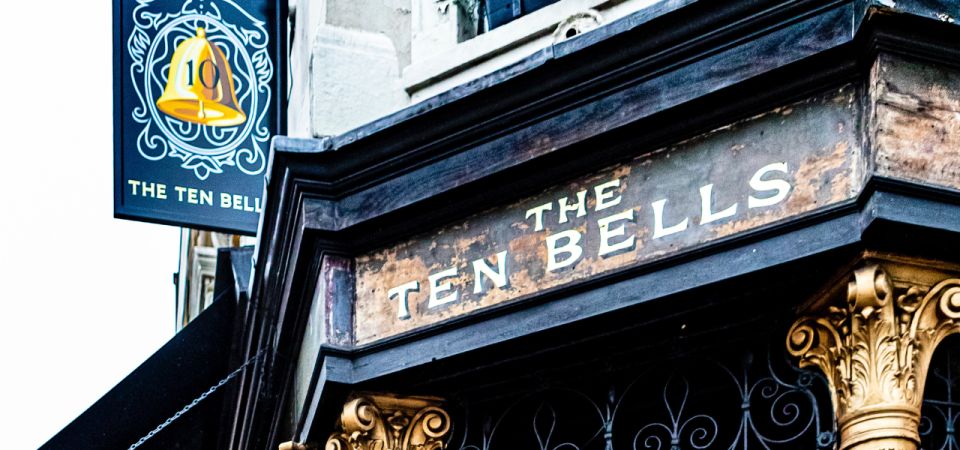
You’ll reach Ten Bells Spitalfields Pub, described as very old, and then you’ll pass through Spitalfields Market. This section is one of the best uses of the East End setting because it adds atmosphere that you can actually feel while you’re there.
Spitalfields Market especially changes the experience from “story on a screen” into “story in a place.” The tour’s goal isn’t just to name-check locations—it’s to give you the sense of a working neighborhood where people shopped, gathered, and moved through the same public spaces day after day.
If you’re visiting during busy hours, expect crowds. Brick Lane and market streets can get loud and packed, so plan to keep your volume reasonable. A review noted that traffic is heavy enough that headphones help you enjoy the audio fully—so bring them rather than relying on speaker sound.
Queens Head Pub and Princess Alice Pub: built for the 3-hour rhythm
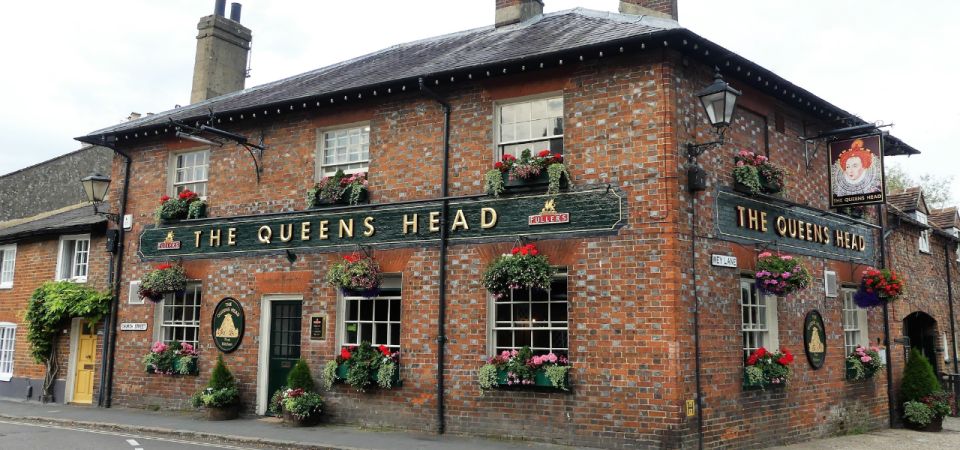
Next, the tour takes breaks at Queens Head Pub and Princess Alice Pub. These stops help in two ways.
First, they break up the walking so the full route stays comfortable. At 3 hours, that’s a long stretch if you’re not used to city walking, especially on uneven sidewalks and through busy streets.
Second, they’re practical charging points in real-world terms. The app runs on your phone battery, and more than one person highlighted that energy use can be noticeable. Even if you only take a quick pause, being near a pub can be the difference between finishing happily and hunting for a power outlet at the end.
Henriques Street, Catherine Eddowes, and the eerie lane feeling
One highlight is Henriques Street, where the tour tells you about Catherine Eddowes. This part works because the street narrative connects the “big case name” to a specific physical lane. Even if you know only the basics, Henriques Street adds a grounded feeling: the story stops being an abstract legend and becomes a route you can picture.
When you walk a street like this with audio running, you start to notice details you’d normally skip—turns, narrowness, sightlines, and how people would have moved through the space. That’s the value of an app tour done well: it turns your route into a guided attention exercise.
Saint James’s Passage to Mitre Square: the case peaks at real corners
Then you move through Saint James’s Passage and on to Mitre Square. The tour treats Saint James’s Passage as a distinct Ripper locale, and Mitre Square as a notorious incident site. Together, these stops make a strong narrative arc—one tight lane leading to a more open, iconic square.
If you like your mysteries with structure, this is the part to pay attention to. You’re moving from a more hidden-feeling street into a place that has become a headline through repetition over time. Audio tours do this well: they help you feel the transition from “this could be anywhere” to “this is the spot everyone talks about.”
The Workhouse and 13 Millers Court: closing the story loop carefully
After Mitre Square, the route goes to The Workhouse, described as an old poorhouse. Then it stops at 13 Millers Court, linked to Mary Jane Kelly. These last story anchors are where the tour’s tone can feel heavier, because the narration is tied to hardship and tragedy rather than just famous street corners.
What makes these stops valuable is the way they broaden the case beyond one night. Workhouse-related context helps you understand why the East End story wasn’t only about violence—it was about systems, poverty, and how fragile ordinary life could be.
The practical side: stick with your phone battery here, because you want the narration running cleanly at the end. If your GPS is jittery, slow down near the target addresses and let the audio catch up rather than rushing through.
Ending at the White Hart Pub: finishing with a real place
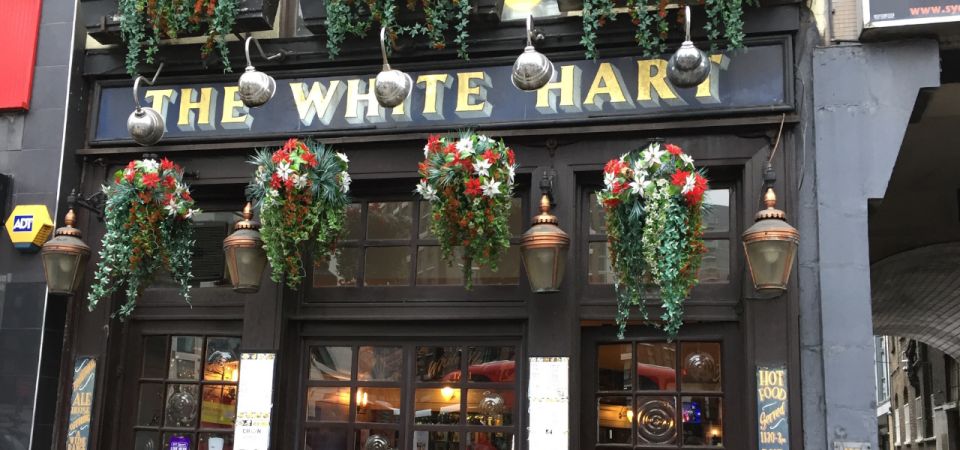
The tour ends at the White Hart Pub, framed as a location full of secrets. Ending in a pub makes sense because it gives you a calm landing. You’ve been walking and listening for about 3 hours; finishing at a place designed for sitting and staying is a good match.
If you’re planning dinner or a last drink nearby, this is a helpful time to do it. Rather than scrambling to find a restaurant right after your last narration point, you can pause, warm up, and decide what you want to do next.
Price and value: does $12 make sense for a 3-hour app tour?
At $12 per person for about 3 hours, this is positioned as a budget-friendly way to cover a long route. The value comes from a few specific things you actually get for the money:
- App access to the Trippy Tour Guide audio experience
- 40+ narration points tied to locations across the East End
- Detailed directions that aim to keep you on track for both well-known sites and smaller street stops
What you don’t get is an in-person guide or any entry fees. That keeps the cost down, but it also means you’re responsible for your own navigation and phone setup. If you like self-guided experiences and you’re comfortable using a smartphone, $12 feels fair. If you prefer a live human to answer questions and correct GPS confusion, you may wish you had a guided alternative.
The review feedback adds one more angle: some people loved the app experience and said it worked perfectly, while others ran into translation weirdness or slow GPS response. So the “value” depends partly on whether the app behavior is smooth for your device and language choice.
Who should book this Jack the Ripper app walk
This tour is a good fit if you want:
- a self-paced walking route with audio that you can replay
- a focused way to see key East End locations like Mitre Square, Saint James’s Passage, and Spitalfields Market
- a story route that uses real public places (pubs and streets) rather than just standing at plaques
You might skip it if:
- you strongly dislike auto-play audio or are easily distracted in crowded areas
- your phone battery doesn’t hold up well (because the app can be energy-hungry)
- you’re worried about translation quality and prefer a single, consistent language narration style
Should you book this London Jack the Ripper Walking Tour with an App?
I’d book it if you’re excited by the idea of walking the East End as a linked mystery map—especially if you appreciate app control and don’t mind relying on your phone for timing. The best part of this experience is how it combines 40+ location-based narration points with recognizable stops like Mitre Square, plus real-feeling neighborhood anchors like Spitalfields Market and multiple pub breaks.
I’d hesitate if GPS timing and translation quality are deal-breakers for you. If you try it, do the prep: download over Wi‑Fi, bring a charged phone, and use headphones so the story stays clear amid the noise.
If you want my simple takeaway: for $12 and a 3-hour route, this is a smart way to explore the Jack the Ripper landscape at your own pace—just treat the phone as part of the tour, not an optional extra.
FAQ
How long is the Jack the Ripper walking tour?
It takes about 3 hours.
How much does it cost?
The price is $12 per person.
What’s included in the experience?
You get access to the London Jack the Ripper walking tour on the Trippy Tour Guide app, including 40+ narration points and detailed directions.
Is there an in-person guide?
No, there is no in-person guide included.
Which languages are available for the audio?
Audio is available in English, German, French, Spanish, Chinese, and Italian.
Does the audio play automatically?
Yes, the stories play automatically as you go along the route.
Can I pause or replay the audio?
Yes. You can start, stop, replay, or rewind the audio whenever you like.
What do I need to bring?
Bring a charged smartphone and make sure the app is downloaded.
FAQ
What if I want to cancel?
Free cancellation is available up to 24 hours in advance for a full refund.
Is there anything I should know about downloading the app?
All visitors must install the app and download the tour using Wi‑Fi.