REVIEW · LONDON
London: Music walking tour of Soho
Book on GetYourGuide →Operated by Walking Music Tour of London's Soho · Bookable on GetYourGuide
Soho is one long song. This London music walking tour of Soho strings together street-corner stories, studio lore, and photo stops that make the neighborhood feel like a living timeline. You start in the theater district, then move step by step through the places tied to the British rock-and-pop eras that shaped modern music.
I love how tightly the route packs in the names you expect and a few surprises, especially around Denmark Street. I also like that the guide style is personal and story-driven, with many departures led by a music-industry insider such as Evren/Everan (and sometimes Edward), not just a person reading a script.
One consideration: this tour is not suitable for children under 11, so plan accordingly if you’re traveling with younger kids.
In This Review
- Key things to know before you go
- Why Soho’s music past feels close-up
- Dominion Theatre start: easy to find, good energy
- Denmark Street: the “how did so many artists fit here?” stop
- Sex Pistols and Lennon: street-level stories, not trivia
- Elton John’s early job and Hendrix in 1967
- Soho Square: the pop-business side you don’t expect
- Soho Lofts, Reckless Records area, and Trident Studios’ former site
- Bowie and the Beatles: what “recorded here” really means
- The Dog and Duck: a 1734 pub finish that feels like closure
- Price and value: is $33 a good deal for 2 hours?
- Tips to make the walk easier and more fun
- Should you book the London Soho Music Walking Tour?
- FAQ
- Where does the tour meet?
- How long is the London Soho music walking tour?
- What is included in the price?
- Is food or drink included?
- Is the tour wheelchair accessible?
- What languages is the tour guide available in?
- Is the tour suitable for children?
Key things to know before you go
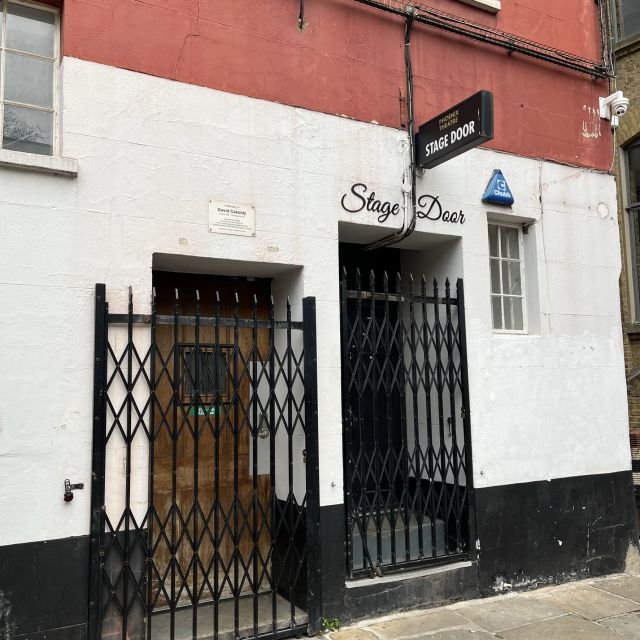
- Meet outside the Dominion Theatre at Tottenham Court Road station and start on time for the 2-hour walk.
- Denmark Street gets prime time, with a focused stop that’s all about Soho’s music gravity.
- You’ll hit landmark story points tied to the Sex Pistols, Elton John, Jimi Hendrix, and more.
- Soho Square and the surrounding blocks connect the pop-business side to the creative side.
- Finish at The Dog and Duck, an old pub first built in 1734, for a relaxed wrap-up.
Why Soho’s music past feels close-up
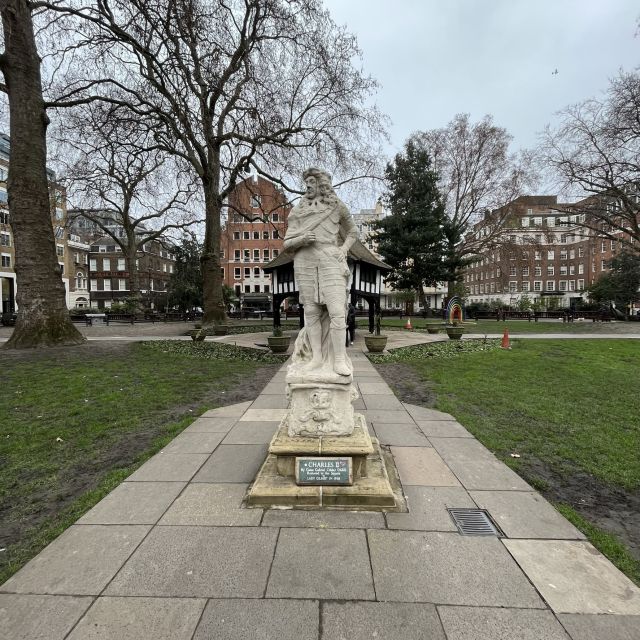
Soho has always been good at cramming big culture into a small space. In just two hours, you’ll walk past the kind of addresses that, on paper, look ordinary. On this tour, they turn into “how it started” and “where it changed” moments.
What makes this experience click is the way it links people to places. You don’t just hear that famous artists came through London. You hear how the neighborhood supported writing, gigs, recordings, and early jobs, then how those connections snowballed into worldwide careers. That’s why stops like the ones tied to the Beatles, David Bowie, and Jimi Hendrix land with weight.
It’s also a great format if you like music history but don’t want museum pacing. You’re outside, on the streets, with frequent short photo opportunities. Your feet do the walking, and the guide supplies the context so the buildings feel like characters, not background.
You can also read our reviews of more walking tours in London


Dominion Theatre start: easy to find, good energy
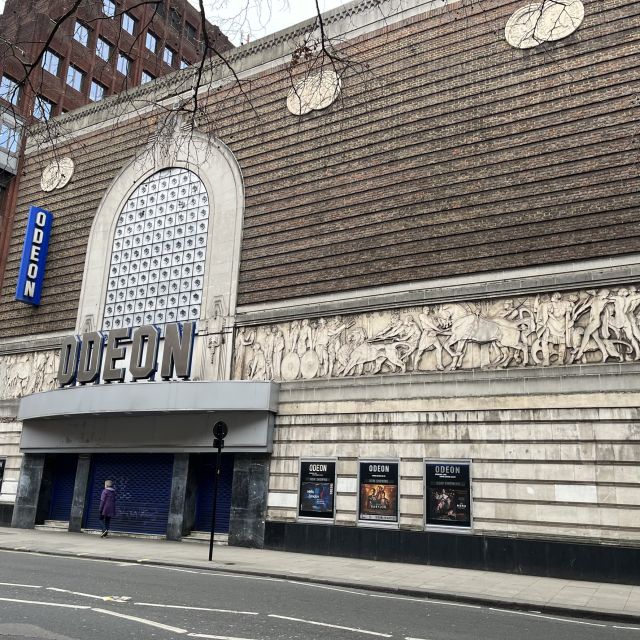
You’ll meet outside the main entrance of the Dominion Theatre, near Tottenham Court Road Underground. It’s a practical meeting spot because it’s central and easy to spot once you’re in the area. Starting here also keeps the tour’s tone grounded: this isn’t a “ride past famous places” day. It’s a streets-first story walk.
From there, the tour moves in a steady rhythm: short viewpoint moments, then guided explanations, then another quick photo stop. A lot of the time you’ll be standing on corners and looking at the neighborhood through a “music lens,” which is part of the fun. You’ll get just enough detail at each stop to make the next block interesting, not repetitive.
The tour runs about 2 hours, so plan it like a compact evening—or a solid morning block—rather than a full day activity. Comfortable walking shoes matter. You’ll be on your feet for most of the experience, and you’ll get the most out of it if you’re ready to look up, not just forward.
Denmark Street: the “how did so many artists fit here?” stop
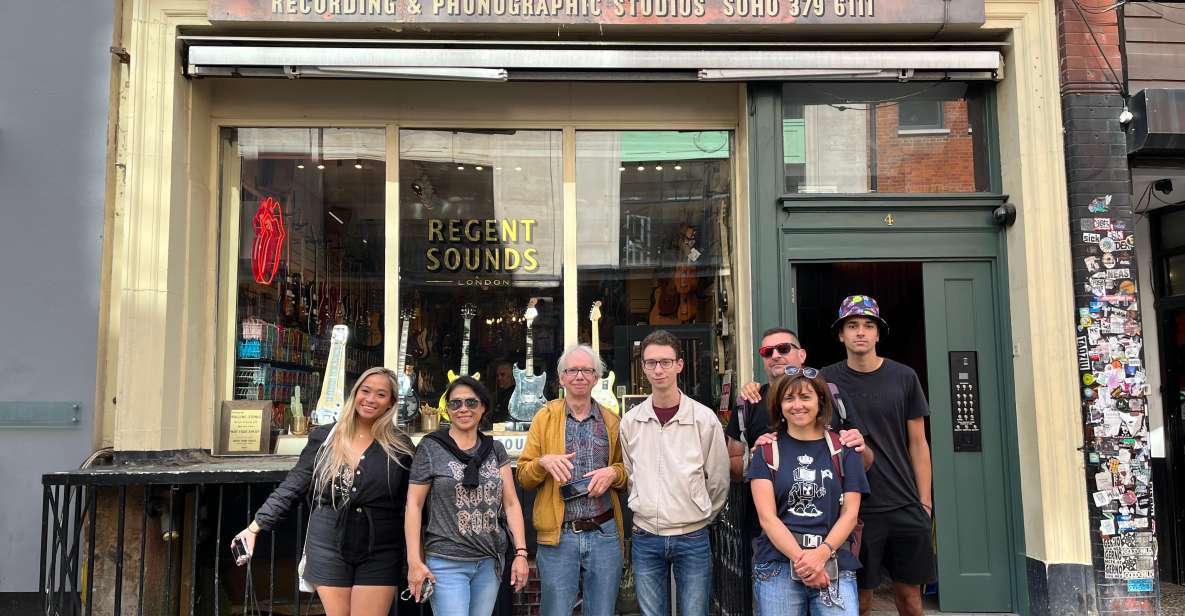
Denmark Street is where the tour earns its reputation. This strip is famous for being one of the UK’s most music-dense streets, and you feel that right away when your guide frames it as an engine for bands and industry people.
On this stop, you get time for both photos and a guided explanation, which is exactly what you need here. Denmark Street is the kind of place where a quick glance doesn’t tell the story. But with the right context—who worked there, what it supported, why it mattered—the street starts to feel like a clue trail.
You should also expect that the tour treats Denmark Street as more than a name on a map. It becomes a gateway to the broader Soho theme: the area’s role in early rock-and-pop culture. If you came hoping for Beatles-adjacent locations, Bowie angles, or the raw beginnings of major acts, this is one of your first “oh wow, that’s the thread” moments.
Sex Pistols and Lennon: street-level stories, not trivia
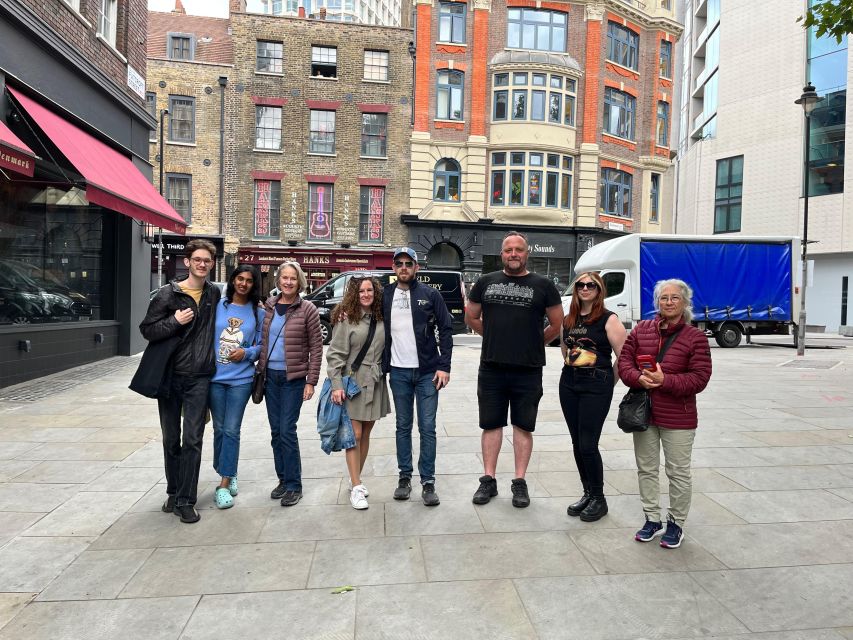
As the walk continues, you’ll move through corners where the tour’s tone shifts from “famous people” to “how the scene actually worked.” The guide includes stories tied to the Sex Pistols, plus details about John Lennon and a famous comedy routine.
This is where the tour becomes more than an artists list. It explains Soho as a stage for experimentation and a magnet for outsiders. Even if you’re not a hardcore punk-history person, the narrative makes the street feel like it had a personality, not just a calendar of celebrities.
You’ll also get viewpoint moments designed for quick framing. Think of these stops as the tour’s method for getting you to slow down and look at context: entrances, nearby lanes, and the general layout that made it easy for people to bump into each other. It’s a good reminder that scenes are built by movement and proximity.
Elton John’s early job and Hendrix in 1967
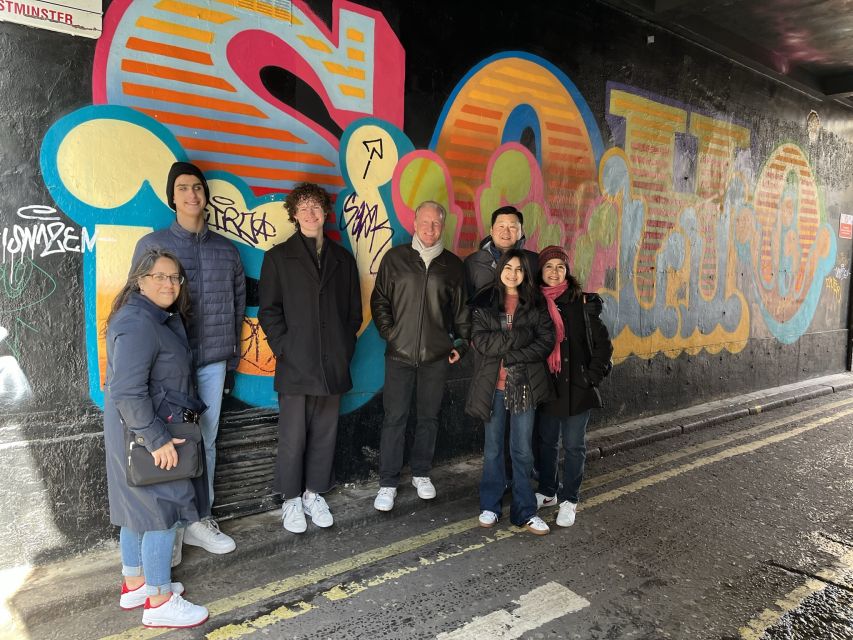
Two of the tour’s most memorable story angles revolve around early opportunities. You’ll hear about where Elton John got his first job as a tea boy, which reframes the “overnight success” myth. It’s a reminder that big careers often begin with small gigs and ordinary workdays.
Then comes one of the tour’s headline moments: a venue connected to Brian Epstein—Beatles manager—where the guide describes Jimi Hendrix’s 1967 appearance. Even if you know Hendrix’s legend already, hearing that story anchored to a specific Soho location makes it feel sharper. It turns a famous date into a street memory you can almost picture.
This segment is also where the guide’s approach shines. The tour doesn’t just say the artist was there. It connects the presence to how Soho helped the scene take off—through promoters, managers, and venues that were willing to book bold names.




Soho Square: the pop-business side you don’t expect
Soho Square is the kind of place you can walk past quickly in real life. On the tour, it becomes a key waypoint because it connects the artistic world to the business world.
You’ll stop and take photos, then learn where Paul McCartney’s business headquarters were. That detail matters because it tells you something most casual sightseeing misses: music isn’t only about studios and stage lights. It’s also about offices, decisions, and the machinery that turns talent into releases and tours.
This stop also ties into pop culture beyond the 60s and 70s. The guide includes where an Oasis album cover was taken, which widens the arc of the tour beyond early rock. It’s a smart move. It keeps Soho’s story from feeling frozen in time, and it helps you see why the neighborhood still echoes in later decades.
Soho Lofts, Reckless Records area, and Trident Studios’ former site
The route then shifts into “follow the breadcrumbs” mode. You’ll visit stops connected to Soho Lofts, plus a stop at Reckless Records. The tour also points out a nearby coffee bar described as a place where British rock and roll began.
These are the kinds of stops that reward attention. The buildings and storefronts are part of daily London life, which means they can look generic until you understand what happened there. The guided story gives you a reason to notice details you’d otherwise ignore: proximity, timing, and the way music people built routines.
Finally, you’ll hear about the former site of Trident Studios. This kind of location can be a little tricky to experience because studios are not always standing exactly as they were. Still, the tour treats the site as meaningful because it connects you to the recording-era side of Soho, where sound got shaped before it hit radios and living rooms.
Bowie and the Beatles: what “recorded here” really means
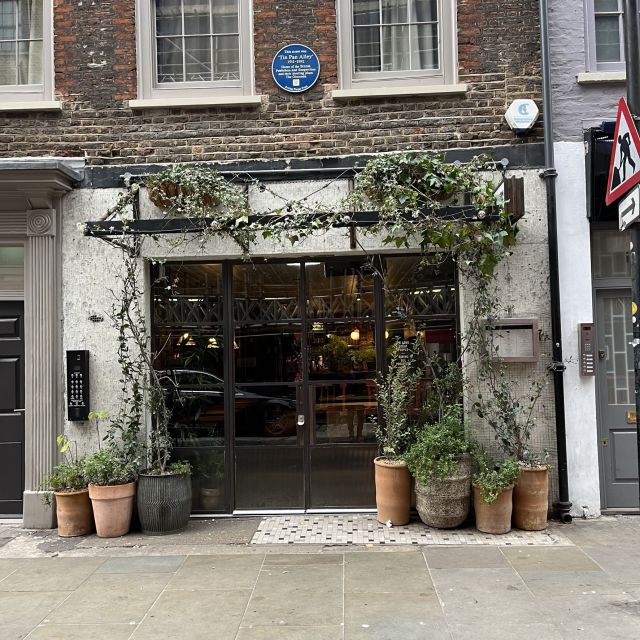
Near the later part of the walk, the tour leans hard into recording history. You’ll visit the studio area described as the place where David Bowie recorded, and you’ll also hear about where the Beatles recorded their first release on Apple records.
For a lot of music fans, these claims are the payoff. But the tour improves the experience by explaining why the recording angle belongs in a street walk. Studios aren’t just rooms. They’re hubs for people, schedules, production choices, and risk-taking.
So when you reach these stops, you should take a second to picture the workflow: artists arriving, sessions getting scheduled, engineers setting up, and music decisions happening in a very specific London setting. It makes the city feel smaller and the music feel closer to the real world.
This is also where your guide’s storytelling style matters. The reviews you’ll see for this tour repeatedly point to guides like Evren/Everan and sometimes Edward for their personal anecdotes and strong passion for the connections they’re making. That energy usually translates into better focus, because you’ll start asking yourself questions like, what was different about Soho that could attract people like these?
The Dog and Duck: a 1734 pub finish that feels like closure
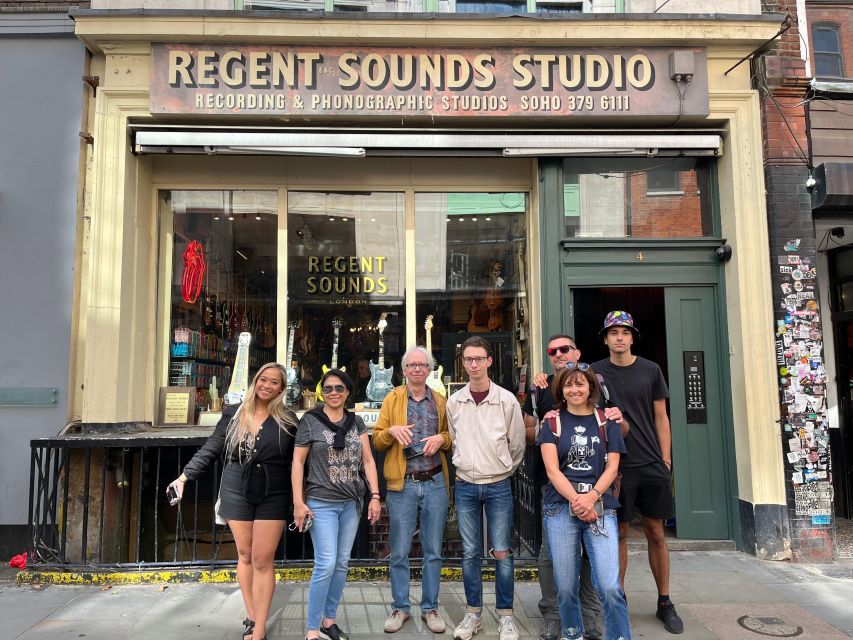
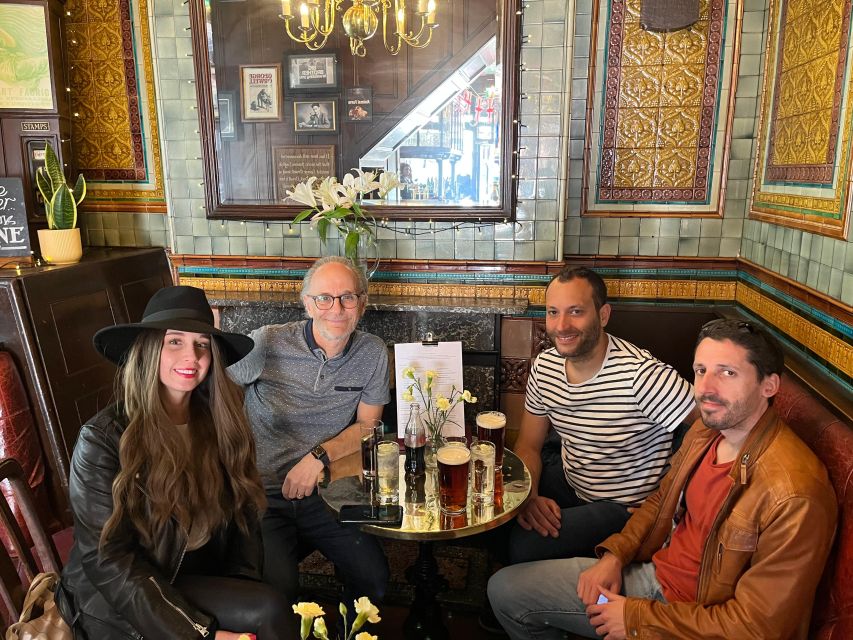
The tour finishes at The Dog and Duck, an historic English pub first built in 1734. This ending is a smart design choice. After two hours of walking and standing, you get a chance to slow down, compare favorite stories, and ask follow-up questions.
The tour includes a finish at the pub, and the tour format allows for time that’s described as beer/spirits and also beer/coffee/spirits. Even though drinks aren’t the same thing as food, it’s a solid chance to buy something and keep the music conversation going at street level.
What I like most about the pub finish is the social tone. It’s not a final “walk away” moment. It’s the transition from facts to a looser, more human wrap-up—especially because the guide includes personal stories from involvement in the music business (as described in multiple accounts of the tour).
Price and value: is $33 a good deal for 2 hours?
At $33 per person for a roughly 2-hour walking tour, you’re paying for more than sightseeing. You’re paying for a guided chain of connections that turns Soho’s streets into a narrative about music-making and music industry beginnings.
If you usually spend time in London doing “stand here and take a photo” activities, this feels better because the photo stops are paired with a story purpose. And the pub finish at The Dog and Duck adds value because it turns the tour into a complete block, not just a drop-off and goodbye.
One more value note: you’re not locked into indoor listening. You’re walking through an area you can actually explore on your own afterward. That matters because it makes your sightseeing feel more confident. You leave with addresses in your mind, not just random facts.
Tips to make the walk easier and more fun
- Wear shoes you don’t mind for two hours of walking and standing at corners.
- Bring a camera or phone and be ready for frequent photo stops, not just one big one.
- If you love specific artists, keep track of which stop mentions them, then ask a question at the pub.
- If you’re using the Underground, plan to arrive at Tottenham Court Road a bit early so you can find the Dominion Theatre entrance fast.
Also, if you’re traveling with mobility needs, the tour is listed as wheelchair accessible. That’s worth checking in advance with any tour provider, but it’s a good sign that they plan the route with access in mind.
Should you book the London Soho Music Walking Tour?
I’d book this if you love music history and want it delivered where it actually happened. The combination of Soho street locations, recording-era stops tied to the Beatles and Bowie, and the punk-to-pop range (including Sex Pistols and Lennon references) makes the walk feel like more than one era glued together.
I wouldn’t book it if your group needs a guaranteed kid-friendly format. It’s explicitly not suitable for children under 11, and the content is built for music fans, not short attention spans.
If you want an efficient, well-paced, city-walk way to connect Denmark Street, Soho Square, and the wider Soho music story into one afternoon, this $33 tour is an easy yes.
FAQ
Where does the tour meet?
Meet outside the main entrance to the Dominion Theatre.
How long is the London Soho music walking tour?
The tour duration is 2 hours.
What is included in the price?
You get a fully guided music walking tour, great photo opportunities, and the tour finishes in an historic pub first built in 1734.
Is food or drink included?
Food and drinks are not included.
Is the tour wheelchair accessible?
Yes, the tour is listed as wheelchair accessible.
What languages is the tour guide available in?
The live tour guide speaks English.
Is the tour suitable for children?
It is not suitable for children under 11 years old.