REVIEW · LONDON
Secret Old London Walking Tour
Book on GetYourGuide →Operated by Fun London Tours · Bookable on GetYourGuide
London hides its bloodiest stories in daylight. This Secret Old London Walking Tour threads together grim medieval sites with peaceful-looking stone and gardens, and it does it with serious showmanship around places like St Bartholomew the Great.
Two things I especially like: you get to stand where major events actually happened (not just read about them), and the guide work is consistently described as lively, funny, and thorough, with names like Rosie, Jess, Pepe, and Jeremy coming up again and again. One drawback to plan for: the subject matter can feel graphic—executions and the Black Death are part of the story—plus there are no refreshments on the walk.
In This Review
- What You’ll Notice First on This Walk
- From Barbican to Charterhouse Square: the Black Death backdrop
- Smithfield: executions, jousts, and the feeling of terror
- St Bartholomew the Great: standing in a medieval churchyard
- Blitz scars: the bombed-out church shell and a memorial for sacrifice
- Finding the Roman amphitheatre perimeter in a modern City
- Price and pacing: why $26 feels fair for 1.5 hours
- Who this tour suits best (and who should skip it)
- Should you book Secret Old London Walking Tour?
- FAQ
- Where does the tour start?
- How long is the Secret Old London Walking Tour?
- What’s included in the price?
- Is the tour suitable for families or teens?
- What should I bring and wear?
- Are there any rules about pets, luggage, or recording?
- Is the tour wheelchair accessible?
What You’ll Notice First on This Walk
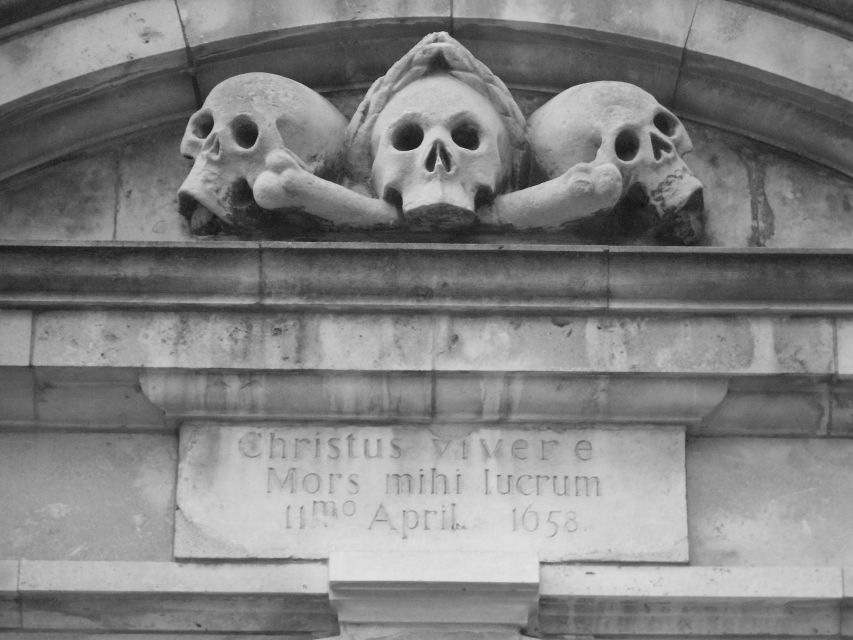
- Barbican start, City of London feel: you begin outside Barbican Underground and quickly slip into streets that still feel older than the skyline.
- Charterhouse Square and the Black Death: a tranquil square with a dark backstory about the 600-years-ago plague.
- Smithfield execution ground: the tour helps you picture public punishment, including references to William Wallace.
- St Bartholomew the Great’s movie-ready mood: a major medieval church used in film and TV, right in the middle of everyday London.
- A Blitz church shell: you actually stand near WWII destruction, not just a plaque.
- Roman amphitheatre perimeter: you end with a sense of Londinium layered under medieval London.
From Barbican to Charterhouse Square: the Black Death backdrop
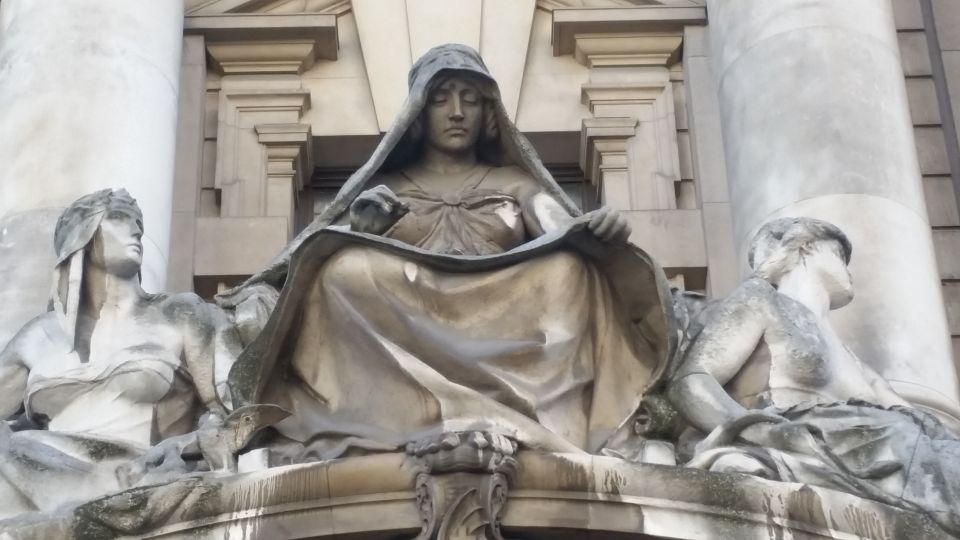
The tour kicks off outside Barbican Underground Station, and that’s a good thing. You’re starting on a modern landmark, then stepping into an area that still carries the medieval and Tudor scars underfoot. In about 1.5 hours, you cover enough ground to feel like you changed neighborhoods, even though you’re still in Central London.
Your first big stop is Charterhouse Square, which feels calm today. That contrast is the whole point. Six hundred years ago, this area served as a dumping ground during the Black Death, and the guide’s job is to make that grim reality click. When you hear it while standing in the open space, it stops being a textbook fact and becomes a place-specific story. You start to notice how London’s quiet corners often have a brutal past.
Practical note: this section is a walk through streets that can feel close and enclosed. If you’re sensitive to heavy topics, you’ll want to mentally pace yourself here. But if you like history with context—why people feared crowds, disease, and public spectacles—this part lands hard.
You can also read our reviews of more walking tours in London



Smithfield: executions, jousts, and the feeling of terror
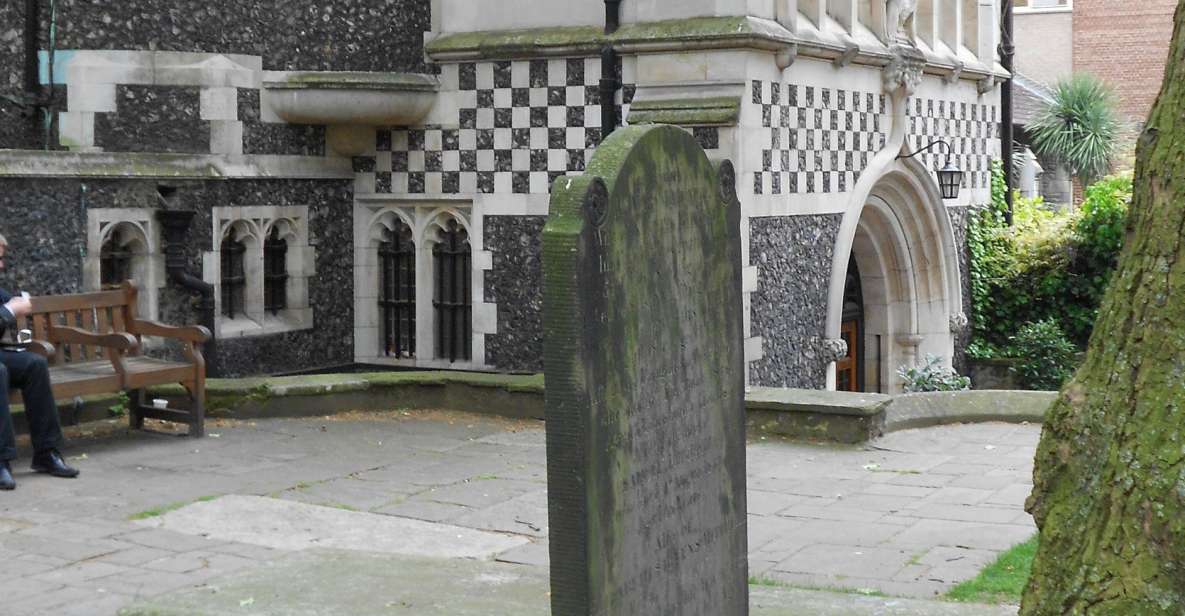
Next up is Smithfield, an open space with a double identity: medieval sporting events (jousts) and medieval punishment. The tour frames it as one of London’s principal execution sites, and it brings up figures like William Wallace (the same story line fans remember from Braveheart).
Here’s what you’ll love if you’re into atmosphere: the guide doesn’t just recite dates. The tour focuses on place and human emotion—what it meant for crowds to gather, what it meant to be condemned, and how terrifying public execution was in a city before modern policing and prisons. Even if you’ve seen execution-site history in museums, this is different because you’re standing where crowds once moved.
Balance check: this isn’t a fluffy “London spooky walk.” It’s designed for people who can handle grim subject matter and want the darker layers of the City of London. If that’s not your vibe, treat this tour as a historical study of public power and public fear, not entertainment.
St Bartholomew the Great: standing in a medieval churchyard
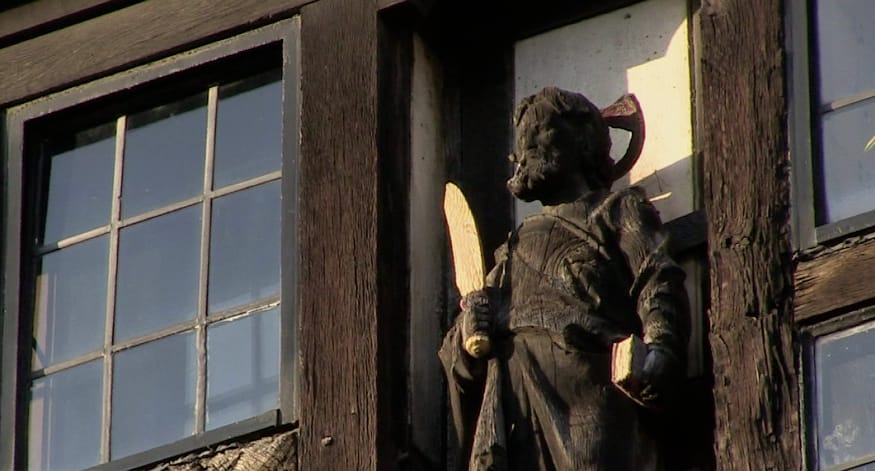
Between the Black Death backdrop and the Smithfield spectacle sits St Bartholomew the Great—and the tour makes you appreciate why medieval churches were more than religious buildings. They were community anchors, records of families, and public spaces people passed through for generations.
You’ll also get a little extra pop-culture context. The church has appeared in media like Four Weddings and a Funeral and Sherlock Holmes, which helps you locate it quickly if you’ve seen those titles. The real win, though, is the physical feel of it: stone, scale, and that medieval churchyard atmosphere that’s hard to fake with photographs.
The tour uses this stop as a pivot. You go from crowds and calamity to something more enduring and slower. That shift matters because it prevents the walk from feeling like a single-note horror story. It becomes a layered picture of London—gathering places, sacred spaces, and the everyday routes that linked them all.
If you’re the type who likes to understand how buildings shaped behavior, this church is worth extra time during the stop. Watch how people move, where light hits the stone, and how close modern streets press in. That tension—old purpose next to new life—is the point.
Blitz scars: the bombed-out church shell and a memorial for sacrifice
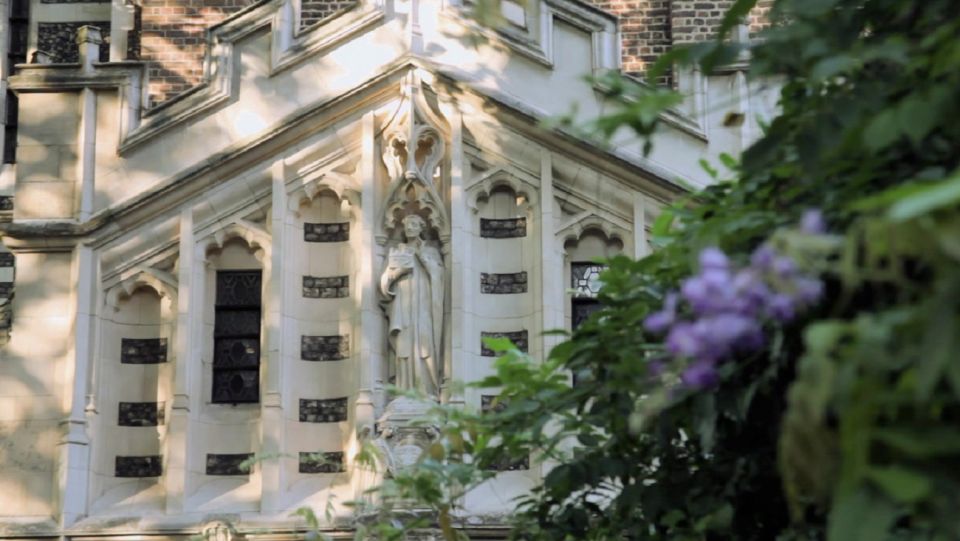
As the route continues, you’ll pass the shell of a church destroyed in the Blitz. This is one of those stops where the history isn’t centuries-old; it’s within living memory. That matters. The guide’s explanation helps you see the destruction as part of London’s long habit of rebuilding, reusing, and reshaping.
Then there’s a hidden memorial to heroic self-sacrifice. The tour presents it as a quiet counterweight to the earlier “guts and gore” tone. It’s not meant to compete with the darker stories. It adds perspective—because London’s survival isn’t only about violence and tragedy. It’s also about people who stepped forward when the world turned terrifying.
What to keep in mind: this part is emotionally heavier in a different way than executions. It focuses on loss and bravery. If you’re carrying jet lag or you’ve had a long day of museums, you may want to pace yourself and take a few minutes quietly at the memorial. You’ll get more out of it that way.
Finding the Roman amphitheatre perimeter in a modern City
One of the more fun “wait, what?” moments on this walk is the Roman amphitheatre connection. You’re led to the perimeter of a long-lost structure, and it’s a smart way to do ancient London. You can’t always excavate or build a full ruin-visit experience in the City of London, but you can still teach your eyes to spot where something massive once stood.
This stop helps you see the bigger pattern: Roman Londinium, then centuries of medieval life growing over it, then Tudor and later rebuilds layering yet more time on top. You don’t just hear about history—you connect the dots from one era to the next while standing in the same streets.
If you love architecture and city evolution, this is a good payoff. You’ll likely start noticing other “Roman-ish” geometry too—street angles, plot shapes, and that sense that the city has a backbone older than most people realize.




Price and pacing: why $26 feels fair for 1.5 hours
At $26 per person for about 1.5 hours, this tour is priced for a specific kind of traveler: someone who wants focused storytelling, not a half-day commitment. In London, where many paid tours cost a lot more for similar time, this lands as good value, especially because you’re paying for a guide’s interpretation of multiple eras.
Pace matters on walking tours. People consistently highlight that the walk keeps a good rhythm, and that the guides make the history feel alive without turning it into a lecture. Names that show up in the feedback include Rosie, Jess, Pepe, and Jeremy—and the common thread is delivery: talk that’s organized, energetic, and easy to follow even when the material gets intense.
You’ll also want to manage expectations on what you can do during the tour. It’s a walking experience with no refreshments included, so you’ll probably want to grab a drink before you start or plan for after. Also, video recording isn’t allowed, which means rely on notes and normal photos if you like to remember details.
One more practical thought: this is listed as wheelchair accessible, and it’s suitable for people over 12. Still, it’s a city walk. Bring comfortable shoes, and keep in mind you’ll be outside most of the time.
Who this tour suits best (and who should skip it)
This tour is best for you if you:
- like history that’s grounded in real streets and specific buildings
- enjoy an atmospheric, story-driven guide style
- don’t mind darker topics like the Black Death and public executions
- want a compact route that hits several key eras without spending all day
It might not be for you if:
- you strongly prefer light, non-violent history
- you need constant breaks and have a low tolerance for walking in busy city areas
- you want guided photography and filming (because video recording isn’t permitted)
Should you book Secret Old London Walking Tour?
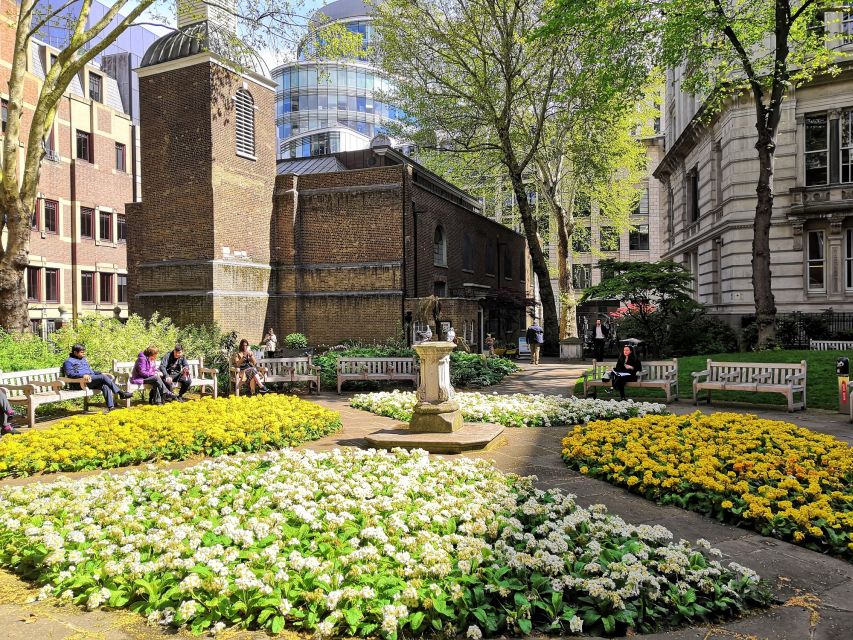
If your ideal London day includes medieval churchyards, Smithfield’s grim legacy, Blitz-era scars, and Roman trace-lines under modern streets, I think this is a smart booking. The short duration makes it easy to fit into a travel schedule, and the guide quality is repeatedly praised by people who care about story craft as much as facts.
My call: book it if you want something different from the usual highlights circuit and you’re comfortable with a darker side of London history. If you want cozy sightseeing with minimal violence, you’ll likely be happier choosing something gentler.
FAQ
Where does the tour start?
You meet outside Barbican Underground Station.
How long is the Secret Old London Walking Tour?
The duration is 1.5 hours.
What’s included in the price?
The tour includes a tour guide.
Is the tour suitable for families or teens?
It’s suitable for all persons over 12.
What should I bring and wear?
Bring comfortable shoes.
Are there any rules about pets, luggage, or recording?
Pets aren’t allowed (with the exception of guide dogs). Luggage or large bags are not allowed, and video recording isn’t allowed.
Is the tour wheelchair accessible?
Yes, it’s listed as wheelchair accessible.