REVIEW · LONDON
London: Twist Museum Ticket
Book on GetYourGuide →Operated by TwistMuseum · Bookable on GetYourGuide
Your brain gets tricked fast here. Twist Museum on Oxford Street turns perception into a hands-on walk-through of color, space, and sound, with big, photo-ready rooms built to make you pause and look again.
I especially like the sheer variety of things to touch and test, plus the way the whole setup stays playful even when it’s teaching you something real about how you see. Oxford Street is also a practical win: you can slip this into a full London day without adding a whole new commute.
What I like most is how you control your pace. It’s self-guided, so you can linger where something clicks, rush past what doesn’t, and generally skip the “stand in line for a lecture” feeling. I also love that you’ll create your own 3D hologram image as a included keepsake, not just take a few snaps and move on.
One drawback to keep in mind: if you come with very high expectations from online ads, you might wish it had more of the specific wow-factor you pictured. A few people do feel that the experience didn’t match their hopes, so it helps to go in curious rather than certain you’ll be blown away every single moment.
In This Review
- Key things to know before you go
- Twist Museum on Oxford Street: what it really feels like
- How the self-guided route works (and how to get more out of it)
- Inside the illusion rooms: what you’ll do step-by-step
- 1) Start with the “test your eyes” approach
- 2) Step into large-scale visual setups
- 3) Play with how perception shifts
- 4) Build a rhythm: try, reset, and retry
- 5) Finish with the included 3D hologram image
- Photo-friendly rooms without turning it into a photo-only stop
- The included 3D hologram keepsake: why it’s more than a gimmick
- Value in London: is $35 worth it?
- What to know before you go: rules that affect your day
- Who should book Twist Museum—and who might be disappointed
- Should you book the Twist Museum ticket?
- FAQ
- How long is the Twist Museum experience?
- How much does a Twist Museum ticket cost?
- Is the museum guided?
- What’s included with the ticket?
- Are children allowed?
- Can I bring a pushchair or stroller?
- Are food and drinks allowed inside?
Key things to know before you go
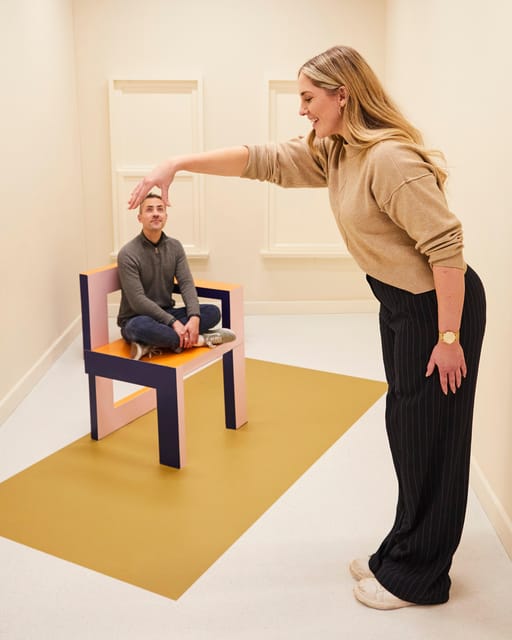
- 80+ interactive illusion exhibits that play with how your brain interprets reality
- Large-scale rooms designed for fun, social-photo angles
- Self-guided timing so you can take it slow or power through
- Personal 3D hologram image included with admission
- Lockers included, which makes the visit easier with bags and jackets
- Wheelchair accessible, but pushchairs can’t go into the exhibition space
Twist Museum on Oxford Street: what it really feels like
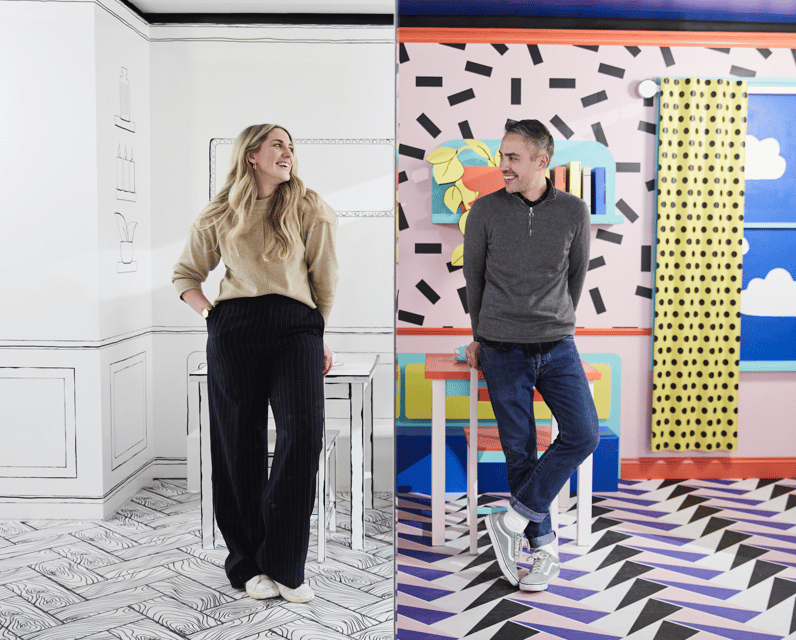
Twist Museum is the kind of attraction that works whether you’re traveling with kids, dating, or rolling with a group. The core idea is simple: you walk into illusion rooms, interact with what you see, and then notice how easily your brain fills in gaps. It’s not about speed. It’s about getting you to slow down and test your own perception.
At $35 per person, the price sits in the “worth it if you’ll actually play” category. You’re paying for an indoor, hands-on experience that lasts around 60–90 minutes and gives you more than just photo backgrounds. You get access to all interactive exhibits, lockers, and the included 3D hologram. For rainy days in London—or for a break between bigger sights—this is the kind of ticket that can keep everyone busy without needing a ton of planning.
Location matters too. Being on Oxford Street means this is easy to attach to a shopping walk, a theater plan, or a museum day. You’re not stuck budgeting extra transit time, and you don’t have to commit to a distant day-trip just to find something fun indoors.
You can also read our reviews of more tours and experiences in London



How the self-guided route works (and how to get more out of it)
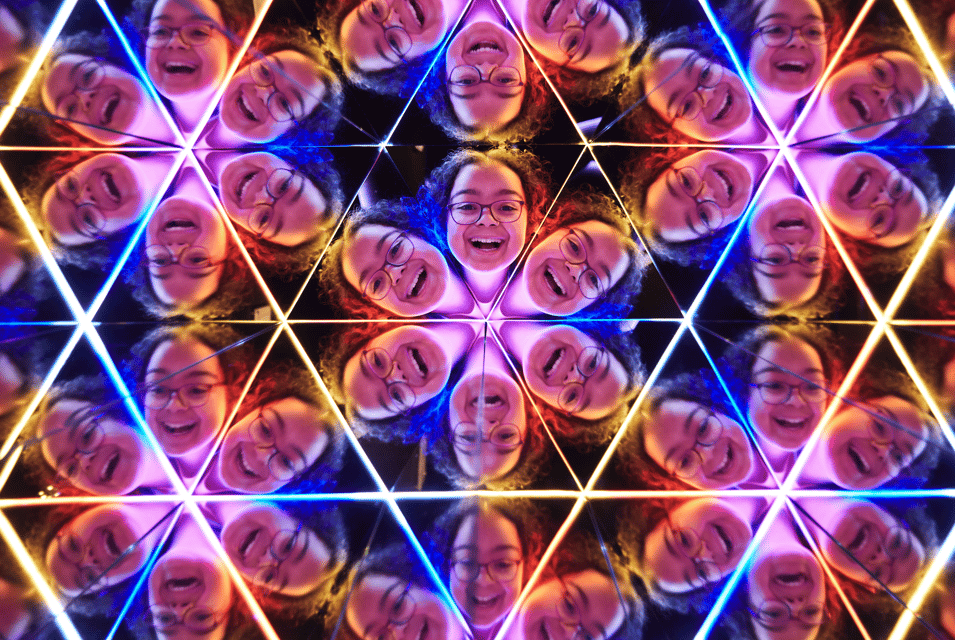
This is a self-guided museum. There’s no required group schedule where you’re marched from room to room. You’ll enter, activate your 1-hour validity window from first activation, and then move through the galleries at your own pace.
That “self-paced” part sounds small, but it changes your whole experience. If a room grabs you, you can spend time trying it from multiple angles. If something feels like it’s not your style, you can skip ahead instead of waiting for a guide to finish a script. It also means you can make the visit fit your energy level—especially useful when you’ve already been walking all day in London.
Practical tip: don’t treat it like a checklist. For best results, pick a few rooms that really interest you and do them more carefully than you think you need to. The illusion effect usually comes from small details—your position, the angle, how light hits the space—so rushing can make the trick feel less impressive than it should.
And yes, you’ll likely want photos. The museum is set up for big, dramatic perspectives. Still, you’ll enjoy it more if you take a second before photographing to actually notice what’s happening visually—then take the picture as a follow-up.
Inside the illusion rooms: what you’ll do step-by-step
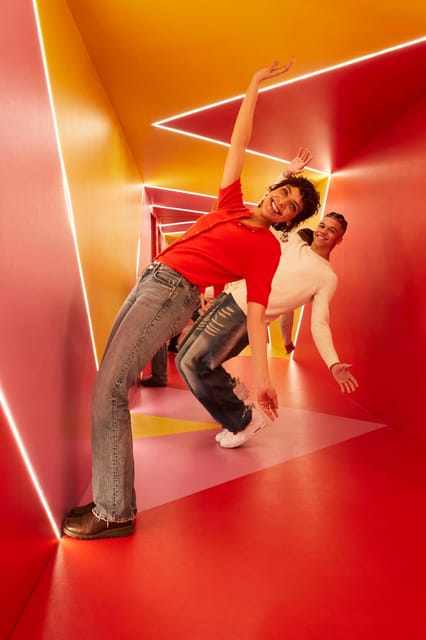
Twist Museum is built around more than “optical illusion” in the classic sense. You’ll interact with environments that play with color, space, and sound, and you’ll see how your brain responds when cues conflict. Some illusions are about how edges and lines look from where you stand. Others are about how motion and audio cues can change what your eyes think is real.
Here’s the flow you can expect as you move through the main galleries:
1) Start with the “test your eyes” approach
When you begin, take a minute to get oriented. Look for what makes the room interactive—there’s usually a moment where you realize your body position changes the effect. This is where you learn how the museum wants you to participate. If you just walk through without interacting, you’ll miss some of the best parts.
2) Step into large-scale visual setups
Many of the rooms are big and designed for photos, but the scale also helps the illusion work. In a smaller space, your brain might correct itself because there’s less to confuse. In these wider environments, you get a stronger sense of being inside the trick. That’s why couples and families tend to enjoy it: everyone can find a different spot to test, laugh, and compare results.
You can also read our reviews of more museum experiences in London






3) Play with how perception shifts
As you go deeper, the museum leans into the idea that perception shapes reality. You’ll likely notice yourself changing your mind mid-experiment: first you think you see one thing, then you adjust, then it flips again. That mental back-and-forth is the point, and it’s what keeps it from feeling like a simple photo stop.
4) Build a rhythm: try, reset, and retry
For rooms that feel tricky, do a quick loop: interact once, step back, then try again from a new angle. With hands-on illusions, it’s often the second or third attempt that makes the trick click.
5) Finish with the included 3D hologram image
Near the end of your visit, you’ll want to plan time for the personal 3D hologram creation. Don’t leave it for the last few minutes if you’re visiting near the end of your 1-hour activation. Even if the process is straightforward, you’ll enjoy it more if you’re not rushing through it.
Photo-friendly rooms without turning it into a photo-only stop
Let’s be real: the museum is good for photos. The rooms are built on scale and perspective, so your pictures come out with that “wait, how did that happen” effect. If you’re visiting with friends, this also turns into a low-pressure activity where people can laugh, swap phones, and try different angles.
Here’s how I suggest you keep it fun instead of frustrating:
- Wear comfortable shoes. You’ll be walking and stepping around to find the right position for the illusion.
- Keep your phone handy, but don’t stare through the lens the whole time. Look first, then shoot.
- Give yourself space to reset. Some illusions work only when you stand in a specific spot.
- If you’re with kids, let them experiment freely. Their trial-and-error is often faster than adult hesitation.
The best photo moments usually come when you combine the illusion effect with a clear sense of depth—so take a beat to align your perspective before hitting record.
The included 3D hologram keepsake: why it’s more than a gimmick
Not every interactive attraction includes a real keepsake. Here, you create a personal 3D hologram image as part of admission. That changes the vibe from temporary fun to something you can share afterward.
In a museum setting, it’s also a built-in “pause point.” When you feel like you’ve been walking through lots of rooms, the hologram activity gives you a focused task. It’s usually easier to enjoy the museum when you know there’s a concrete moment coming later, not just endless rooms.
If you want the best outcome, treat it like you’re setting up for a photo: be ready, follow the prompts, and don’t rush the step that creates your hologram. You’ll appreciate it more when you leave with something you can actually take home.
Value in London: is $35 worth it?
For $35 per person, Twist Museum makes sense if you’re buying an experience, not just a ticket entry. Here’s the value breakdown in plain terms:
- You get access to all interactive exhibits, not a cut-down selection.
- You’ll likely spend 60–90 minutes, which is a solid block of time for a central London stop.
- Lockers are included, so you’re less stressed about storing bags.
- The 3D hologram is included, which adds real “output” to the visit.
Compared to many London indoor attractions, this is also a good bet because it works for multiple ages. Kids can touch and explore. Adults can focus on the perception angle. Groups can split up slightly and still meet back at photo moments.
Could it be overpriced for you? Only if you’re looking for a quiet, traditional museum experience. Twist Museum is playful by design. If you want facts from labels and displays, you’ll likely prefer something like a history or science museum instead.
What to know before you go: rules that affect your day
A few practical rules can change how smooth your visit feels:
- Food and drinks aren’t allowed inside the museum galleries.
- Smoking indoors isn’t allowed.
- Pushchairs aren’t allowed in the exhibition space, and they must be left in the designated buggy park.
- Wheelchair access is available.
- All children and infants must be accompanied by a paying adult.
The pushchair rule is the biggest “plan ahead” item if you’re traveling with little ones. You’ll want to time this so you’re not stuck maneuvering stroller logistics while the family is ready to go have fun.
Who should book Twist Museum—and who might be disappointed
Twist Museum is ideal for:
- Families looking for an indoor activity that gets kids moving
- Couples who want something different from London’s typical museum rhythm
- Groups who enjoy interactive activities and taking photos together
- Anyone who’s curious about how perception can be influenced by color, space, and sound
It might not be the best fit if:
- You want a traditional museum experience with mostly reading and quiet galleries
- You’re expecting a lineup of highly specific, named masterpieces rather than an ongoing set of interactive experiments
- You’re very time-sensitive and hate anything that requires “discovering” your way through rooms
A smart way to decide is this: if you’re the type who enjoys trying things—standing in odd spots, adjusting angles, playing with audio cues—you’ll probably have a great time.
Should you book the Twist Museum ticket?
If you’re in London and you want a central, easy-to-fit-in indoor stop, I’d book Twist Museum. The mix of 80+ interactive illusion rooms, photo-friendly space, and the included 3D hologram gives you enough variety that most people can find their favorites.
I’d skip it only if you’re chasing a quiet, traditional museum vibe or you’re tight on time and can’t afford to linger a bit. Otherwise, it’s a fun, hands-on break that turns ordinary sightseeing fatigue into something playful and a little mind-bendy.
FAQ
How long is the Twist Museum experience?
Plan for about 60–90 minutes. The ticket is valid for 1 hour from first activation.
How much does a Twist Museum ticket cost?
The price is $35 per person.
Is the museum guided?
No. Twist Museum is self-guided. A guided tour is available to purchase, but it isn’t included.
What’s included with the ticket?
Your ticket includes entrance to Twist Museum, access to all interactive exhibits, creation of your personal 3D hologram image, and access to lockers.
Are children allowed?
Yes. It’s designed for children, teens, and adults. Children and infants must be accompanied by a paying adult.
Can I bring a pushchair or stroller?
Pushchairs are not allowed in the exhibition space and must be left in the designated buggy park.
Are food and drinks allowed inside?
No. Food and drinks aren’t allowed inside the museum gallery.