REVIEW · LONDON
National Portrait Gallery London: Private Guided Tour 3 hour
Book on GetYourGuide →Operated by ArtGuides · Bookable on GetYourGuide
A national treasure, told like a story. This 3-hour private tour of the National Portrait Gallery is built for fast meaning: you’ll follow portraits through centuries and get the why behind the faces. Two things I really like are the anecdote-heavy guidance and the fact you can ask questions at your pace without a crowd steamrolling the conversation. One consideration: it focuses on the core collection highlights, so if you’re hunting for specific temporary exhibitions, you’ll need extra planning and tickets since those aren’t part of this tour.
In practice, that “private” part matters. You’ll see celebrated works from the 14th to the 21st centuries and learn how the sitters, artists, and the collection itself came together over time. And if you get a great guide, it turns portraits from flat paintings into people you can almost hear—based on reviews, guides like Robert and Me Miller are particularly praised for storytelling and depth. The other drawback to note is that this tour is marked as not suitable for visitors who are hearing- or visually impaired, even though the venue is wheelchair accessible.
If you want a high-impact London museum experience that doesn’t feel rushed, this is a strong pick. You’ll walk in with general curiosity and leave with names, timelines, and connections that make the gallery click.
In This Review
- Key things that make this private portrait tour work
- The National Portrait Gallery, in 3 hours that actually feel useful
- Why the private format is the real selling point
- Who you’ll be talking with
- Meeting at the Front Entrance on Charing Cross Road
- A practical tip for your first 10 minutes
- How your art historian guide changes the portraits
- The best part: anecdotes that make the timeline stick
- Ask questions early, not only at the end
- The 14th to 21st century route: what you’ll see and why it clicks
- What centuries feel like in portrait form
- Kings, queens, and statecraft
- Writers, thinkers, performers, and the public self
- What you might love if you like cross-links
- Where the itinerary time really goes
- What to expect during the tour itself
- A simple strategy for you to get more out of it
- Price and value: $263 per group up to 5
- Why the math can work in real life
- When it might not be the best fit
- Who should book this private National Portrait Gallery tour
- Who should rethink
- Temporary exhibitions: plan for what’s included
- Should you book it?
- FAQ
- FAQ
- How long is the National Portrait Gallery private guided tour?
- How many people is the group limited to?
- What does the tour include?
- Are temporary exhibitions included?
- Where do we meet for the tour?
- Is the tour wheelchair accessible?
- What language is the live guide?
- Is free cancellation available?
- What is the price?
- Is this tour suitable for visitors with hearing or visual impairments?
Key things that make this private portrait tour work
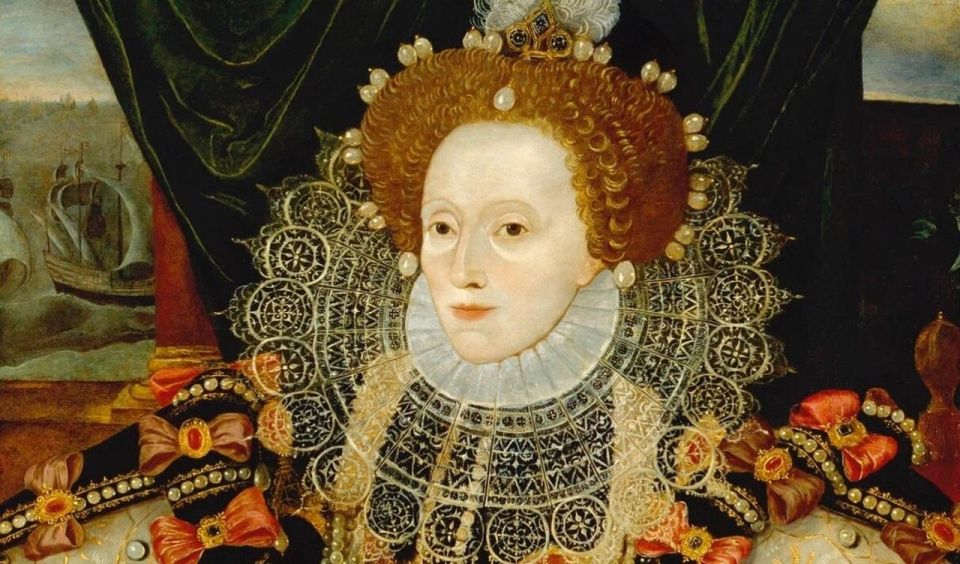
- Private art historian guidance focused on the National Portrait Gallery’s most celebrated portrait works
- An anecdote-first approach, including the history of sitters, artists, and how the collection was formed
- 600 years of British portraiture covered in just 3 hours, from the 14th century to the present
- You set the pace, with time to ask questions instead of being pushed along
- Best-for-highlights routing, so you spend your limited time on the pieces that readers usually come to see
The National Portrait Gallery, in 3 hours that actually feel useful
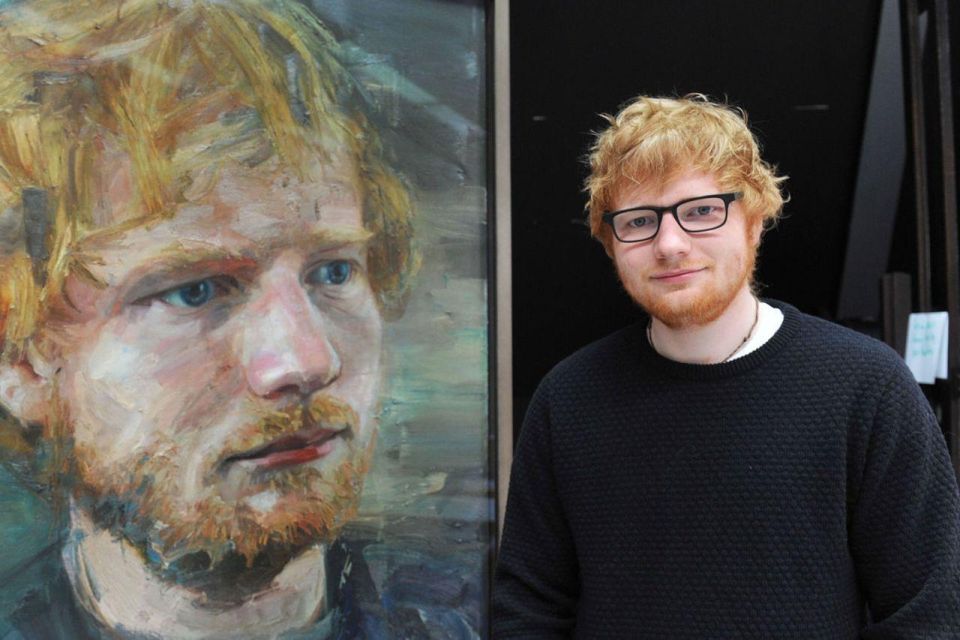
The National Portrait Gallery is one of those London museums where you can lose a whole day. Portraits tempt you in because every face suggests a story—rank, power, fame, reinvention, politics, science, the arts. The trick is figuring out what you’re looking at and why it matters. This private tour is designed to solve that problem fast.
For you, the payoff is clarity. You’ll move through the gallery’s celebrated portrait highlights with context that helps you connect the dots between eras. Instead of asking Where do I start? you can just follow your guide’s thread and let the centuries unfold in a logical way.
You can also read our reviews of more guided tours in London


Why the private format is the real selling point
A group tour can be fine. But here you’re buying something different: time and attention. Because it’s exclusively your tour, you can slow down when something grabs you and speed up when you’re ready to move on. That sounds small, but with portraiture it’s everything. A single painting can become a lesson on symbolism, patronage, politics, and artistic technique.
And if you’re the type who has questions—about who someone was, what the dress signals, why a style changed, or how the collection assembled over time—this structure is ideal. You can ask and keep asking.
Who you’ll be talking with
This tour uses an art historian guide. You’re not just getting someone who points and reads labels. You’re getting explanations built around portraiture: the history of the people portrayed, the artists who painted them, and how the gallery’s collection developed.
From reviews, some guides stand out for their delivery. Robert is praised for being amazing, and Me Miller is described as having impressive depth and an engaging way of telling things you can actually remember. Even if your guide isn’t one of those names, the format is the same: history tied directly to what you’re viewing.
Meeting at the Front Entrance on Charing Cross Road
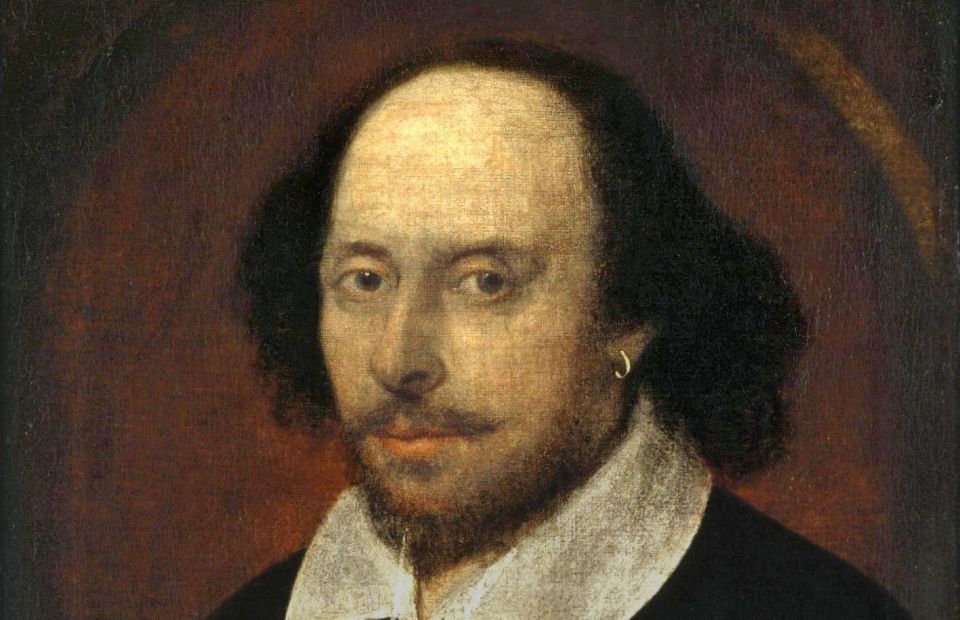
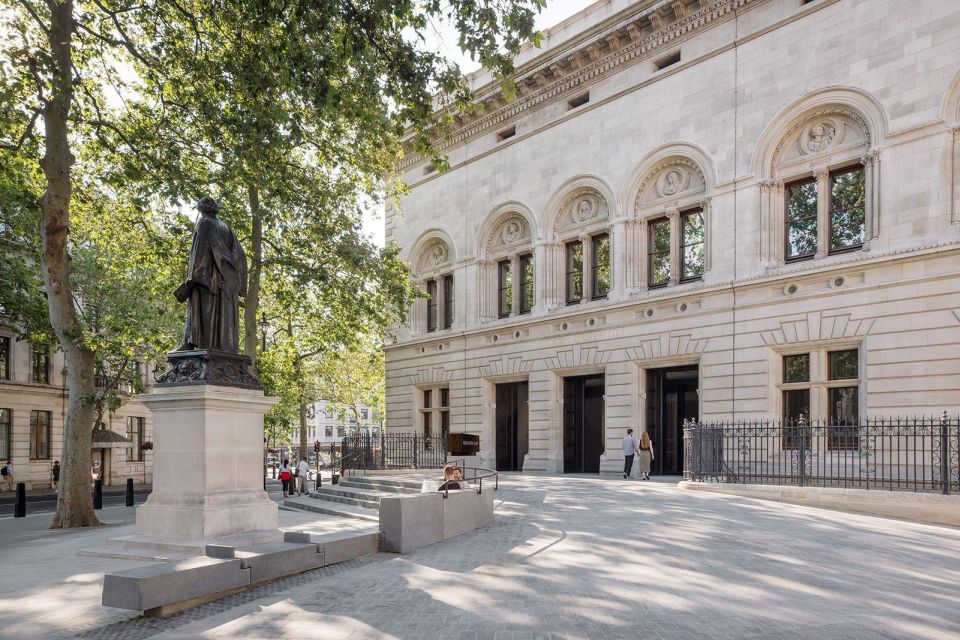
You’ll meet at the front entrance on Charing Cross Road, near the statue of Sir Henry Irving. That’s a helpful detail because museum meet-ups can be chaotic if the building has multiple entrances.
Plan to arrive a few minutes early so you can get oriented without stress. London museums can be easy to find and also easy to misread at first—especially when you’re juggling signage, crowds, and where exactly the meeting point is.
A practical tip for your first 10 minutes
Before you head in, decide what you want from the visit. Pick one angle:
- political and royal portraits
- writers and thinkers
- acting and the arts
- scientific and intellectual figures
Your guide can steer you through the highlights while keeping your interests in play. It keeps the 3 hours feeling personal, not generic.
You can also read our reviews of more private tours in London



How your art historian guide changes the portraits
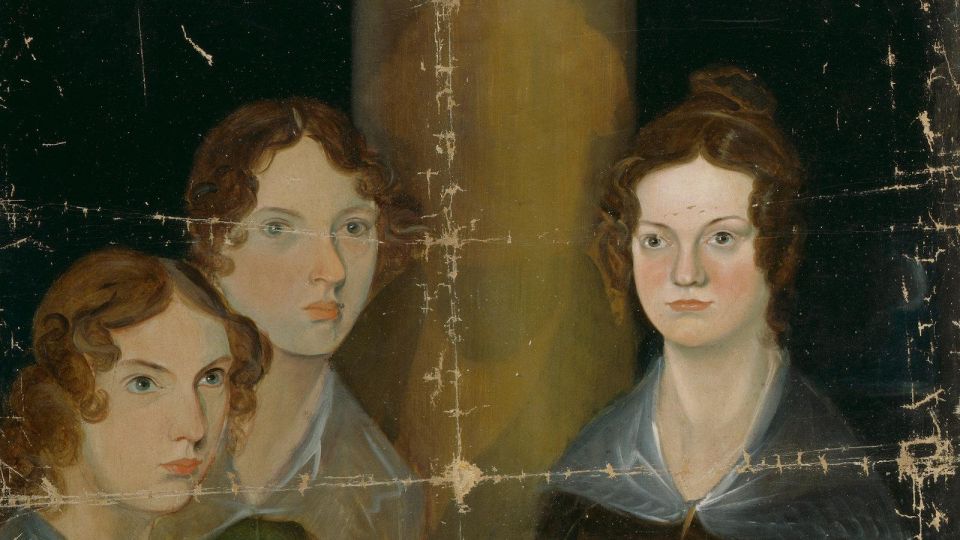
A portrait is never just a face. It’s a message. It’s status. It’s ideology. Sometimes it’s propaganda. Sometimes it’s self-fashioning. Sometimes it’s simply art done at a peak moment. Labels can hint at this. A good guide connects the dots.
The best part: anecdotes that make the timeline stick
One of the most praised aspects is the anecdotal nature of the descriptions. That matters because portrait history is full of names and dates. Anecdotes turn those facts into something you can picture.
When your guide explains who commissioned a portrait, what a sitter wanted to project, or how an artist earned a reputation, your brain stops treating the gallery like a slideshow. You start seeing patterns. You also start noticing recurring visual language: gestures, clothing cues, backgrounds, and how different centuries handled realism, symbolism, and prestige.
Ask questions early, not only at the end
Since it’s private, don’t hold back. If something catches you—like a curious hairstyle, a dramatic pose, or an unexpected subject—ask then. You’ll usually get a more satisfying answer while you’re still standing in front of the painting and your guide can point to the details that matter.
I’d treat the tour like a conversation with a teacher who’s standing next to the textbook page. That’s where the value lives.
The 14th to 21st century route: what you’ll see and why it clicks
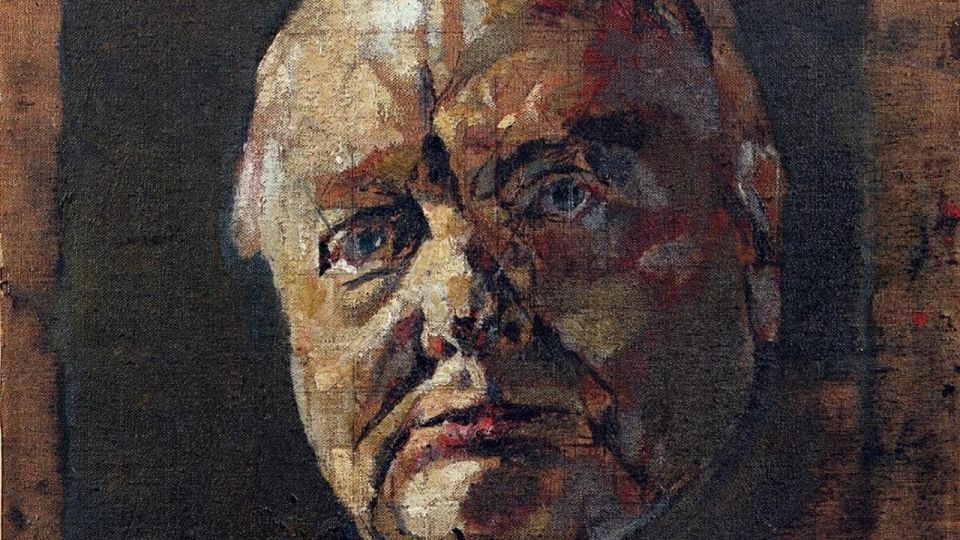
This tour is built to cover roughly 600 years of British portraiture in a single visit. That’s a tall order, but the goal isn’t to show every masterpiece. The goal is to show you celebrated pieces in a way that makes the story make sense.
What centuries feel like in portrait form
You’ll move through portraits spanning the 14th century to contemporary life. The interesting shift isn’t just artistic style. It’s who gets portrayed and why.
Earlier portrait traditions often connect closely to courtly power and social ranking. As you move forward, the collection broadens. You’ll encounter writers, politicians, actors, scientists, philosophers, artists, and other celebrated people from history and contemporary life. That range is part of what makes the National Portrait Gallery so addictive: it shows how Britain tells its own story through faces.
Kings, queens, and statecraft
Royal and political portraits tend to be the easiest entry point because you instantly recognize that they’re about authority. Your guide will help you see how that authority is displayed—through pose, costume, and symbols—so it’s not just a list of reigns.
If you love British history, this angle usually lands hardest. You’ll pick up context that makes the portraits feel less like distant figures and more like living moments in national storytelling.
Writers, thinkers, performers, and the public self
The gallery doesn’t stop at monarchy. One of the big wins of the tour is that you’ll also see portraits of people tied to ideas and culture—writers, politicians, actors, scientists, philosophers, and artists.
Here’s what you’ll learn to watch for: how different public identities are constructed. An intellectual portrait may present calm seriousness. A performer portrait often leans into personality and recognition. A scientific portrait may frame credibility and achievement. Your guide’s anecdotes help you spot those cues quickly, even if you don’t consider yourself an art expert.
What you might love if you like cross-links
Portraiture is full of connections. A person might link to a movement, a court, a patron, or a creative circle. When your guide explains those relationships, the gallery becomes a network, not a set of isolated artworks.
That’s when the 3 hours feel like more than time in a museum. It feels like you’re learning a map.
Where the itinerary time really goes
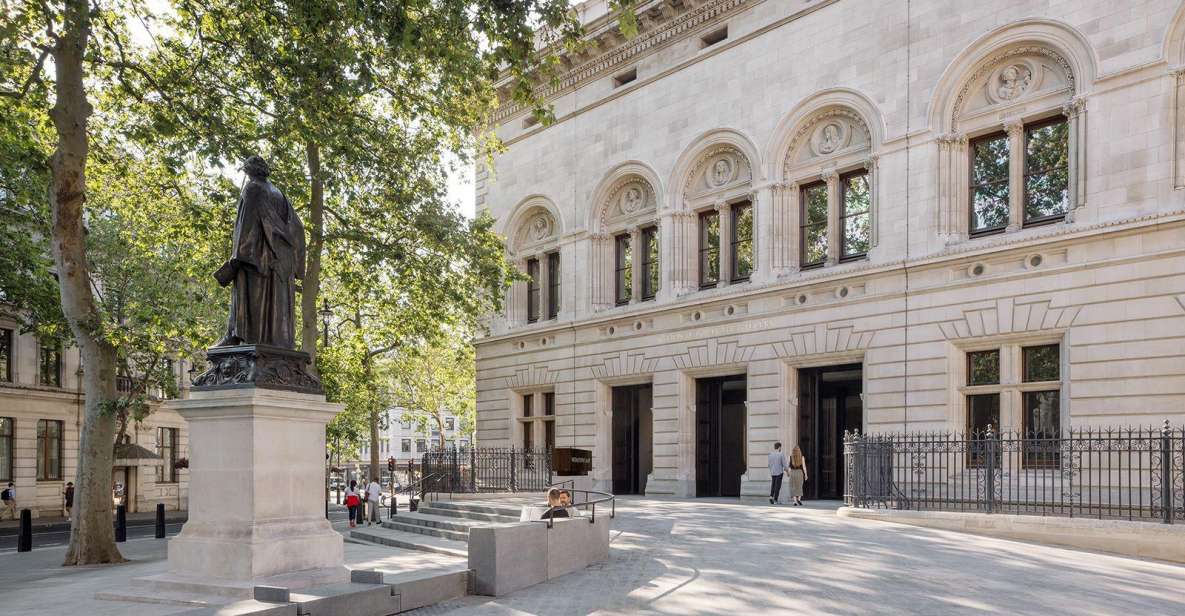
You’ll start at the National Portrait Gallery and spend 3 hours on the guided tour inside. You’ll return to the same meeting area when the visit ends.
That sounds straightforward. The value is in how your guide uses that time. You’re not wandering, and you’re not forced to rush. You’re following a structured highlights route with the option to pause.
What to expect during the tour itself
Expect your guide to talk about:
- the history of British portraiture across centuries
- the background of the sitters and artists
- how the collection was formed
- what makes certain works especially notable
The ability to ask questions is crucial. If you’re curious about how a portrait is read, where symbolism might hide, or why the gallery focuses on certain works, this tour format gives you permission to keep the conversation going.
A simple strategy for you to get more out of it
Pick two to three portraits that pull you in and plan to ask about them. For each one:
1) ask who the sitter was
2) ask why that moment mattered
3) ask what the artist was doing stylistically or symbolically
Do that and your 3 hours will feel like you actually learned something, not just passed through rooms.
Price and value: $263 per group up to 5
This tour costs $263 per group for up to 5 people, with a 3-hour duration. At first glance, that can look like a splurge. But private museum tours are usually priced around attention, not admission.
Why the math can work in real life
Split the price among up to 5 people and you’re effectively buying a dedicated art historian experience for a set time window. For families, couples, or small friend groups, it can become excellent value compared with multiple standard tickets plus separate attempts to understand the art on your own.
Also, you’re paying for the explanations that turn viewing time into learning time. In a museum this dense, a private guide often saves you from the dead-end feeling of seeing cool art but not knowing what you’re looking at.
When it might not be the best fit
If you’re traveling solo and want a full-day museum experience, you might prefer either self-guided wandering or a longer tour. This one is designed for highlights. It’s ideal if you want maximum payoff per hour, not if you want to study every wing slowly.
Who should book this private National Portrait Gallery tour
This is best for you if:
- you like British history and want it connected to art
- you enjoy portraits and want the why behind the images
- you want an expert guide to answer questions as you go
- you’re traveling in a group of up to 5 and want a tailored pace
It’s also a good choice if you’ve visited London before and want something more focused than the usual big-name museums.
Who should rethink
The tour is marked not suitable for people who are visually impaired or hearing-impaired. If that affects you or your group, you’ll want to consider other options designed for those needs.
On the other hand, the venue itself is wheelchair accessible, which is a meaningful plus for mobility needs. Just keep in mind that the tour’s suitability statement is about the experience format, not only the building.
Temporary exhibitions: plan for what’s included
Temporary exhibitions are not included. If you’re hoping to catch something special that’s running during your dates, you’ll need separate tickets and planning. The tour focuses on the gallery’s historic portrait collection highlights instead of temporary shows.
Should you book it?
Yes, if you want a portrait-focused London experience that gives you real context without turning your day into a homework assignment. This private tour is a strong value for small groups because you’re paying for guided interpretation of celebrated works, plus time for questions, in a tight 3-hour window.
Book it if:
- your priority is understanding what you’re seeing
- you’d rather stop at fewer paintings and learn more
- you want British portraiture from 14th to 21st century in one coherent visit
Skip it or consider alternatives if:
- you mainly want temporary exhibitions
- you’re looking for a full deep study of every room
- your group needs an experience tailored beyond what this tour format supports
FAQ
FAQ
How long is the National Portrait Gallery private guided tour?
It lasts 3 hours.
How many people is the group limited to?
The tour is for a private group with up to 5 people.
What does the tour include?
You get a private guided tour of the gallery and its collection with an art historian guide. It’s exclusively your tour, so you can ask questions.
Are temporary exhibitions included?
No. Temporary exhibitions are not included and require pre-booked tickets at extra cost.
Where do we meet for the tour?
Meet at the front entrance on Charing Cross Road, near the statue of Sir Henry Irving.
Is the tour wheelchair accessible?
The tour is listed as wheelchair accessible.
What language is the live guide?
The live tour guide is in English.
Is free cancellation available?
Yes. Free cancellation is available up to 24 hours in advance for a full refund.
What is the price?
It’s priced at $263 per group, up to 5 people.
Is this tour suitable for visitors with hearing or visual impairments?
The activity is marked as not suitable for visually impaired people and hearing-impaired people.