REVIEW · LONDON
Private London Spy Walking Tour
Book on GetYourGuide →Operated by Tours of the UK · Bookable on GetYourGuide
Spies in London are never far away. This 3-hour private walk turns city streets and famous buildings into a story about MI5 and MI6, plus how real cases fed great spy writing. I love the chance to stand outside the headquarters in daylight, and I love the guide’s blend of Second World War tradecraft with what modern intelligence work takes.
The only real drawback is you’ll spend a lot of time walking and standing outdoors. Come ready for all-weather London, wear comfortable shoes, and leave the phone camera for the moments you truly care about.
In This Review
- Key things you’ll notice on the walk
- From Somerset House to Waterloo: why the route starts with WatchHouse
- Waterloo Bridge: a quick stop that teaches you how to read London
- The Savoy Hotel area: why grand hotels get pulled into spy stories
- Short pauses that connect the dots: from cover stories to headquarters thinking
- Whitehall: where security work brushes up against government reality
- Parliament Square: politics, messaging, and why propaganda matters
- Seeing MI5 and MI6 in context: the headquarters moments you’ve been waiting for
- The Litvinenko poisoning connection: Cold War leftovers in a modern city
- Shops as cover: the unglamorous part of spy work
- A WWII planning building: where macabre operations were shaped
- Finishing in Vauxhall: where the modern spy world lingers
- Price and what $242 per group buys you
- Practical tips so you enjoy the full 3 hours
- Who should book this spy walking tour
- Should you book the Private London Spy Walking Tour?
- FAQ
- Where is the meeting point?
- What time should I arrive?
- How long is the tour?
- Is this a private group tour?
- What language is the tour guide?
- What’s included and what’s not included?
- Is video recording allowed?
- What should I bring?
- Is the tour wheelchair accessible?
- What kind of weather should I plan for?
Key things you’ll notice on the walk
- Stop outside MI5 and MI6 headquarters, not just a history lesson from a classroom
- Cold War to modern day, including the Alexander Litvinenko poisoning connection
- Short, story-driven pauses that make the city feel like an intelligence map
- WWII operations planning shown through a grim lens you won’t forget
- Spy cover techniques, including the idea of using normal shops as meeting points
- A guide who keeps it readable, with humor and plenty of spy anecdotes (Michael is one example)
From Somerset House to Waterloo: why the route starts with WatchHouse
The tour kicks off outside the WatchHouse at Somerset House, right in the main courtyard. That spot matters more than you might think. Somerset House sits in a dense part of central London where “official” buildings, government offices, and tourist streets all share the same air. In other words: it’s the perfect place to start explaining how intelligence work blends into everyday city life.
After that first meet-and-go, the walk sets the tone quickly: you’re not racing from landmark to landmark. You’re getting a guided storyline. You’ll move toward Waterloo Bridge with a short orientation stop along the way, then keep building your mental map of where power, information, and secrecy overlap in this part of London.
If you want value here, focus on pacing. A 3-hour private route means the guide can slow down when a question lands. And with a private group (up to 15), you’re not stuck listening while strangers talk over the best parts.
You can also read our reviews of more walking tours in London

Waterloo Bridge: a quick stop that teaches you how to read London
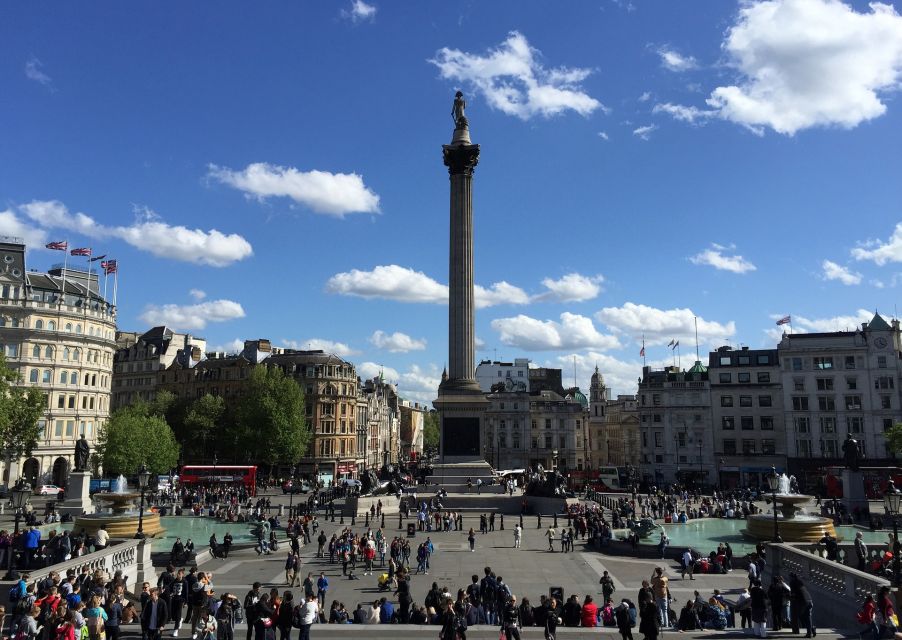
At Waterloo Bridge, the guide gives you a short guided segment. It’s brief, but it’s a smart use of time. River crossings like this weren’t just scenery. They were lifelines—movement corridors for people, goods, and messages. Even today, the Thames works like a navigation system that planners, officials, and security folks all understand.
This is where you start learning a useful habit for London tours: don’t look at streets as separate “attractions.” Look at them as routes. Routes are where intelligence moves. Routes are where surveillance happens. Routes also show you why certain buildings and meeting points mattered more than you would guess from street level.
The Savoy Hotel area: why grand hotels get pulled into spy stories
Next comes a stop at The Savoy Hotel area. Ten minutes doesn’t sound like much, but hotels like this are magnets for spy history for a simple reason: they’re built for movement, anonymity, and controlled access. Even when you strip away the movie glamour, hotels create practical cover. A guest can be a guest. A meeting can be a meeting. A delay can be blamed on the lobby.
So when the guide talks about spy operations around prominent hotels, you’ll get the context behind the clichés. It’s not that every hotel is a secret office. It’s that hotels concentrate the ingredients spies need: plausible excuses, staff who interact with strangers, and constant arrivals and departures.
Short pauses that connect the dots: from cover stories to headquarters thinking
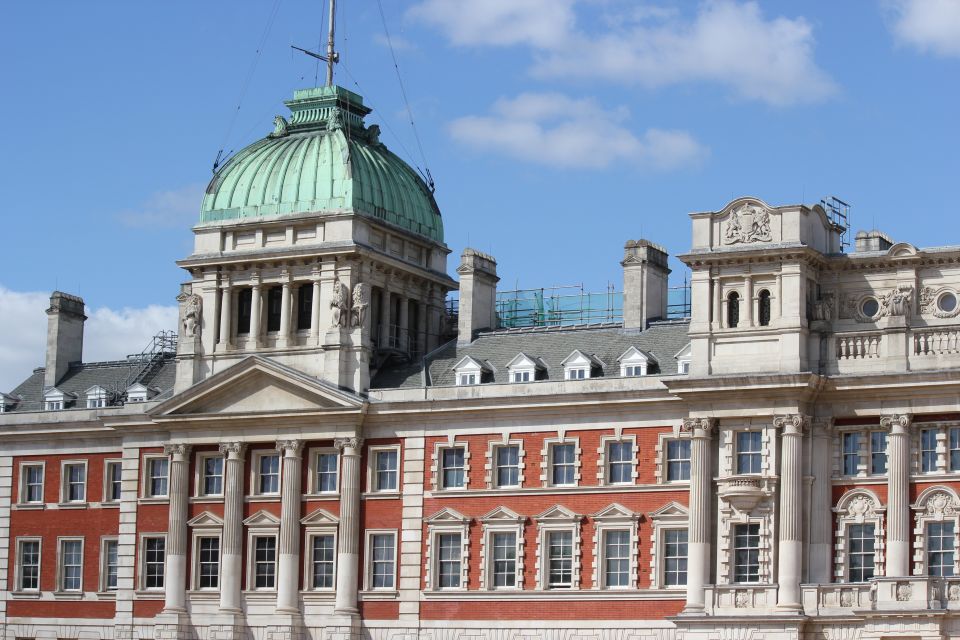
After the Savoy stop, the route keeps you moving with a couple of additional guided segments—short stops designed for quick shifts in the story. One of these moments likely feeds the idea of using ordinary-looking places as cover for meetings with handlers. Another is the kind of stop where the guide points out how intelligence services think: not only about targets, but also about logistics, timing, and what you can verify.
These are the stops that help the tour click. You begin to see how the city becomes a set of options. If you’ve ever thought spy fiction feels too neat, this tour gives you the rougher reality underneath: tradecraft is rarely “one big dramatic move.” It’s a lot of careful, low-profile decisions.
If you like history that feels mechanical—how things get done—these short pauses are your friend.
Whitehall: where security work brushes up against government reality
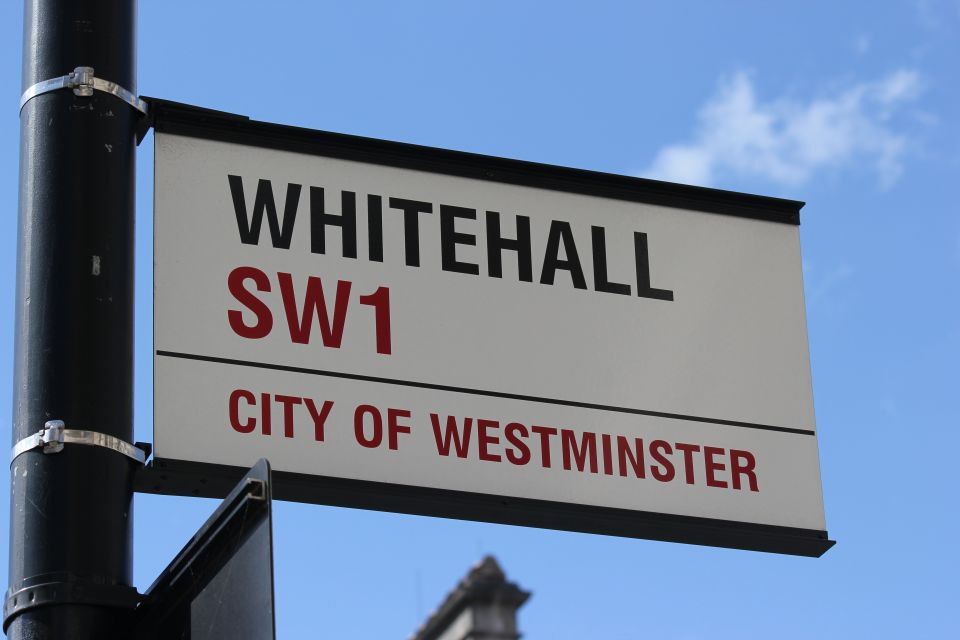
Whitehall gets a longer guided segment, about 30 minutes. This is the part of the walk where you start feeling the spine of London government. Whitehall is where the state has long kept its feet. For intelligence services, that proximity is everything. Information has to feed decisions. Decisions have to feed operations.
Here’s what I like about this stop: you’re not only hearing about famous agencies. You’re also hearing what it can mean to work in Britain’s security services today. That shift from spy myth to human systems matters. Intelligence work isn’t just gadgets and disguises. The tour frames it as a job that requires processes, judgment, and the ability to operate under pressure.
And once you’re thinking that way, the earlier London scenery stops feeling random. The street layout and building density start to make sense.
You can also read our reviews of more private tours in London

Parliament Square: politics, messaging, and why propaganda matters
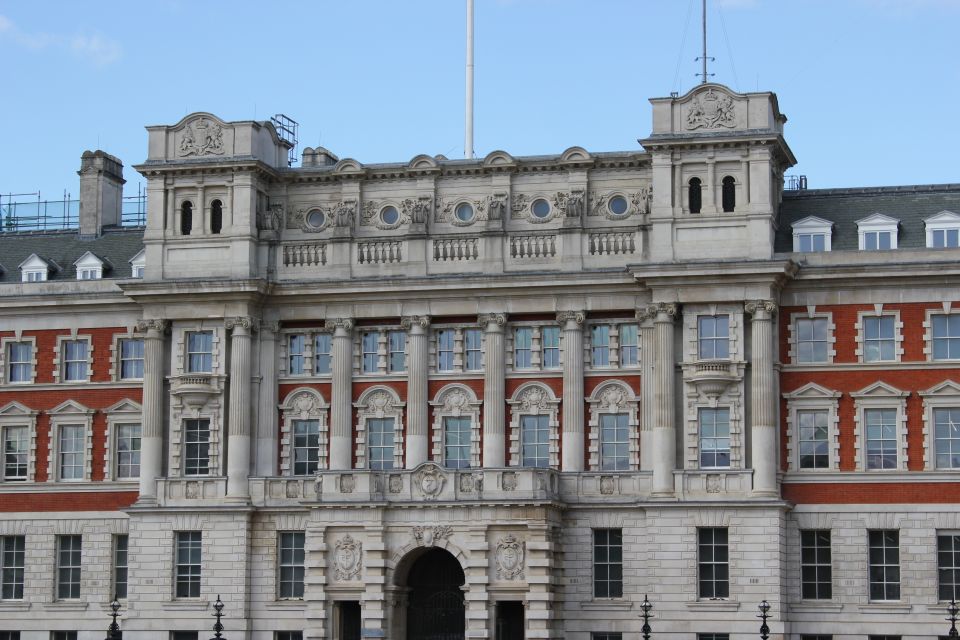
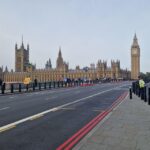
Then you move to Parliament Square for another guided segment. This part of London turns attention into power. It’s where political messaging lives in public view, and that’s exactly why it matters to intelligence services. Even when intelligence ops are hidden, the environment they operate in is public: policies, speeches, protests, diplomacy, and public pressure.
This is where you’ll likely connect what you hear about real operations and assassinations with the larger aim behind them. Intelligence services often act in a world where overt politics and covert influence overlap. A secure state tries to protect itself; a threatened one tries to shape outcomes before problems become headlines.
You don’t need to be a politics junkie to enjoy this stop. The guide’s job is to keep it grounded in how spy work and government decisions feed each other.
Seeing MI5 and MI6 in context: the headquarters moments you’ve been waiting for
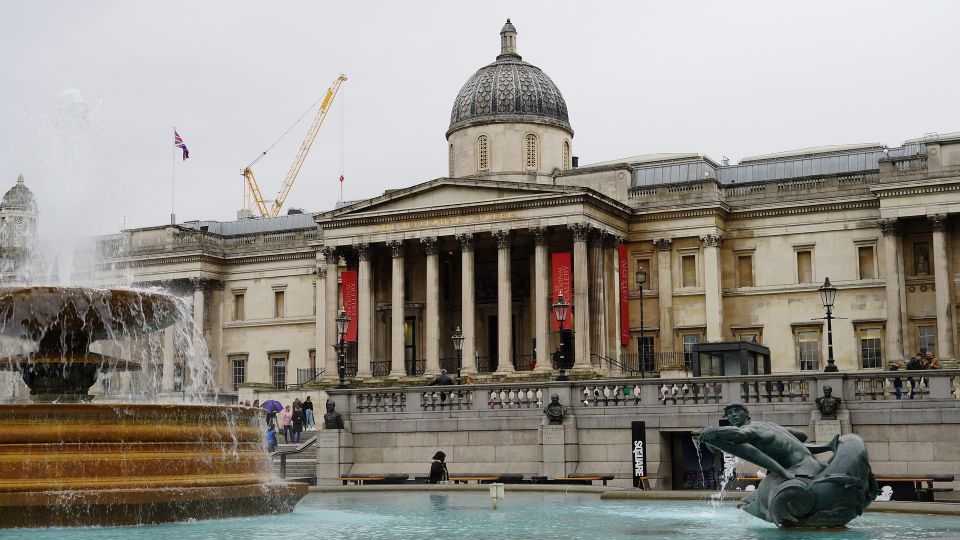
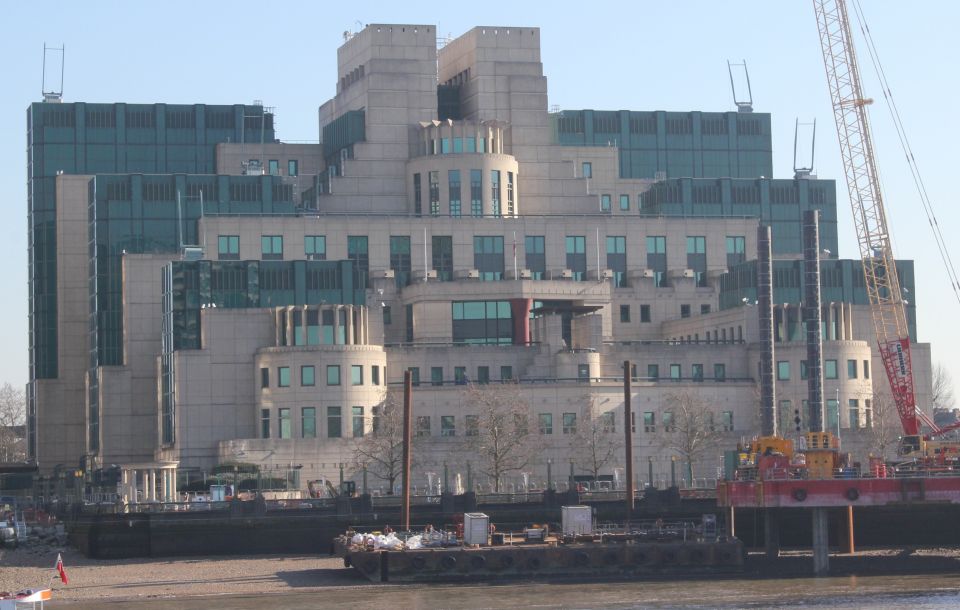
A core highlight is standing outside the headquarters of both MI5 and MI6 in London. You’re not going inside. You’re looking at the buildings from the outside, which is exactly the right way to do this kind of tour. The power of it comes from contrast: these are normal-looking London structures from street level, and yet the agencies associated with them have had global reach.
When you stand outside both, listen closely to how the guide explains the differences in role and reputation—because the tour isn’t selling one-note “good guys versus bad guys” storytelling. It’s focused on the history of Britain’s intelligence services and how their work evolved over time.
Also, don’t rush these headquarters moments. Spend a couple of extra seconds simply watching the street flow. It reinforces a key theme of the walk: intelligence lives inside ordinary spaces. That’s the real-world point the guide is putting in your head.
The Litvinenko poisoning connection: Cold War leftovers in a modern city
One of the most sobering stops is at a hotel linked to the KGB assassination of Russian spy Alexander Litvinenko, who was poisoned. The tour treats this as more than a sensational headline. It’s presented as part of the continuing shadow between Cold War methods and modern international conflict.
If you’re the type who likes to understand why things happened, this segment is one of the most important. It shows the human cost behind the spy vocabulary. And it also helps you understand why intelligence work doesn’t stop when old rivalries fade. Techniques, networks, and motives have a way of persisting—sometimes in new forms, sometimes with the same old brutality.
Take a breath before you move on. This stop is heavy.
Shops as cover: the unglamorous part of spy work
Another theme on the walk is the idea of shops rumored to have been used as cover for British agents to meet their handlers. This is the part of the tour that makes spy fiction feel less like fantasy and more like plausible behavior.
Here’s the value for you: when spies use a normal storefront, they aren’t trying to look mysterious. They’re trying to look forgettable. A shop creates a believable reason to be in a place at a certain time. It also provides a built-in cover for conversation, observation, and quick handoffs.
This segment helps you notice something on the street afterward. London is full of businesses where people come and go for harmless reasons. A spy mindset looks for the harmless reasons—because those are what can hide the not-harmless.
A WWII planning building: where macabre operations were shaped
The walk also includes a stop at a building where one of the most gruesome and macabre Second World War operations was planned. The tour doesn’t soften the topic. It uses that location to connect the city to the reality of wartime intelligence.
This is one of those moments where the architecture feels strange. You’re looking at a structure that now has everyday purpose, and you’re being asked to picture a different kind of meeting inside it. That mental shift is the whole point. You stop seeing London as just pretty views and start seeing it as a working machine that people used for survival.
If you prefer war history that’s about decisions and consequences rather than battle maps, you’ll likely enjoy this stop.
Finishing in Vauxhall: where the modern spy world lingers
The tour ends in Vauxhall. That ending isn’t random. It’s another reminder that intelligence work is not trapped in the past. Even as you walk into a contemporary London scene, the guide brings you back to the present: what security services do now, how they recruit, and what modern pressures change.
This is also where your earlier stops pay off. You’re not just collecting facts. You’re building a layered view of London—one where government, secrecy, and global tension occupy the same streets.
When you reach Vauxhall, you’ll likely feel like the city has an extra layer to it. The streets still look ordinary. Now you know to ask what hides inside the ordinary.
Price and what $242 per group buys you
The tour costs $242 per group (up to 15 people) and runs for 3 hours with a live English-speaking guide. For a private walk, that’s the main value: you’re paying for focused time with a guide, not just movement between photo stops.
To judge the value, think in terms of group size and pacing. If you can fill more seats, the per-person cost drops quickly. If it’s just a small group, you’re still getting a guided route with headquarters-level story beats and multiple historically connected stops, including the Litvinenko poisoning site and WWII planning context.
The one thing to plan for is that transport tickets aren’t included. So factor in any tube or bus you need to reach the start point and get home after Vauxhall.
Practical tips so you enjoy the full 3 hours
- Wear shoes you can walk in for a while. This is a walking tour with outdoor time.
- Dress for all weather. London can change its mind fast.
- Leave large bags at home. Luggage or large bags aren’t allowed.
- Skip video recording during the tour. You can still use your eyes, and you’ll get plenty of story moments without constant filming.
- Arrive about 15 minutes early and meet your guide outside the WatchHouse in Somerset House’s main Courtyard. The guide wears a Tours of the UK backpack or coat/hoodie, so look for that.
Who should book this spy walking tour
Book it if you like London history tied to real-world systems: how intelligence services operate, why locations matter, and how events echo into the present.
It’s a great fit for:
- People who enjoy WWII-era stories with a darker edge
- Readers who want the connection between spy work and spy authors
- Anyone who likes guided walking where the guide explains what you’re seeing (not just what you’re passing)
It may not fit if:
- You need wheelchair access (the tour isn’t suitable for wheelchair users)
- You want mostly inside stops or museum-style explanations
- You’re sensitive to stories involving poison and assassination themes
Should you book the Private London Spy Walking Tour?
Yes, if you want a compact, high-impact way to understand British intelligence with real locations and real-world details. You get both headquarters exteriors, a modern case connection through Alexander Litvinenko’s poisoning link, and WWII planning context that makes the whole story feel grounded instead of theatrical.
I’d book it especially when you can bring a few friends to share the private-group cost. Just come prepared for outdoor walking and for the heavier historical moments the guide doesn’t try to sanitize.
If that sounds like your kind of London day, this is a tour that changes how you look at the city long after you head home.
FAQ
Where is the meeting point?
Meet your guide outside the WatchHouse in Somerset House’s main Courtyard.
What time should I arrive?
Please arrive 15 minutes before the activity start time.
How long is the tour?
The tour lasts 3 hours.
Is this a private group tour?
Yes. It’s a private group experience.
What language is the tour guide?
The tour is in English.
What’s included and what’s not included?
Included: the tour guide. Not included: travel cards/tickets for public transportation.
Is video recording allowed?
No, video recording is not allowed.
What should I bring?
Bring comfortable shoes and comfortable clothes.
Is the tour wheelchair accessible?
No, it’s not suitable for wheelchair users.
What kind of weather should I plan for?
The tour runs in all weather conditions, so dress accordingly.