REVIEW · LONDON
London Private Jewish History, Synagogues and Holocaust Tour
Book on GetYourGuide →Operated by Rosotravel UK · Bookable on GetYourGuide
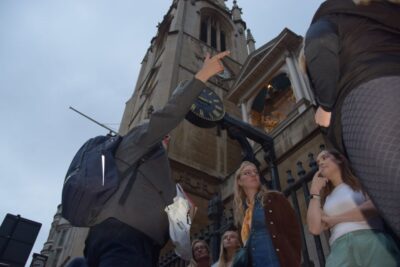
East London tells stories you can walk through. This private Jewish history tour feels personal because you’re matched with a licensed history expert guide and you’re shown the big-name places like Bevis Marks Synagogue alongside the quieter streets of Spitalfields. You get two standout benefits baked in: tight, story-led guiding (including guides like Hamish and Ian, praised for adjusting to your pace and interests) and the chance to connect names, buildings, and community life in one continuous route.
The only real catch is the body part: it’s a 2.5–3.5 km walking experience with uneven ground and some steps, rain or shine. Wear proper shoes and plan for a moderate pace that your guide will adapt to your group.
In This Review
- Key Highlights You’ll Actually Care About
- Why East London’s Jewish Trail Beats a Standard Photo Stop
- Meeting at Tower Hill: Start Where the Stories Cut In
- Tower of London Era: Refuge, Prison, and Hard Truths
- Bevis Marks Synagogue: The Oldest Living Link to 1701
- Spitalfields Streets: From Old Market Lanes to Sandy Row
- The 4-Hour Choice: Imperial War Museum and the Holocaust Galleries
- Price and Value: What $298 Gets You in Real Terms
- Guides, Languages, and How You Keep the Control
- Choosing Between the 2-Hour and 4-Hour Options
- The 2-hour private walking option
- The 4-hour option
- Who This Tour Suits Best
- Should You Book This Jewish London Tour?
- FAQ
- How long is the London Private Jewish History, Synagogues and Holocaust Tour?
- Is the Holocaust Galleries at the Imperial War Museum included?
- Where is the meeting point?
- What’s the walking distance and difficulty?
- What languages are available for the guide?
- Is the tour wheelchair accessible?
- What is the cancellation policy?
Key Highlights You’ll Actually Care About
- A private, story-driven guide who tailors the walk to what you want to focus on
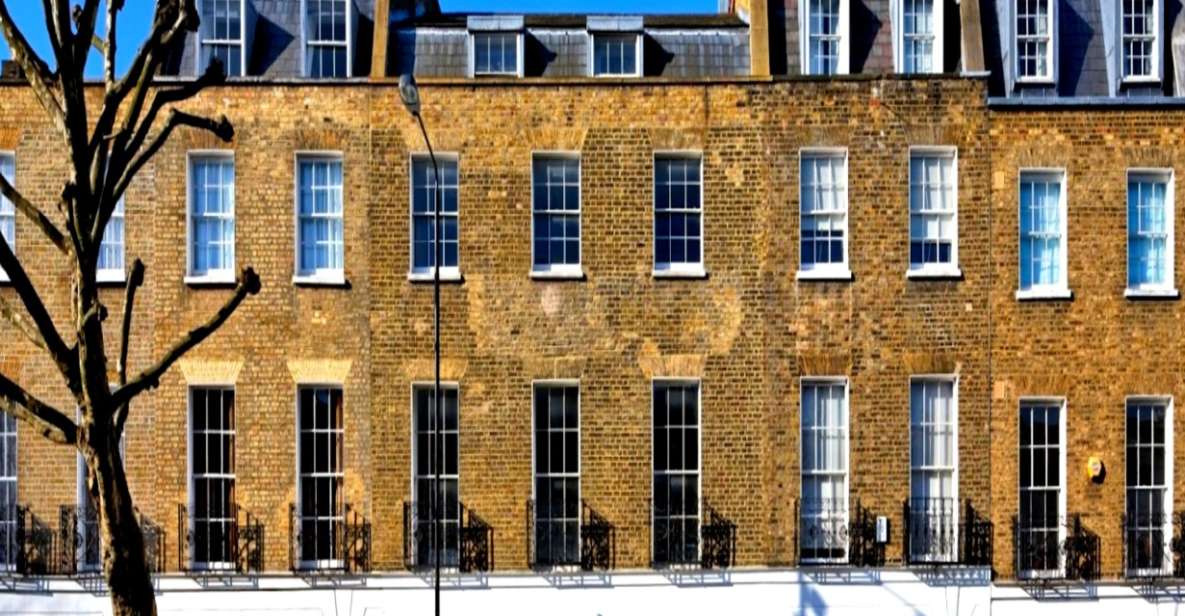
- Bevis Marks Synagogue (exterior), the UK’s oldest synagogue still in use, tied to the Sephardic community
- Spitalfields area heritage stops, including Sandy Row Synagogue and the lanes around Old Spitalfields Market
- Clear Jewish life context from the 19th and 20th centuries, including Yiddish culture and kosher shops
- Optional Holocaust Galleries visit (4-hour tour) at the Imperial War Museum, with admission included
- Public transport covered (4-hour option) so you don’t have to plan the museum commute on the day
Why East London’s Jewish Trail Beats a Standard Photo Stop
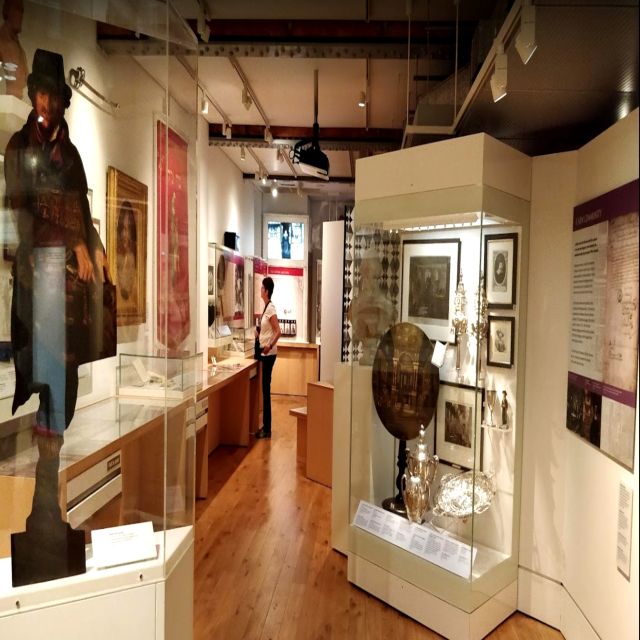
I like this tour format because it doesn’t treat Jewish London like a set of random landmarks. It’s built as a walking story—expulsion and return, community institutions, worship, local business, and the cultural life that grew in the East End. Even if you only know a few names, the guide ties them together so you can picture what life felt like, street by street.
You’ll also appreciate the pacing choices. It’s private, and the guide can keep things moving or slow down depending on your questions. The setup is built for comfort too: the route is described as moderate, and the guide adjusts to the group.
The value piece is simple. For $298 per person, you’re paying for a licensed guide, private control of the route, and (in the longer option) a museum visit that’s included rather than an extra ticket hunt on your own.
You can also read our reviews of more private tours in London


Meeting at Tower Hill: Start Where the Stories Cut In
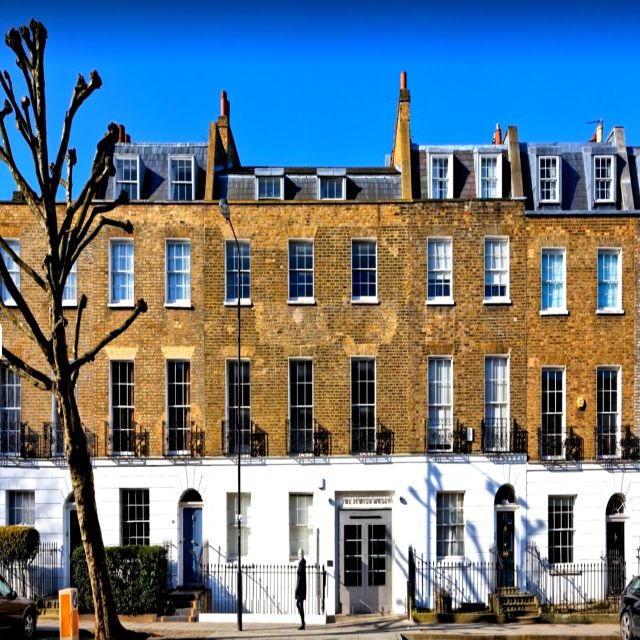
You meet at the Tower Hill Memorial area (Tower Hill GW5C+RX, London EC3N 4DH). Stand by the entrance to the gardens on the left side. I like this meeting point because it puts you at the edge of major London history, before you head into the older East End Jewish neighborhoods.
If you’re coming in from elsewhere, give yourself extra time to find the exact spot. Once you’re there, the guide usually gets the group organized fast—so you’re not standing around with umbrellas guessing which direction “left side” means.
Tower of London Era: Refuge, Prison, and Hard Truths
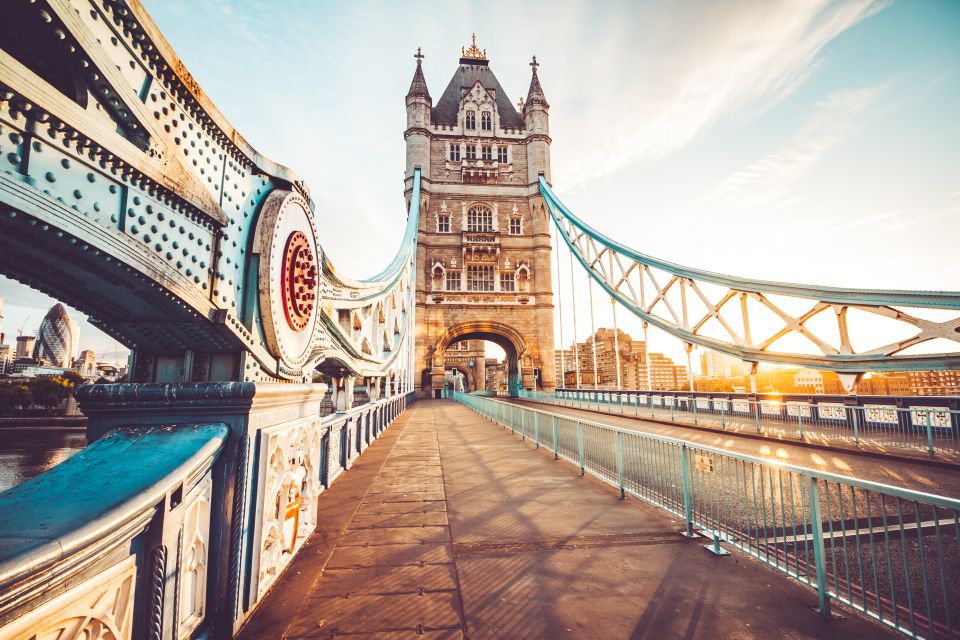
In the early part of the tour, you go to the Tower Hill Memorial area and connect it to the Tower of London story. This matters because the Jewish presence here wasn’t always stable or safe. During the 12th–13th centuries, the Tower of London served as both refuge and prison for Jews, which makes it a powerful place to start.
What you’ll hear isn’t just one-line tragedy. The walk is framed around a cycle—expulsion, anti-Jewish violence, and resilience, plus periods when Jewish life could thrive in England. That mix of harm and survival is a big reason this tour works better than a purely nostalgic stroll.
Practical note: this early section sets context for everything that follows. If you’re short on time, you’ll still get the “why” behind the synagogues and institutions later on.
Bevis Marks Synagogue: The Oldest Living Link to 1701
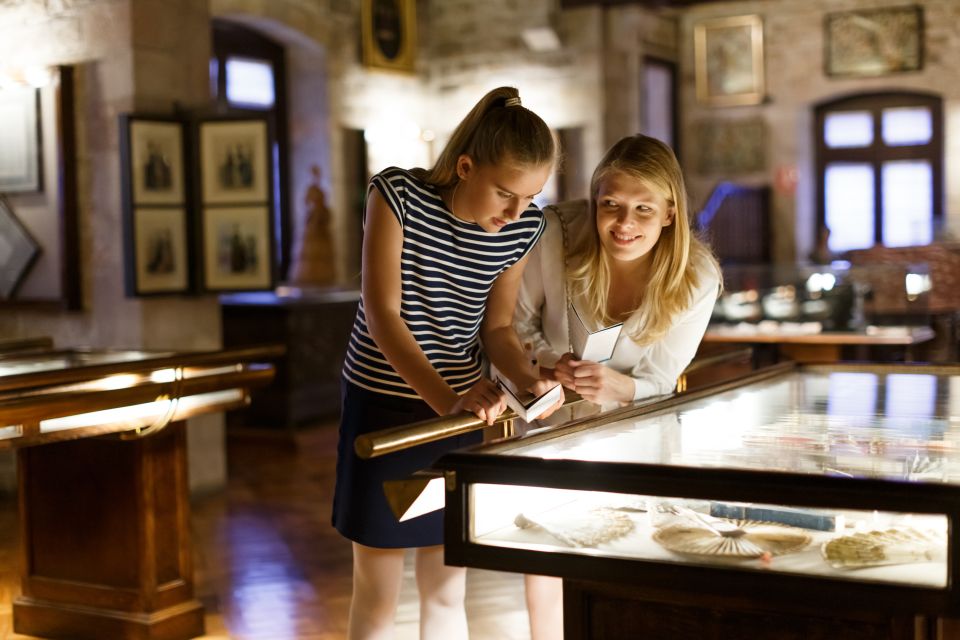
Next comes Bevis Marks Synagogue, and here’s something I think helps set expectations: you’ll see it from the outside only. Still, it’s a meaningful stop. Bevis Marks is the oldest Jewish place of worship in the UK and it’s been central to the Sephardic Jewish community since 1701.
I like exterior-only stops when they’re done well, because the guide can focus on what you can actually observe from the street—style, location, and the neighborhood setting—without you needing to fight through access limitations. You’re not there for a quick landmark photo; you’re there to understand how a long-lived community can shape a street.
The outside-view approach also keeps the tour flowing. You can keep moving while the guide explains how the synagogue connects to later East End growth and the broader Jewish immigration story.
Spitalfields Streets: From Old Market Lanes to Sandy Row

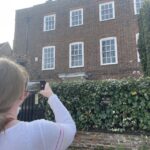
After Bevis Marks, you shift into the Spitalfields area around Old Spitalfields Market. This is where the tour becomes about daily life, not just big events.
You’ll walk historic streets tied to generations of Jewish immigrants. The guide also connects the dots to what defined Jewish community life in the 19th and 20th centuries, including:
- synagogues and community institutions
- soup kitchens and support networks
- Yiddish theaters and cultural spaces
- kosher shops and local commerce
I find that this is the part where the tour helps you mentally “time travel” the most. Instead of treating Jewish London as a museum display, you start to see how culture and survival showed up in ordinary neighborhoods.
One specific highlight is Sandy Row Synagogue, described on the route as a symbol of faith and perseverance. Again, it’s not just a stop for architecture. It’s a reminder that places of worship were also community anchors—especially when the world outside them was unpredictable.
You can also read our reviews of more historical tours in London





The 4-Hour Choice: Imperial War Museum and the Holocaust Galleries
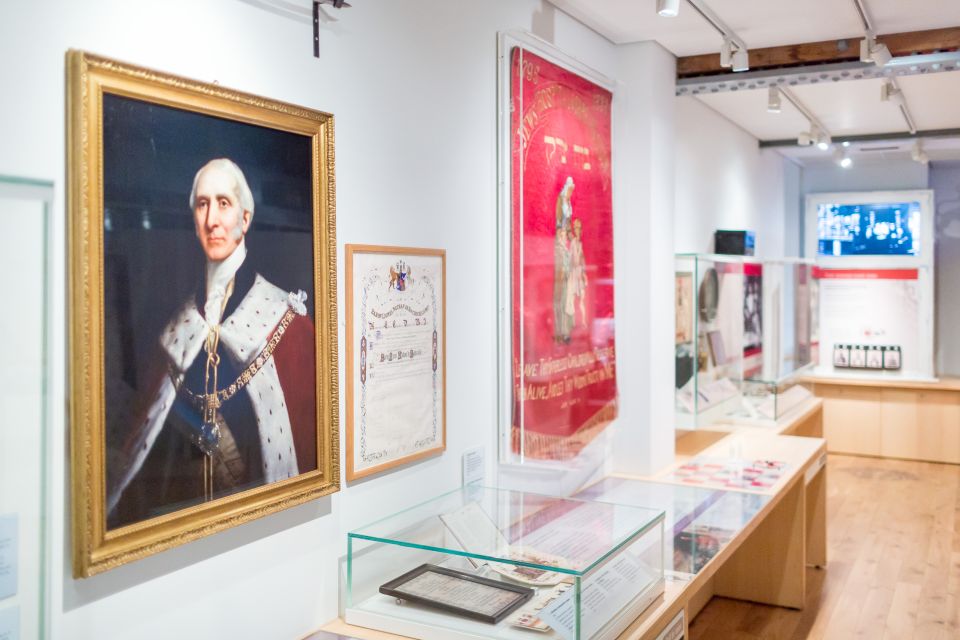
If you choose the 4-hour option, you add a visit to the Holocaust Galleries at the Imperial War Museum. Admission is included, and the tour provides public transport tickets to help you get there.
This is the longest and most emotionally serious segment of the experience. The galleries focus on the tragic impact of the Holocaust through personal stories of some of the six million Jewish victims. You’ll also see exhibits connected to persecution across ghettos and concentration camps across Europe.
A couple of practical things you should plan for:
- It’s still part of a walking day, plus museum time.
- Museum galleries can be cognitively heavy, so give yourself permission to pause and ask questions when your guide offers context.
- Since transport is included via provided tickets, you can spend less energy navigating and more energy processing what you’re seeing.
I also like that this museum section isn’t treated like a checklist item. Your guide’s role is to give you enough context to make sense of what you’re looking at, without turning it into a lecture.
Price and Value: What $298 Gets You in Real Terms
Let’s be honest: a private tour at $298 per person needs to earn its keep. Here’s where the math makes sense.
You’re buying:
- a licensed guide (and you can pick among multiple languages)
- a private format, not a shared-group scramble
- tailoring to your interests, which is hard to get with self-guided routes
- (in the 4-hour option) free entry to the Holocaust Galleries plus public transport tickets
You’re also paying for time and decision-making. Instead of you reading, cross-checking, and building a route through Jewish London and the Imperial War Museum, you get a plan that already connects key places to the stories behind them. For many visitors, that’s the real value: less logistics, more meaning.
The private group size also matters. The tour notes small groups, up to 1–25 guests per guide, and more guides can be added for larger groups. That’s a practical way to keep the experience from turning into a rushed herd.
Guides, Languages, and How You Keep the Control
One of the most praised parts of this experience is how the guide handles the human side of touring. The tour is described with strong focus on responsiveness—adjusting the route and pace to your interests, and staying attentive to safety and comfort during the walk.
Guides you might encounter include Hamish and Ian, both mentioned for being engaging and for adapting to the group. I like that approach because it means the tour can feel like it’s made for your questions, not just the guide’s script.
Language options are broad: English, French, Italian, Spanish, German, Russian, Polish, Japanese, and Chinese. If your group includes non-English speakers, this is a big advantage—you don’t need to compromise on understanding.
Choosing Between the 2-Hour and 4-Hour Options
If you’re deciding, think about what you want most: neighborhood immersion or museum-level depth.
The 2-hour private walking option
This focuses on East London Jewish heritage landmarks, including starting from Tower Hill and reaching key sites such as Bevis Marks and the Spitalfields area. It’s ideal if you want a strong overview with enough time to explore on your own afterward.
The 4-hour option
You keep the same walking foundation but add the Imperial War Museum Holocaust Galleries. If the Holocaust is a central part of what you came to learn about, this option turns your day into a fuller historical arc, not just a neighborhood orientation.
If you’re sensitive to long days, you might treat the 2-hour version as the safer choice. If you want the museum experience and don’t mind a longer day, the 4-hour tour is the better match.
Who This Tour Suits Best
This is a great fit if you:
- want context, not just sightseeing
- like walking through real neighborhoods and asking questions in person
- want Jewish history explained through institutions and community life
- prefer a private setup where the pace is adjusted to your group
It’s also a strong option for people who want to connect synagogue stories to the wider social world—shops, theaters, and support networks—rather than focusing only on religious sites.
Should You Book This Jewish London Tour?
I’d book it if you want a guided East End experience that makes the story feel grounded. The combination of Bevis Marks (seen from the outside), Spitalfields street heritage, and the option for the Imperial War Museum galleries gives you two ways to learn: through the streets and through the museum.
Avoid it only if you can’t handle a moderate walk with uneven surfaces and steps. If you can manage that, the private format, licensed guidance, and (when chosen) included Holocaust Galleries entry make the day feel worth the price.
FAQ
How long is the London Private Jewish History, Synagogues and Holocaust Tour?
It’s offered in two options: a 2-hour private walking tour, or a longer 4-hour option.
Is the Holocaust Galleries at the Imperial War Museum included?
Only the 4-hour tour includes entry to the Holocaust Galleries at the Imperial War Museum. The 2-hour option does not include the galleries.
Where is the meeting point?
Meet the guide in front of the Tower Hill Memorial, Tower Hill GW5C+RX, London EC3N 4DH. Wait by the entrance to the gardens on the left side.
What’s the walking distance and difficulty?
Expect a moderate walking route of about 2.5–3.5 km, with some uneven surfaces or steps. The guide adapts the pace to your group, and the tour runs rain or shine.
What languages are available for the guide?
The tour is available in English, French, Italian, Spanish, German, Russian, Polish, Japanese, and Chinese.
Is the tour wheelchair accessible?
Yes, the tour is wheelchair accessible.
What is the cancellation policy?
You can cancel up to 24 hours in advance for a full refund.