REVIEW · LONDON
Roman Ruins to Blitz Bombings: London’s Fiery History
Book on GetYourGuide →Operated by Historic London Tours · Bookable on GetYourGuide
London has two thousand years in one walk. This guided route in the City takes you past Roman ruins in Londinium and into the shadow of the Tower of London, with stories that connect William the Conqueror, Christopher Wren, and even Queen Boudica’s pop-culture twist to Harry Potter. It’s history you can see street by street, not just facts on a page.
I like the guide’s delivery style: clear, easy-to-follow storytelling with room for questions (Tom is a standout example from past groups). I also like the structure of the walk, because it links eras in a way that makes the City feel like one long, visible timeline.
One consideration: this is a 2.5-mile walking tour in about two hours, and the Tower of London stop leans into the sinister, bloody side of the past.
In This Review
- Key highlights worth getting excited about
- Roman Ruins to Blitz Bombings: one route through changing London
- Tower Hill meeting point and the 2.5-mile reality check
- Roman Wall of Londinium: seeing Roman London without a big detour
- Tower of London: power, fear, and the stories behind the stone
- Saint Dunstan in the East and the Great Fire markers
- Bank of England vaults and the long reach of the Lord Mayor
- Guildhall to St Paul’s: civic London, faith, and a sharper sense of where you are
- Ye Olde Cheshire Cheese: finishing with a classic London stop
- Price and value: is $26 worth it?
- Who this walking tour fits best (and who should rethink it)
- Should you book Roman Ruins to Blitz Bombings?
- FAQ
- Where does the tour start?
- What time does the tour run and how long is it?
- How far do we walk?
- Is the tour in a small group?
- How much does it cost?
- What’s included?
- Are museum entrances included?
- Where does the tour end?
- What should I bring?
- Is the tour only offered in English?
Key highlights worth getting excited about
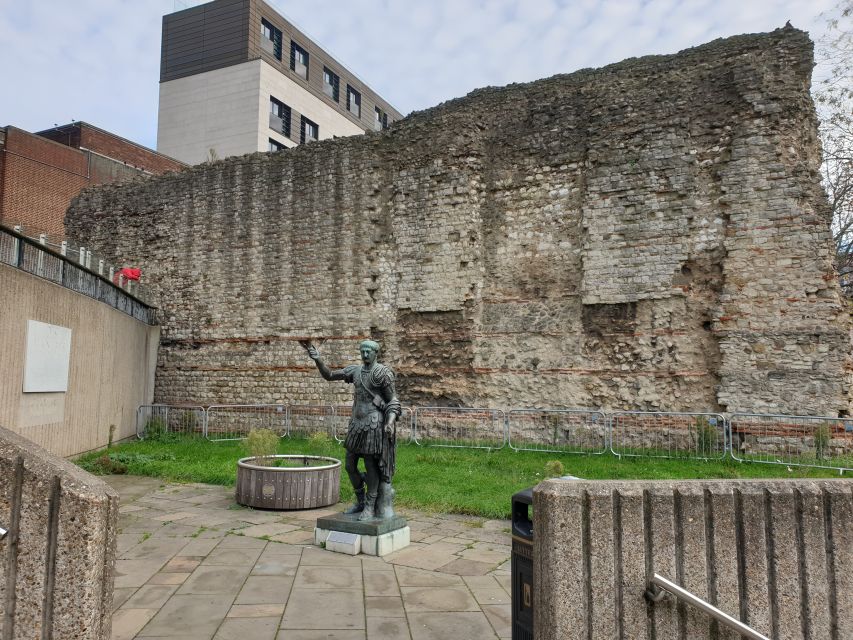
- Roman Wall of Londinium: spot what’s left and learn why it matters in the middle of modern London
- Tower of London focus: quick, sharp context around the darker chapters you’ll see nearby
- Great Fire markers: the Monument and London Stone give you “before-and-after” perspective fast
- Bank of England vault story: a practical, story-driven moment on how the city guards power
- Civic London stops: Guildhall and the St Paul’s area show how governance and faith shaped the streets
- Small group size (15 max): easier pace, easier questions, less walking in a crowd
Roman Ruins to Blitz Bombings: one route through changing London
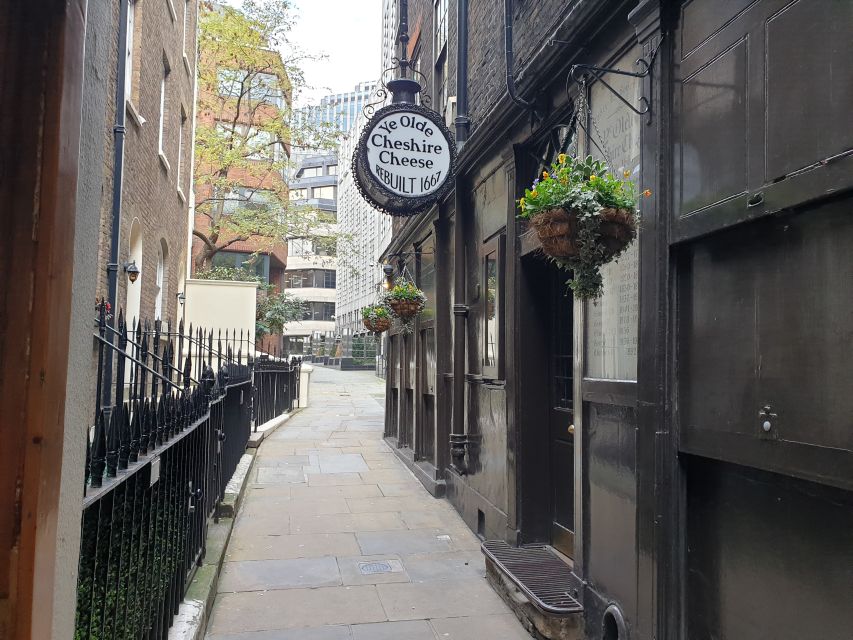
The best thing about this walk is how it turns London from a blur into a chain of cause-and-effect. You’re not just passing famous buildings. You’re watching the City remake itself after invasion, fire, and war. The theme is Roman Ruins to Blitz Bombings, and the guide brings that idea to life by bouncing between eras you’d normally treat as separate trips.
You’ll move through the ancient heart of the capital, starting with the founding days of the City and the places where you can still make out Roman remains. From there, the tour keeps pulling you forward in time. Expect stops that connect William the Conqueror and the way England reorganized after conquest, plus Christopher Wren, who becomes important when you’re standing near fire-scarred landmarks and rebuilding stories. And yes, you’ll get ghostly and pop-culture links too, including the talk about Anne Boleyn’s ghost and a Queen Boudica connection to Harry Potter.
What I like for your planning is that the tour stays compact. In two hours you see a lot of “layers,” which is exactly what London is good at. The City is dense, and this route is designed for that density: short stops, clear context, and just enough time to look up from your phone and notice details on the street.
You can also read our reviews of more historical tours in London



Tower Hill meeting point and the 2.5-mile reality check
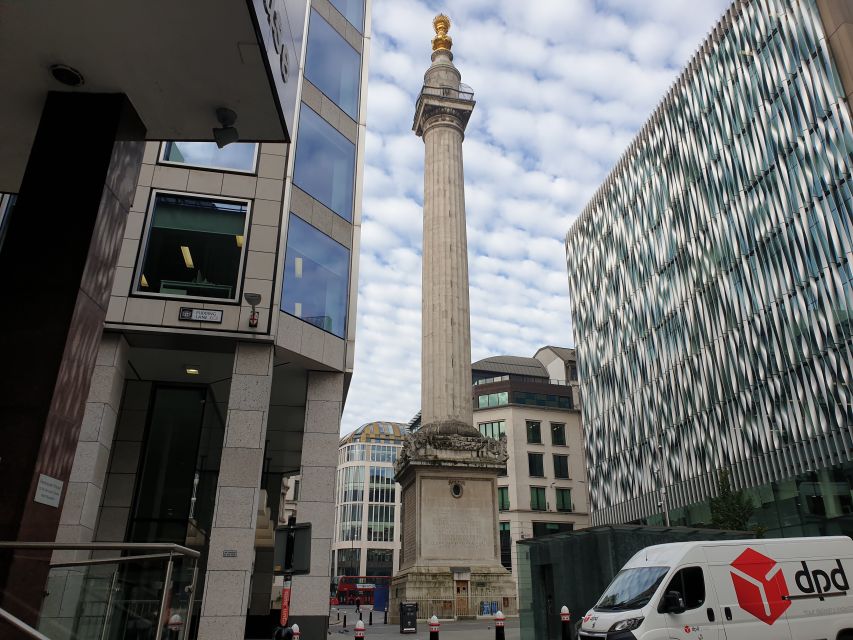
The tour starts outside Tower Hill Station, at the exit where you can spot your guide at the base of the steps leading up to the sundial. The guide carries a Historic London Tours sign, so you won’t have to play guessing games at street level. It also lines up with the Free Jack the Ripper Tour meeting point vibe in the same area, which is helpful because the surrounding streets can feel confusing at first.
You’ll walk about 2.5 miles total and spend around two hours on foot. That’s a manageable distance for most people who can handle city sidewalks, but it’s still real walking. Bring comfortable shoes, because London pavements can be uneven, and the tour pace is tight enough that stopping to admire everything for five minutes each time will throw you off schedule.
There are also no museum entrances included. That’s a good thing if you want a street-level history walk. It can be a downside if you’re hoping for indoor exhibits at any stop—this experience is all about what you can see and hear outside.
Finally, the tour caps attendance at 15 people. That matters. With a smaller group, the guide can actually answer your questions without the whole group losing the thread.
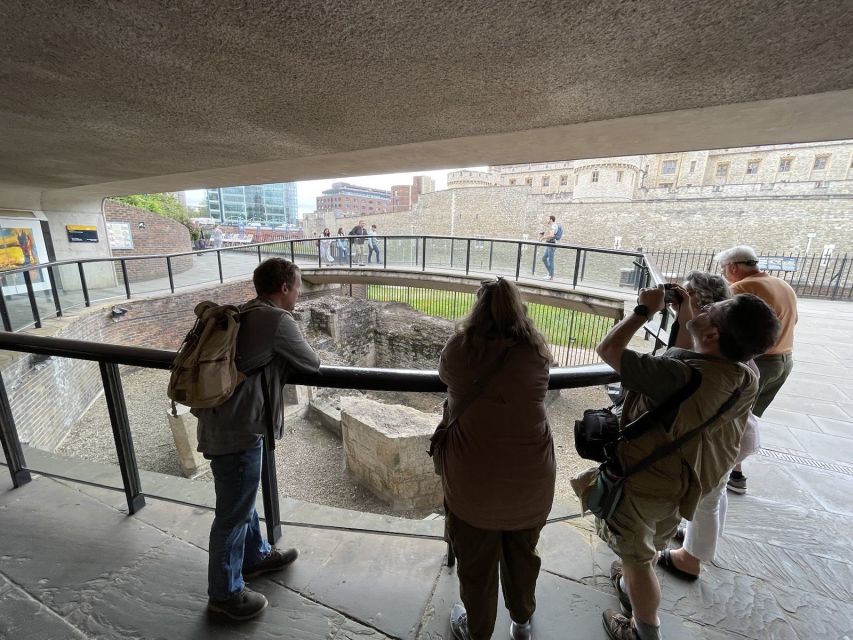
Roman Wall of Londinium: seeing Roman London without a big detour
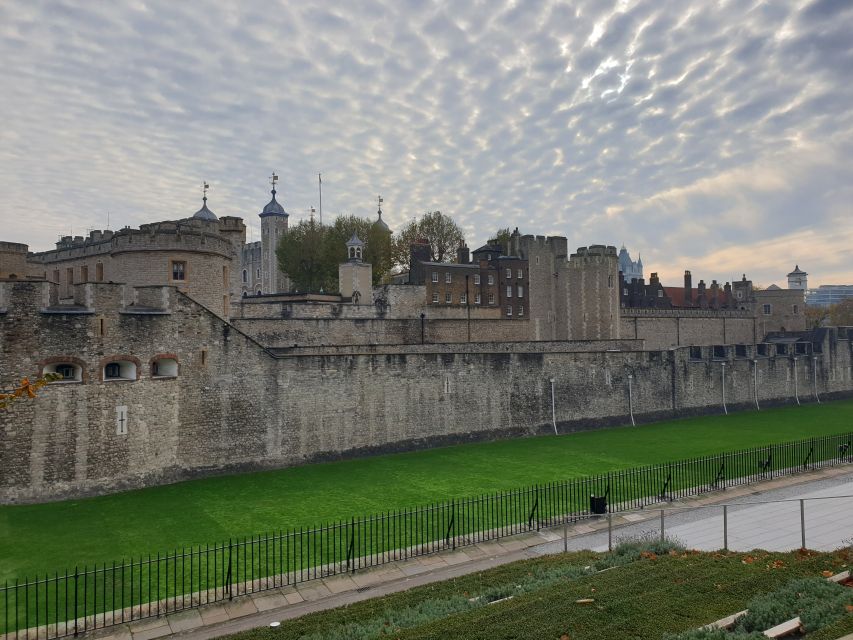
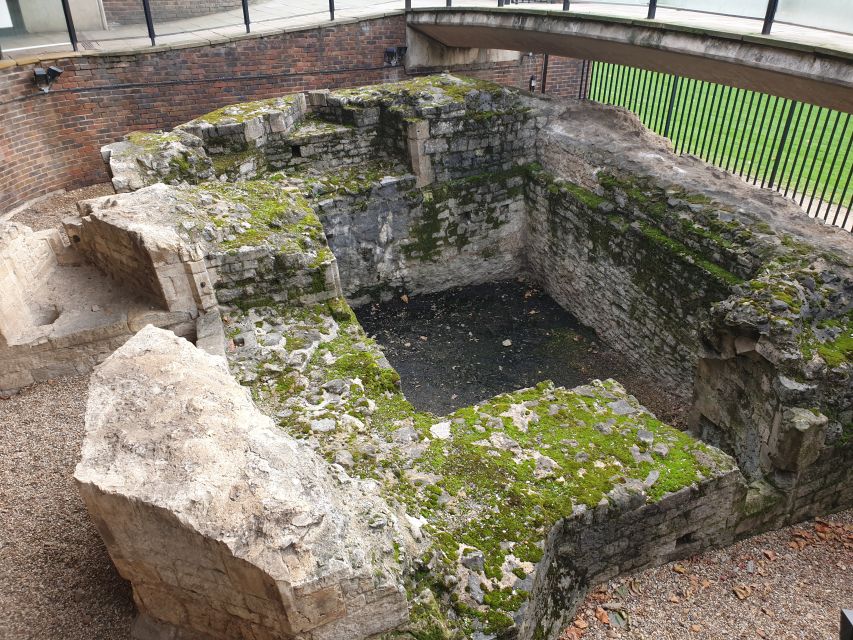
One early win is how the tour gets you thinking like a Londoner from two thousand years ago. At the Roman Wall of Londinium stop, you’re not just told Rome existed—you’re guided toward where you can still observe Roman traces in the modern City. That’s the kind of moment that changes your “how to look” habits in London. You start noticing edges, materials, and odd bits of architecture that don’t look like they belong to the buildings around them.
I love this part because it’s visual and specific. Roman London in your head often means a museum display. Here, it’s the street itself doing the teaching. When the guide explains what survived and why, you understand that the City didn’t erase the past all at once. It layered over it, rebuilt over it, and—sometimes—left enough behind to make the story believable.
The value for you: if this is your first London trip and you only have a day or two in the City, this stop gives you a foundation. Once you’ve got Londinium in your mind, later stops about governance, power, and war make more sense.
Possible drawback: if you’re expecting a long, slow exploration of Roman ruins, you’ll need to manage expectations. This tour gives Roman London context in short bursts, then moves on. It’s designed as a history walk, not a deep archaeology session.
Tower of London: power, fear, and the stories behind the stone
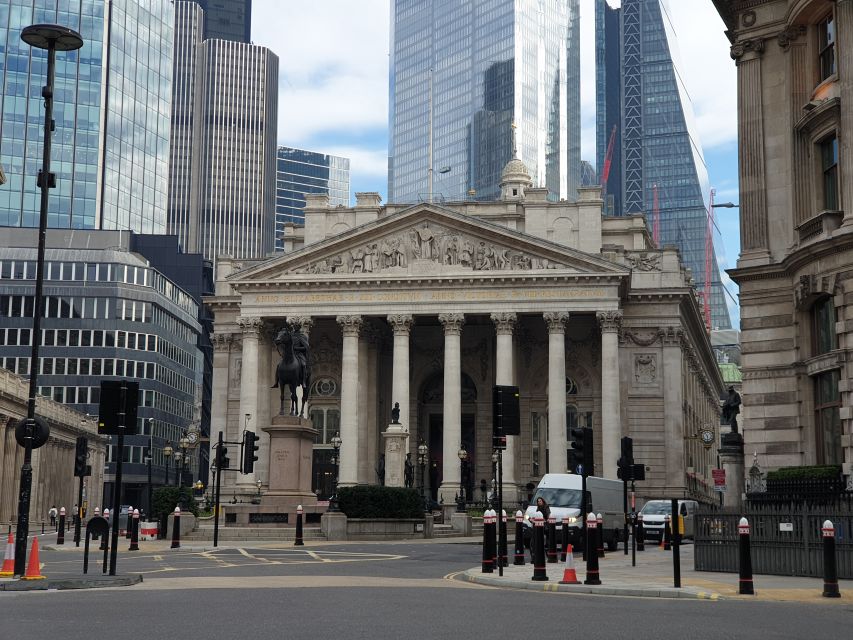
Then you hit the Tower of London, and the tone shifts in a way that’s appropriate. This is where the tour leans into the sinister and bloody past of the fortress. The guide keeps it grounded and connected to what you see nearby, so the Tower doesn’t become just a name on a postcard.
I like how the tour treats the Tower as a turning point. You’re not only learning about what happened there—you’re learning why it mattered to the City and to the people in charge. Standing near such a symbol of control makes the medieval story feel more immediate. The Tower is also the kind of site where you’ll hear the ghost element, including the mention of Anne Boleyn’s ghost, which gives the local folklore a specific place in the broader historical timeline.
For your planning, here’s what to keep in mind: this portion is darker by nature. If you prefer light, upbeat sightseeing, the Tower’s subject matter may not be your favorite. But if you want your London history honest and human—fear, power, and consequences included—this is one of the best ways to get context quickly without committing to a full day of museum time.
And because the group is small, the guide can handle the practical questions that come up when you’re staring at a fortress and wondering how it worked.
Saint Dunstan in the East and the Great Fire markers
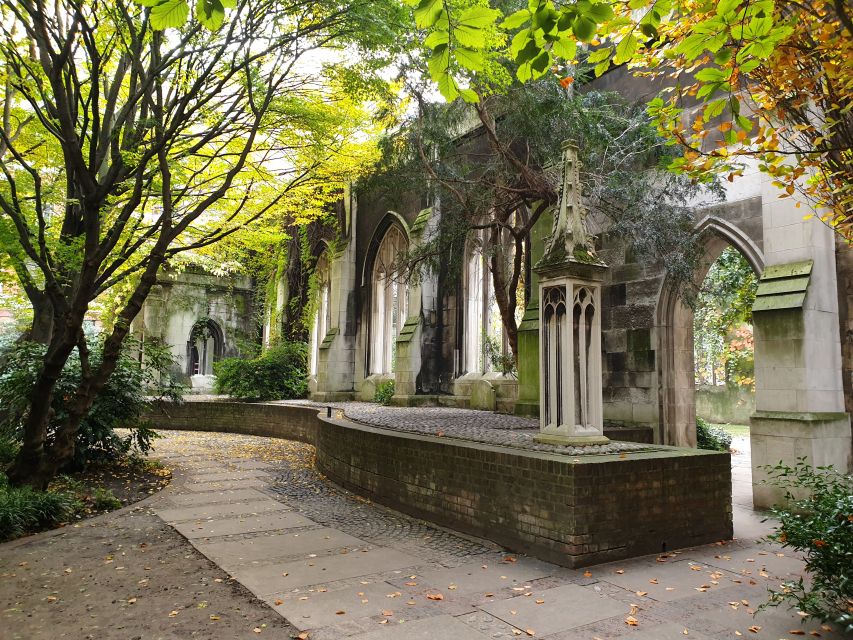
After the Tower, the tour keeps moving through key City landmarks that help explain how London survived disruption and kept rebuilding. One stop is Saint Dunstan in the East Church Garden. Even if you don’t know the church’s background going in, the guide’s job here is to link places of worship to the way communities held on through change. It’s the kind of stop that adds texture: not every history lesson is about kings and battles. Some of it is about how daily life clung to institutions.
Then you get to the Monument to the Great Fire of London. This is where the tour shows you how fire re-shaped the City’s physical and political layout. The guide points you toward what to notice, so you leave with a clearer idea of what the Great Fire meant beyond the headline. You’re not just hearing a story—you’re connecting it to nearby landmarks and the rebuilding narrative.
Right after that, you’ll see London Stone, focusing on the remaining part. London Stone is one of those items that can look like a random object until you’re told why it mattered. The guide uses it to anchor the idea that the City kept symbols, records, and markers even as the buildings changed around them. It’s a small stop that can make the biggest impression because it teaches you how London “remembers.”
For a time-saving angle: these are outdoor, close together in theme, and they help you build a mental map of London’s biggest turning points without an indoor schedule.





Bank of England vaults and the long reach of the Lord Mayor
One of the most fun parts of the tour is how it brings modern power into the same story as ancient walls. The stop at the Bank of England comes with a very specific piece of tour magic: you’ll learn the easiest way to tunnel into the Bank of England’s vaults. It’s a playful prompt, but it also points to a serious idea—how institutions protect assets, and how control of wealth affects how cities run.
Then the tour shifts into civic governance with the Lord Mayor angle. You’ll hear about the role’s age—an eight-century-old position—and it helps connect the City’s identity as a place where power lives right alongside commerce. This is useful for your understanding of London, because the City of London is not just “London.” It has its own traditions, priorities, and sense of continuity.
I like this stretch because it’s practical for your brain. By the time you leave, you should be able to explain the difference between the City’s long-running civic identity and the monarchy-and-tower style of power you hear about at earlier stops. Even if you don’t memorize every date, the structure sticks.
If you’re the kind of traveler who enjoys learning how systems work—not just who ruled—you’ll probably enjoy this part more than you expect.
Guildhall to St Paul’s: civic London, faith, and a sharper sense of where you are
Next comes Guildhall, London. This stop makes the City feel official in a way that’s hard to get from a quick walk past big buildings. The guide ties Guildhall into the theme of governance and public life, helping you understand why this area shaped decisions long before the rest of the capital became what most people picture as London today.
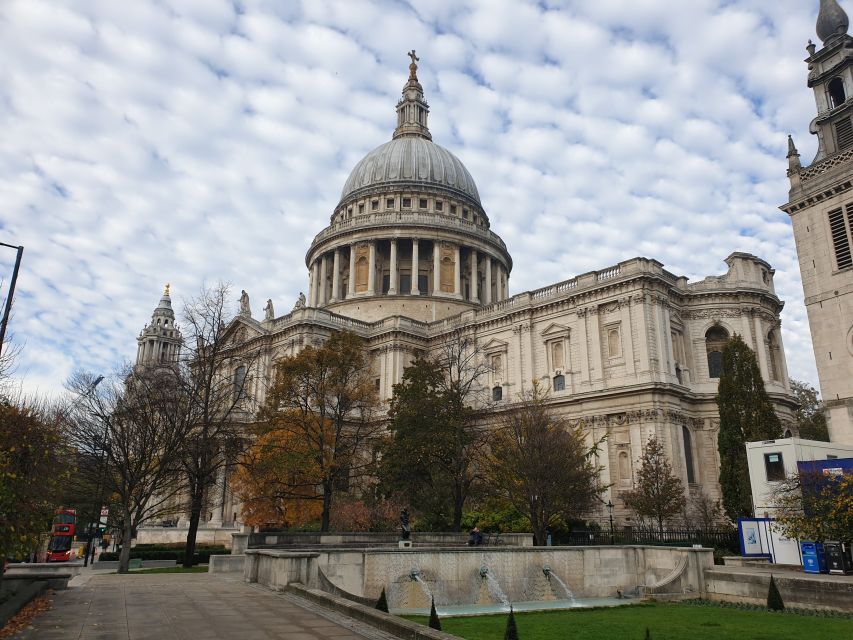
After that, you’ll head toward St Paul’s Cathedral. The value here is not an interior visit—remember, museums aren’t included—but a sense of positioning. St Paul’s works as a visual anchor for the rebuilding story tied to fire and later changes. When you’ve already heard how Christopher Wren fits into the narrative, St Paul’s becomes less of a landmark and more of a conclusion you can stand next to.
This stretch also helps you reset your bearings. By the time you’re approaching the final stretch, you’ll understand the general geography of your route: you started around Tower Hill and you’re working toward the Blackfriars side of the center. The walk ends near Blackfriars Station, but the final stop is at Ye Olde Cheshire Cheese—so you don’t just disappear into the underground crowd.
Ye Olde Cheshire Cheese: finishing with a classic London stop
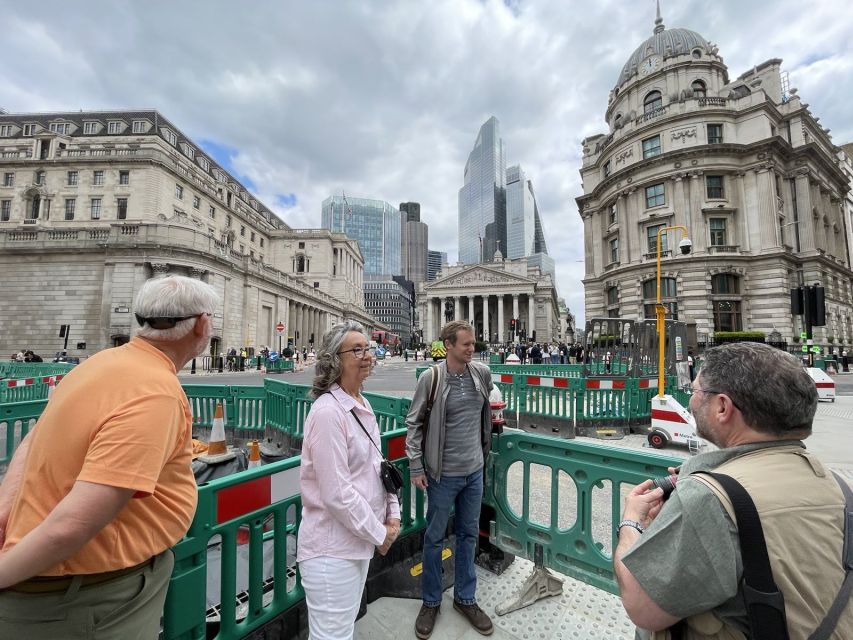
The tour wraps at Ye Olde Cheshire Cheese. It’s a fitting ending for a walking tour about survival and continuity. The place gives you an easy, social way to decompress, compare notes, and ask one last question that you didn’t want to interrupt earlier.
I also like practical tour design here: you finish near a major transit node (Blackfriars Station), so you can continue your day without backtracking. If your next stop is dinner or a show, this is a sensible place to exit a history walk.
Since museum time isn’t included, this final pub stop also helps you balance your plan. You get your history fix, and then you can choose how long you want to linger.
Price and value: is $26 worth it?
At $26 per person, this tour sits in the “good deal if you like history” category. You get a guided walk that covers two thousand years of references, plus a route of real, outdoor landmarks you can’t easily piece together on your own in a couple of hours.
Value also comes from the structure: about two hours, roughly 2.5 miles, and a capped group size of 15 attendees. That combination usually translates to fewer distractions and more chances to ask questions. And the guide’s style is clearly part of the product—clear delivery, lots of answers, and humor that keeps things moving without turning the facts into a joke.
What you should decide before booking is how you like learning. If you enjoy street-level context and want a guided narrative, this price makes sense. If you only want top-tier time in museums or want deep dives into one site, you may feel constrained by the pace.
Who this walking tour fits best (and who should rethink it)
This is a strong fit if:
- you want a City of London overview in a compact timeframe
- you like walking routes where the guide explains what you’re seeing
- you enjoy stories that connect eras, from Romans to medieval to later rebuilding
- you’re okay with a darker note at the Tower of London stop
It might be less ideal if:
- you need long stops for photo time or you walk slowly
- you want museum entrances or indoor exhibits
- you prefer strictly light themes and don’t want the Tower’s bloody historical subject matter
If you’re traveling with a group of friends who have mixed interests, this route can still work because it mixes big-name figures and pop-culture connections with visible landmarks.
Should you book Roman Ruins to Blitz Bombings?
I’d book this tour if your goal is smart, efficient London history with a clear route and a guide who keeps the story readable. The standout reason is the way it makes London’s layers feel connected: Roman remains, fire, wartime change, and civic power all tied together through stops you can actually locate on foot.
Skip it if you’re mainly craving museum time or if you know you’ll struggle with about 2.5 miles in roughly two hours. But for most travelers planning a first or second visit to the City, this is exactly the kind of afternoon activity that helps the rest of your trip click.
FAQ
Where does the tour start?
The tour starts outside Tower Hill Station at the exit where your guide is standing at the base of the steps leading up to the sundial, holding a Historic London Tours sign.
What time does the tour run and how long is it?
The duration is about 2 hours. Check available starting times when you book.
How far do we walk?
The total walking distance is about 2.5 miles.
Is the tour in a small group?
Yes. Ticket sales are limited to fifteen attendees to help keep the experience enjoyable.
How much does it cost?
The price is $26 per person.
What’s included?
You get a walking tour with a local guide.
Are museum entrances included?
No. Entrance to museums is not included.
Where does the tour end?
It ends near Blackfriars Station and finishes at Ye Olde Cheshire Cheese.
What should I bring?
Bring comfortable shoes for walking around London’s streets.
Is the tour only offered in English?
Yes, the live tour guide language is English.