REVIEW · LONDON
London: Rock ‘n’ Roll History Tour
Book on GetYourGuide →Operated by London Rock Music History Tours · Bookable on GetYourGuide
Rock music turned streets into legends. This 3.5-hour coach tour threads Chelsea Drug Store, punk venues, Queen’s Kensington roots, and the final stop at Abbey Road into one easy afternoon loop. I especially like how it pairs famous names with real neighborhoods you can still walk today, and I also love that the guide experience is interactive—some guides even use photo albums to make the stories click fast.
One thing to keep in mind: it’s a bus tour with stops outside landmarks. If you’re hoping for long, inside visits to every site, this won’t be that kind of day.
In This Review
- Quick hits before you go
- Why This Rock ’n’ Roll Bus Tour Works in 3.5 Hours
- Getting There: The Meeting Point Switch (St James’s vs Kensington)
- Chelsea and King’s Road: Fashion Meets Rock Legends
- Kensington for Queen: Where the Band Took Shape
- St John’s Wood, Notting Hill, and the Punk-to-Reggae Story
- Studios, Offices, and the Star-Friendly Streets
- Kensington and Hendrix Threads: How One City Shapes Different Eras
- Abbey Road: The Photo Stop That Becomes the Memory
- Transportation, Timing, and What Comfort Looks Like on This Coach
- Price Value at $74: What You’re Really Paying For
- Who Should Book This Tour (and Who Might Not)
- Should You Book This London Rock History Tour?
- FAQ
- How long is the London Rock ’n’ Roll History Tour?
- What does the tour include?
- Is pickup or drop-off included?
- Where do I meet the tour?
- What time should I arrive?
- Is the tour available in English?
- What should I bring?
- Is the tour wheelchair accessible?
- Is there free cancellation?
- Can I pay later?
Quick hits before you go
- A tightly packed rock tour (3.5 hours) that covers more than just Beatles and makes time for punk and reggae roots too.
- Chelsea and King’s Road first, the place where fashion and music history share the same sidewalks.
- Queen in Kensington, including where the band formed and where Freddie lived.
- Punk-era London gets real names, with Sex Pistols, The Clash, Poly Styrene, and X Ray Spex in the story.
- Abbey Road ends the day, with a classic photo stop that’s treated as a highlight, not a quick checkbox.
- Air-conditioned bus comfort, plus drivers used to squeezing big vehicles through London traffic, like Paul and George in customer comments.
Why This Rock ’n’ Roll Bus Tour Works in 3.5 Hours
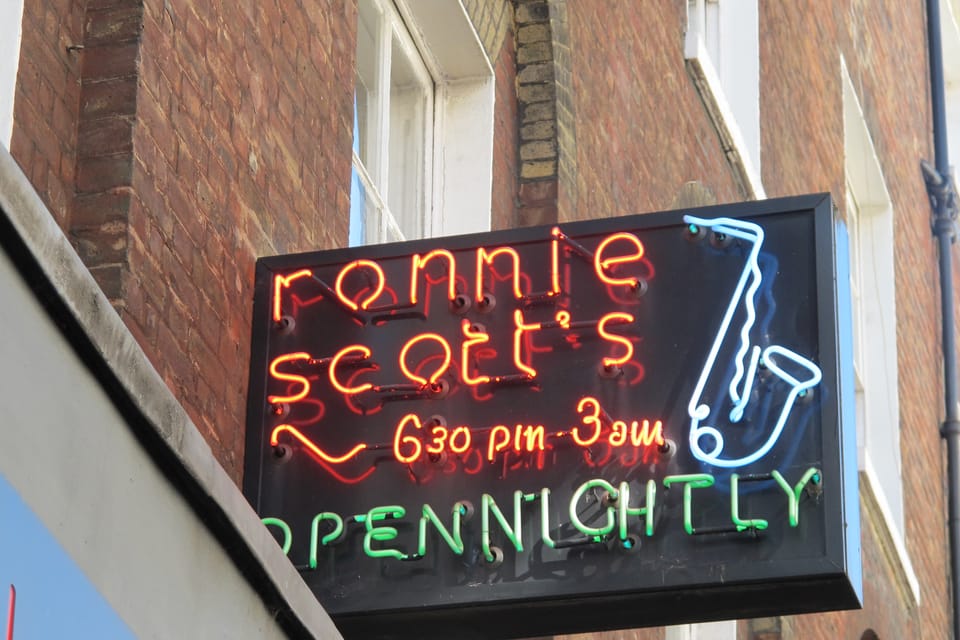
This is the kind of London tour I like: short enough to fit into a packed itinerary, but focused enough that you actually come away with a sense of where the music happened. You’re not doing a “one band at a time” crawl. Instead, you’re moving through neighborhoods that shaped several eras—Sixties swing, the hippie counter-culture, the punk revolution, and the reggae-connected side of town.
I also like the way the guide framing tends to connect songs to streets. When Clive uses a photo album approach, for example, the landmarks stop feeling abstract. You start to recognize patterns: where artists lived, where they played, and where the industry machinery sat close by.
The big trade-off is also clear: the stops you’ll see are mostly outside locations. You’ll get the geography and the stories, but you won’t get hours inside every venue. For most music fans, that’s the right call. For those who want deep venue access, it’s worth knowing up front.
You can also read our reviews of more historical tours in London
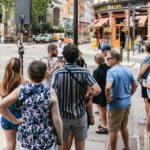

Getting There: The Meeting Point Switch (St James’s vs Kensington)
Your starting location changes based on the date, and it matters because you’re on a timed bus schedule.
- Until March 31, 2026: Duke of York Column, St. James’s, London SW1Y 5AJ
About a 5-minute walk from Piccadilly Circus or Charing Cross stations.
- From April 1, 2026: Millennium Gloucester Hotel, Kensington
A few minutes’ walk from Gloucester Road Underground Station. Wait by the hotel’s casino entrance.
The instruction I’d follow is simple: arrive at least 10 minutes early to check in. That gives you time to find the correct pickup zone without stress, and it helps the bus roll on schedule.
Chelsea and King’s Road: Fashion Meets Rock Legends
Chelsea is where London’s music swagger shows up in everyday details. The tour centers on the King’s Road, the iconic stretch tied to fashion, nightlife, and music heritage. Even if you’ve visited London before, this part of the route helps you see Chelsea as more than pretty streets—it reads like a timeline.
Here’s what the tour targets in this area:
- boutiques, pubs, and clubs linked to famous artists
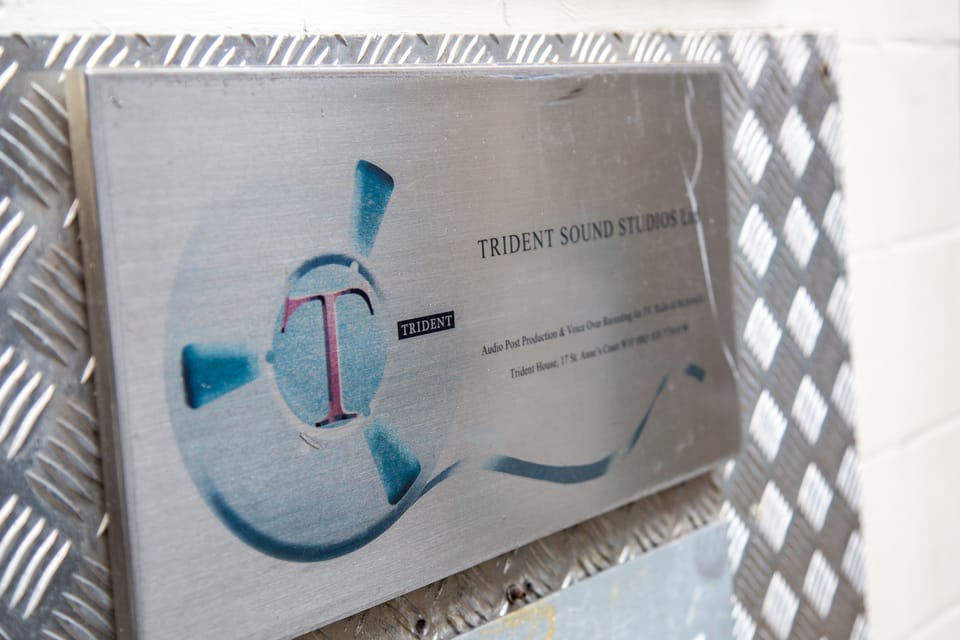
- stops outside studios, record company offices, gig sites, and star-favored hotels
- the specific Chelsea connections that explain why so many stories end up here
One of the fun things is that the tour doesn’t keep the story stuck in one band’s orbit. You’ll hear about the Rolling Stones sharing a flat and Mick and Marianne partied. There’s also mention of the famous Chelsea Drug Store and where Eric Clapton’s Cream years fit into the picture. And because London celebrities love making “home base” out of places, you’ll also get the angle of weddings and big moments tied to well-known addresses.
Practical tip: wear comfortable shoes. The tour is bus-based, but you’ll still want feet that feel good when you step out for photos and quick landmark moments.
Kensington for Queen: Where the Band Took Shape
After Chelsea, the route pushes into Kensington, and the tour treats this area like a cornerstone for one reason: Queen formed here. This isn’t just a name-drop. The story is framed around how Kensington life fed early band energy—practice, friendships, and the surrounding scene that made the leap possible.
You’ll also hear about:
- album parties tied to the neighborhood
- where Freddie lived
- why Kensington matters as a “starting point” rather than only a celebrity address
This is a smart shift in tone. After the broader rock-and-Beat era connections, Kensington brings it back to a single band with clear anchors. If Queen is your entry point, this is where the tour starts to feel personal.
And even if you’re a Beatles fan first, Queen’s Kensington chapter helps you understand something important about London: you’re not just seeing famous streets—you’re seeing recurring ecosystems of creativity.
St John’s Wood, Notting Hill, and the Punk-to-Reggae Story
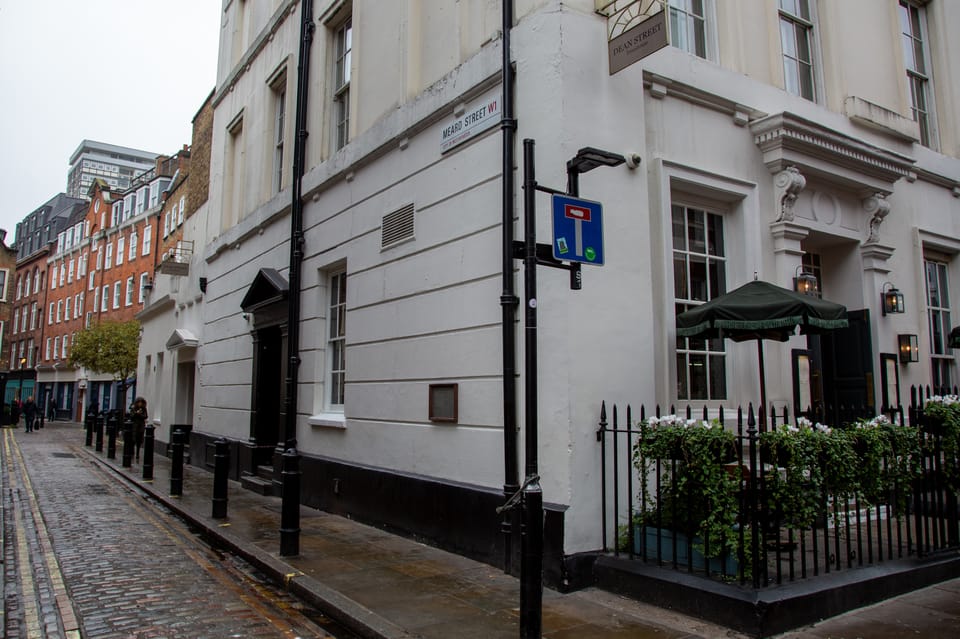
This is where the tour broadens the lens beyond classic-rock plaques. The route includes Notting Hill and St John’s Wood, and it uses them to connect different cultural waves.
In Notting Hill, the focus is on community and music crossover:
- Notting Hill as the heart of London’s Caribbean community
- a nod to the reggae scene
- the neighborhood’s role when it was home to hippies and punks
That mix matters because it explains how genres didn’t grow in isolation. London’s music scene was—and still is—an overlap of styles, audiences, and street-level energy.
Then the tour pulls you toward the punk movement with specific bands named as part of the local story, including:
- Sex Pistols
- The Clash
- Poly Styrene
- X Ray Spex
If you like punk, you’ll appreciate that the tour doesn’t treat punk like a late-genre afterthought. It places punk as a “cradle” moment tied to real places and real momentum.
A note on pacing: this is one of those tours where the bus makes sense. London’s neighborhoods are close but not walk-close when you’re juggling several themes in one afternoon.





Studios, Offices, and the Star-Friendly Streets
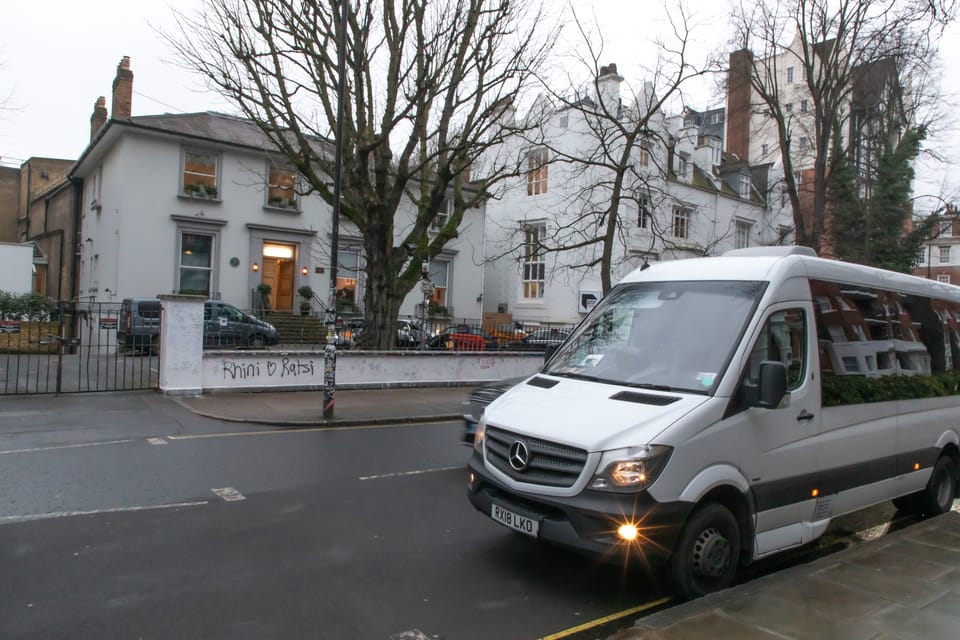
One of the smartest parts of the tour is that it doesn’t only talk about musicians as isolated geniuses. It points you to the infrastructure around them—places where the industry worked and where scenes gathered.
You’ll get stops outside:
- studios
- record company offices
- gig sites
- shops frequented by the glitterati
- hotels favored by the stars
This kind of framing can be oddly satisfying. It makes London feel less like a museum and more like a working machine. The tour is essentially saying: the music story isn’t only onstage. It’s also in offices, hallways, and the routes between them.
There’s also a strong “era knitting” element. You’re hearing about Sixties counter-culture, the turn toward punk, and later shifts that included reggae-adjacent neighborhoods—while still returning to specific locations tied to named artists.
Kensington and Hendrix Threads: How One City Shapes Different Eras
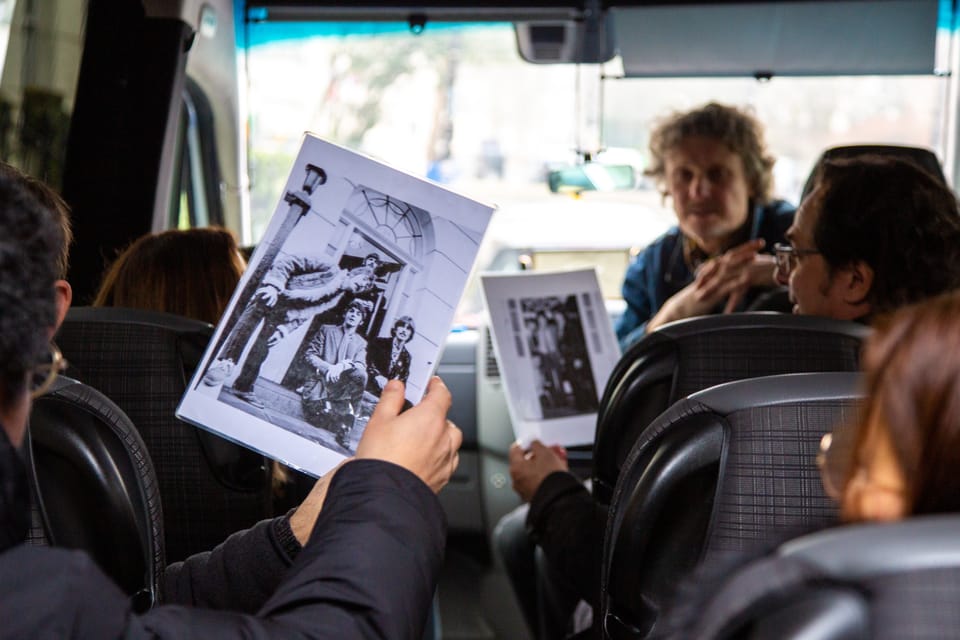
The tour also weaves in major personal-story connections. One of the big names referenced is Jimi Hendrix—with the tour pointing out places where he lived, played, and died.
That’s not just trivia. It changes how you experience London once you know a neighborhood carries multiple layers: you can walk the same streets and feel different cultural weather moving through them.
The tour also connects to Beatles-era landmarks, including:
- former homes and gig sites linked to the Beatles
- the Get Back rooftop concert site
It helps if you treat this part like a mapping exercise. You’re not expected to memorize every address forever. The value is in seeing the geography of influence—how London concentrated the right mix of artists, venues, and industry access.
Abbey Road: The Photo Stop That Becomes the Memory
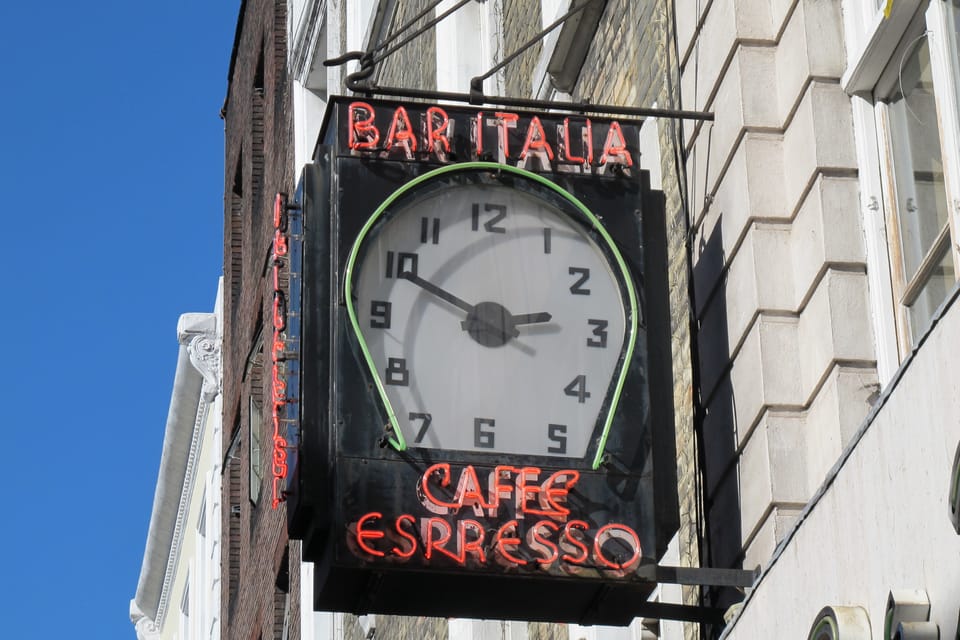
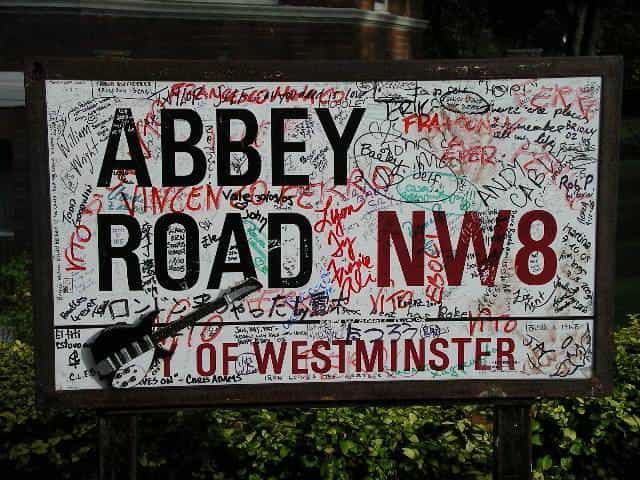
The last moment is the one almost everyone expects: the famous Abbey Road crossing. It’s where the day turns into a souvenir, because you can step into the spot and recreate the iconic image.
What makes this stop work is the organization around it. Some guides make sure everyone gets a clean photo moment at the crossing. For instance, a guide named Richard is called out for being patient and taking pictures of everyone who wanted one.
So plan for this as your “do it for real” stop. Bring your camera or phone strap-ready. Dress for the light and weather (London can change fast), and use the time to get at least one full-body shot. It’s the kind of photo you’ll actually look at later.
And because the rest of the day has built context, Abbey Road lands with more meaning than it would in isolation. It’s not just a famous intersection; it’s the end of a mapped story across decades.
Transportation, Timing, and What Comfort Looks Like on This Coach
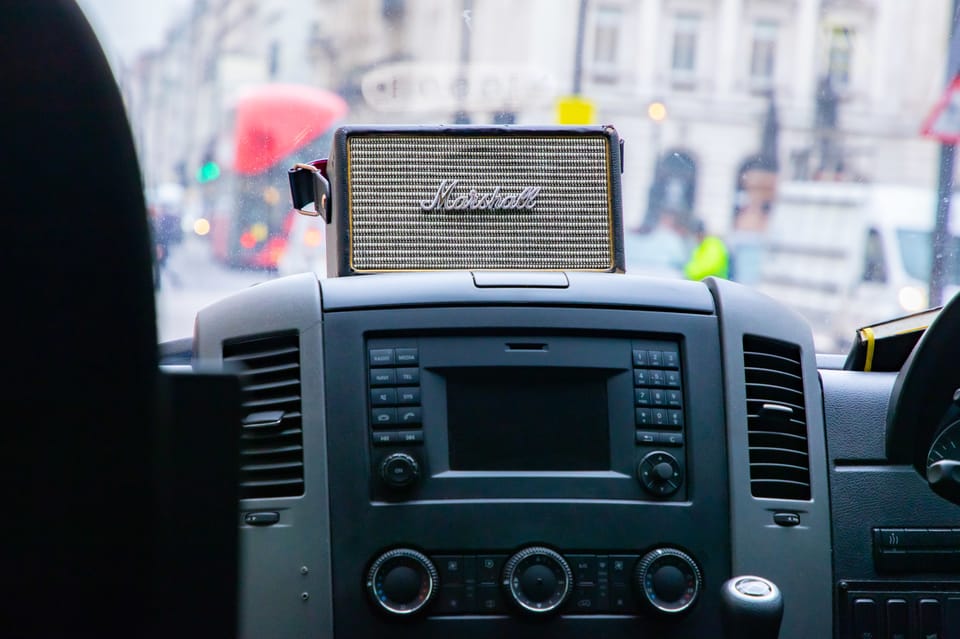
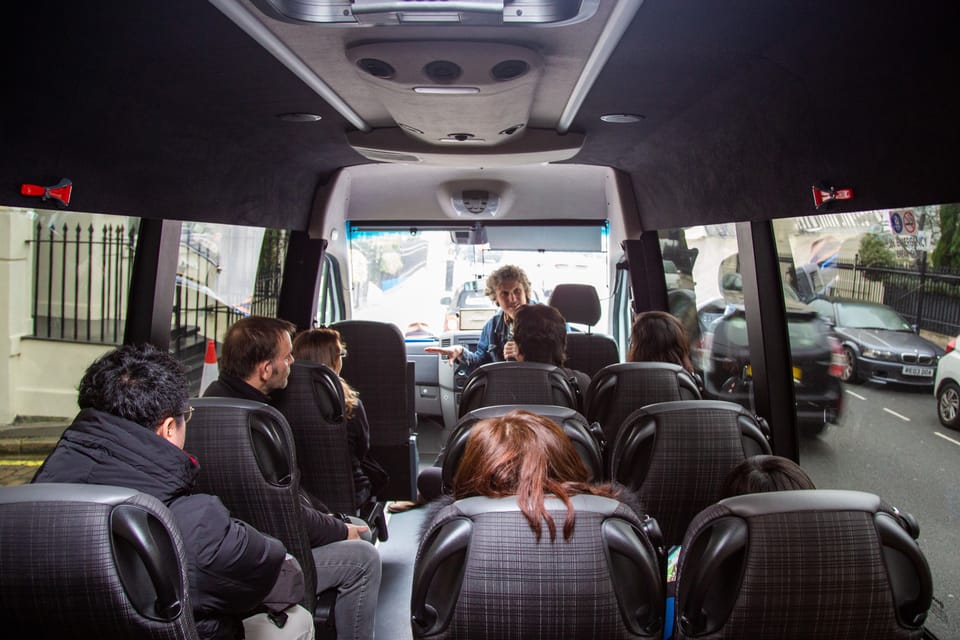
The tour uses an air-conditioned bus, and the practical benefit is obvious on a warm or rainy day. The route also depends on the driver’s ability to handle tight streets and traffic.
Customer comments mention drivers like George staying calm in tight spots and Paul navigating narrow streets masterfully with a large bus. That’s not a small detail. London traffic can turn a “short hop” into a time sink, and this tour’s structure relies on dependable routing.
How it feels in the day-to-day:
- you’ll see a lot of areas in one afternoon
- you won’t be wearing out your feet like a walking tour
- you should still wear comfortable shoes because you’ll step out for stops and photos
Not suitable for wheelchair users, which you should note if mobility is a factor. If mobility is limited, you’d likely want a tour designed for accessibility from the ground up.
Price Value at $74: What You’re Really Paying For
At about $74 per person for 3.5 hours, this isn’t an “economy-only” sightseeing bargain, and it isn’t a luxury splurge either. The value comes from three things you get together:
- A guided, themed route through multiple music eras and neighborhoods
- Transport by air-conditioned coach that saves you from stitching together multiple tube rides
- A guaranteed Abbey Road photo moment with on-the-ground time built into the end of the tour
If you’re the type who enjoys music trivia, you’ll get plenty of it. But the stronger benefit is the neighborhood context: Chelsea, Kensington, Notting Hill, and St John’s Wood start making sense as connected chapters rather than scattered “things to see.”
If you’re only in London for a short stay and you want a fast way to orient yourself around rock legends without committing to a full-day hike, this price can feel fair.
Who Should Book This Tour (and Who Might Not)
This tour is a great fit if:
- you’re a music fan who wants the places behind the songs
- you want to cover Chelsea, Kensington, Notting Hill, and St John’s Wood in one afternoon
- you’ll enjoy the story even when it shifts from Beatles angles to punk and reggae-connected neighborhoods
- you appreciate a strong photo finish at Abbey Road
It may not be the best fit if:
- you expect long interior visits at every stop (this is built around passing and stopping outside)
- you have mobility needs that require wheelchair-friendly routing
Should You Book This London Rock History Tour?
Yes, if your goal is to turn London streets into music memories without spending your whole day commuting. The structure works for first-timers because it layers neighborhoods and eras in a way that feels chronological and fun.
If your priority is deep access inside lots of venues, you might feel limited. But if you want a guided map with real names tied to real streets—and you care about that Abbey Road photo—this is one of the more satisfying ways to spend a half-afternoon in London.
FAQ
How long is the London Rock ’n’ Roll History Tour?
The tour duration is 3.5 hours.
What does the tour include?
It includes the London’s Classic Music History tour, a visit to Abbey Road, a tour guide, and transportation by air-conditioned bus.
Is pickup or drop-off included?
No. Pickup and drop-off are not included.
Where do I meet the tour?
Until March 31, 2026, meet at Duke of York Column, St. James’s, London SW1Y 5AJ. From April 1, 2026, meet at Millennium Gloucester Hotel, Kensington, waiting by the casino entrance.
What time should I arrive?
Arrive at least 10 minutes before the tour starts to check in with your Rock Tour Guide.
Is the tour available in English?
Yes. The live tour guide is English.
What should I bring?
Bring comfortable shoes.
Is the tour wheelchair accessible?
No. It is not suitable for wheelchair users.
Is there free cancellation?
Yes. Free cancellation is available up to 24 hours in advance for a full refund.
Can I pay later?
Yes. There’s a Reserve now & pay later option, where you can keep travel plans flexible and book without paying today.