REVIEW · LONDON
London: Postal Museum Entry Ticket and Underground Rail Ride
Book on GetYourGuide →Operated by The Postal Museum · Bookable on GetYourGuide
Mail in London goes underground. I love the Mail Rail ride with its guide-style commentary and the hands-on sorting games that make postal history feel real, but the train part is fairly short, so plan for that. The rest of the visit is where time really starts to stretch out.
Inside, you’ll get the world-famous Penny Black stamp story, plus the surprising sight of flintlock pistols used to protect the mail. This isn’t a quiet, “look and walk” museum either; you’ll be nudged toward interactive activities, which is great for families and a little less great if you hate crowds and kids energy.
At around $24 per person, it’s good value for a mix of museum exhibits and a rare London underground experience. One heads-up: the experience can get dark and a bit tight in places, so if you’re claustrophobic, don’t just assume it’ll be fine.
In This Review
- Key Highlights You Should Not Skip
- Postal Museum + Mail Rail: What You Get for About $24
- Entering at the Postal Museum: Your Best First 10 Minutes
- Penny Black and Flintlock Pistols: The Postal Story Gets Real
- Interactive Sorting Games: Where Kids and Adults Both Get Busy
- Victorian Mini Rail Car Meets the Underground Mail Rail
- Mail Rail Underground: A 15-Minute Ride Through Hidden Tunnels
- Snacks, Tea, and Lockers: Practical Comfort That Affects Your Mood
- The Sorted! Postal Play Space Add-On for Age 8
- Who Should Book This Ticket (and Who Might Pass)
- Should You Book? My Quick Decision Guide
- FAQ
- How long does the Postal Museum and Mail Rail ticket take?
- Where is the meeting point?
- What is included with the entry ticket?
- How long is the underground Mail Rail ride?
- Is this experience wheelchair accessible?
- Is Sorted! Postal Play Space included in the ticket?
- Can I cancel for a full refund?
- Can I reserve now and pay later?
Key Highlights You Should Not Skip

- The Penny Black and the postal origin story: the world’s first stamp puts the whole timeline in perspective.
- Mail Rail underground in miniature: a 15-minute ride through long-used Post Office tunnels with guidance and visuals.
- Flintlock pistols and the business of protecting mail: defense shows up as part of the history, not just stamps.
- A mock train sorting car with a wobbly floor: hands-on play that teaches how sorting worked.
- Victorian-era street delivery glimpses: including a mini Victorian rail car to connect the dots.
Postal Museum + Mail Rail: What You Get for About $24
This is one of those London tickets that doesn’t try to copy “classic big museum” style. You’re paying for two experiences in one: the Postal Museum exhibits and the Mail Rail underground train ride. The posted duration is about 1.5 hours, but I’d treat that as a minimum. If you actually stop for the interactive parts, you’ll likely land closer to 2–3 hours.
For roughly $24 per person, the value comes from the rarity factor. London has plenty of history, but getting to ride an operational-style underground rail system connected to mail delivery is different. Add in the interactive activities—games, sorting stations, and lots of hands-on moments—and the ticket stops feeling like you’re buying a quick photo stop.
You can also read our reviews of more tours and experiences in London



Entering at the Postal Museum: Your Best First 10 Minutes

Start right at the Postal Museum. That sounds obvious, but it matters here because the flow is built around you getting into the museum rhythm, then moving toward the underground ride. If you can, I’d arrive with a little cushion because busier times can bring short delays before the train departs.
Bag storage is one of those “I’m glad I knew this” details. There’s a locker setup tied to the train run, with lockers locked by staff and opened on your return. That means you can bring a bag if you need to, without constantly carrying it while you explore.
Once you’re inside, don’t rush. The museum’s best trick is pacing: you start with the postal story and objects, then the underground ride makes sense as the next chapter.
Penny Black and Flintlock Pistols: The Postal Story Gets Real
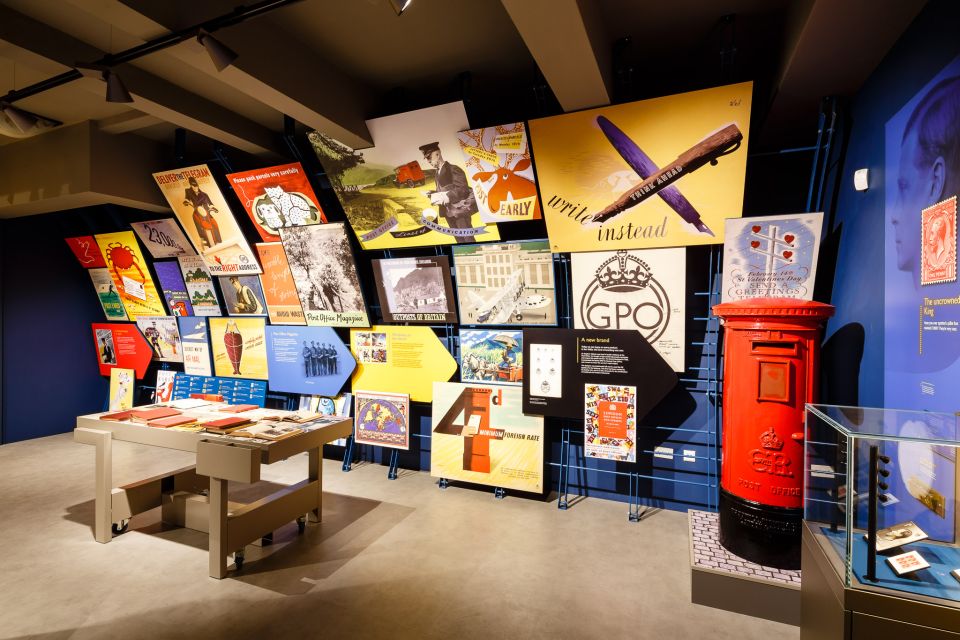
This is where the history stops being abstract. You’ll see the origin of London’s postal system across 500+ years, and you’ll run into key moments that explain how communication turned into an organized service.
The headline object is the world’s very first postage stamp, The Penny Black. It’s not just displayed; it’s used to anchor the story of how sending mail became standardized. Then comes the detail that people often don’t expect: flintlock pistols that were used to help defend the mail from theft.
You also get the sense that postal work wasn’t one simple job. It changed with technology, with street delivery, with boxes and later with phone-based communication. One way to think of this museum is that it connects everyday habits—dropping a letter, using a phone—with the systems that made them reliable.
Interactive Sorting Games: Where Kids and Adults Both Get Busy
This is the part I’d call the “make it stick” section. You’ll find interactive galleries with educational games and activities for different ages, so the museum doesn’t become a one-note experience if you’re with family.
Look out for the mock-up train carriage sorting activity. There’s a wobbly floor angle to it, and it turns mail sorting from “a concept” into something you can try with your own hands. It’s surprisingly entertaining in the moment, and it helps you understand why sorting systems had to be fast and accurate.
If you like silly-fun learning, you’ll also probably enjoy the stamp-making or design-style activities that show how stamps and communication branding worked. Dress-up shows up too, which is one of those small museum choices that can turn a tired kid into a focused kid.
One practical consideration: if you’re visiting with very young children, interactive areas can get chaotic. Some spaces are better at handling school-age energy than toddler energy, so if you want quiet concentration, come with patience or choose a less peak time slot.
Victorian Mini Rail Car Meets the Underground Mail Rail
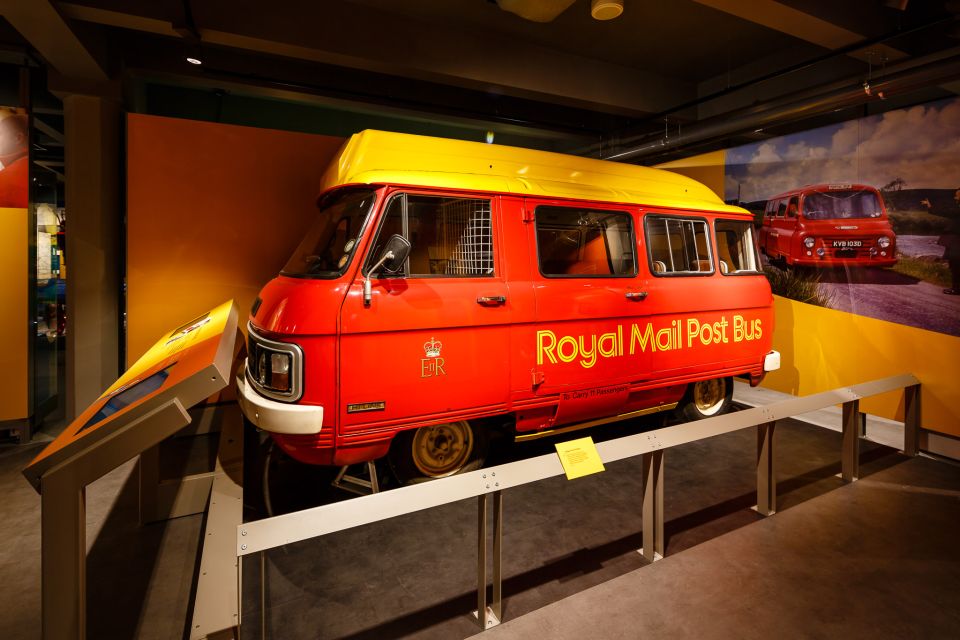
The museum doesn’t treat the underground ride as a standalone stunt. Before you board, you’ll get helpful context, including a mini Victorian rail car that connects street-level delivery to the later underground network.
That matters because the underground ride is built as a guided story, not just a loop through tunnels. When you board, you already understand what you’re looking for: the shift from surface transport to protected, scheduled underground routes.
Think of it like this: the Victorian mini rail car gives you the “how it moved” foundation, then the underground ride gives you the “why it mattered” and the “how it worked” experience.
You can also read our reviews of more museum experiences in London






Mail Rail Underground: A 15-Minute Ride Through Hidden Tunnels
Now for the main event: you’ll board a miniature train for about a 15-minute underground ride. It runs through long-hidden tunnels connected to the Post Office’s own rail system, dating back over 100 years.
This isn’t a silent ride either. Expect commentary plus projected visuals and wall displays that lay out a timeline while you’re moving. That combination is a big reason the ride feels more educational than gimmicky. The ride also helps you picture how mail logistics needed to be continuous and protected.
A couple comfort notes I’d take seriously:
- The ride is short (often in the 10–15 minute range), so adults who want a longer “transport experience” may feel it wraps up quickly.
- It’s not ideal for the very claustrophobic. One mention I’d heed: it’s not for people who are extremely tall, and the environment can feel tight.
- Lights may dim during a dark moment experience, so if darkness stresses you, keep that in mind.
Snacks, Tea, and Lockers: Practical Comfort That Affects Your Mood

The museum includes a family-friendly café with snacks and refreshments. It’s a real convenience because it turns your visit into a half-day plan instead of a “see it then flee” mission.
I’d call out two practical details. First: it’s a good place to reset before the train ride, so you’re not trying to grab food while you’re already queued. Second: near later in the day, table cleanliness can be hit-or-miss, so if you sit down, quickly check for spills or sticky spots.
Tea is available, and you’ll likely do fine with the basic order flow. But if you have strong preferences about how tea is served, you might want to order with that in mind so you don’t end up adjusting mid-cup.
If you like souvenirs, the shop leans into communication and postal themes—so it’s easier to find something that feels related rather than generic London merch.
The Sorted! Postal Play Space Add-On for Age 8
If you’re traveling with a child around age 8, there’s a separate option called Sorted! Postal Play Space. It’s bookable separately through the Postal Museum website.
This matters because it’s not automatically included with the main ticket. If you want it, plan it ahead so you don’t discover the add-on during your visit and lose time.
For families, this is one of those “choose-your-own-depth” options: go basic with the main museum and Mail Rail, or add structured play if your child fits the age range.
Who Should Book This Ticket (and Who Might Pass)
This is an easy recommendation if you want a London experience that feels hands-on and story-driven rather than just “read panels.” It’s especially good for:
- Families with kids who learn better by doing things, not just watching
- People who like transport history, rail oddities, and systems behind everyday life
- Any history fan who’s curious how communication grew into a network
It may be less satisfying if:
- You want a long train experience as the centerpiece
- You need a quieter, more adult-focused museum day
- You’re very sensitive to tight spaces or dark moments
In other words, I see it as a strong fit for a playful, curiosity-led afternoon—one that still rewards adults who like facts.
Should You Book? My Quick Decision Guide
Book it if you like the idea of pairing stamps, mail protection history, and a rare underground rail ride into one ticket. If your schedule can handle about 1.5 hours and you’ll likely spend extra time exploring interactive zones, you’ll get your money’s worth quickly.
Skip it if you’re chasing a long ride, a strictly adult museum vibe, or a calm stroll through quiet galleries. Also pass if the idea of dim lighting and tight tunnel spaces makes you nervous.
If you’re on the fence, treat it like this: the Mail Rail ride alone is the headline, but the museum context is what makes it coherent and fun.
FAQ
How long does the Postal Museum and Mail Rail ticket take?
The experience is listed at 1.5 hours, though you may spend more time if you stop for the interactive galleries and hands-on activities.
Where is the meeting point?
You start at the Postal Museum.
What is included with the entry ticket?
Your ticket includes entry to the Postal Museum and the chance to board the miniature train for the Post Office underground rail ride.
How long is the underground Mail Rail ride?
The underground ride is about 15 minutes.
Is this experience wheelchair accessible?
Yes, it’s wheelchair accessible.
Is Sorted! Postal Play Space included in the ticket?
No. Sorted! Postal Play Space is bookable separately for children aged 8 through the Postal Museum website.
Can I cancel for a full refund?
Yes. You can cancel up to 24 hours in advance for a full refund.
Can I reserve now and pay later?
Yes. The option is available to reserve now and pay later.