REVIEW · LONDON
The Wallace Collection London: Private Guided Tour – 3 hour
Book on GetYourGuide →Operated by ArtGuides · Bookable on GetYourGuide
Three hours with old masters, in a private palace. I loved how the art historian guide pulled you past the obvious highlights and into details you’d miss alone, and I loved the feeling of being led room to room through a true family home. The one drawback: it’s a steady 3-hour walk with no built-in refreshment pause, so if you need breaks, plan to pace yourself.
If you’re coming with a mixed group, this tour still works. I especially like that the guide can steer the route toward what you care about, and that the biggest hits are paired with story and context, not just names on labels. One guide in particular—Robert—came across as genuinely enthusiastic, and that energy helps even non-art fans enjoy the Wallace Collection.
In This Review
- Key highlights you’ll feel in the moment
- Why the Wallace Collection feels different from other London museums
- Meeting your guide and setting up the pacing for 3 hours
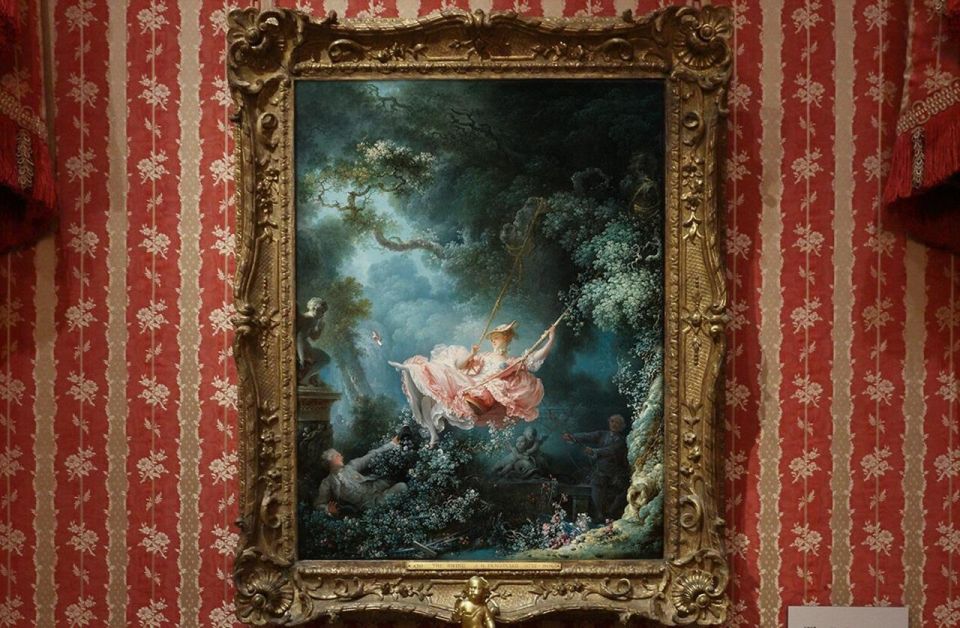
- The art hits: Hals’ Laughing Cavalier and Fragonard’s The Swing
- More than paintings: sculpture, furniture, porcelain, and the arms and armour collection
- Touring the house like it’s still a palace
- The Hertford and Wallace family story: collecting across generations
- What makes a private art historian guide worth the money
- What to expect in the flow: how the 3 hours usually feels
- Temporary exhibitions: what’s included and what you’ll need to book separately
- Price and value: is $263 for up to 5 people a smart use of time?
- Who this tour suits best (and who should skip it)
- Should you book the Wallace Collection private tour?
- FAQ
- How long is the Wallace Collection private guided tour?
- What is included in the price?
- Are temporary exhibitions included?
- Where do we meet for the tour?
- Is the tour wheelchair accessible?
- Can the tour be tailored to my interests?
Key highlights you’ll feel in the moment

- A private, bespoke route that can be tailored to your interests instead of a fixed checklist
- House-like museum rooms that make the art feel personal, not staged
- Big-name paintings explained with real-life details (including Hals and Fragonard)
- Arms and armour and more beyond paintings: sculpture, furniture, porcelain, and collecting stories
- A guide-led experience that finds the connections between different objects and why they mattered
Why the Wallace Collection feels different from other London museums
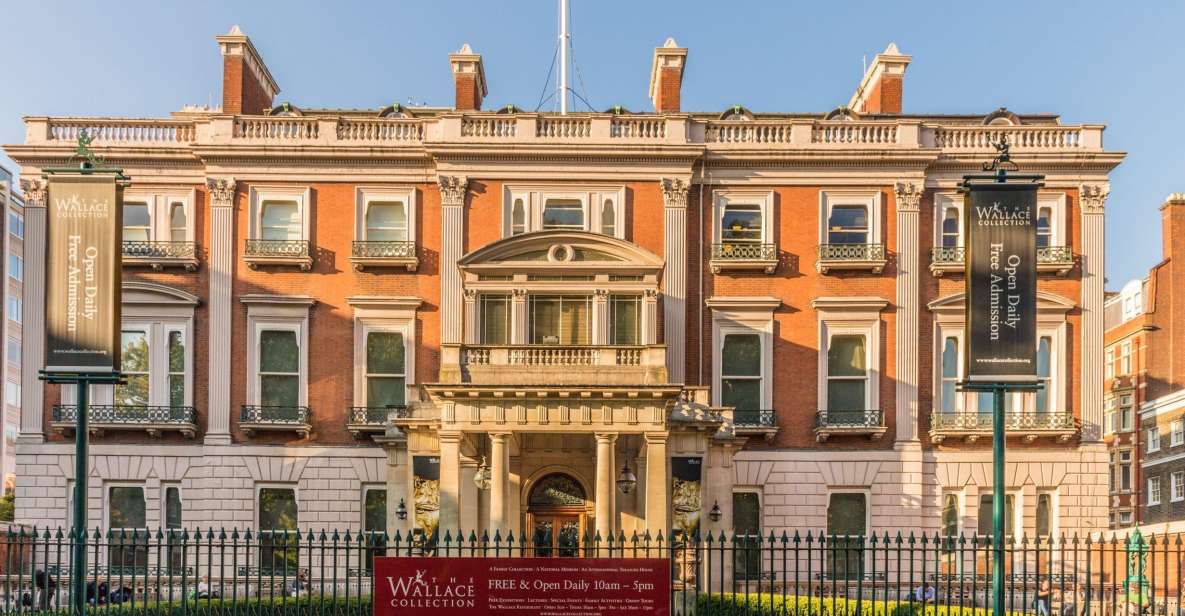
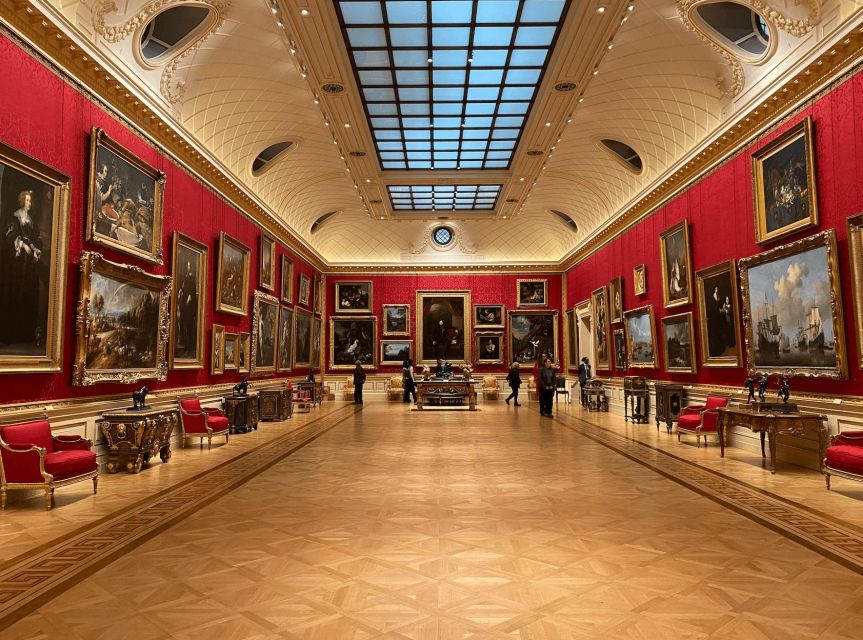
Most museums in London are built for crowds. The Wallace Collection is calmer, more intimate, and that changes how you experience the art. You don’t just look at things behind ropes—you move through rooms that were designed for living, displaying, and showing off a collection.
That matters because the collection is not one random set of works. It’s a private collection of paintings and decorative arts displayed in a magnificent home connected to the Marquesses of Hertford, and shaped over generations. When the setting matches the objects, you naturally slow down and actually see.
Also, you’ll get a guided interpretation rather than a quiet wander. With a private guide, you can ask questions and follow the thread that the guide is pulling. That’s the kind of “mental bookmark” that keeps the collection from blurring into one long gallery stroll.
You can also read our reviews of more guided tours in London



Meeting your guide and setting up the pacing for 3 hours
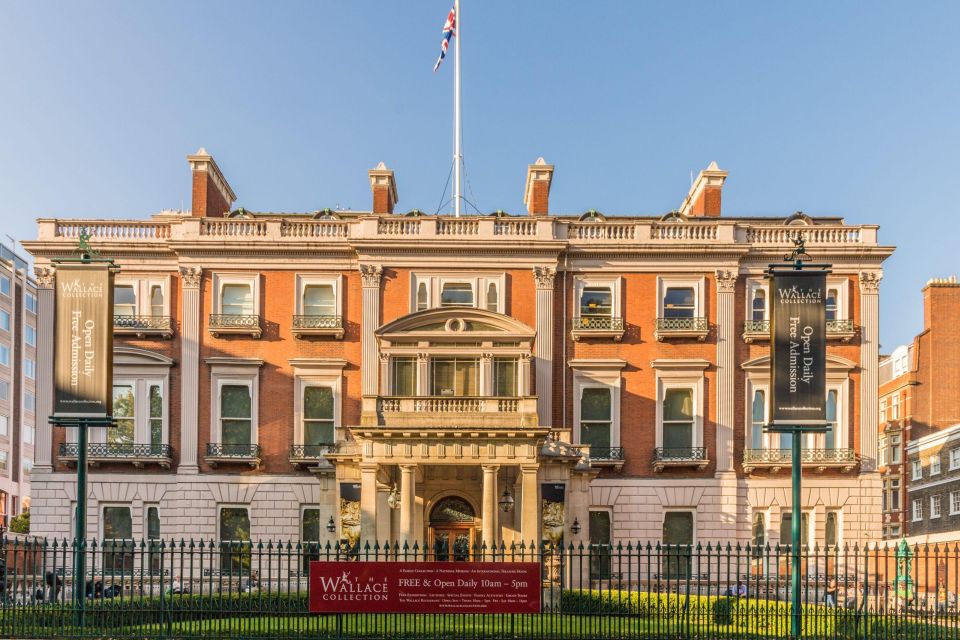
You’ll meet at the main entrance of The Wallace Collection on Manchester Square. Your guide holds a card with your name, which makes the start easy and keeps things from turning into an awkward group search.
A 3-hour private tour is long enough to cover real highlights and still leave space for meaning. It’s also long enough that pace becomes part of the experience. Wear comfortable shoes, because even when the museum isn’t chaotic, you’re still walking from room to room for the full route.
The tour is designed for a private group, and you can expect it to feel like a conversation, not a lecture. The tone tends to be energetic, and that’s a good thing—because it keeps you engaged when you’re standing in front of a painting longer than you normally would.
The art hits: Hals’ Laughing Cavalier and Fragonard’s The Swing

If you love European painting, this is one of the most satisfying collections to see with a guide. Two of the best-known works you’ll hear about are Hals’ Laughing Cavalier and Fragonard’s The Swing.
For Hals, the big draw is the face—this isn’t a polite portrait. The painting shows personality, not just status, and a good guide helps you see how the expression does the storytelling. You’ll likely come away thinking about how painting can feel like a moment caught mid-breath.
Fragonard’s The Swing is another one where context matters. You’ll get the kind of explanation that turns a famous image into a living scene. Instead of treating it like a stop on a checklist, you learn what to look for in composition and why the work became so widely talked about.
And here’s what I really liked: the guide didn’t just rush through the masterpieces. The tour structure gives you the celebrated pieces, then uses them as reference points to explain style, taste, and collecting decisions.
More than paintings: sculpture, furniture, porcelain, and the arms and armour collection
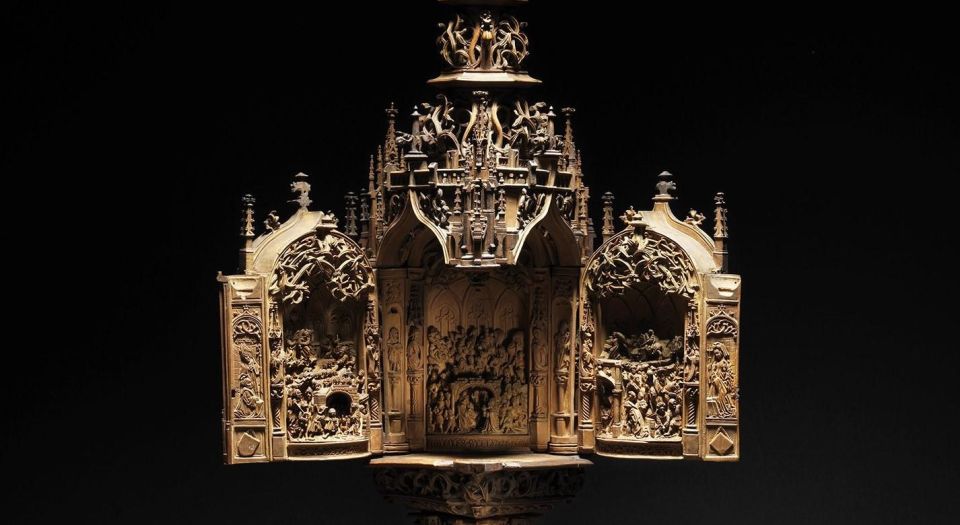
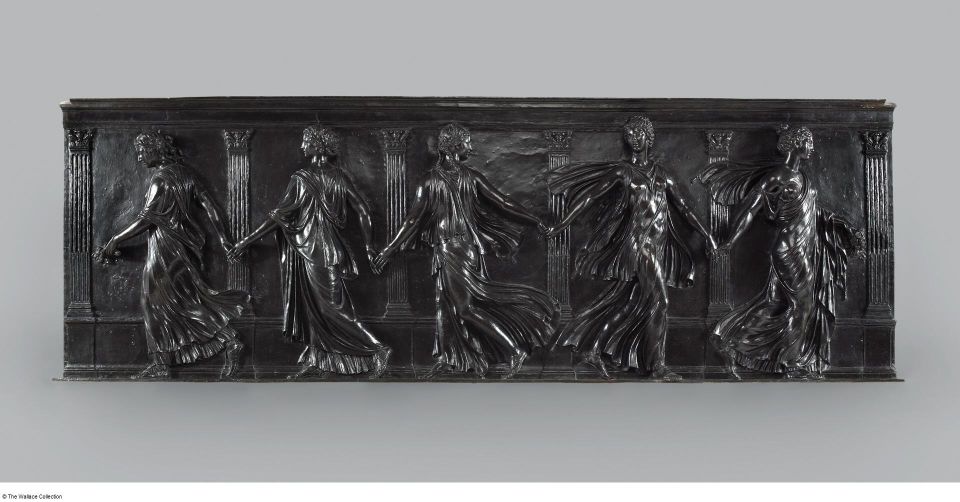
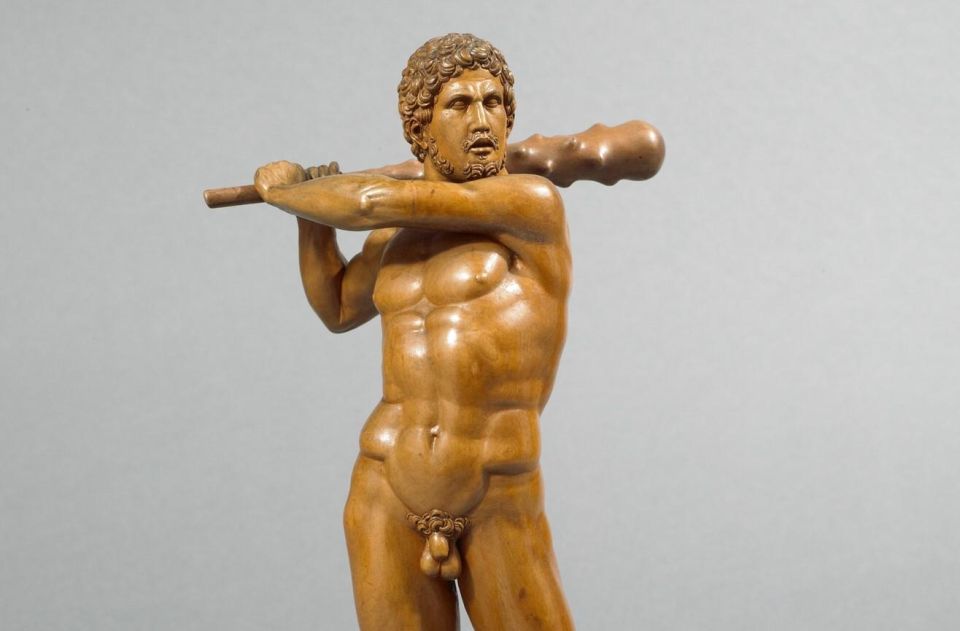
One reason the Wallace Collection stays memorable is the mix. Yes, it shines in paintings from the 16th to 19th centuries across Europe. But it also brings you into sculptures, furniture, and porcelain—objects that teach you what people valued beyond art on walls.
Then there’s the standout category: antique arms and armour. This isn’t just “cool metal stuff.” You get guided insights into a world-famous collection, with attention to what makes pieces exceptional and how they were collected.
Seeing arms and armour in a refined house setting changes your perspective. It stops feeling like a separate department and starts feeling like part of a collector’s worldview. Your guide helps connect craftsmanship and power to the tastes of the families behind the collection.
If you’re the type who loves details—materials, design, craftsmanship—this part can become the highlight. Even if you’re not usually an armour person, it helps to hear what makes a piece worth owning and worth preserving. A private guide gives you the time to understand, not just snap a few photos and move on.
Touring the house like it’s still a palace
The Wallace Collection lives in a historic building tied to the Marquesses of Hertford. That detail isn’t trivia. It changes how the collections feel, because the museum is arranged like rooms in a house, not like numbered exhibits.
Your guide leans into this atmosphere, using the rooms and the collection layout to explain the collecting story. You don’t just see objects; you experience the logic of the display—how certain works were grouped, why some rooms feel more dramatic, and how the house itself supports the art.
In my view, that’s one of the strongest values of a guided tour here. Without a guide, you might do the “walk past and check” routine. With one, you start noticing how the house framing shapes your attention.
You can also read our reviews of more private tours in London





The Hertford and Wallace family story: collecting across generations
A major part of the tour is understanding the history of the house and the Hertford and Wallace family connection. That family story is woven into what you see, which helps the collection feel intentional instead of random.
The Wallace Collection is described as a collection gathered over five generations. That’s a big deal. When a family collects over that long, the collection becomes a record of changing taste, wealth, and cultural attention.
Your guide uses anecdotes to bring those shifts to life. You’ll hear how the collection grew, how certain items earned their place, and what it meant to display them in a home. When you understand the collector’s mindset, the art and decorative pieces start to feel like chapters in one long story.
What makes a private art historian guide worth the money
This is the part where value really shows. The tour includes a private, bespoke experience with an art historian guide. The guide’s job isn’t just to state facts—it’s to help you see.
In the feedback I’ve absorbed, one guide (Robert) was especially enthusiastic and knowledgeable across multiple areas of the collection, not just the headline paintings. That’s exactly what you want from an art historian: the ability to connect objects, not just recite label text.
I also like that the guide can steer you toward pieces that would otherwise be easy to miss. One of the best compliments you can give to a tour is that it keeps your attention even when the obvious highlight isn’t the only focus. In this collection, that’s a real skill, because there’s a lot to see.
If you’re traveling with people who aren’t die-hard art lovers, this matters even more. A strong guide turns “I don’t get it” into “Okay, tell me why this matters.”
What to expect in the flow: how the 3 hours usually feels

A private route through the Wallace Collection typically balances variety and focus. You’ll cover major highlights, hear about major works, and get into themes that tie different object types together.
You can expect time spent in different types of rooms: areas where the paintings take center stage and areas where decorative arts and arms and armour move the spotlight. The guide also uses anecdotes to keep the flow lively, especially for the celebrated works.
One thing to plan for: it’s not structured as a long sit-down tour. Based on a common sentiment about the tour length, you may want a refreshments break, but the pace is continuous. If you need downtime, consider doing a quick pause on your own before or after the tour rather than expecting a planned mid-tour stop.
Temporary exhibitions: what’s included and what you’ll need to book separately
The tour focuses on the permanent collection. Temporary exhibitions aren’t included, and if there’s something special running at the time, you’ll need to pre-book tickets separately at extra cost.
This is good to know because it affects planning. If you’re visiting mainly for a time-limited exhibition, you might want to add that separately. If your goal is to experience the Wallace Collection’s core treasures with expert guidance, this private tour stays on target.
Price and value: is $263 for up to 5 people a smart use of time?
Let’s talk numbers the practical way. This tour is priced at $263 per group for up to 5 people, for a 3-hour experience with a private art historian guide.
Value depends on two things: how many people are in your group and how much you’ll actually engage with the collection. If you’re a solo traveler or a couple, the price can feel steep compared with group tours. But if you’ve got four or five people splitting the cost, it can become very reasonable for a truly tailored, high-quality experience.
Also, the Wallace Collection is packed. You’re paying for interpretation—someone who helps you prioritize, understand, and enjoy. In a collection like this, the guide time can save you from spending half the visit trying to figure out what you’re looking at.
If you’re the type who likes museums with context, this tour can feel like a fast, efficient upgrade. If you’re the type who prefers total freedom and quiet, you might question whether a guided structure is worth it.
Who this tour suits best (and who should skip it)
You’ll probably love this tour if you want:
- A private, tailored experience rather than a standard group route
- Clear explanations tied to famous works and lesser-noticed objects
- A mix of painting, sculpture, and decorative arts, with arms and armour as a real feature
It may not be the best fit if your needs require a different format. The tour is not suitable for visually impaired people or hearing-impaired people, according to the activity info. On the other hand, it is wheelchair accessible.
If you’re traveling with friends who aren’t art-focused, don’t worry. The enthusiastic guidance style can carry you through the whole collection, especially when the guide points out what to notice and why.
Should you book the Wallace Collection private tour?
Book it if you want to experience the Wallace Collection as more than a lineup of famous works. A private art historian guide is what turns the collection into something you remember: the room setting, the house-family story, the way Hals and Fragonard are explained, and the surprise depth of the arms and armour.
Skip it if you’re hoping for a totally self-directed museum visit with no structure. Also, if you strongly need planned breaks during a 3-hour walk, you’ll want to think twice or be ready to manage your own timing.
In my view, this tour is a solid value when you have at least a small group and you care about getting real meaning from what you see.
FAQ
How long is the Wallace Collection private guided tour?
It’s a 3-hour tour with a live English-speaking guide.
What is included in the price?
The tour includes a private, bespoke guided experience and an art historian guide.
Are temporary exhibitions included?
Temporary exhibitions are not included. If they’re on during your visit, you’ll need to pre-book tickets separately at extra cost.
Where do we meet for the tour?
Meet by the main entrance of The Wallace Collection on Manchester Square. Your guide will have a card printed with your name.
Is the tour wheelchair accessible?
Yes, the tour is wheelchair accessible.
Can the tour be tailored to my interests?
Yes. The tour can be tailored to include your particular interests.