REVIEW · LONDON
Winston Churchill & London in World War II Walking Tour
Book on Viator →Operated by Urban Saunters · Bookable on Viator
Westminster goes from postcard to wartime in 90 minutes. On this WWII walking tour of the City of Westminster, you get tight, story-led stops tied to Britain’s survival—then you finish at the Churchill War Rooms area, where you can add entry for a deeper look underground.
I like two things a lot: the small group size (max 15) that keeps questions easy, and the way the guide ties famous buildings to very specific wartime moments, from London’s bomb reality to the government’s crisis mode. Guides named in past tours include Nathan, Jeremy, Richard, Babs, Francis, Paul, and Martin, and the consistent theme is strong storytelling with dry British humor.
One possible drawback: the outdoor portion keeps moving, and if you get restless without long museum time, plan your War Rooms visit carefully—inside, the experience can be more self-guided with audio-style narration, which won’t suit everyone.
Key things to know before you go
- Small group (max 15): easier pacing and more personal attention on the walk
- WWII-focused route in Westminster: Parliament, Whitehall, and memorials tied to wartime events
- Gentle walking pace: short outdoor stops rather than a long slog
- Churchill War Rooms are at the end: you can add tickets for the most immersive part
- Mostly outside stops: great for sightlines, but weather can still be a factor
- Short “photo and posture” moments: like Horse Guards Parade at Whitehall for quick, classic shots
In This Review
- Westminster, WWII, and Why This Walk Feels Personal
- Getting Started at Victoria Embankment: Easy Meeting, Easy Pace
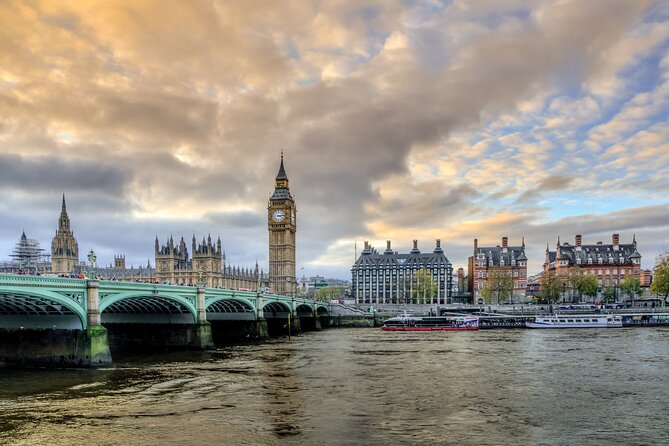
- Westminster Bridge: The Bridge Where Bombs Still Get Found
- Houses of Parliament and Big Ben Silence: Government Under Threat
- Parliament Square to Westminster Abbey: Democracy, Survival, and Sacred Space
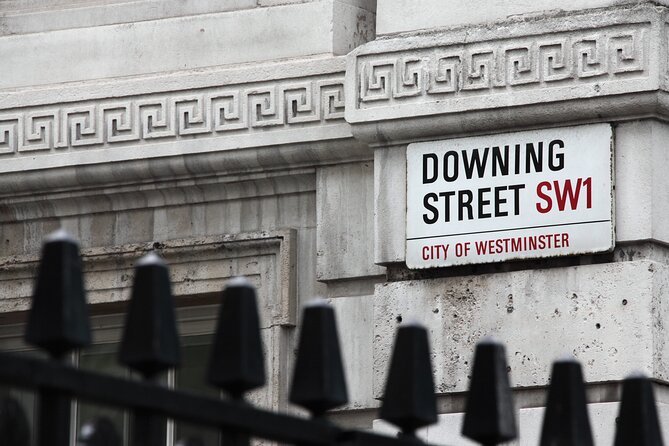
- Whitehall and the Ministry of Defence: The Wartime Drama in Plain Sight
- Horse Guards Parade: The Quick Photo Stop That Still Feels Like London
- Churchill War Rooms: What You Should Expect After the Walking Portion
- Price and Value: What $38.89 Buys in Central London
- Who This Tour Suits Best (and Who Might Want a Different Plan)
- Practical Tips for Comfort, Timing, and Photos
- Should You Book This Churchill and Westminster WWII Walking Tour?
- FAQ
- How long is the Winston Churchill and London in World War II walking tour?
- How much does the tour cost?
- What group size should I expect?
- Where does the tour start and end?
- Is the tour offered in English?
- Are entrance tickets included?
- Is Westminster Abbey entrance included?
- Is the Churchill War Rooms visit included?
- Is food or drink included?
- Can I get a refund if I change my plans?
Westminster, WWII, and Why This Walk Feels Personal
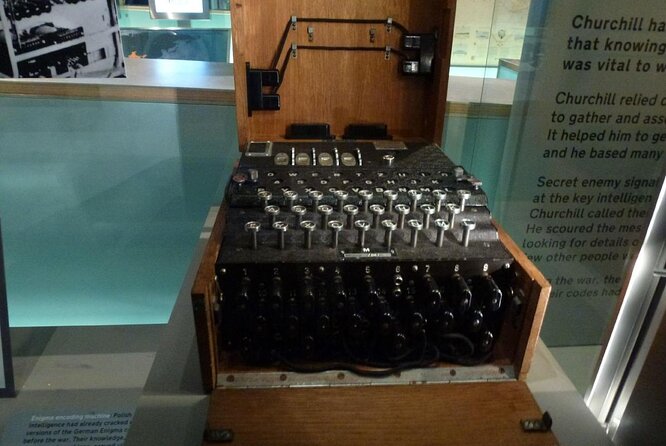
London has a way of looking calm even when it isn’t. This tour leans into that contrast. You’re not just seeing grand buildings; you’re seeing the same streets where wartime decisions, fear, and resolve played out.
The magic here is focus. The City of Westminster became the nerves and signals of the British government during World War II, and the route is built to connect that role to what you see today. Expect stories around government under threat, the public face of leadership, and the memory of sacrifice—without turning it into a textbook march.
If you like history with clear scenes and usable context, this is a smart way to spend a couple of hours in central London. And if you want the Churchill War Rooms to make full emotional sense, this walk sets you up for it.
Getting Started at Victoria Embankment: Easy Meeting, Easy Pace
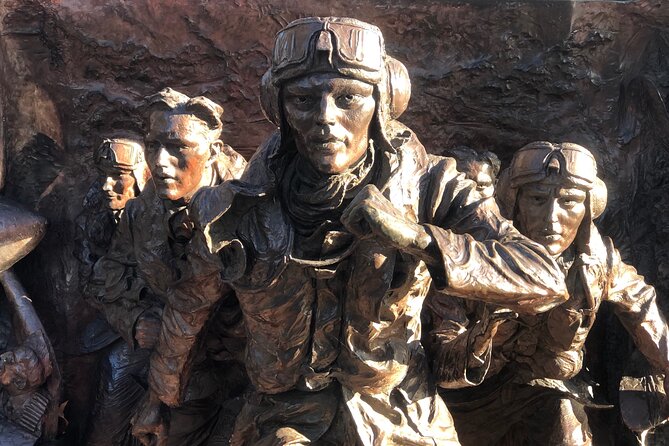
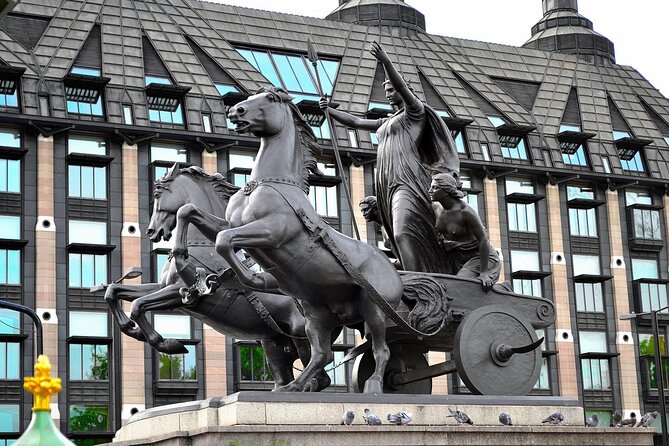
You start at Boadicea and Her Daughters on Victoria Embankment (SW1A 2JH). It’s a good spot for orientation: you’re already in the Westminster orbit, close enough to the big sights that the walk feels efficient.
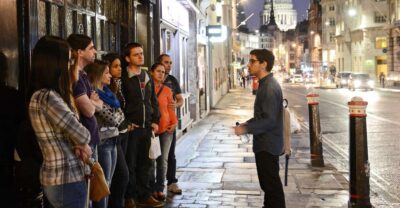
The tour runs about 1.5 to 3 hours depending on timing and how long you linger at each stop. It’s built around short outdoor visits, so you don’t feel trapped inside. The “walk isn’t strenuous” vibe shows up in how the stops are structured: you’re moving, but not sprinting between points of interest.
You’ll also appreciate the small group cap of 15. That matters in London, where big-group tours can sound like you’re being yelled at through a megaphone. Here, the whole approach feels more like a guided walk with room to ask something.
You can also read our reviews of more walking tours in London


Westminster Bridge: The Bridge Where Bombs Still Get Found
The first stop is Westminster Bridge, with a fun, grim detail: parts of the bridge are painted green for the Houses of Commons. The guide also points to a reality that makes the whole WWII theme click—WW2 bombs are still discovered here to this day.
That kind of detail does something important. It reminds you this war isn’t trapped in old photos. London is still dealing with the physical footprint of the Blitz era. Standing on a landmark you’ve probably seen in movies, you suddenly get why people in 1940 talked about air raids like they were weather.
This is also a very short stop (about five minutes outside). So it works as a strong “opening scene” without draining your energy.
Houses of Parliament and Big Ben Silence: Government Under Threat
Next comes the Houses of Parliament area. The tour frames it as the heart of British government, and you’ll hear how parliament reacted with a looming threat from the Third Reich—right down to the idea of the Big Ben bell going quiet while the skies filled with Luftwaffe planes.
Even if you’ve already photographed the building, you’ll get more out of this stop by listening for the emotional shift: leadership doesn’t feel abstract when the building is tied to fear, warnings, and decision-making.
Important practical note: this is an outside stop. Admission to Parliament is not included, so you’re not signing up for an interior visit here. That keeps the schedule simple, but it also means you won’t get the full interior experience unless you add something separately.
Parliament Square to Westminster Abbey: Democracy, Survival, and Sacred Space
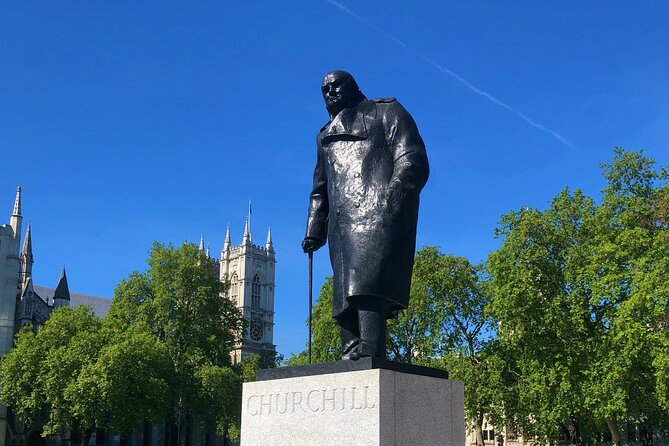
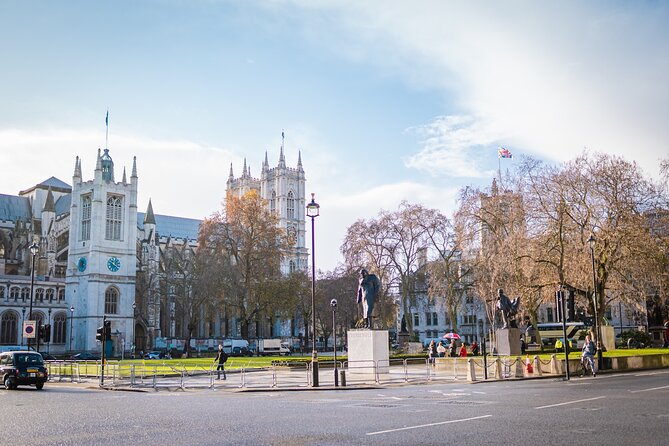
Parliament Square is where the tour zooms out a little and celebrates democratic icons—statues connected to figures like Mahatma Gandhi and Millicent Fawcett, plus references to Honest Abe. The point isn’t random name-dropping. It’s about why democracy mattered so much during World War II, when everything felt fragile.
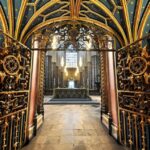
Then you head toward Westminster Abbey. The guide tells the story of how this major Church of England landmark survived the Blitz, with help from local heroes. Outside-only access also keeps things moving, but Westminster Abbey is such a recognizable space that the storytelling lands fast.
Practical consideration: the abbey entry is not included, so don’t plan on going inside during this stop. If you want interior time, you’d need tickets separately.
Whitehall and the Ministry of Defence: The Wartime Drama in Plain Sight
Whitehall is the next big move, and it’s a key reason this tour works. Whitehall is home to the Ministry of Defence, and the tour treats it like the stage for the WWII drama—where messages, planning, and tension all had somewhere to land.
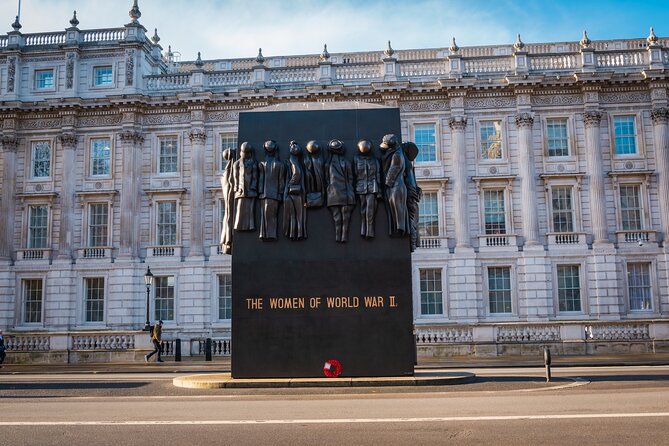
The stops here include two memorial-style moments:
- The Cenotaph, where respect and remembrance take center stage
- Women in WWII monuments, highlighting the roles of women during the war effort
This is one of those sections where a good guide matters. The better ones connect the monuments to the human scale of the war, not just dates. And the route gives you a break from pure sightseeing. You’re slowing down to acknowledge sacrifice.
If you’re the kind of visitor who likes meaning mixed into the sightseeing, this part is worth your full attention.

Horse Guards Parade: The Quick Photo Stop That Still Feels Like London
Then you’re at Horse Guards Parade at Whitehall—prime territory for a photo with the mounted cavalry of the Queen’s Horseguards and views tied to the Buckingham Palace entrance area.
This stop is short (around 10 minutes outside). It’s not the “deep history” stop, but it’s a nice palate cleanser. It also makes the tour feel anchored in modern London, not only in wartime mood.
If you care about photos, show up ready. The best chance is right when the group stops.
Churchill War Rooms: What You Should Expect After the Walking Portion
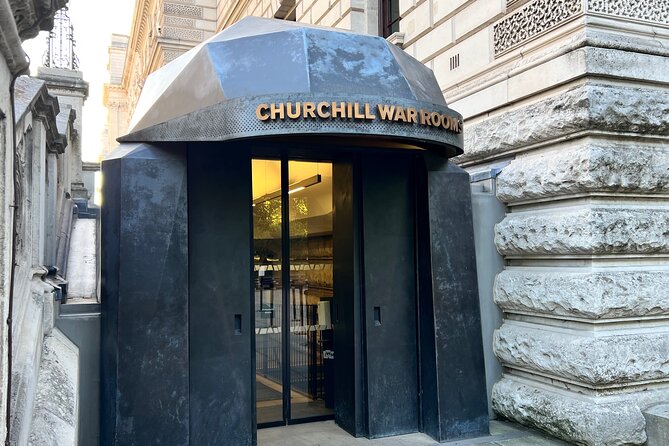
At the end, the tour finishes just outside the Churchill War Rooms entrance on King Charles St (about the 2:30 mark, based on the schedule). That end point is a big advantage because it keeps the logistics clean: you aren’t hunting across town when you’re ready to go underground.
Here’s the essential part: Churchill War Rooms entrance tickets are not included. The tour strongly encourages booking entry ahead for convenience. If WWII is your theme for the day, doing the War Rooms right after the walking segment is the easiest way to keep everything connected in your head.
Inside, the experience uses headset/audio-style narration and you move at your own pace through the rooms. One review-style complaint you should take seriously: if you strongly dislike audio guides, this indoor portion may feel less satisfying. Another issue mentioned is getting turned around while exiting. That’s not common enough to scare you off, but it’s a good reminder: when you’re done, don’t rush. Follow the posted signs and take an extra minute to orient.
What you’ll likely love is the “frozen in time” feel. The War Rooms are presented as preserved and still readable as they were during the mid-war period, and the walking tour helps you understand why the underground space mattered so much.
Price and Value: What $38.89 Buys in Central London
At $38.89 per person, this tour is priced like a solid mid-range London guided experience. For that money, you’re buying:
- An English-speaking local expert guide
- A small group (max 15)
- Multiple major Westminster landmarks tied together with WWII context
- A smooth route ending at the Churchill War Rooms
The big cost savings is structure. You don’t need to arrange multiple separate guides for each sight. And because most stops are outside, you avoid paying admission for every building along the way.
What’s not included matters for your budgeting:
- Food and drink are not included
- Entrance tickets are not included for key sites
- Westminster Abbey is not included
- Churchill War Rooms entrance is not included
So the total value depends on what you add. If you plan to go into Churchill War Rooms anyway, this tour can be a very cost-effective way to make that ticket feel smarter. If you’re only interested in the outdoor walk and you skip interior tickets, it still works as a focused Westminster orientation.
Also worth noting: it’s commonly booked about a month in advance on average. If you’re traveling in peak season, I’d book earlier rather than later so you’re not stuck with a less convenient departure time.
Who This Tour Suits Best (and Who Might Want a Different Plan)
This is a great fit if you:
- Want WWII London but don’t want a full-day commitment
- Like storytelling that connects buildings to decisions and daily fear
- Prefer a walking pace that stays relaxed
- Plan to visit Churchill War Rooms as a must-do later in your trip
It may be less ideal if you:
- Want lots of interior time for every stop
- Strongly dislike audio/headset-style narration in museums
- Prefer history delivered in a more formal, lecture-only way
Practical Tips for Comfort, Timing, and Photos
A few small moves can make the difference in London.
- Wear comfortable walking shoes. The stops are short, but you’re still on pavement most of the time.
- Bring a layer. Even if the day looks nice, Westminster winds can shift.
- If you’re adding Churchill War Rooms tickets, plan to keep energy for the indoor portion. Don’t stack something heavy right before or you’ll feel it later.
- For photos at Horse Guards Parade, arrive ready and keep your phone/ camera accessible so you’re not fumbling after the best moment passes.
And if you like taking notes, do it. Several guides have a way of threading memorable details through the route, and writing one or two down makes the War Rooms experience hit harder.
Should You Book This Churchill and Westminster WWII Walking Tour?
I’d book it if you want WWII context built around real Westminster locations, delivered by a guide who can tell the story without turning it into a dry slideshow. The small group size, the outdoor landmark flow, and the smart finish point near the Churchill War Rooms make it a high-leverage experience for a limited time in London.
The decision comes down to how you feel about the War Rooms format. If you’re okay with headset/audio narration and self-paced rooms, this tour is a strong match. If you hate audio guides or you need full human-led explaining inside museums, you may prefer a different style of WWII tour that includes more time with a guide on site.
If you book, aim to do the War Rooms the same day. After the Westminster walk, the underground experience lands with much more clarity.
FAQ
How long is the Winston Churchill and London in World War II walking tour?
The tour runs about 1 hour 30 minutes to 3 hours, depending on timing and pace.
How much does the tour cost?
It costs $38.89 per person.
What group size should I expect?
The tour is limited to a maximum of 15 travelers.
Where does the tour start and end?
It starts at Boadicea and Her Daughters on Victoria Embankment (SW1A 2JH) and ends outside the Churchill War Rooms on King Charles St (SW1A 2AQ).
Is the tour offered in English?
Yes, it is offered in English.
Are entrance tickets included?
Entrance tickets are not included. The tour is mostly for the guided walk and outside stops.
Is Westminster Abbey entrance included?
No, entrance to Westminster Abbey is not included.
Is the Churchill War Rooms visit included?
Churchill War Rooms entrance is not included, but you have the option to add tickets for convenience.
Is food or drink included?
No, food and drink are not included.
Can I get a refund if I change my plans?
Yes. You can cancel up to 24 hours in advance for a full refund. If you cancel less than 24 hours before the start time, you won’t be refunded.