REVIEW · LONDON
London: Florence Nightingale Museum Ticket
Book on GetYourGuide →Operated by Florence Nightingale Museum · Bookable on GetYourGuide
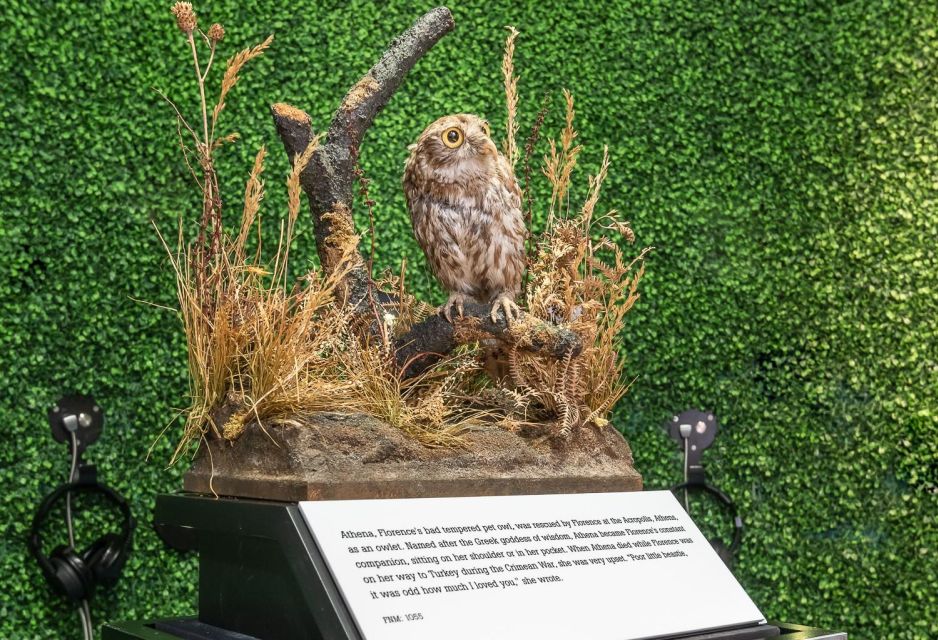
Florence Nightingale has a museum for a reason. The ticket gets you timed-day access to an exhibit packed with authentic artifacts and a clear story of how her work reshaped nursing. I especially love seeing the lamp often linked to The Lady with the Lamp, plus the chance to meet her pet owl, Athena, through real museum objects. One thing to keep in mind: it’s a focused museum visit, and no food or drinks are allowed inside, so plan to grab something before or after.
What makes this experience smart in London is the way it connects personal life to big impact. You’ll learn about Florence’s affluent childhood, how she pushed back against her parents’ wishes to become a nurse, her role during the Crimean War, and her campaigns for better healthcare for ordinary people. The museum’s setup also works well for a small group atmosphere (limited to 9), and the host/greeeter is English. A possible drawback is that you’re working within the museum’s set hours, and the last entry is fairly strict.
If you’re after a thoughtful, history-with-meaning stop that doesn’t eat your whole day, this is a strong pick for 1 day in London. I think it’s especially good value for anyone who likes medical history told in a human way, not just dates and names.
In This Review
- Key things to notice before you go
- Why the Florence Nightingale Museum is a standout London stop
- What you’ll see: her lamp, pet owl Athena, and the medicine chest
- The story arc: childhood, family conflict, and the Crimean War
- How to fit it into a London day near Parliament and the London Eye
- Timing your visit: opening hours and the late Thursday option
- Ticket value: what $16 gets you for a 1-day visit
- Small-group setup and how to use it well
- A balanced take: who will love it, and who might want to think twice
- Practical tips for a smoother visit
- Should you book the Florence Nightingale Museum ticket?
- FAQ
- How long is the Florence Nightingale Museum visit?
- Where is the Florence Nightingale Museum?
- What are the opening hours?
- Is the museum wheelchair accessible?
- Is food or drink allowed inside?
- How big is the group?
- Can I cancel for a refund?
Key things to notice before you go
- Authentic artifacts: you’ll see objects once owned by Florence Nightingale, not just modern replicas
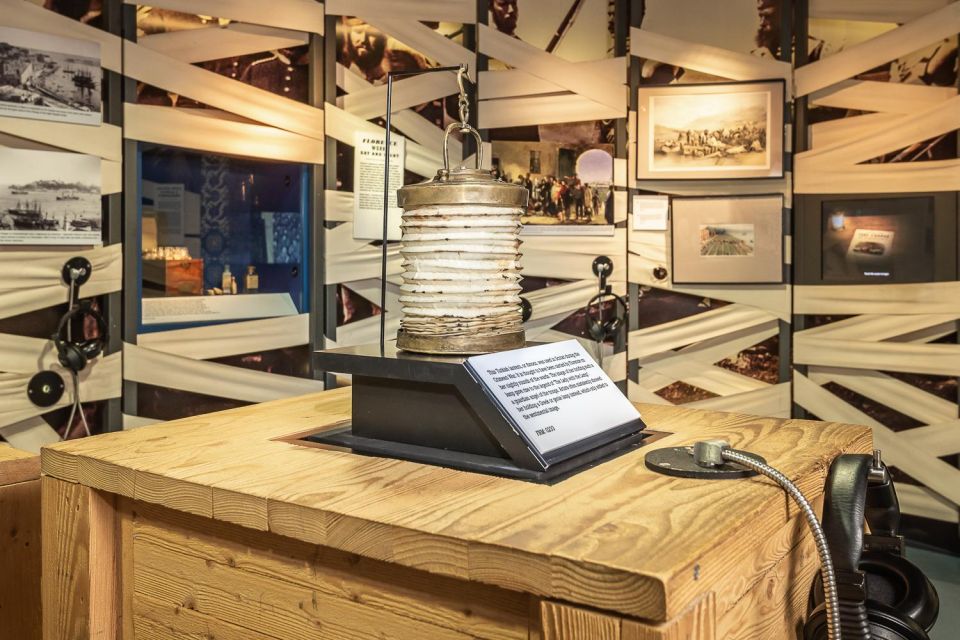
- The Lady with the Lamp connection: the museum includes her old lamp and the nickname it inspired
- Athena the owl: you can view her pet owl as part of the personal side of her story
- Crimean War impact: the exhibits connect her service to real changes in nursing
- Her medicine chest: you’ll get a tangible sense of what nursing looked like in her era
- Small group size: limited to 9 participants, with an English host/greeter
Why the Florence Nightingale Museum is a standout London stop
London has no shortage of museums, so I look for two things: a place with a tight theme and a visit that leaves you with new perspective. This museum hits both. Florence Nightingale isn’t just a famous name. The exhibits bring you close to the person—her choices, her conflicts, and the practical work behind better care.
What I like most is how the museum balances the personal with the professional. You start with her background—affluent childhood and family expectations—and then you watch how she turned that pushback into action. You’re not just reading about healthcare. You’re seeing how she lived, what she carried, and what she fought for.
The museum also feels unusually direct about why her work mattered. It isn’t framed as a distant “medical milestone.” Instead, it’s presented as a campaign for improved healthcare for ordinary people. That makes her story feel current, even if the objects are historical.
You can also read our reviews of more tours and experiences in London


What you’ll see: her lamp, pet owl Athena, and the medicine chest
The ticket covers access to the museum collection, and the highlights aren’t vague. You’re promised specific objects tied to Nightingale’s life. That’s a big deal because it helps you plan your time. You’re not wandering hoping something good appears.
Here’s what stands out based on what the museum showcases:
Her lamp and the Lady with the Lamp legend
You’ll be able to see the lamp she carried—an object that’s closely linked to why she earned the nickname The Lady with the Lamp. Even if you’ve heard the phrase before, seeing the item helps the story land. It turns a nickname into something physical: light, work, and presence.
Athena the owl
Florence Nightingale isn’t often described through pets in casual retellings, but the museum includes her pet owl Athena. That’s one of those details that makes a historical figure feel like a real person with daily life, not just a biography chapter.
Her medicine chest
If you’re interested in the practical side of nursing, this matters. The museum includes her medicine chest, giving you a tangible sense of tools and care in her time. It’s the kind of exhibit that makes you think about how healthcare has always required logistics, supplies, and careful routines.
Authentic artifacts once owned by Florence Nightingale
This isn’t a generic Florence Nightingale “theme room.” The experience is built around artifacts connected to her life and work. That authenticity is a major reason the visit earns such strong ratings.
The story arc: childhood, family conflict, and the Crimean War
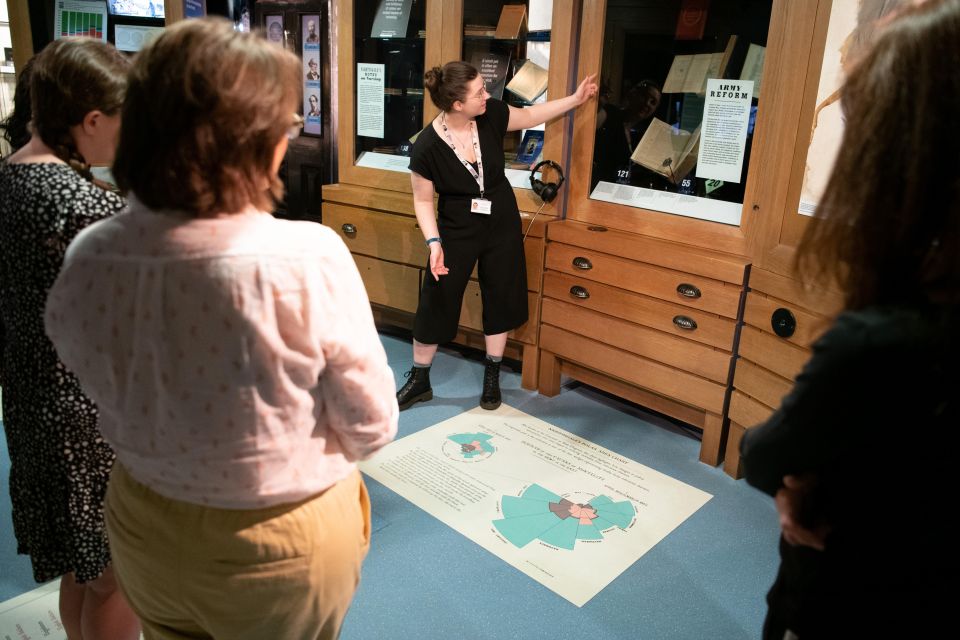
A lot of historical museums list achievements. This one tries to explain how a person builds an impact. You’ll walk through Florence’s affluent childhood first, so you understand the starting line: comfort, expectations, and a system that didn’t necessarily support her choices.
Then comes the friction. The exhibits describe how she fought against her parents’ wishes to become a nurse. For me, this is the part that changes the tone of the visit. You go from “who she was” to “what she endured,” and it makes her later achievements feel earned rather than inevitable.
Next is the Crimean War, where her work during that period becomes the bridge to public impact. You’ll learn how her nursing work contributed during the war, and you’ll also see how that experience fed into broader change.
Finally, you get the long game: how she campaigned for better healthcare for ordinary people. That ending matters because it shifts Nightingale from a war-era figure into a reformer focused on healthcare access and quality.
How to fit it into a London day near Parliament and the London Eye
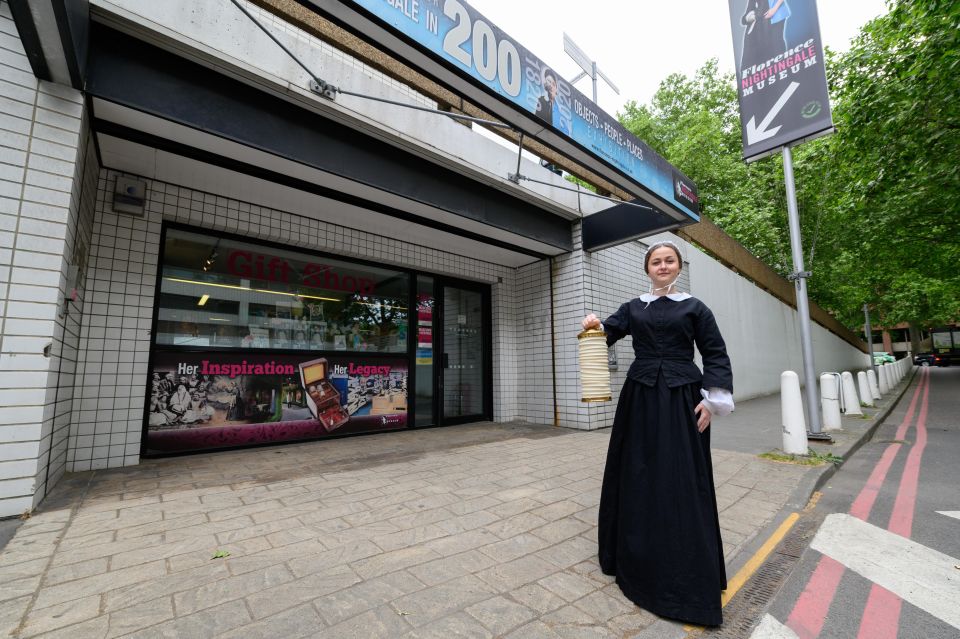
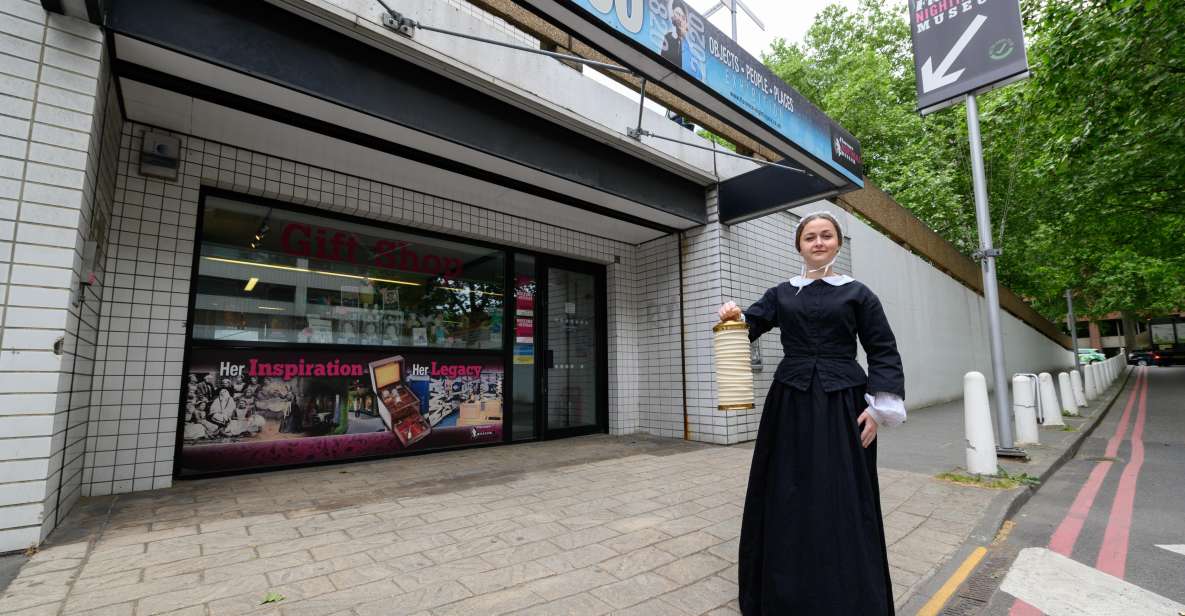
Location-wise, this museum plays well with classic London sights. It sits in the grounds of St Thomas’ Hospital, in what’s described as the parking level area—so it’s not tucked far away, but it’s also not the kind of “front of the street” attraction you might spot instantly.
The meeting point tip is simple and worth following: look at St Thomas’ Hospital signage for signs to the Florence Nightingale Museum. Once you find the right route inside the hospital grounds, you’re close to major landmarks. It’s a short walk from both the Houses of Parliament and the London Eye.
Practical advice for planning:
- If you’re starting around Parliament/London Eye, build in a little time to orient yourself using the St Thomas’ signs.
- If you’re using this as one of several stops, this works best as a “focused museum block” rather than a quick photo break.
Timing your visit: opening hours and the late Thursday option
You’ll want to match your pace to the museum schedule because the last entry times are clear. Opening hours are Tuesday to Sunday, 10:00 AM to 5:00 PM, with last entry at 4:30 PM. That means you’ll want to arrive with enough buffer to actually enjoy the exhibits rather than rush.
There’s one special twist that can make the museum feel more relaxed: the museum is open late on the last Thursday of the month, until 8:00 PM, with last admission at 7:30 PM. From 5:00 PM that day, there’s a cash and card bar in the museum shop. One caution: there’s no late opening in December.
If you like evening plans, check whether your dates include that last Thursday late opening. If not, a mid-afternoon visit on a normal day can still feel calm—just aim to enter before the last entry cutoff.
You can also read our reviews of more museum experiences in London





Ticket value: what $16 gets you for a 1-day visit
At about $16 per person, this is priced for a satisfying museum stop without turning into a budget drama. For me, the key value isn’t just the price tag—it’s what you get for it:
- Access to a tightly themed collection focused on Florence Nightingale
- Real objects tied to her life, including the lamp, Athena, and her medicine chest
- A story that connects family conflict, wartime nursing, and healthcare reform
The visit also fits well into a short trip. It’s labeled as duration: 1 day, and you can access anytime within opening hours on your booked date. That flexibility matters in London, where your day can shift depending on weather, crowds, or how long you spend at nearby landmarks.
If you like medical history, nursing history, or just the human side of big reforms, I’d treat this as a high-impact use of a few hours. You’ll leave with a story that’s easy to remember because it’s anchored by physical objects.
Small-group setup and how to use it well
This experience is limited to a small group of up to 9 participants, and an English host/greeter is listed. What that usually means in practice is you’ll feel less lost than in bigger, bus-style attractions. The visit can stay focused on the collection instead of turning into a crowd shuffle.
To make the most of a small-group museum visit, I recommend you do two things:
- Pick one or two “must-see” objects—like the lamp and Athena—so you can enjoy the rest without anxiety.
- Give yourself enough time to read the exhibit descriptions. This museum’s value comes from connecting her life choices to her work.
Also note: the museum ticket gives you access on your booked date within opening hours. Since you’re not locked into a long, multi-stop tour format, you can slow down where the story grabs you—especially around the childhood-to-career transitions and the Crimean War section.
A balanced take: who will love it, and who might want to think twice

This is a great fit if you:
- Like nursing history or medical reform stories
- Want one strong museum experience instead of five quick ones
- Prefer exhibits anchored by actual artifacts
- Are traveling with family members who enjoy human-interest stories (the reviews include a comment about how seeing Florence’s interaction with very young children felt amazing)
You might want to think twice if:
- You need a long, high-energy guided tour. This is presented as museum access to the collection, not an all-day itinerary.
- You planned on eating on-site. Food and drinks aren’t allowed, so you’ll need a nearby plan for snacks or meals.
Practical tips for a smoother visit
These are the small things that can save your trip time:
- Use the St Thomas’ Hospital signage approach at the start. It’s the clearest path to finding the museum area.
- Arrive with a buffer before last entry at 4:30 PM on normal days.
- If you’re there on the last Thursday evening, take advantage of the late hours and the shop bar after 5:00 PM.
- Keep your plan simple: this is an easy add-on near Parliament and the London Eye, but give it enough time to read.
Also, because it’s a medical-themed museum with a strong narrative, I think it pairs well with a walk afterward through the nearby river-and-landmark area. You’ll have a story in your head, and the city scenery makes for a good decompression.
Should you book the Florence Nightingale Museum ticket?
I’d book it if you want a focused, meaningful museum stop that connects a famous figure to real objects and real decisions. For the price, the experience feels efficient: you get major highlights like her lamp, Athena the owl, and her medicine chest, plus a story that runs from childhood expectations to wartime nursing and reform.
Skip booking only if you’re looking for a big multi-location day trip or you expect to snack inside the museum. Otherwise, this is one of those London tickets that feels tailored to anyone who likes history with practical impact—and you’ll probably remember Nightingale’s story long after you leave St Thomas’ Hospital grounds.
FAQ
How long is the Florence Nightingale Museum visit?
The experience is listed as 1 day, with access to the museum within the opening hours on your booked date.
Where is the Florence Nightingale Museum?
It’s located at the parking level in the grounds of St Thomas’ Hospital. The meeting point guidance is to look at St Thomas’ Hospital signage for signs to the Florence Nightingale Museum.
What are the opening hours?
The museum is open Tuesday to Sunday, 10:00 AM to 5:00 PM, with last entry at 4:30 PM. The last Thursday of the month it stays open late until 8:00 PM, with last admission at 7:30 PM (no late opening in December).
Is the museum wheelchair accessible?
Yes, it’s listed as wheelchair accessible.
Is food or drink allowed inside?
No, food and drinks are not allowed.
How big is the group?
The group size is limited to 9 participants.
Can I cancel for a refund?
Yes, there is free cancellation up to 24 hours in advance for a full refund.