REVIEW · LONDON
City of London Historical Walking Tour
Book on GetYourGuide →Operated by Dragon Lore Tours · Bookable on GetYourGuide
The City of London feels like a living argument. In 2.5 hours, you trace how this square mile grew from early Celtic settlement into a Roman-and-beyond power center, and you connect the dots to Magna Carta and legal limits on royal authority. I especially liked how the stories move beyond big-name monuments into the quirks and power plays that shaped everyday rule here.
I also loved the way the tour treats the City as its own character—complete with symbols you’ll start seeing everywhere, like the dragon emblem tied to London’s identity. One thing to consider: this is a fast, story-packed walk and there’s no food stop, so plan your timing (and bring water) if you’re sensitive to getting hungry.
You’ll meet at Barbie Green (at the restaurant, opposite the ruins), join a small group capped at 8, and follow a guide with longish hair and beard plus a felt green dragon on their backpack. The guide for this experience is Arjun, and his style is clear, conversational, and built for listening while you walk.
In This Review
- Key Moments That Make This City of London Tour Worth Your Time
- Why the City of London Is Not Just London
- Hitting the Streets: The Route Starts at Barbie Green
- Salters’ Hall: Where Trade Meets Identity
- Guildhall: The City’s Voice, Not a King’s
- The Dragon Emblem: Why London Uses a Myth
- Royal Exchange and Mansion House: Power in Public
- Ending at the Bank of England: From Rights to Empire Energy
- The Big Themes You’ll Walk Away With
- What the Small Group Format Changes
- Practical Stuff That Helps You Enjoy It More
- Who This Tour Is For (and Who Might Prefer Something Else)
- Should You Book the City of London Historical Walking Tour?
- FAQ
- How long is the City of London Historical Walking Tour?
- Where do I meet the guide?
- How big is the group?
- Is the tour wheelchair accessible?
- What language is the tour offered in?
- Is food included on the tour?
Key Moments That Make This City of London Tour Worth Your Time
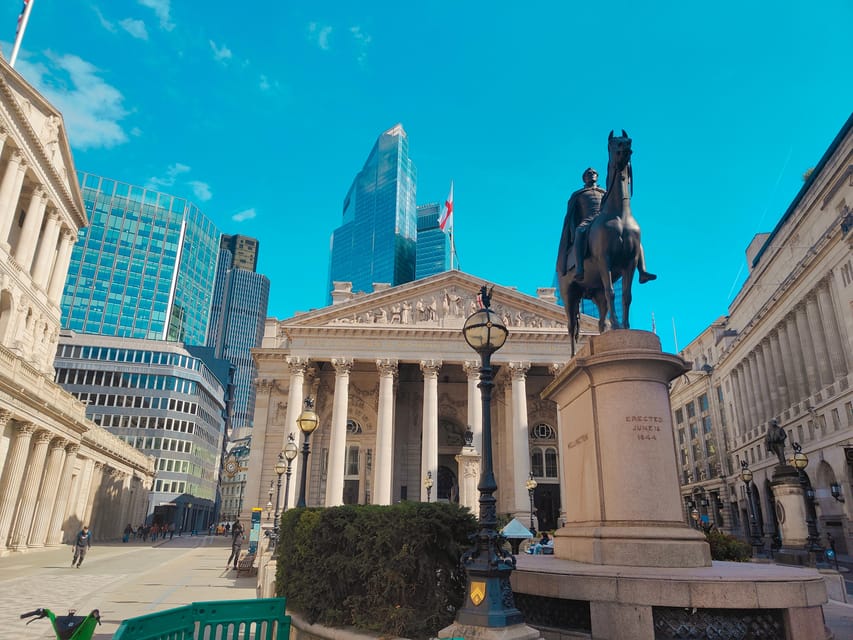
- Celtic-to-Norman timeline built around real places you can actually see
- Democracy and legal foundations explained through the City’s long push for rights
- Magna Carta origins—and the surprise angle about how a corporation helped fuel empire
- The dragon emblem and why it’s more than a cute logo
- Resilience through plague, fire, and revolution, with the City’s choices explained in plain language
- Small-group pacing that keeps it interactive instead of lecture-styled
Why the City of London Is Not Just London

Most visitors treat London like one big city. The City of London insists on being a separate idea. That’s where this tour shines: it helps you understand why the City and Westminster weren’t the same thing, and how the City became known as the envy of kings.
You start at Barbie Green and get oriented quickly, right where the City’s layers begin to show. From there, the guide builds the story through successive eras—Celts, Romans, Saxons, Vikings, and Normans—so you don’t just memorize dates. You learn what changed, what stayed stubbornly the same, and why the City’s attitude toward authority mattered.
If you like history that explains power—who had it, who resisted, and how rules formed—this format works. It’s not a museum tour where you just stare at walls. It’s a walk where the setting keeps arguing back.
You can also read our reviews of more walking tours in London



Hitting the Streets: The Route Starts at Barbie Green
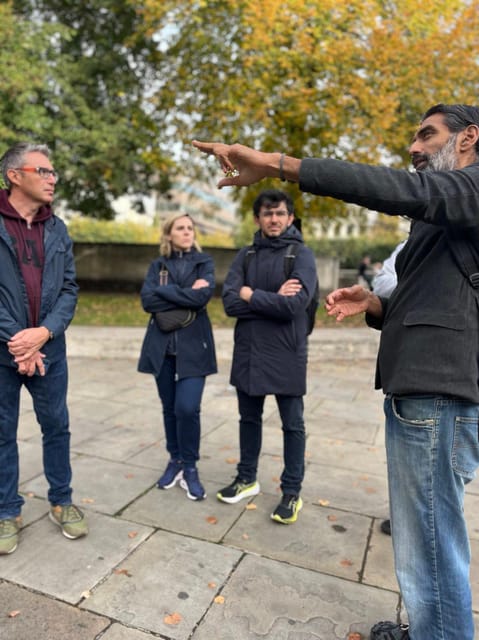
Meeting point matters in central London. This one is easy to find: Barbie Green restaurant, opposite the ruins. When you arrive, look for the guide with the longish hair and beard, and the felt image of a green dragon on their backpack. It’s a small detail, but it saves you from that awkward scanning moment.
The guided portion is structured in short, frequent stops—enough time to understand the point each place is making, then enough movement to keep the energy up. With a small group of up to 8, you’re not shouting over other people or waiting in line to hear the next explanation.
The tour is also wheelchair accessible, which is a big deal for this part of London where pavement and crowding can become an issue.
Salters’ Hall: Where Trade Meets Identity
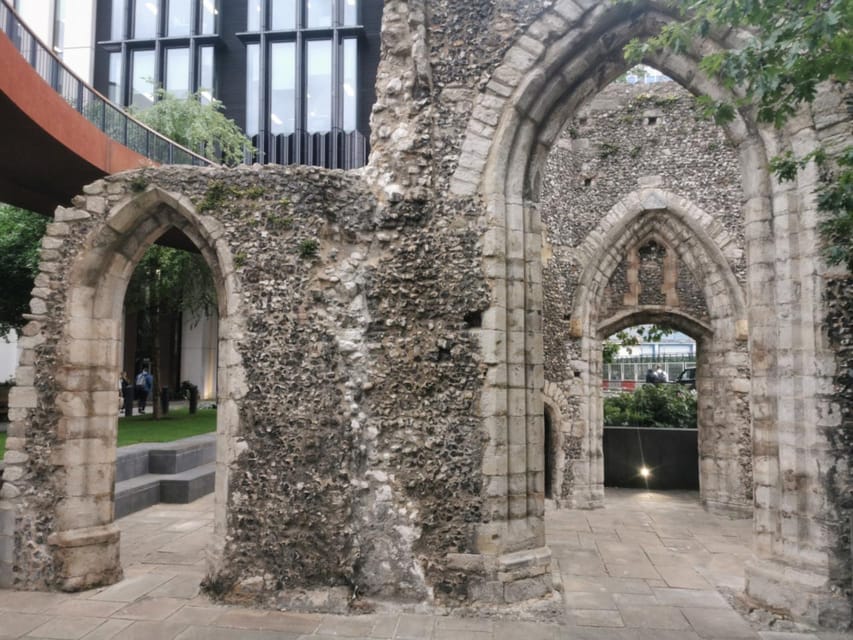
One of the standout stops is Salters’ Hall. Even if you’ve passed nearby before, you might not have realized how tightly London’s institutions tied together commerce and civic authority.
This is one of those stops where the guide’s job is to translate. You’ll learn how London’s governing and economic life grew from the same roots, not as separate worlds. That helps the rest of the tour click. When you later hear about rights, privileges, and the City’s resistance to outside control, you’ll understand it wasn’t just political drama—it was tied to how the City functioned day to day.
The practical takeaway: if you care about how cities run, not just what happened to kings, you’ll get more from Salters’ Hall than you might expect.
Guildhall: The City’s Voice, Not a King’s
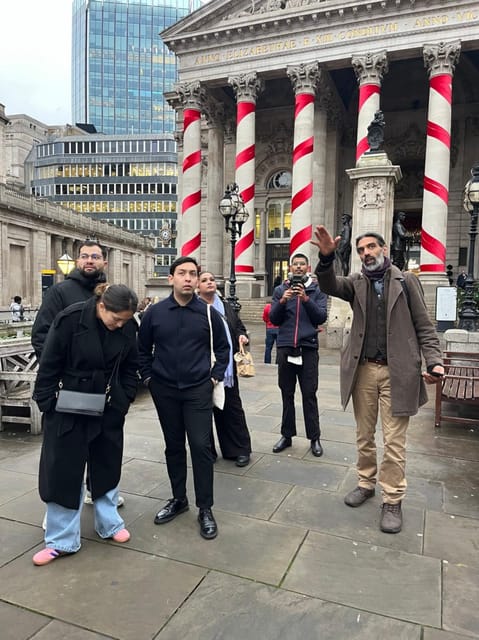
Then you reach Guildhall, another major anchor for understanding London’s independence. The guide spends time here because this isn’t just about architecture. It’s about civic identity—how the City organized itself and how that identity translated into power.
I liked the way the tour keeps returning to one central idea: the City of London had a strong sense of self and defended its role for centuries. That’s how you go from legends and early settlement stories to real political outcomes like legal limits on rulers.
This stop is also a good example of what makes the tour worth doing even if you’ve visited London before. You’re not just circling the same famous sights. You’re learning the less-obvious places where rules got shaped.
The Dragon Emblem: Why London Uses a Myth
You’ll also learn about the dragon emblem—and why it matters to the City’s identity. This isn’t treated like trivia. The guide frames the dragon as a symbol connected to resilience, continuity, and civic pride.
What I found helpful is that you don’t just hear what the emblem looks like. You hear how symbols become shorthand for political attitudes and shared memory. That makes it easier to notice details during your walk—and after the tour, you’ll start seeing the dragon references around the City with more meaning.
If you’re the type who enjoys symbolism and how it works culturally, this part will land.
You can also read our reviews of more city tours in London






Royal Exchange and Mansion House: Power in Public
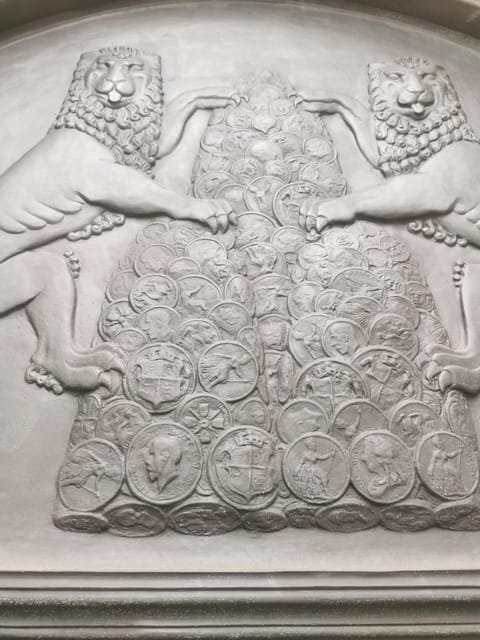
The tour includes Royal Exchange and Mansion House, both closely tied to London’s financial and civic life. Again, this is where the guide’s storytelling style matters. You’re not touring these places as isolated landmarks. You’re connecting them to the City’s long-running identity as a place that organizes trade, influence, and governance in the same orbit.
Even in short stops, you’ll get a sense of how the City presented itself: as confident, structured, and built for continuity. That helps explain why the City became such a force—why it wasn’t easily dominated.
Ending at the Bank of England: From Rights to Empire Energy

The walk concludes at the Bank of England. Ending here is clever because it shifts your focus from medieval and early-modern struggles to what those struggles helped enable.
The tour frames a key idea: a corporation was born and that corporate energy helped drive an empire. That angle is fascinating because it reframes empire-building as something enabled by institutions, not just armies and monarchs.
By the time you reach the end, you’ve already heard the “defiance against monarchy” story and the legal foundations linked to the City’s privileges. So Bank of England doesn’t feel like a random finance stop. It feels like the later chapter of the same theme: control, rights, and the City protecting its role.
The Big Themes You’ll Walk Away With
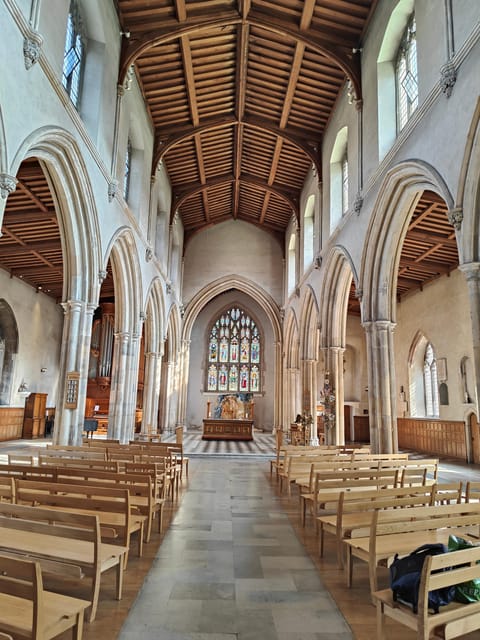
The tour is built around a few repeating threads. If you keep these in mind, you’ll get more from every stop:
1) The City evolves, but it resists being absorbed.
You move through multiple historical eras, but the “self-protective” attitude stays constant.
2) Democracy grows from legal pressure, not speeches.
You’ll hear how the City’s role helped shape England’s democracy and legal foundations, including the story connected to Magna Carta.
3) Crises reshape identity.
Plague, fire, and revolution aren’t treated as tragedy-only. They’re explained as turning points where the City’s behavior hardened into tradition.
4) Symbols are political.
The dragon emblem is used to show how identity becomes visible—and why that matters for civic unity.
What the Small Group Format Changes
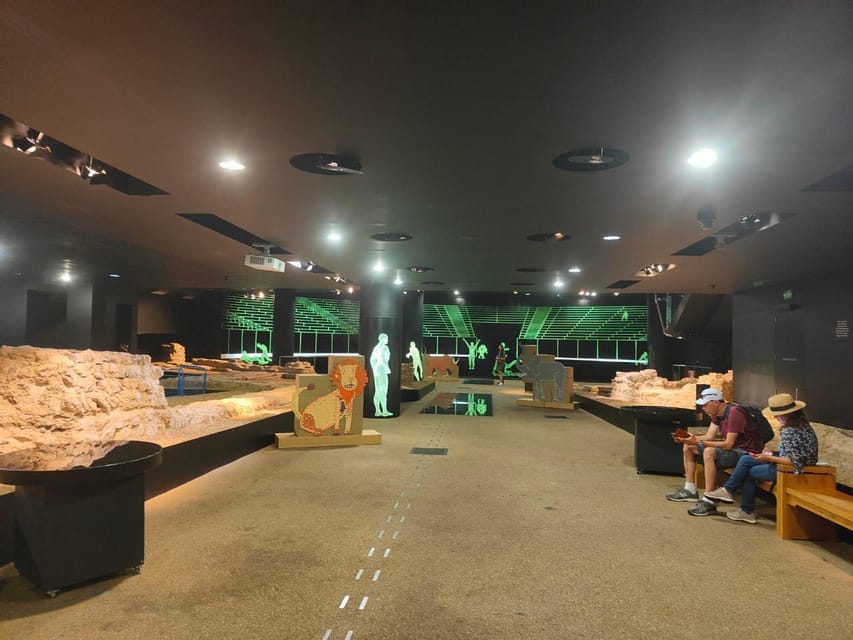
This is a small group tour limited to 8 participants, and that difference shows in how smoothly the walk flows. You’re more likely to get quick clarification, and the guide’s pace feels made for listening while walking.
I’d call the guide’s approach “storyteller with structure.” Arjun’s explanations come off natural and grounded—especially when he connects the legends and early chapters to the City’s later legal and civic role. It’s the kind of guiding that helps you remember details because they link to a bigger idea.
Practical Stuff That Helps You Enjoy It More
Here’s how to make the experience feel effortless instead of rushed:
- Expect 2.5 hours of walking and talking. This is not a sit-down museum rhythm.
- No food is served. If you’re the type who needs a snack to keep focus, plan one before or after.
- Bring water on warmer or grayer days. London walking can get surprisingly tiring.
- Comfortable shoes matter because the point is staying on your feet while the guide pulls history into the present.
- English live guide is the standard, and the tour can be multilingual if you tell them your language in advance.
- If you like having something to review later, you’ll get a post-tour PDF with an overview of the locations and themes.
If you want flexibility, you can also book with reserve-and-pay-later style options, and free cancellation up to 24 hours before start is offered.
Who This Tour Is For (and Who Might Prefer Something Else)
This City of London Historical Walking Tour is a great match if you want:
- history that explains power and rights, not just dates
- places that feel off the main tourist circuit
- a guided walk where the City’s identity is the star
You might choose a different option if you:
- want a slower pace with lots of resting time
- need frequent stops for food or long breaks (since none is provided)
- prefer only the biggest ultra-famous landmarks with minimal “interpretation”
For everyone else, it’s a strong way to experience the part of London that often gets treated like a background setting—when it’s really a main character.
Should You Book the City of London Historical Walking Tour?
Yes, if you’re curious about how London became London through legal power, civic independence, and stubborn continuity. The Magna Carta connection, the dragon emblem story, and the way plague/fire/revolution are woven into civic identity make this more than a polite stroll.
Book it especially if you’ve visited central London before and want something that feels different: less about ticking sights, more about understanding why this square mile has its own rules—and why kings cared.
If you want a history walk with personality, good structure, and a guide like Arjun who keeps the story moving in a way you can actually follow on foot, this one is worth your time.
FAQ
How long is the City of London Historical Walking Tour?
The tour lasts 2.5 hours.
Where do I meet the guide?
Meet at Barbie Green restaurant, opposite the ruins.
How big is the group?
The group is small, limited to 8 participants.
Is the tour wheelchair accessible?
Yes, the tour is wheelchair accessible.
What language is the tour offered in?
The live guide is English, and it’s multilingual if you share your language in advance.
Is food included on the tour?
No—no food is served during this tour.