REVIEW · LONDON
London: Craven Cottage Guided Tour at Fulham Football Club
Book on GetYourGuide →Operated by Stadium Tours: Fulham Football Club · Bookable on GetYourGuide
Craven Cottage feels like football from 1905. What makes this Fulham FC stadium tour so fun is how close you get to the real match-day spaces, from the Johnny Haynes Stand to the balcony at Craven Cottage itself. I especially like the chance to step into the home changing-area vibe and even sit in a favorite player seat. The one thing to plan around: the tour includes 22 steps and it isn’t suitable for wheelchair users or people with mobility impairments.
This is a tight, 75-minute guided walk that covers the big-name spots most stadium tours skip. You’ll see the press-box area, walk the players tunnel route, and get pitch-side time—then it ends at the trophy cabinet and the official retail store. Expect good photo moments (and lots of chances to ask questions), but remember there’s no food or drink included, so you’ll want to handle that before or after.
In This Review
- Key Points You Should Know Before You Go
- Why Craven Cottage Still Feels Like London Football’s Past
- The 75-Minute Route: Johnny Haynes Stand to the Craven Cottage Balcony
- Johnny Haynes Stand and the Leitch-Designed Shape of the Ground
- Players Tunnel to Pitch-Side: The Moment That Makes It Feel Real
- Sitting in the Home Changing Room: Where the Game Starts
- Press Box, Pitch-Side Repeats, and the Flag Memorabilia Stop
- The Bigger-Soccer Context: Olympics, England, and Women’s Champions League
- Trophy Cabinet Finish and the Official Fulham Shop
- Price and Value: Getting Real Stadium Access for $37
- Timing, Photos, Weather, and What to Wear
- Who Should Book This Fulham Tour (and Who Should Skip It)
- Should You Book This Craven Cottage Tour?
- FAQ
- Where is the meeting point for the tour?
- How long is the Craven Cottage guided tour?
- What is included in the price?
- Are food and drinks included?
- Can I bring a large bag or suitcase?
- Is the tour suitable for wheelchair users or mobility impairments?
Key Points You Should Know Before You Go
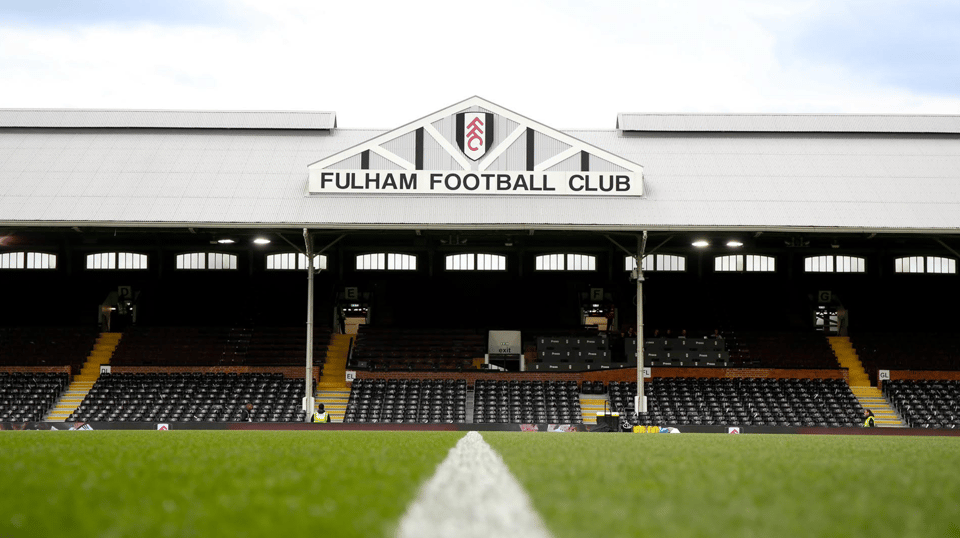
- Johnny Haynes Stand: One of the oldest grandstands in the country, tied to the stadium’s lasting design legacy.
- Craven Cottage balcony views: Step onto the iconic 1905-feeling terrace area when it’s available that day.
- Players tunnel to pitch-side: You’ll walk the pathway teams use, with time to get your bearings and photos.
- Home dressing room seating: Sit in a player-style seat and feel how the day starts behind the scenes.
- Stadium stories that connect eras: You’ll hear context about the 1948 Summer Olympics, England matches, and the Women’s Champions League final (2011).
- Trophy cabinet + club shop finish: The tour ends with the cabinet look and a practical shopping stop.
Why Craven Cottage Still Feels Like London Football’s Past
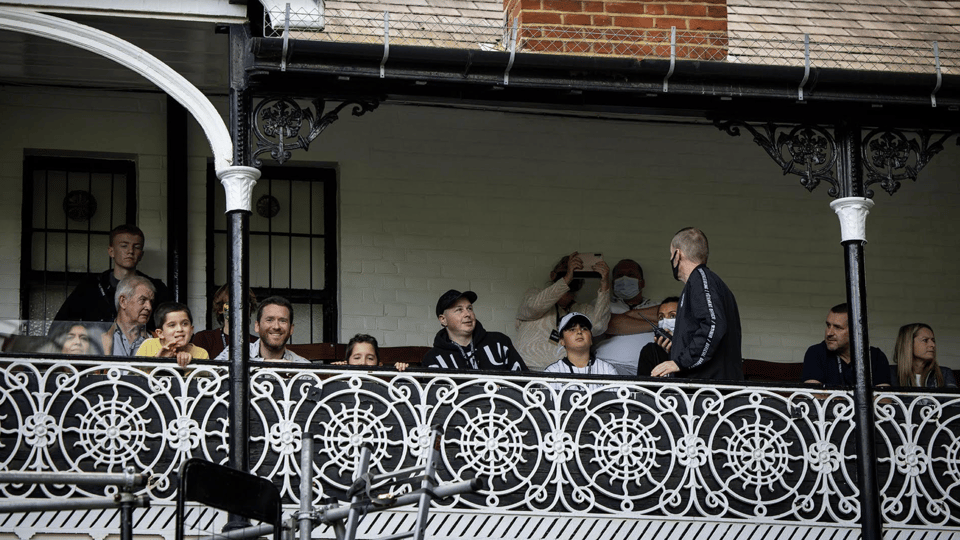
Craven Cottage doesn’t try to feel like a brand-new theme park. It feels like a working football ground with history built into the corners—especially once you start moving through the older parts of the stadium. The tour leans into that, taking you from the grandstand areas down to the spaces that feel most private and match-day real.
One reason I’d call this a smart pick is the mix of architecture and people-space. You get stadium design context—linked to 1905 and the redevelopment by Archibald Leitch—then you get the practical, everyday football areas: tunnel, pitch-side, and the home dressing room.
And it’s not just trivia time. The best part is how the guide uses your body position in each area—standing, looking, walking—to make the stories make sense fast. Names that come up as guides include Philip, George, Ian, Trevor, Doug, Courtney, and Will, and the common thread is that they keep things friendly, answer questions, and help your group capture photos along the way.
You can also read our reviews of more guided tours in London



The 75-Minute Route: Johnny Haynes Stand to the Craven Cottage Balcony
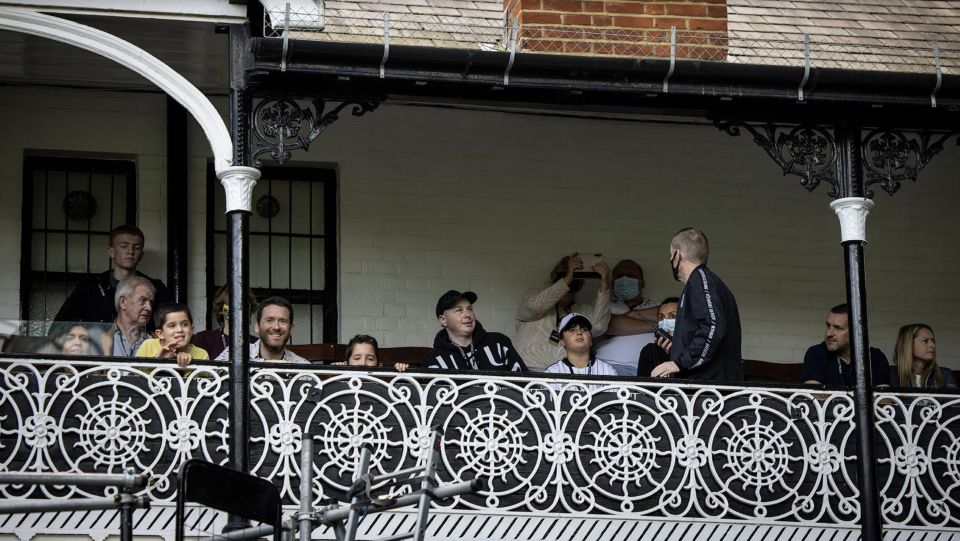
The tour is built as a focused circuit, and that matters. A 75-minute format means you’re not trapped in a long slog, and you’re more likely to enjoy each stop instead of zoning out.
Here’s the route flow you can expect, with the key caveat that some parts depend on day-of stadium availability:
- You start at the Johnny Haynes Stand reception area on Stevenage Road (between gates 28 and 29, near the retail store).
- You move through stand and match-day zones like the press box and players tunnel.
- You get to pitch-side areas.
- You visit the home changing room, with a chance to sit in a player seat.
- You then pass the flag memorabilia area.
- You work back through additional stadium zones, including access to the new Riverside Stand and finally Craven Cottage itself, including the famous balcony (when open/accessible that day).
- The finish is the trophy cabinet plus the official club store.
Because the route can change late and some areas are subject to availability, I recommend keeping your expectations flexible. You’ll still get the core feeling of the ground, even if one specific photo stop is swapped around.
Johnny Haynes Stand and the Leitch-Designed Shape of the Ground
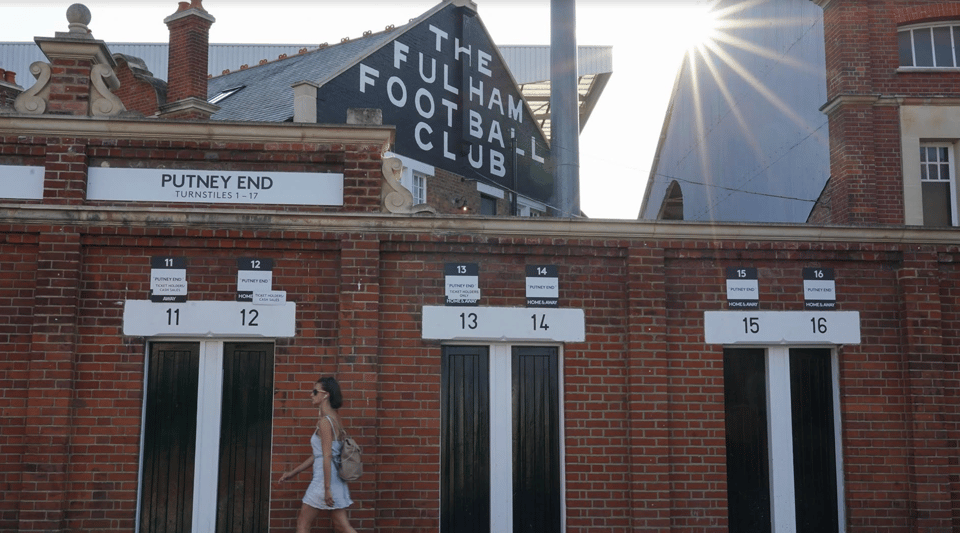
The Johnny Haynes Stand is a big deal for a reason: it’s one of the oldest grandstands in the country. When you’re standing there, it’s easier to imagine why this ground has such a strong identity, even as football evolves.
What I like about how this tour handles the stand is that it ties architecture to time. In 1905, the ground was redeveloped by Archibald Leitch, and many parts of what’s known internationally today come from that period. Instead of treating it like a museum stop, the guide points out what the design does for sightlines, atmosphere, and the overall “feel” of match day.
If you’re the type who enjoys how stadiums are built to shape the crowd and the drama of a match, you’ll probably get a lot out of this section. Even if you’re not a hardcore tactics person, it makes the rest of the walk click.
Players Tunnel to Pitch-Side: The Moment That Makes It Feel Real
This is the part that tends to give people that right-now adrenaline. Walking in the footsteps of teams along the players tunnel makes the stadium stop being just seats and concrete. Suddenly you’re thinking about timing—how teams enter, where attention goes, and what it feels like to be about to step onto the field.
Then comes the payoff: pitch-side time. You’re not just looking at the pitch from a distance; you’re at the level where players would feel the match environment. It’s also where you get the best sense of why people talk about this ground’s character.
Photo-wise, this is where you’ll want to slow down and get your angles right. The tour is guided and photo-friendly, and the day’s pace helps you capture the tunnel-to-pitch progression without feeling rushed.
Sitting in the Home Changing Room: Where the Game Starts
Few stadium tours let you really get the vibe of the changing room. Here, you get to step into the home changing room and even sit in a favorite player-style seat. That single detail does a lot for the emotional side of the visit.
Why? Because it shifts your mindset. You stop imagining the football from the stands and start imagining it from the inside—planning, nerves, focus, and that quiet moment before the first whistle. It’s also a surprisingly good way to make the history feel personal, since you’re physically in the space where older match-day routines would have played out.
This area is also where you’ll likely feel the tour’s tone most. Guides often keep things upbeat and interactive here—answering questions and encouraging photo moments—so the time doesn’t feel like you’re wandering through a storage corridor.






Press Box, Pitch-Side Repeats, and the Flag Memorabilia Stop
The press box stop is one of those “you’ll see it, but you won’t notice it unless you know” areas. Being up there (and looking across key lines) helps explain how stadium design supports media sight and match coverage. It’s not just about seeing the view; it’s about understanding the stadium from multiple job roles.
You’ll also notice pitch-side may come up more than once during the walk. That’s helpful. The first time you’re there, you’re taking it all in. If you get another pitch-side moment, you can reset and reframe your photos and your understanding of the field’s position in the ground.
Then there’s the flag memorabilia area. This is the stop that feels like a bridge between football action and club identity. Instead of being technical, it leans into the stories and symbols that help a club feel like a community, not just an event.
The Bigger-Soccer Context: Olympics, England, and Women’s Champions League
This tour isn’t limited to Fulham-only anecdotes. It includes context about broader football moments tied to the venue, including the 1948 Summer Olympics, England matches, and the Women’s Champions League final of 2011.
That matters because it frames Craven Cottage as part of the wider London sporting scene. If you only know it as Fulham’s home, you’ll still get a great experience. But if you like connecting stadiums to key historical events, this tour gives you enough anchors to make your visit feel bigger than one club.
Just be ready for the guide to connect those events to physical spots you’re standing in. When the guide ties the story to where you are—rather than dumping facts—it sticks better.
Trophy Cabinet Finish and the Official Fulham Shop
The tour ends on a satisfying loop: trophy cabinet first, then the official retail store. This is a smart finish because it gives you a final “bookend” moment after the behind-the-scenes walk.
You’re not left standing around wondering what comes next. You get closure—seeing what the club has collected over time—and then you can decide if you want a souvenir without scrambling for a nearby shop.
If you’re a Fulham fan, this is also where the experience naturally turns from photos to memorabilia. Even if you’re not a jersey-first person, the shop is a convenient way to take something home while you’re still in stadium mode.
Price and Value: Getting Real Stadium Access for $37

At about $37 per person for a 75-minute guided tour, this is one of those London activities that feels reasonably priced if your goal is access. Stadium tours can swing wildly in cost across the city, and what you want is time in real match-day areas—not just a quick stroll with a generic explanation.
Here’s what you’re getting value for:
- Entry to the Craven Cottage Stadium areas included
- A live guide leading the route
- Multiple high-interest spaces like the tunnel, pitch-side, and dressing room
- A guided storytelling layer that brings in major events and football context
- A finish that includes the trophy cabinet and shop
Two small practical notes that affect value:
- No food or drinks are included, so build in a pub stop or snack plan around your visit.
- The route can shift based on availability, but the main set pieces are built around the same “core feeling” of the ground.
If you’re spending time in London on a tight schedule, this tour’s short duration is a plus. It’s not an all-day project. It’s a solid use of an hour-plus when you’d otherwise be doing long hops between sights.
Timing, Photos, Weather, and What to Wear
This tour runs in any weather, unless stadium management decides conditions are unsafe. That means you should dress for the day you’re actually visiting, not for an ideal forecast. Wear weather-appropriate layers and shoes that work on outdoor paths.
Photo-wise, bring your phone or camera and be ready to move when the guide calls for it. Photos are encouraged, and the guided pacing helps you capture the tunnel-to-pitch progression, plus the view moments connected to Craven Cottage’s iconic areas.
There are also steps between the Cottage forecourt and the Cottage itself—again, up to 22 steps. If you’re comfortable with stairs but hate rushing, aim to wear shoes you trust and don’t plan this tour when you’re already exhausted.
Who Should Book This Fulham Tour (and Who Should Skip It)
This tour fits best if you like:
- Football history tied to the physical layout of a stadium
- Behind-the-scenes access, especially tunnel and dressing room moments
- Straightforward, guided storytelling that you can follow while walking
You may also love it if you’re visiting with mixed interests—someone who’s a big Fulham fan and someone who’s more casual. The guided explanations and the variety of spaces tend to keep both groups engaged, and the photo opportunities give everyone something concrete to do.
Who should skip it?
- It’s not suitable for people with mobility impairments or wheelchair users.
- It’s also strict about what you can bring: no luggage or large bags, and bags A4 size or larger won’t be permitted into the stadium. There’s no storage on site, and bags are searched.
Should You Book This Craven Cottage Tour?
I think this tour is worth booking if you want genuine stadium access in a compact time slot. The standout is the combination of classic grounds—the Johnny Haynes Stand and Craven Cottage area—with match-day spaces that feel immediate: players tunnel, pitch-side, and the chance to sit in the home dressing room.
If you’re traveling with luggage, hate stairs, or need wheelchair-friendly routing, look for another experience that fits your access needs. Otherwise, this is a strong pick for anyone who wants London football with a real sense of place, not just a photo stop.
FAQ
Where is the meeting point for the tour?
Meet at the tour reception between gates 28 and 29 of the Johnny Haynes Stand on Stevenage Road, almost at the retail store. Arrive 15 minutes before your tour starts.
How long is the Craven Cottage guided tour?
The tour duration is 75 minutes.
What is included in the price?
You get entrance to Craven Cottage Stadium and a live guide.
Are food and drinks included?
No. Food and drinks are not included.
Can I bring a large bag or suitcase?
No luggage or large bags are allowed. Bags A4 size or larger are not permitted into the stadium, and security will search bags before entry. There’s no storage on site.
Is the tour suitable for wheelchair users or mobility impairments?
No. The tour is not suitable for people with mobility impairments or wheelchair users, and there are stairs involved (including 22 steps between the forecourt and the Cottage).