REVIEW · LONDON
London: Freud Museum Entry Ticket
Book on GetYourGuide →Operated by Freud Museum London · Bookable on GetYourGuide
A couch, a study, and psychoanalysis’s maker. I love seeing Freud’s original couch in the room he used, and I also love how Freud’s Study feels eerily personal, like you’re borrowing a slice of his Vienna life. The main drawback: you’ll need your own phone and headphones to get the most from the free audio guide.
This is a 1-day visit that moves at a human pace. You’ll tour Freud’s final home, then shift focus to Anna Freud’s groundbreaking work, including her room and collections, plus a film with voiceovers and a rare Freud recording. If you’re not into psychology or 20th-century ideas, plan for the fact that the emotional tone can be heavy.
In This Review
- Key things you’ll notice at the Freud Museum London
- Getting your bearings at the back-of-the-house entrance
- Freud’s Study: where the couch turns theories into atmosphere
- Freud’s desk, favorite antiquities, and the chair built for his posture
- The Dining Room: family story plus the psychoanalysis story
- Anna Freud’s Room: child psychoanalysis, her couch, and her collections
- Salvador Dalí’s portrait of Freud and the 1938 London link
- The 20-minute film: voiceovers from Anna and a rare Freud recording
- The peaceful garden: a calm reset at the end
- Audio guide + free tour: how to use them for best results
- Ticket price and value: what $19 buys you in real experience
- Who should book the Freud Museum entry ticket
- Should you book the Freud Museum entry ticket?
- FAQ
- What does the ticket include?
- Do I need headphones for the audio guide?
- How long should I plan for this visit?
- Where is the meeting point for the visit?
- Is there a film during the visit?
- What can I see in Sigmund Freud’s Study?
- Is Anna Freud included in the visit?
- Is there anything to do outside the main rooms?
Key things you’ll notice at the Freud Museum London
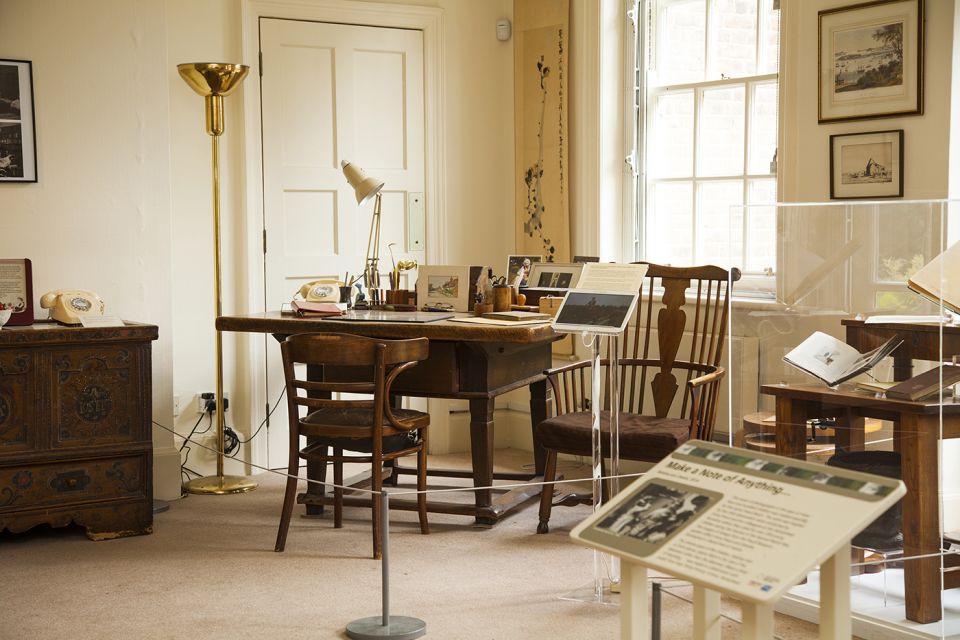
- Freud’s study furniture, preserved: his couch, desk, and even the chair built for his preferred posture.
- A seating design detail with a story: legs-over-arm posture wasn’t an afterthought; it was part of his comfort.
- Anna Freud’s pioneering child psychoanalysis: her room adds a different angle on psychoanalysis.
- Salvador Dalí’s portrait of Freud: a surrealist link to the London meeting of 1938.
- A short film that stitches Vienna to London: about 20 minutes, with voiceovers and a rare recording.
- A peaceful garden finish: a calm reset after the big ideas inside.
Getting your bearings at the back-of-the-house entrance
Start at the shop end. The meeting point is the back of the house, and you enter through the shop. It’s a small detail, but it helps you avoid wandering around wondering where the next room starts.
After entry, you’ll want to keep your phone ready. The audio guide is part of the experience, but you must bring your own phone and headphones to listen to it. That single prep step makes the visit feel smoother right away.
Also, if you can, try to align with the free tour time. There’s a free tour from Thursday to Saturday at 2pm, and it can help connect the rooms so the story lands faster.
You can also read our reviews of more tours and experiences in London


Freud’s Study: where the couch turns theories into atmosphere
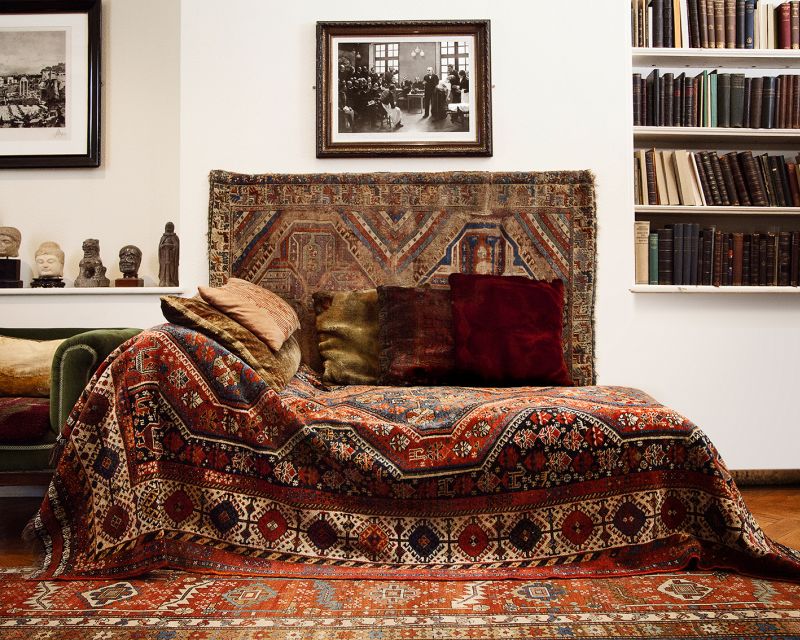
The heart of the visit is Freud’s Study. This is the room where the museum leans hardest into mood: the preserved layout, the desk, and that iconic psychoanalytic couch that’s instantly recognizable even if you know Freud only by name.
What I like about this setup is that it makes psychoanalysis feel physical. It’s not just concepts on a panel. You stand in the exact space where Freud worked, and the room does a lot of the teaching for you.
You’ll spend time here, and the Study is described as deeply emotional and inspirational. If you’re the type who enjoys “small” museum details—what people sat on, how they worked, how a room shaped behavior—this part delivers.
Possible consideration: since the couch and Study dominate the experience, go in with a little time cushion so you don’t feel rushed. Even though the overall visit is 1 day, the Study deserves your focus.
Freud’s desk, favorite antiquities, and the chair built for his posture
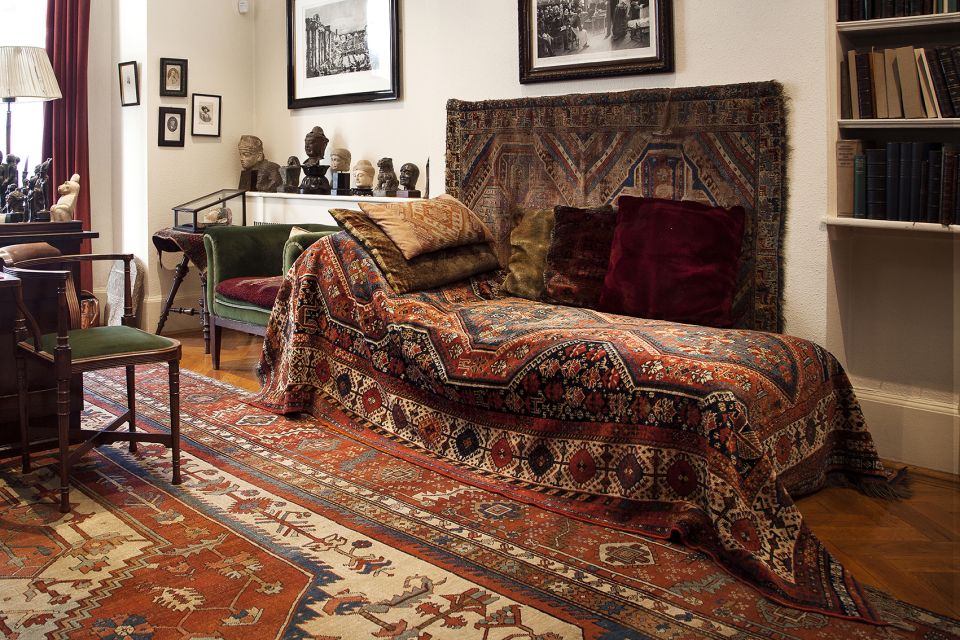
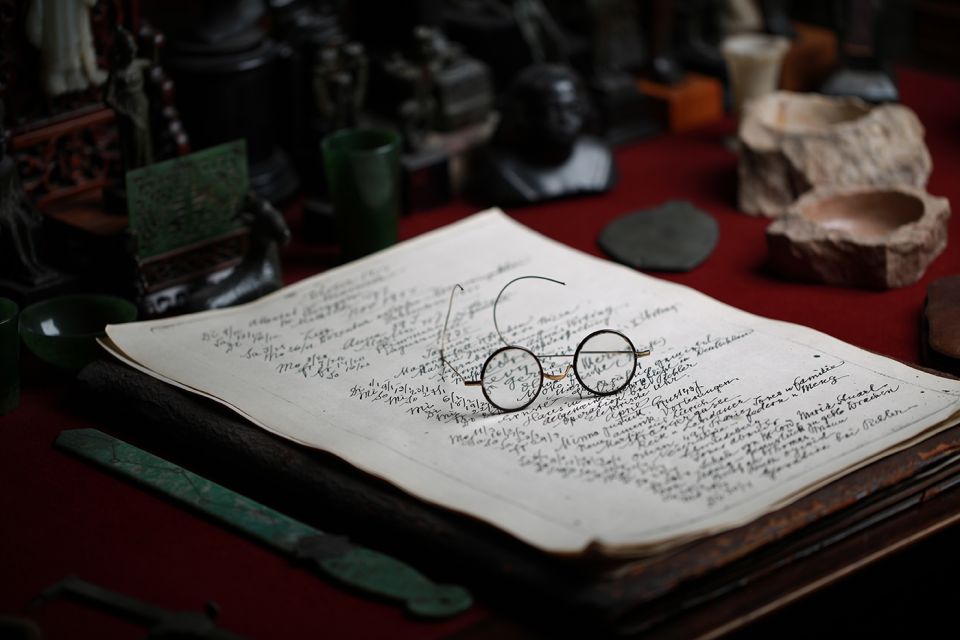
In the Study you’ll also see Freud’s desk, where he placed his favorite antiquities. That matters because it shows you what surrounded him while he was working. Ideas don’t float in a vacuum; they live alongside hobbies, objects, and habits.
Then there’s the unusual chair. It was designed especially for Freud’s preferred seating posture, with his legs positioned over one arm of the chair. That detail is oddly human. It turns a legend into a person who cared about comfort and routine.
This room is where you’ll likely start to notice the museum’s logic: the environment is part of the narrative. You’re not just reading about psychoanalysis; you’re seeing how Freud lived inside his thinking.
The Dining Room: family story plus the psychoanalysis story
After the Study, you move into the Dining Room. This space shifts the tone from objects to relationships and context.
Here you’ll learn about Freud’s family story and the story of psychoanalysis. That blend is useful. Psychoanalysis wasn’t created in isolation, and connecting Freud’s personal world to his professional one makes the whole topic easier to follow.
I also like that this section helps you avoid the “one-room museum” feeling. You’re given more than just the famous couch. You get the sense that Freud’s life and the development of psychoanalysis grew side-by-side.
Anna Freud’s Room: child psychoanalysis, her couch, and her collections
Anna Freud’s room is the other major anchor of the visit. You’ll see her couch and collections, plus learn about her pioneering work on child psychoanalysis.
This is valuable because it broadens the story. Psychoanalysis often gets treated like a single creator’s legacy, but Anna Freud becomes a clear second force—someone building and adapting the ideas for children.
The room also helps you understand the generational thread. You’re moving from Sigmund Freud’s working life to Anna Freud’s professional path, in the same family home. That makes the visit feel more complete, not just reverent.
You can also read our reviews of more museum experiences in London




Salvador Dalí’s portrait of Freud and the 1938 London link
Alongside Anna’s Room, you’ll see a portrait of Sigmund Freud by Salvador Dalí. This is one of those details that feels like a bonus even if you don’t come in expecting art connections.
You can also learn about their meeting in London in 1938 in Professor Ades’ article on Dalí’s sketches of Freud. That’s a smart way to connect visual culture to the Freud story, because it shows how Freud’s public image reached beyond psychology circles.
If you like crossovers—history meeting art meeting ideas—this section will give you a pleasant jolt of variety without dragging the visit off-topic.
The 20-minute film: voiceovers from Anna and a rare Freud recording
In the next room, there’s a film about the Freud family that runs around 20 minutes. What makes it worthwhile is the mix of voices and media.
You’ll hear voiceovers from Anna Freud, and you’ll also encounter a rare recording from an interview with Sigmund Freud. There’s footage from Vienna and London too, which matters because the museum is literally built around a move and a life carried across places.
I find short films work best in museums like this because they provide pacing. Instead of reading one panel after another, you get a human timeline that helps the rooms you just saw click into place.
The peaceful garden: a calm reset at the end
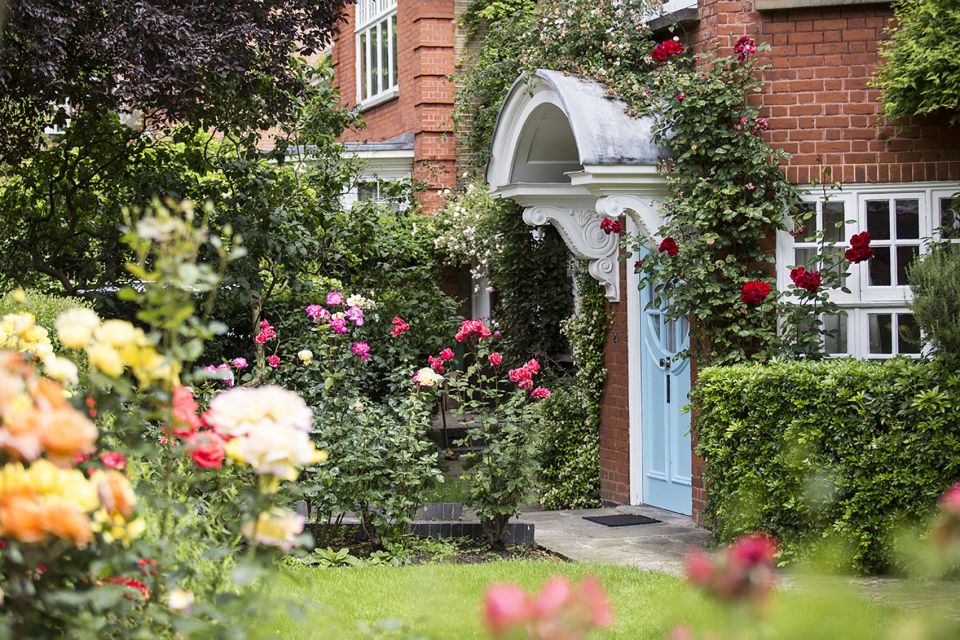
Finally, spend time in the peaceful garden. This is more than a nice place to sit. It gives your brain a breather after the heavier emotional tone inside.
If you’re visiting with your phone and headphones already used for the audio guide, the garden can be a relief. You can slow down, take a breath, and reflect on what you just learned without screens or exhibit text pulling your attention in ten directions.
This ending also makes the whole day feel balanced: ideas, then atmosphere, then quiet.
Audio guide + free tour: how to use them for best results
Your ticket includes admission and an audio guide. The free tour is available Thursday to Saturday at 2pm, which can be a strong choice if you want a quicker narrative thread through the rooms.
But the audio guide needs your setup. You’ll want to bring your phone and headphones. If you forget headphones, you’ll miss the main audio element. And if your phone battery is low, you’ll feel that squeeze more than you’d expect.
One practical approach: use the audio guide in the most detail-heavy rooms first, like Freud’s Study and Anna’s room, then switch to reading and looking afterward. That way you get the best mix of guidance and personal observation.
Ticket price and value: what $19 buys you in real experience
The price listed is $19 per person for a 1-day experience. On paper, it’s not just a ticket to stand in a building. You’re paying for a curated visit that includes admission, an audio guide, and a film element with voicework and rare recording.
The value comes from the specificity. This isn’t a generic “Freud museum” walkthrough. You’re seeing preserved spaces: the Study, Freud’s desk with his favorite antiquities, the couch, the posture chair, Anna’s room and couch, plus the Dalí portrait and the garden.
If you enjoy places where famous objects sit in context—where the room itself matters—this ticket feels like a fair match. If you mainly want broad overviews and don’t care about psychoanalysis or historical artifacts, you might find the focused nature of the home museum better suited to a smaller audience.
Who should book the Freud Museum entry ticket
Book this if you like:
- Museum visits that feel like stepping into someone’s real daily space, not just a gallery of facts.
- Psychoanalysis as a human story, including the family side through Anna Freud.
- Details: furniture, objects, and the way posture and routine shape a person’s world.
- A day plan that includes a short film and ends in a calm garden.
You might skip it if you want only quick, general history. The emotional tone and subject matter are part of the point, and the museum is built around that intensity.
Should you book the Freud Museum entry ticket?
Yes, if you’re curious about Freud beyond headlines, and you like when a museum gives you atmosphere, not just information. The preserved Study and the original couch do the heavy lifting, and Anna Freud’s room adds needed balance to the story.
Also, if you can time your visit near the Thursday–Saturday 2pm free tour, you’ll likely get extra clarity on how the rooms connect. Just come prepared with a charged phone and comfortable headphones, because that’s where the experience starts sounding like a living conversation rather than just exhibit text.
FAQ
What does the ticket include?
Admission and an audio guide are included. There’s also a free tour available from Thursday to Saturday at 2pm.
Do I need headphones for the audio guide?
Yes. You’ll need headphones for the free audio guide, and you’ll also need to bring your phone.
How long should I plan for this visit?
The experience is valid for 1 day. The film is about 20 minutes, but you’ll spend time in the Study, Anna Freud’s rooms, and the garden as well.
Where is the meeting point for the visit?
Go to the back of the house and enter through the shop.
Is there a film during the visit?
Yes. There’s a film about the Freud family in a room you can visit, and it lasts about 20 minutes.
What can I see in Sigmund Freud’s Study?
You can spend time in the Study and see Freud’s world-famous psychoanalytic couch, his desk with favorite antiquities, and the unusual chair designed for his preferred seating posture.
Is Anna Freud included in the visit?
Yes. You’ll visit Anna Freud’s Room to learn about her pioneering work on child psychoanalysis and see her couch and collections.
Is there anything to do outside the main rooms?
Yes. After the indoor rooms, you can spend time in Sigmund Freud’s peaceful garden.