REVIEW · LONDON
London: Guided Agatha Christie Walking Tour
Book on GetYourGuide →Operated by Brit Icon Tours · Bookable on GetYourGuide
Agatha Christie leaves tracks behind. This Agatha Christie walking tour strings real London streets to the stories and people behind the crime-writing legend in just two hours. You’ll move through neighborhoods and landmarks that shaped her worldview and her novels, with a stop outside The Mousetrap thrown in for good measure.
I especially like the mix of big-name institutions and very specific Christie tie-ins. You get to see places tied to her life and work, including the British Museum and the University of London area, not just theatre posters and gift-shop facts.
My one caution: the walk is short, and it leans more toward stories-with-context than deep plot analysis. If you want a very detailed breakdown of every book and character, this may feel a bit too focused on the city and her background.
In This Review
- Key highlights worth showing up for
- Meeting at Euston Square: start smart, save time
- What makes this Christie walk special: London as the character
- Mayfair to Chinatown to Theatreland to Bloomsbury
- Garrick Club, British Museum, and University of London: institutions with personality
- Christie’s real-life influences: hospital dispensary work and Max Mallowen
- Writers she admired: where Sir Arthur Conan Doyle fits in
- Theatreland moment: finding the story at St. Martin’s Theatre
- The Mousetrap stop: the royal origin you don’t expect
- Guides make the day: Rory and Jonathan’s different strengths
- Price and value: $22 for 2 hours of context
- When it might not fit: the “not informative enough” risk
- Who should book this Agatha Christie walking tour
- Should you book this tour?
- FAQ
- FAQ
- How long is the London Agatha Christie walking tour?
- How much does it cost?
- Where do I meet the guide?
- How big is the group?
- Is the tour guided or self-guided?
- What should I bring?
- Is the tour suitable for wheelchair users or limited mobility?
Key highlights worth showing up for
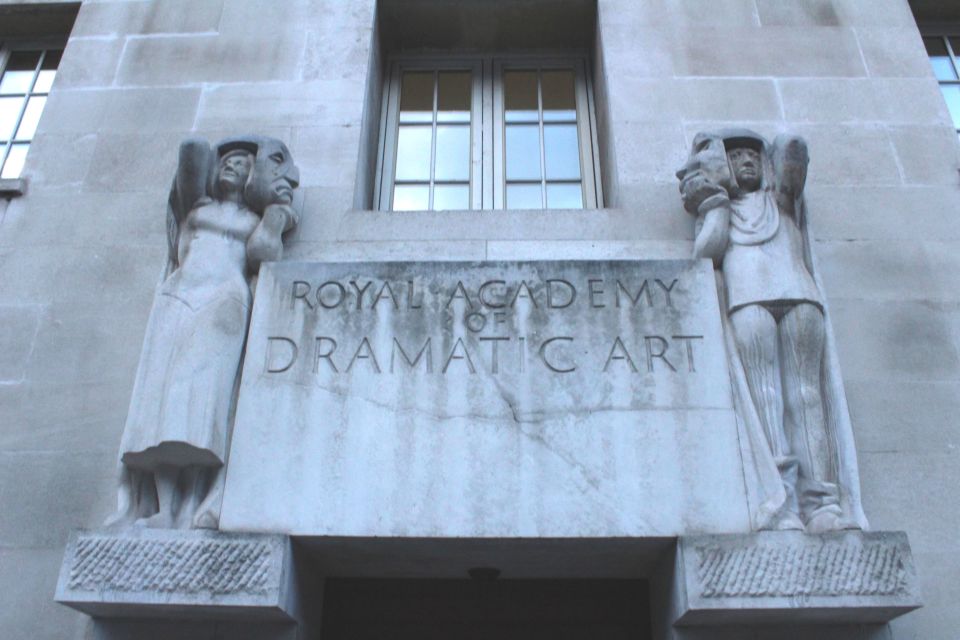
- 10+ Christie-influenced locations in 2 hours, so you cover a lot without spending your whole day in a group
- Expert live guide, with extra details that go beyond the usual highlights
- City-and-author storytelling, linking London institutions and everyday life to how Christie built her mysteries
- Theatre-focused moments, including a stop outside The Mousetrap and time near St. Martin’s Theatre
- Walkable neighborhoods like Mayfair, Chinatown, Theatreland, and Bloomsbury
- Small group size (max 10), which usually means better questions and less lag time at each stop
Meeting at Euston Square: start smart, save time
The tour starts outside the exit of Euston Square Underground Station on Gower Street, served by the Metropolitan and Circle Lines. Easy win: you’ll want to double-check you’re at Euston Square, not the bigger, different-feeling Euston Mainline Station nearby. People mix those up, and it costs you time you could use to start the walk.
Plan to arrive a few minutes early so you can get oriented and meet your guide without rushing. Since this is a walking tour, your best friend is comfortable footwear and weather-appropriate clothing. London weather can change its mind mid-sentence, and you’ll still be out there on foot.
The format also matters. This is live, English-language guidance for a small group limited to 10. That’s a sweet spot: the guide can keep momentum, and you’re not shouting over a crowd just to hear a single interesting fact.
You can also read our reviews of more walking tours in London



What makes this Christie walk special: London as the character
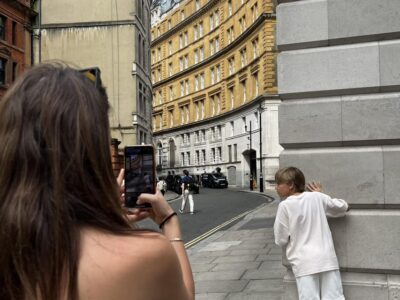
This tour isn’t only about which books were written in what year. It’s about how London itself shaped the material, from its institutions to its people. The basic idea is simple and fun: follow the streets, and you’ll start noticing how the city’s rhythm could feed mystery writing.
You’ll explore places mentioned in Christie’s works, plus places that inspired her and places she herself visited. That blend is a big reason this tour feels more alive than a museum stop. You’re standing where things happened, then letting the guide connect the dots to the stories people still love today.
And yes, it’s ideal if you’re a Christie or Hercule Poirot fan. The walk keeps the mood in mind. You’re not just collecting facts; you’re building a map in your head of how crime fiction can grow out of very real streets and very real daily life.
Mayfair to Chinatown to Theatreland to Bloomsbury
The tour covers a set of areas that feel like different Londons in one day. You’ll walk through Mayfair, Chinatown, Theatreland, and Bloomsbury during the route. Even if you’re only passingly familiar with these places, you’ll leave with a clearer sense of what each one contributed to Christie’s sense of atmosphere.
Here’s how I’d think about it for planning: this kind of neighborhood mix is where you get the “movie in your mind” effect. Christie’s writing often thrives on contrast—polite society, busy public spaces, private corners, and the sharper edges under the surface. When you pair that with real London locations, the inspiration story starts to click.
Also, because the tour is only two hours, it avoids the common trap of sprawling across too much city with too little meaning. You’ll cover enough to feel satisfied, but not so much that your feet revolt before the best parts.
Garrick Club, British Museum, and University of London: institutions with personality
One of the stronger parts of this tour is that it doesn’t treat London’s institutions as background scenery. You visit major names such as the Garrick Club, the British Museum, and the University of London area.
Why does that matter? Because Christie wasn’t writing in a vacuum. A city’s institutions shape who meets whom, where conversations happen, and what kinds of social worlds exist. When you stand near places like these, the connection from “author life” to “fiction life” becomes easier to understand.
In practical terms, these stops also help you appreciate the geography. Institutions give you solid reference points. You’re not just wandering; you’re landing at recognizable anchors, then letting the guide explain how London’s structure could feed plot ideas and character types.
If you’re the kind of person who likes your sightseeing with a purpose, these institution moments are a highlight. They add weight to the tour beyond theatre and neighbourhood trivia.
Christie’s real-life influences: hospital dispensary work and Max Mallowen
A tour like this works best when it connects place to person. Here, you learn how Christie was inspired by events and people around her, including her work in a hospital dispensary and her marriage to Max Mallowen.
That might not sound like “murder mystery material,” but it’s exactly the point. Real-world routines, illness and recovery, the way people behave under stress, and the close contact with everyday life can all feed how characters react in fiction. The guide’s job is to translate those real-life details into story logic you can actually picture.
This is also where the tour’s expert guidance matters. You’re not just told facts. You’re guided to understand why those experiences could influence the author’s storytelling choices—especially her ability to observe people and turn everyday reality into suspense.
You can also read our reviews of more guided tours in London






Writers she admired: where Sir Arthur Conan Doyle fits in
Another element you should be ready for is the author-of-an-author angle. The tour includes discussion of writers Christie admired, including Sir Arthur Conan Doyle.
Even if you’re most interested in Christie herself, this is useful. It helps you see her place in a larger ecosystem of crime and detection writing. That context makes the London locations feel less random. You start seeing them as part of a literary network, not just a set of sightseeing stops.
If you’re a literature fan, you’ll probably enjoy this portion a lot. If you mostly want the fastest path to Poirot-level excitement, the good news is that the tour still keeps the focus tied to Christie’s perspective and the places that shaped her.
Theatreland moment: finding the story at St. Martin’s Theatre
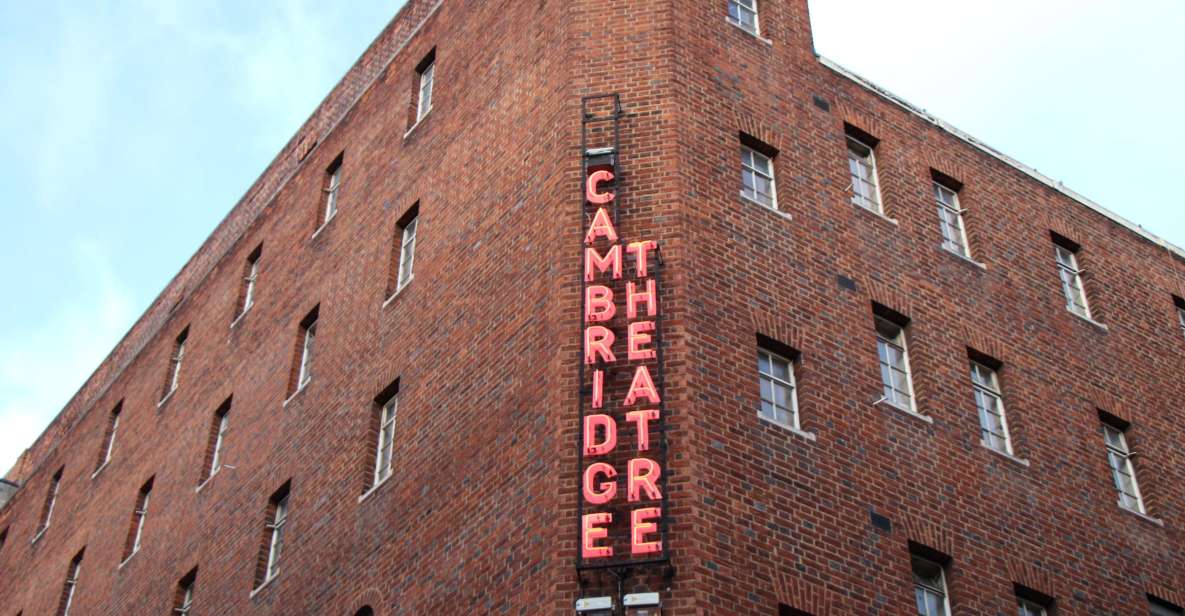
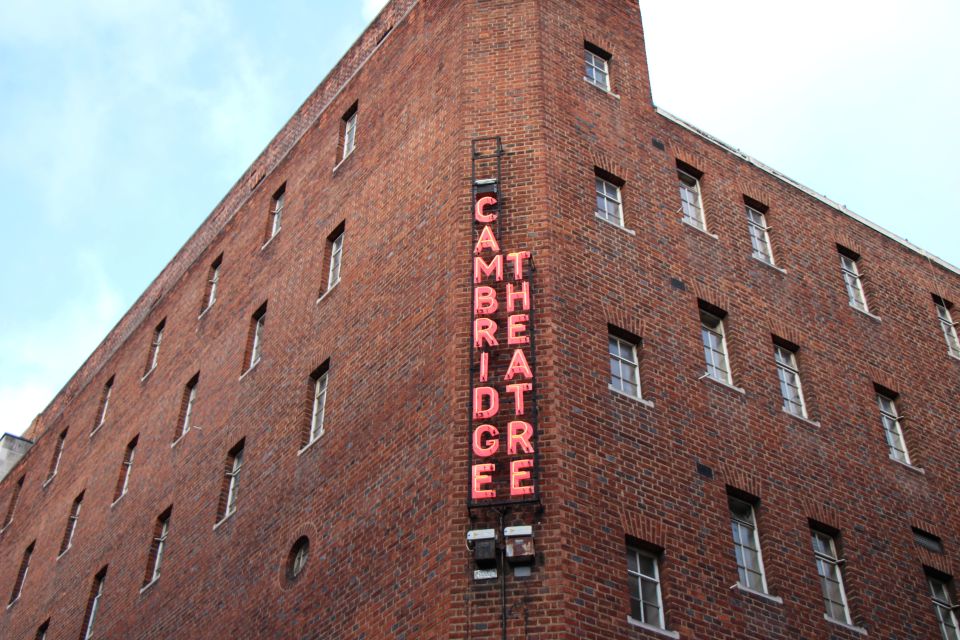
No Christie walk around London would be complete without theatre. This tour includes the area tied to St. Martin’s Theatre, with a fun angle: you’ll learn which famous faces from the British acting elite have tread the boards during their careers.
You don’t need theatre expertise to enjoy this. In fact, the appeal is that it makes the world feel bigger than the books. Christie’s stories didn’t just sit on pages. They became performances, and performances happen in specific rooms with specific histories.
So when you stand near St. Martin’s Theatre during the walk, think of it as the bridge between author inspiration and public obsession. A city’s theatre scene turns written suspense into live tension, and this stop helps you feel that connection.
The Mousetrap stop: the royal origin you don’t expect
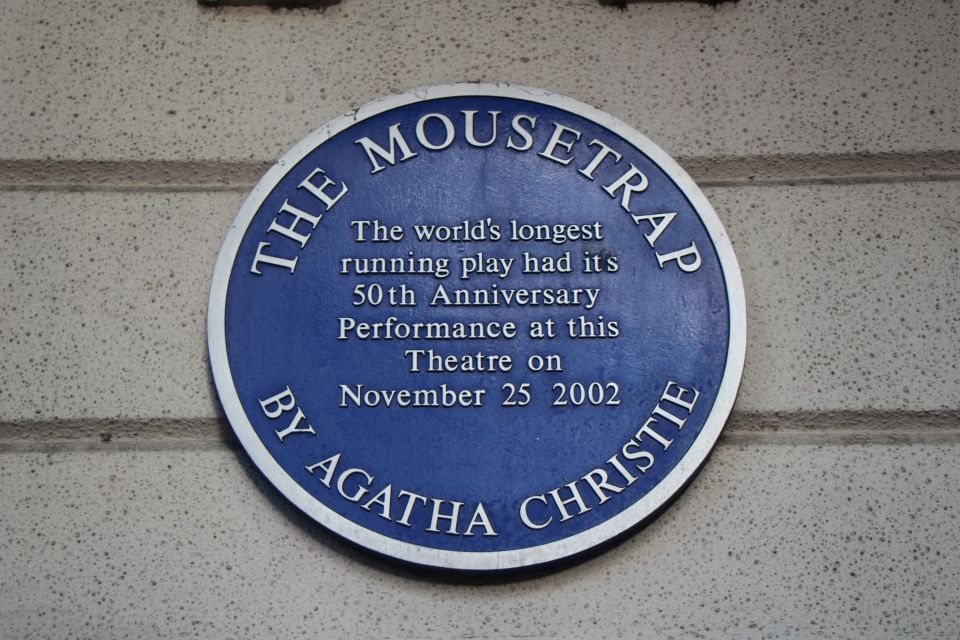
The tour ends one of its most memorable beats with an outdoor stop connected to The Mousetrap, the longest-running play in the world. The guide explains that the iconic murder mystery has a surprisingly royal origin.
Even without a full theatre ticket in your itinerary, you still get something valuable here: a story you can carry with you. It’s not just a title drop. You’ll hear the kind of backstory that makes the phenomenon feel human and specific—like it grew out of real people, real institutions, and real influences.
This is the moment where the tour’s tone pays off. The walk has been building context with institutions and everyday-life influences. Then you land at the symbolic place tied to ongoing public obsession, and the whole experience clicks into place.
Guides make the day: Rory and Jonathan’s different strengths
A walking tour rises or falls on the guide. From the tour experience, two names come up strongly: Rory and Jonathan.
Rory gets praise for making the walk a highlight during a weekend in London, and for delivering strong overall value in a tight two-hour schedule. That matters because time is limited here. A good guide keeps the pace and the story threads clear.
Jonathan stands out because he brings performance experience. One mentioned strength is that he has performed in multiple adaptations of stories written by Christie. That’s a big deal for a theatre-linked tour. It means you’re not only getting explanations; you’re also getting an informed understanding of how Christie stories translate to stage and screen.
Either way, the small group size helps. With fewer people, you’re more likely to hear the guide clearly at every stop, and to ask quick questions without the tour grinding to a halt.
Price and value: $22 for 2 hours of context
At $22 per person for a 2-hour guided walk, this tour is priced like a serious “do it once” experience, not an all-day commitment. The value comes from three things you actually get for your money:
- Professional live guiding (not self-guided wandering)
- 10+ meaningful locations tied to Christie’s influences
- A tight storyline connecting London institutions, neighbourhood vibes, and Christie’s life events
If you’re visiting London for a weekend and you want something that feels both entertaining and structured, this is the kind of plan that works. You’re not trying to plan the entire city on your own. You’re letting someone else connect the dots, while you walk and absorb.
And if you’re mainly there to see a famous theatre landmark, keep in mind the tour is not only theatre. It also includes major institutions and biographical influences. You’re paying for breadth, not just one photo stop.
When it might not fit: the “not informative enough” risk
Not every experience lands the same way for every person. One review rating was lower, pointing to the tour being less informative than expected. Here’s how I’d translate that into practical advice for you:
- If you want heavy, detailed plot breakdowns, you might feel it’s too focused on places and context.
- If you prefer a super fast list of facts, the story weaving approach might not match your style.
- If you’re expecting a lecture-style deep dive, two hours can feel short.
My suggestion: go in expecting London-location storytelling. If that sounds fun, you’ll likely get your money’s worth quickly.
Who should book this Agatha Christie walking tour
This is a great fit if you:
- love Christie’s world and want London locations tied to her life and works
- enjoy theatre culture and want a stop outside The Mousetrap with a story behind it
- like guided sightseeing that focuses on meaning, not just photos
- prefer small groups so the guide’s voice stays easy to hear
It may not be the right fit if you:
- need step-free access or have limited mobility, since the tour is not recommended for people with limited mobility and is not suitable for wheelchair users
- want to do it entirely on your own without a guide (this works because you get real interpretation at each stop)
Should you book this tour?
If you’re an Agatha Christie fan and you want a fast, high-value way to connect the author to London’s real streets, I’d say yes. The combination of 10+ significant locations, major institutions, and theatre-linked stops gives you a well-rounded view in just two hours.
Book it if you enjoy guides who can make the city feel like part of the story, not just a backdrop. Skip it if you’re shopping for a long, plot-heavy deep study or if mobility is a concern for you.
FAQ
FAQ
How long is the London Agatha Christie walking tour?
The tour lasts 2 hours.
How much does it cost?
It’s listed at $22 per person.
Where do I meet the guide?
Meet outside the exit of Euston Square Underground Station (Metropolitan and Circle Lines) on Gower Street. Don’t confuse it with Euston Mainline Station.
How big is the group?
The group is small, limited to 10 participants.
Is the tour guided or self-guided?
It’s a live guided tour in English with a professional guide.
What should I bring?
Bring weather-appropriate clothing, since you’ll be walking outdoors.
Is the tour suitable for wheelchair users or limited mobility?
No. The tour is not recommended for limited mobility and not suitable for wheelchair users.