REVIEW · LONDON
London: Modern Architecture & Building Guided Walking Tour
Book on GetYourGuide →Operated by Ridge Trips Ltd · Bookable on GetYourGuide
London’s modern skyline is a street-level show. This guided walk turns London’s steel-and-glass icons into real street corners you can actually picture, led by Sam with a construction-management background. I love how you get close-up views of buildings like the Shard and the Walkie-Talkie without needing any special tickets.
My other favorite part is the way the tour explains what you’re seeing in plain language. Sam connects the design choices to the practical side of building—so even if you’re not an architecture person, you still come away with a better sense of how London is put together.
One drawback to plan around: this is an outside-looking-in tour, so there’s no entry into the buildings you spot along the route, and the walk isn’t suitable for wheelchair users or people with mobility impairments.
In This Review
- Key things you’ll like about this tour
- Modern Architecture in London, from Sugar Quay Jetty to the NLA
- Why Sam’s construction-management approach changes the whole experience
- Start at City Hall and the Thames: get your bearings fast
- The Shard, Walkie-Talkie, and Lloyd’s: icons you can read at street level
- The Shard (up close, not in a postcard)
- The Walkie-Talkie (the Fenchurch Building)
- Lloyd’s of London: why these towers cluster
- Leadenhall and the 30/70 St Mary Axe pair: modern London’s shape language
- The Leadenhall Building
- 30 St Mary Axe (the Gherkin) and 70 St Mary Axe (the Can of Ham)
- Liverpool Street Station and the Barbican: modern design outside the tallest towers
- Liverpool Street Station
- The Barbican
- Ending at the NLA: free skyline models and a smart final hour-moment
- Price and value: paying for insight, not building tickets
- What to bring and how to plan your day
- Who this tour is best for
- Should you book this Modern Architecture walk?
- FAQ
- Where does the tour start and what’s the finish point?
- How long is the tour?
- Do I get to enter the buildings you see?
- Is the NLA part of the tour, and when is it open?
- Is this tour wheelchair accessible?
- What should I bring?
Key things you’ll like about this tour
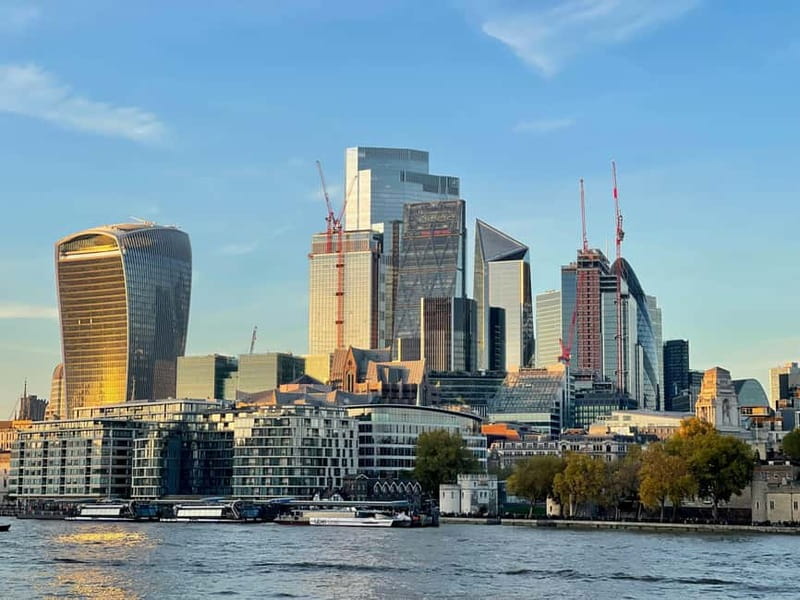
- Street-level views of London’s most famous modern towers, including the Shard, Walkie-Talkie, and Gherkin complex
- A guide with a Construction Management background (Sam has worked in London and Sydney), with room for questions
- Engineering context under your feet, with talk about the major civil projects that shape the city
- Scaled skyline models at the NLA, with free time at the end of the tour
- Two hours of walking focused on the City of London, starting near the Thames at Sugar Quay Jetty
Modern Architecture in London, from Sugar Quay Jetty to the NLA
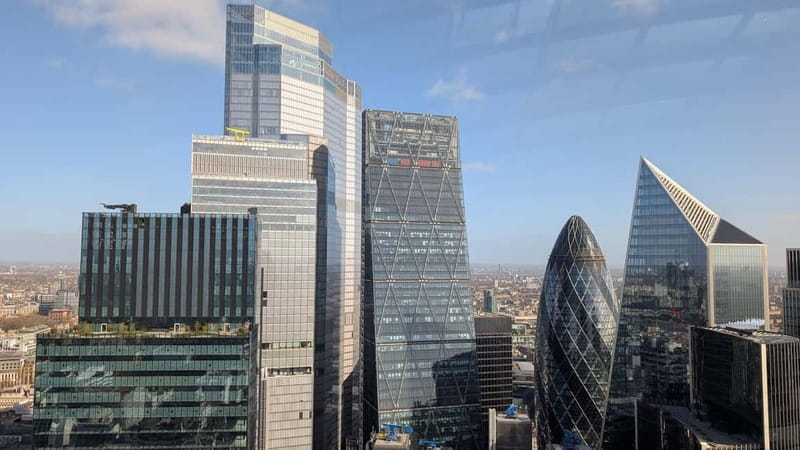
If you’ve only seen London’s modern buildings from photos, this tour fixes that. The City of London skyline changes fast when you’re standing under it. From street height, the Shard isn’t just tall—it’s oddly sharp in shape. The Walkie-Talkie looks sleek, but it also looks like it has a personality. And the Gherkin cluster? It’s like London found a way to make bureaucracy feel aerodynamic.
The route keeps things tight and efficient. You start on the northern side of the Thames at Sugar Quay Jetty near the Tower of London, then you work your way through the Square Mile Financial District, finishing at the NLA (The London Centre). The whole walk runs about 2 hours, and I’d budget an extra 15–30 minutes at the NLA, since it’s free to explore the scale models at your leisure.
The vibe is small-group, and that matters. You can ask questions and get answers that actually fit what you’re looking at—rather than generic facts fired from a microphone.
You can also read our reviews of more walking tours in London



Why Sam’s construction-management approach changes the whole experience
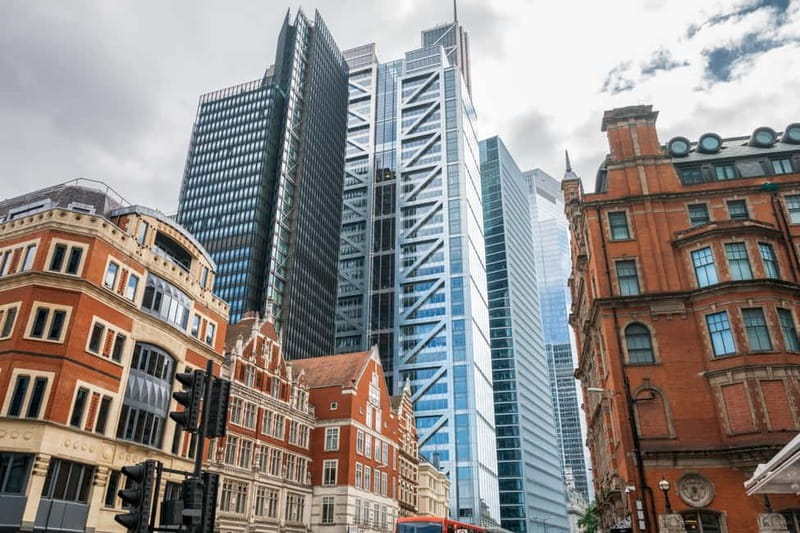
What makes this tour click is the perspective. Sam isn’t just reciting who designed what. With a background in Construction Management (including work in London and Sydney), he explains building as a process: planning, materials, engineering constraints, and the practical realities of putting big structures into a dense city.
That’s why this works for more than one kind of traveler. If you love architecture, you’ll enjoy the design-to-construction connections. If you don’t, you still get an eye-opening sense of how London keeps evolving—while dealing with a massive amount of infrastructure under the streets.
It also helps that the pace is relaxed. This tour is timed well for two hours of steady walking, not a marathon, and the flow is built so you can keep up with what you’re seeing.
Start at City Hall and the Thames: get your bearings fast
The opening segment is a smart warm-up: you begin near Sugar Quay Jetty, then move toward City Hall and the River Thames views.
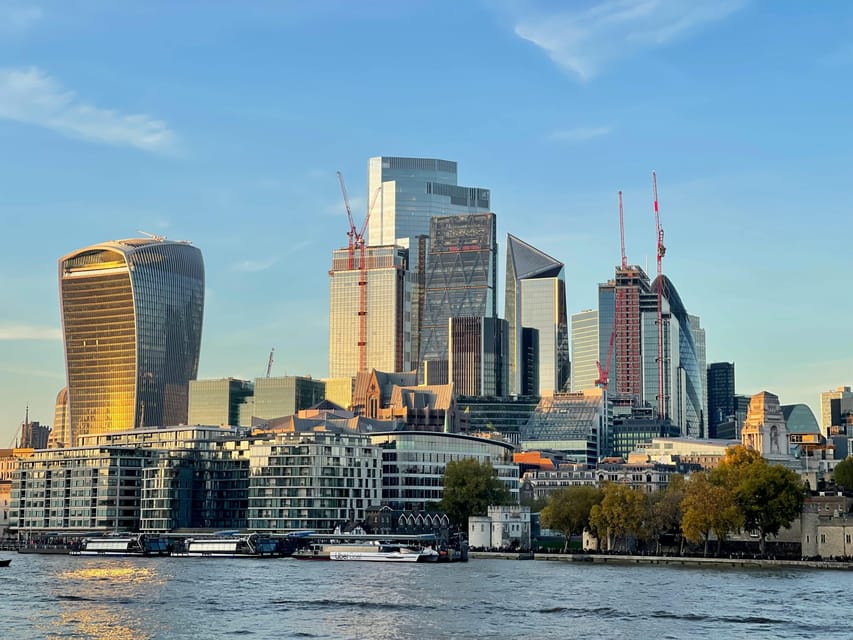
At City Hall, you’ll get an immediate sense of the modern London-government story—how the city presents itself in architecture, not just policy. Then the Thames portion gives you orientation. Standing near the river is the easiest way to understand why the skyline developed the way it did: the waterline, the working city beyond it, and the direction the streets lead you toward the skyscraper district.
One practical point: bring your camera even if you think you’re “not really a photo person.” The angles here help you see how the buildings relate to the river and to each other.
The Shard, Walkie-Talkie, and Lloyd’s: icons you can read at street level

Once you hit the core skyline zone, the tour turns into a real-world “spot-the-features” lesson.
The Shard (up close, not in a postcard)
Seeing the Shard from near ground level is a lesson in scale. The tower’s height feels different when you can compare it to the street grid around it. Sam’s stories and fun facts keep it from feeling like a simple viewing moment. You’re not just looking at the world’s most famous needle; you’re learning how the city’s modern identity got shaped by structures like this.
You can also read our reviews of more guided tours in London






The Walkie-Talkie (the Fenchurch Building)
Next comes the Fenchurch Building, also known as the Walkie-Talkie. It looks almost too smooth to belong in London, but that contrast is part of the point. You get a chance to notice the building’s form and how it affects the way it catches light and sits against nearby structures.
Lloyd’s of London: why these towers cluster
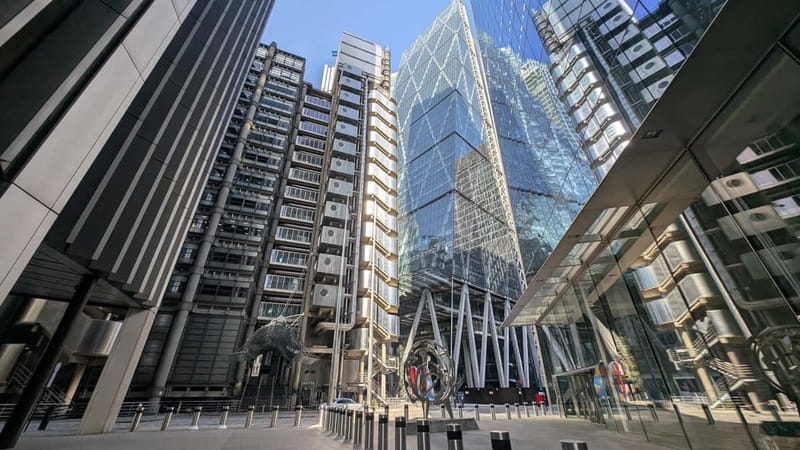
Then you move toward Lloyd’s of London. This stop helps you connect the dots between major institutions and the skyscraper district. It’s not only about one “cool building.” It’s about what happens when the financial world decides it needs a skyline—and the engineering follows.
Leadenhall and the 30/70 St Mary Axe pair: modern London’s shape language

This part of the walk is where the buildings start to feel like a coordinated conversation.
The Leadenhall Building
The Leadenhall Building (another signature tower) is a great “in-between” stop. It sits in the flow between the headline icons and the cluster of St Mary Axe buildings. Sam’s commentary makes it easier to understand why these towers share certain urban traits—density, visibility, and the way they manage space at the street level.
30 St Mary Axe (the Gherkin) and 70 St Mary Axe (the Can of Ham)
Now you get the pair that most people recognize from pictures:
- 30 St Mary Axe, commonly called the Gherkin
- 70 St Mary Axe, the Can of Ham
From the pavement, these buildings feel more intentional than they do in photos. Their shapes aren’t just style; they’re part of how the structure handles wind and how it presents itself from multiple viewing angles.
Even better, this area is where you’ll get that “why London builds like this” feeling. Sam ties the modern forms to engineering realities and the ongoing evolution of the City of London’s building plans—so the skyline feels less like a museum and more like an active worksite.
Liverpool Street Station and the Barbican: modern design outside the tallest towers

By the time you reach Liverpool Street Station and the Barbican, you get a useful change of pace. These stops help balance the skyscraper focus.
Liverpool Street Station
At Liverpool Street Station, the tour shifts from pure skyline drama to the city’s movement engine. Big transport hubs are a key part of why the Square Mile keeps doing what it does—bringing people in fast, routing them cleanly, and supporting the kind of workforce density that attracts major developments.
The Barbican
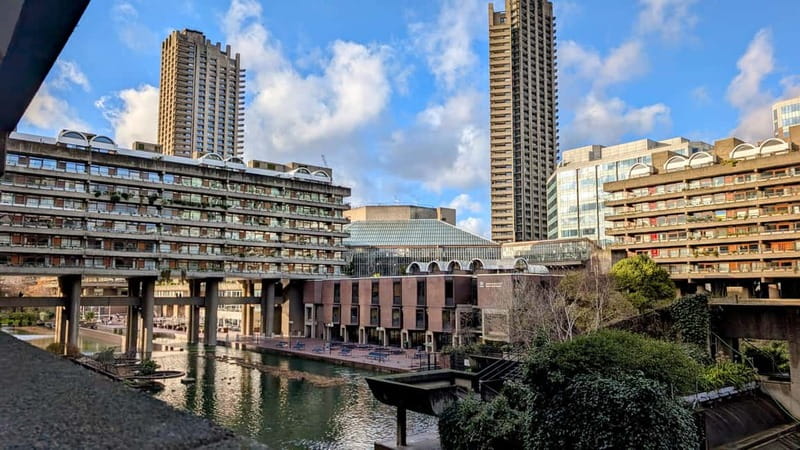
Then comes the Barbican, a different kind of modern. Instead of tall and pointy, it feels planned and enclosed. It’s a reminder that modern architecture in London isn’t only about glass towers. There’s also the “how do we live and function here” side—space design, public areas, and the long-term impact of planning decisions.
If you’re the type who only likes the Instagram-perfect stops, the Barbican may surprise you in a good way. It broadens the story.
Ending at the NLA: free skyline models and a smart final hour-moment
You finish at NLA – The London Centre. This is one of the best add-ons because it changes how you see the city after the walk.
The NLA has scale models of London’s skyline, and the entry is free. You can read information and look at the models at your own pace right after you’ve spent two hours matching real buildings to real streets.
Important timing note: NLA is open Tuesday to Saturday, until 17:00. If your tour runs on Sunday, Monday, or an evening slot, you unfortunately may not be able to enter.
That’s worth planning around because this stop is where the skyline stops being “a set of buildings” and becomes “a system.” The models help you connect what you saw on the ground with what’s happening across the wider skyline.
Price and value: paying for insight, not building tickets
At $52.53 per person for about two hours, this tour sits in the mid-range for guided London experiences. The big value angle is what’s included: a live guided walking tour with a specialist guide, plus the chance to see the major modern landmarks up close.
What you don’t pay for is also clear. There’s no entry into the buildings you pass. That’s not a dealbreaker, because most of the experience is about observation and explanation—but it is a key expectation to set. If you’re hoping to tour interiors, you’ll need a different kind of ticket.
Still, I think the price makes sense when you factor in:
- You’re seeing multiple iconic buildings in one pass
- You’re getting stories and fun facts tied to construction and engineering
- You’re ending with free NLA model time (when open)
In other words, you’re paying for how the city is interpreted, not for a list of paid attractions.
What to bring and how to plan your day
This tour is outdoors and weather-dependent. It will proceed unless conditions become extreme, so dress like London has strong opinions that day.
Bring:
- Comfortable shoes (you’ll want them)
- Water
- A camera (even if it’s just for skyline angles)
- Weather-appropriate clothing
If you’re planning this as part of a bigger day in London, aim for a time when you’ll still enjoy the NLA afterward. If you’re going on a day when the NLA is closed, the walk still works, but you’ll miss the model viewing payoff.
Who this tour is best for
This is a strong fit if you:
- Want to understand modern architecture without needing a technical degree
- Like the skyline but prefer learning how and why it exists
- Enjoy street-level city walks that end with a useful “big picture” stop
It’s less suitable if you:
- Need wheelchair access or mobility-friendly routing (it’s not suitable for mobility impairments and wheelchair users)
- Are only interested in entering buildings (this focuses on outside views)
Should you book this Modern Architecture walk?
Yes, if you want a focused, story-led way to see London’s modern skyline and understand the engineering logic behind it. The best reason to book is Sam’s construction-management angle—he explains what you see in a way that clicks fast, and the tour stays engaging even if you’re not starting as an architecture enthusiast.
Book it especially if you’ll be in London Tuesday through Saturday so you can take advantage of the NLA models afterward. If you’re going on Sunday or Monday, or you’re booking an evening tour, you can still enjoy the main walk—but you may have to accept that the final NLA stop won’t be available.
FAQ
Where does the tour start and what’s the finish point?
It starts at Sugar Quay Jetty near the Tower of London. The tour finishes at NLA – The London Centre.
How long is the tour?
The tour runs for about 2 hours. I recommend allowing an extra 15–30 minutes for the NLA afterward.
Do I get to enter the buildings you see?
No. The tour includes guided viewing, but entry into any buildings is not included.
Is the NLA part of the tour, and when is it open?
The tour finishes at NLA, where you can view scale models. NLA is open Tuesday to Saturday until 17:00, so Sunday, Monday, and evening tours can’t enter.
Is this tour wheelchair accessible?
No. It is not suitable for people with mobility impairments and not suitable for wheelchair users.
What should I bring?
Wear comfortable shoes, bring a camera, bring water, and dress for the weather since the walk continues in most conditions.