REVIEW · LONDON
London: Museum of Brands Skip-the-Line Ticket
Book on GetYourGuide →Operated by Museum of Brands · Bookable on GetYourGuide
Your childhood keeps showing up here. The Time Tunnel turns everyday products into a timeline of how modern life was made.
With skip-the-line access, you get moving fast and can spend your energy on the stories, not the queue.
I especially love the way the museum connects brands to big world moments—royal ceremonies, world wars, and major tech milestones—without making it feel like a textbook.
One thing to think about: food and drinks aren’t included, so you’ll need to budget if you plan to eat or have a drink in the garden area.
In This Review
- Key things I’d circle on your visit
- Walking in: the London Museum of Brands setup
- The skip-the-line Time Tunnel: where the whole visit clicks
- 200 years of social change, told through products
- Brands in context: more than “cool old logos”
- Entertainment, travel, leisure, music: the lifestyle connections
- After the Time Tunnel: past TV adverts and timed nostalgia
- Temporary displays that keep the museum from feeling fixed
- The award-winning memorial garden: your calm reset
- Souvenirs and snackable extras
- Price and value: what $18 buys you
- Where this museum fits best
- Practical timing: plan your day around the exhibits
- Should you book the Museum of Brands skip-the-line ticket?
- FAQ
- FAQ
- Where is the Museum of Brands?
- How long is the visit?
- How much is the ticket?
- What’s included with the skip-the-line ticket?
- What is not included?
- What is the Time Tunnel?
- Is there anything to watch during the visit?
- Are there temporary displays?
- Can I use the memorial garden, and is it part of the ticket?
- What are the opening hours and closure dates?
- Is it wheelchair accessible and do you get a host or greeter?
Key things I’d circle on your visit
- 200 years in chronological order: see how daily life changed as transport and media changed
- Over 12,000 items: enough variety that you can spot personal favorites fast
- Past TV adverts after the tunnel: a fun way to reset your brain before you leave
- Temporary displays: themes like 1950s Toys, London Punk, chocolate brands, and biscuit tins
- Award-winning memorial garden: a calm end to a busy museum day
Walking in: the London Museum of Brands setup
The Museum of Brands, Packaging and Advertising sits in Notting Hill, on Lancaster Road, about five minutes from Portobello Road Market. That location matters because it makes this an easy add-on to a neighborhood day. You can pair it with browsing nearby streets and still come back for a slower, reflective finish.
This is a one-day visit, and the museum is open most days (more on hours below). A skip-the-line ticket is a big help here because brand-focused attractions can get steady foot traffic, especially on weekends.
You can also read our reviews of more tours and experiences in London


The skip-the-line Time Tunnel: where the whole visit clicks
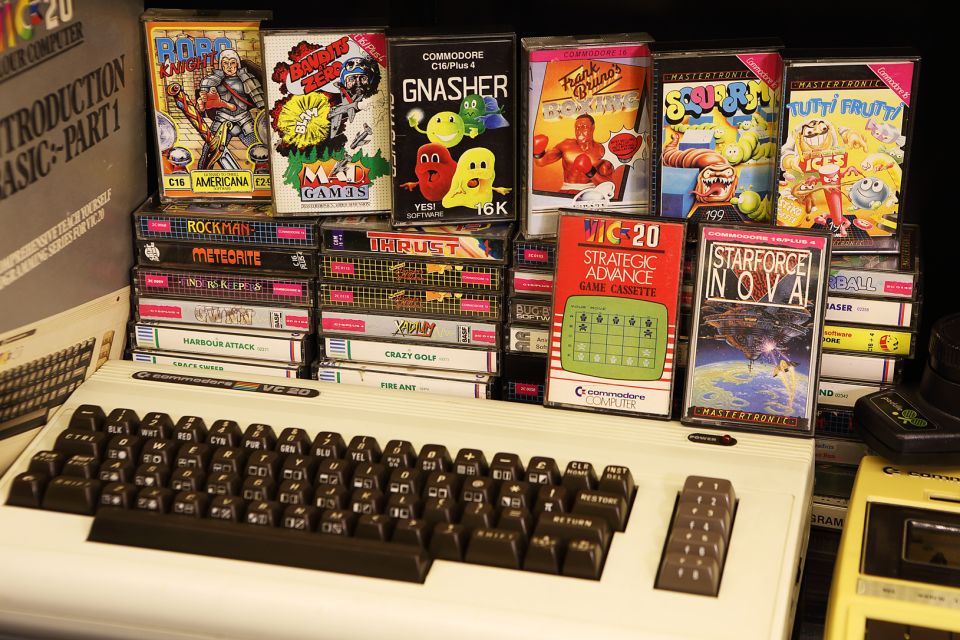
Most of the magic happens in the Time Tunnel, a walk-through journey built to show how consumer culture evolved since Victorian times. It’s laid out in sequence, so you naturally move from earlier everyday life to the modern world. Instead of treating brands like random nostalgia objects, the museum links them to the pace of society.
Two things I like right away:
- You see how inventions and transport changed what people bought and how they experienced entertainment.
- You’re not stuck reading labels for hours. The structure carries you from era to era.
200 years of social change, told through products
The museum’s core idea is simple: products aren’t just products. They reflect what people wanted, what they feared, and what they were allowed to dream about.
As you move through the tunnel, you’ll notice the timeline isn’t only about shopping. It touches royal coronations, two world wars, and major global moments like the moon landing, then carries you forward to the digital age. That mix is useful because it helps you understand why certain styles, slogans, and packaging choices rose when they did.
You’ll also see how daily life shifted with transportation breakthroughs like the railway, the motor car, and the airplane. This is where the museum becomes more than a collection. It helps you connect the dots between travel access, media reach, and what became mainstream.
Brands in context: more than “cool old logos”
One of the strongest parts of the experience is that you don’t just see brands—you see them placed into the world they lived in. That makes the displays feel grounded rather than purely decorative.
You’ll be able to spot familiar names and then watch those same brands evolve across time periods. The museum frames them alongside major events, so the changes in packaging and advertising come with reason. If you’re the type who likes to know why things became popular, you’ll get a lot out of this.
It’s also the kind of museum where you can move at your own pace. If you want a quick overview, you can keep walking. If you want to read more closely, you can pause and compare how messaging changes decade by decade.
Entertainment, travel, leisure, music: the lifestyle connections
The museum doesn’t treat culture as separate from consumer life. In multiple sections, it focuses on how entertainment and leisure were reshaped by new technology—especially the arrival of cinema, radio, and television.
That theme is practical for visitors because it matches what modern people already understand: media doesn’t just entertain. It sells habits. It changes what people talk about, collect, and wear.
If you’re into music or pop culture, this part can feel surprisingly personal. Even when you’re far from the era being shown, the patterns are familiar: a new channel appears, and then advertising follows it fast.
You can also read our reviews of more museum experiences in London




After the Time Tunnel: past TV adverts and timed nostalgia
Once you finish the tunnel, you’ll get a chance to watch TV adverts from the past. This is a smart design choice. By the time you reach this area, you’ve already built a timeline in your head. Now the museum gives you sound, pacing, and visuals that turn historical facts into something you can feel.
I like how this section changes the rhythm of the visit. Up to this point, you’ve been walking and reading. Seeing old commercials adds variety and helps you remember what you just learned.
Temporary displays that keep the museum from feeling fixed
Another reason this visit works is that it’s not only about permanent collections. You’ll also see temporary displays that have focused on topics like 1950s Toys, the London Punk scene, chocolate brands, and biscuit tins.
That variety is great if you:
- like pop culture themes,
- want a change of tone halfway through your visit, or
- enjoy scanning for categories you already care about.
Even if you don’t know a lot of history going in, these themed stops make it easy to engage. You can look at the items first, then connect them back to the broader timeline you saw earlier.
The award-winning memorial garden: your calm reset
When you’re ready to slow down, head to the memorial garden. This is where the museum earns its “one-day visit” label. It gives you a break rather than sending you straight into one more exhibit room.
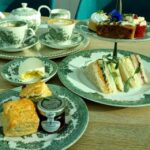
The garden experience includes a chance to enjoy a piece of cake with coffee, or a refreshing glass of Prosecco, but those are at your own expense. That means you can budget it how you like, and you’re not locked into buying food just because you’re tired.
I’d treat the garden as part of the plan, not an afterthought. It’s the place where your brain stops trying to catalog every label and you can just enjoy a slower pace.
Souvenirs and snackable extras
After relaxing, you can browse the gift shop for items that reflect the collection. If you’re the type who likes a small takeaway that ties to what you learned, this is a practical place to do it.
You can also pick up tasty treats, but again, food isn’t included in the ticket price. I recommend having a quick look at what’s available before you decide to eat—menu choices can vary, and prices are personal expenses.
Price and value: what $18 buys you
At around $18 per person, this museum is priced like a mid-sized London attraction, but the value comes from how much is included. Your ticket covers entrance to the museum, temporary displays, and the garden. That’s a full loop: main exhibition, rotating elements, then a place to decompress.
The skip-the-line part also has real value, because you save time that you can spend inside the exhibits. In a city where queues can eat your day, that matters more than people think.
What’s not included is also important: food and drinks are personal expenses. If you plan to have cake, coffee, or Prosecco, factor that into your day budget. Still, you can easily keep costs under control by treating the garden as a break and purchasing only what you truly want.
Where this museum fits best
This museum is a strong match if you like any of these:
- nostalgia that has structure,
- brand design and packaging,
- how entertainment and technology changed everyday life,
- and easy-to-follow storytelling through timelines.
It may be less ideal if you only want strict art or pure history. This place is about consumer culture—advertising, products, and how they relate to society. The tone is playful, but the themes are serious enough that the experience feels grounded.
For families, it can work well because the displays and themed stops can be very approachable. For adults, it’s often the kind of museum where you leave with more questions than you arrived with—in a good way.
Practical timing: plan your day around the exhibits
You’re looking at a visit that fits into a 1-day window. The museum is open from 10:00 AM to 6:00 PM Monday–Saturday, and 11:00 AM to 5:00 PM on Sundays and bank holidays. It’s closed on August 27, 28, 29, December 24–26, and January 1.
If you want the most comfortable pace, I suggest arriving earlier in the day on weekend schedules, then saving the garden for later. That way you’ll have energy for the tunnel and still get a calm ending.
Also, since the museum is only a short walk from the Portobello Road area, you can plan a simple flow: market browsing, museum visit, then garden time.
Should you book the Museum of Brands skip-the-line ticket?
If you’re curious about how modern life was built—through products, advertising, and media—this is an easy yes. The Time Tunnel gives you a clear framework for 200 years of change, and the mix of brands plus historical context makes it more than a photo scavenger hunt.
I’d especially book if you enjoy nostalgia that comes with explanations. The TV adverts and the temporary themes like 1950s Toys or London Punk add energy, and the memorial garden gives your legs a break.
Pass if you need a strictly traditional museum format or you’re not interested in consumer culture at all. But for most people who want a thoughtful, fun, and very London day, this ticket is a strong value.
FAQ
FAQ
Where is the Museum of Brands?
The museum is located on Lancaster Road in Notting Hill, about five minutes from Portobello Road Market.
How long is the visit?
The experience is listed as valid for 1 day (from first activation).
How much is the ticket?
The price is listed as $18 per person.
What’s included with the skip-the-line ticket?
The ticket includes entrance to the museum, temporary displays, and the memorial garden.
What is not included?
Food and drinks are not included, and personal expenses are not included.
What is the Time Tunnel?
The Time Tunnel is the main area that explores how consumer society evolved since Victorian times, arranged chronologically.
Is there anything to watch during the visit?
Yes. After the Time Tunnel, you can watch TV adverts from the past.
Are there temporary displays?
Yes. Temporary displays can change and have included themes like 1950s Toys, the London Punk scene, chocolate brands, and biscuit tins.
Can I use the memorial garden, and is it part of the ticket?
The memorial garden is included with your ticket, and you can also enjoy cake with coffee or Prosecco at your own expense.
What are the opening hours and closure dates?
Monday–Saturday: 10:00 AM–6:00 PM. Sunday and bank holidays: 11:00 AM–5:00 PM. Closed August 27–29, December 24–26, and January 1.
Is it wheelchair accessible and do you get a host or greeter?
Yes, it is wheelchair accessible, and the host or greeter is English.