REVIEW · LONDON
London: Sherlock Holmes Guided City Walking Tour
Book on GetYourGuide →Operated by Tours of the UK · Bookable on GetYourGuide
Sherlock clues turn London streets into story proof. This London Sherlock Holmes guided walking tour connects the original cases, the BBC series Sherlock, and the Guy Ritchie films to actual addresses you can see with your own eyes, including the bar where Holmes is first mentioned in A Study in Scarlet. I love how the stops feel like a guided set of clues, not a lecture.
What really makes it work is the way the tour is led: guides like Michael and Dawi turn plot points into street-level context, and they share behind-the-scenes trivia (like Conan Doyle’s creative use of London and how product placement shows up in unexpected ways). One drawback to plan for: this is a lot of walking and it’s not suitable for wheelchair users, plus it runs rain or shine.
In This Review
- Key things you’ll enjoy
- From the Criterion Theatre to Westminster: London as the opening chapter
- Where the stories become real: original Sherlock locations you can actually point to
- BBC Sherlock and Guy Ritchie’s London: the show version becomes street-level
- Barts Hospital: Watson’s training and the real medical grounding
- Baker Street finale: 221B, real regulars, and what to do after the tour
- Is the price ($242 per group up to 15) good value?
- Tips so you enjoy it more (and fewer “stuck in a crowd” regrets)
- Should you book the Sherlock Holmes guided city walking tour?
- FAQ
- How long is the London Sherlock Holmes Guided City Walking Tour?
- What is the meeting point?
- Is it a private tour?
- How many people can be in a group?
- Is the tour wheelchair accessible?
- Does the tour run in bad weather?
- What should I bring?
- Are public transportation costs included?
- Are attraction tickets included?
- Can I record video during the tour?
- Is free cancellation available?
Key things you’ll enjoy
- Real addresses tied to multiple Sherlock versions: original stories, BBC Sherlock, and the Guy Ritchie films
- Story-first stops with practical context: where events happen, why they fit, and what Conan Doyle borrowed
- Expert storytelling from small private groups: hosts such as Michael and Dawi bring humor plus detail
- A Baker Street finale that helps you plan what’s next: end opposite the Sherlock Holmes Museum
- Watson’s training made tangible at Barts: seeing where the medical background comes into play
From the Criterion Theatre to Westminster: London as the opening chapter
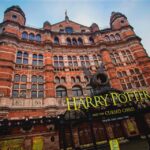
The tour starts at the Criterion Theatre, and that choice matters. You’re in an area that feels central and cinematic right away, the kind of London that makes it easy to imagine a detective slipping between rooms and streets. After that first step, the walk snaps into a steady rhythm of famous landmarks and quick photo stops, with just enough time at each spot to orient yourself.
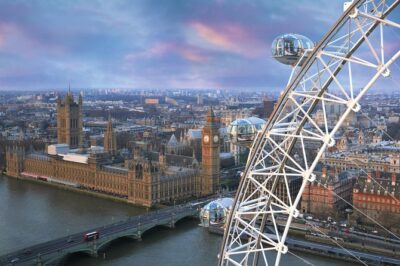
You’ll hit big-name sights like Westminster Abbey and Victoria Embankment for short visits. Think of these as setting your mental map: you’re learning the geography of the stories while also getting that “I’m really here” London feeling. Then comes a photo stop at 10 Downing Street. It’s a quick moment, but it’s also a reminder that Conan Doyle built his world from the London he actually knew, not from some imaginary city.
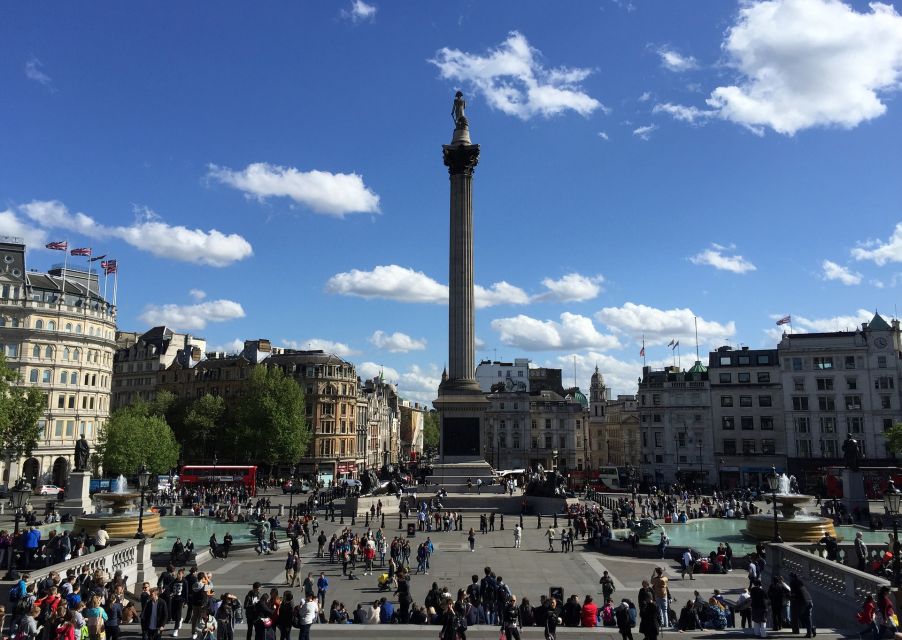
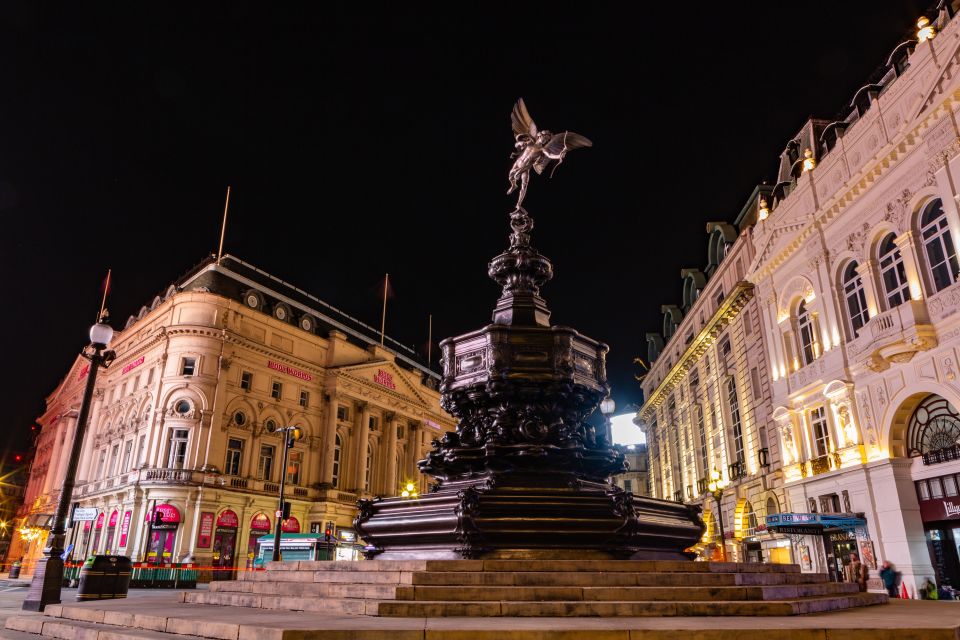
From there, you transition toward the bustle of Piccadilly Circus and Trafalgar Square. These stops are short, but they help you understand how Sherlock’s London moves—how the action can go from formal institutions to busy public squares without warning. If you’re the type who loves a strong sense of place, this opening stretch gives you a foundation you’ll appreciate more later when addresses and street corners start to connect to the stories.
Practical note: since the tour is only 3 hours, the pacing is efficient. Wear comfortable shoes, because London sidewalks are not always flat or forgiving.
You can also read our reviews of more walking tours in London


Where the stories become real: original Sherlock locations you can actually point to
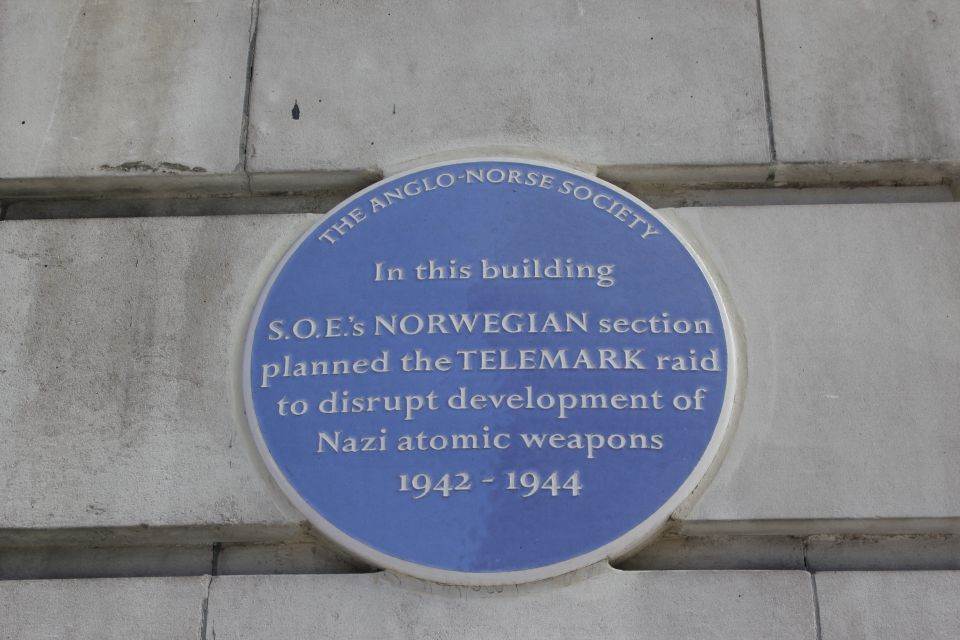
After you get your bearings, the tour shifts into true “aha” territory: locations that connect directly to the original short stories and novels. This is where I think the tour delivers its best value, because it turns reading into walking. Instead of memorizing plot, you start noticing how London itself shapes the crime scenes.
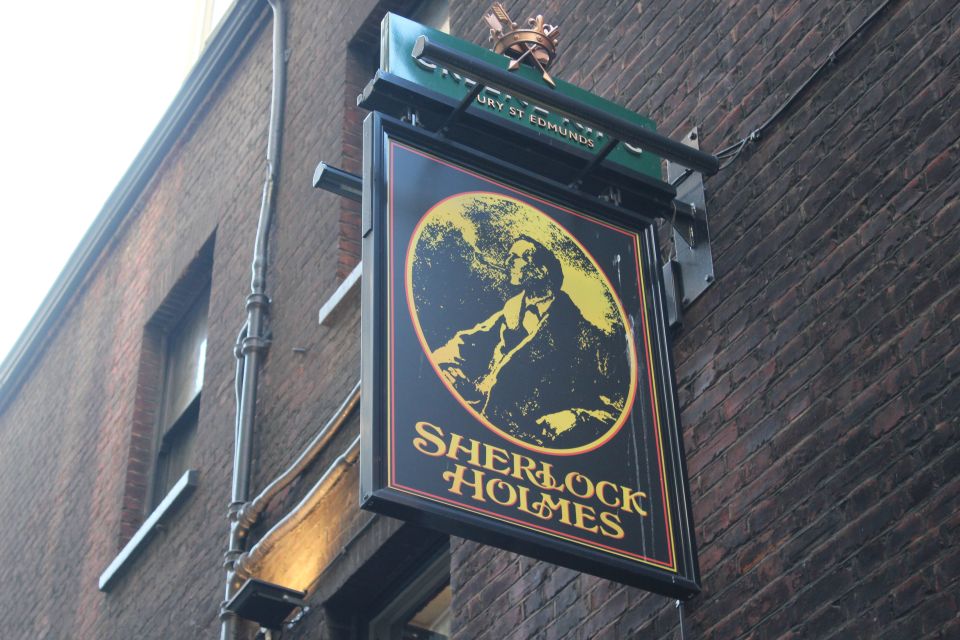
You’ll learn how Conan Doyle built Sherlock Holmes from the London he knew, shaping a city that feels dangerous and fascinating because it’s rooted in real streets and real institutions. One highlight is the bar where Sherlock Holmes is first mentioned in A Study in Scarlet. It’s the sort of stop that makes the detective feel less like a distant fictional figure and more like someone who lives in the same world as you.
The tour also brings you to a library linked to The Adventure of the Illustrious Client, where Dr. Watson borrows books on Chinese pottery. That stop is more than a location checkmark. It’s a chance to see how a small detail from a story can map onto a real place, which makes you read (and watch) Sherlock with sharper instincts afterward.
Another story anchor is the Charing Cross hotel, tied to Irene Adler’s appearance in A Scandal in Bohemia. And then there’s the restaurant on the Strand, described as a favorite of both Sir Arthur Conan Doyle and his fictional consulting detective. You get a sense of how Doyle’s London world and Holmes’s world overlap in habits and hangouts, not just in geography.
One of the most interesting parts here is the behind-the-scenes angle: how Conan Doyle created connections that feel authentic, and how facts about publication and marketing show up in the Holmes universe. You’re not just hearing trivia—you’re getting a sense of how the character was shaped to fit a real readership, using London details as proof.
BBC Sherlock and Guy Ritchie’s London: the show version becomes street-level
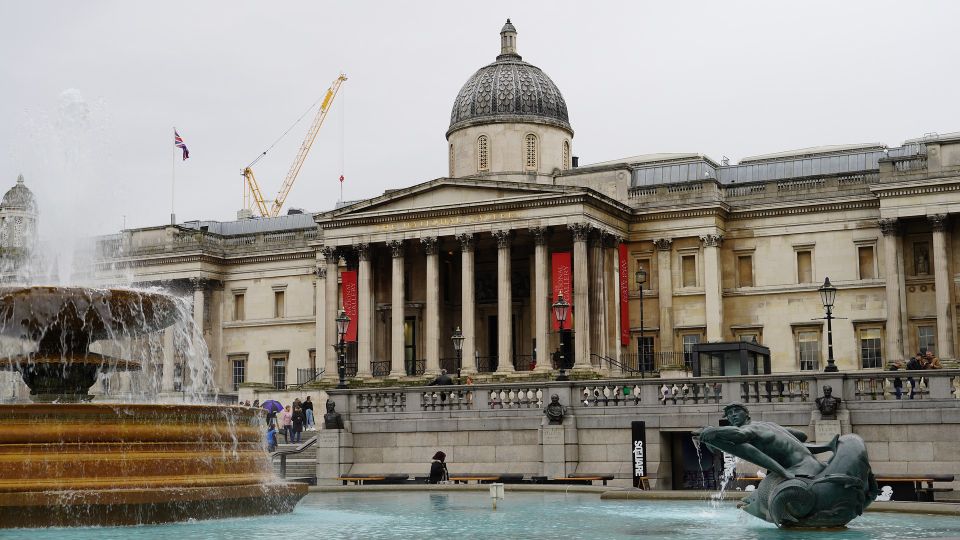
Once the original stories are set, the tour moves into locations from the BBC series Sherlock and the Guy Ritchie films starring Robert Downey Jr. This section is fun even if you’re not a diehard fan, because it shows the same detective myth working in different styles: TV realism, film swagger, and the original written case logic all sharing London streets.
A big draw is the Diogenes Club and 221B Baker Street as they appear in Sherlock. Seeing the addresses connected to the series gives you an easy “replay button” for scenes, but the tour goes further by tying those modern on-screen locations to the way Holmes stories evolved.
You’ll also hear about Lord Blackwood’s prison cell from the Guy Ritchie Sherlock Holmes films. It’s a stark change in tone from the cozy puzzle-solving of the books, and the contrast is the point: crime fiction changes outfits, but London still provides the stage.
There’s also broader context that I think is worth paying attention to. The tour explains how Sherlock Holmes became the most portrayed fictional character in history, and it notes that movies of the detective were hugely popular in Russia during the Cold War. Even if you don’t care about media history on its own, it helps you understand why this character has stayed commercially and culturally alive for so long.
If you watch Sherlock and you’ve ever thought, I wonder where that actually is, this part of the tour answers that question quickly. And if you only know Holmes from the basic legend, this portion gives you enough grounding to enjoy the adaptations without getting lost.
Barts Hospital: Watson’s training and the real medical grounding
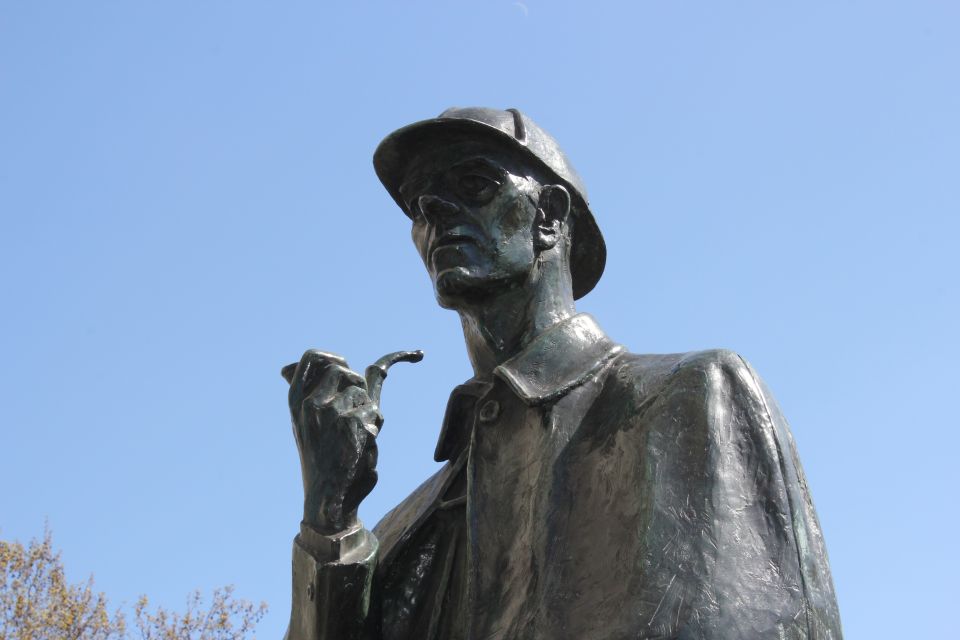
Then the tour slows the pace in a good way with a visit to Bart’s Hospital, the medical school where Dr. John Watson trained as a surgeon. This is one of those stops that makes Holmes feel more believable, because Watson’s role isn’t just a sidekick flavor. His medical background is part of how the stories are structured, how evidence is explained, and how Holmes’s work gets translated for regular readers.
The tour includes a stop with a former medical student connected to the school. That adds a useful dimension: you’re not only hearing literary links, you’re seeing what medical training looks like in real life, right there in the institution.
You also learn why Sir Arthur Conan Doyle chose this medical institution as Watson’s alma mater. That detail matters because it shows Doyle doing something clever: he used real, recognizable institutions to give the fiction a grounded feel. When you understand that, you start noticing similar techniques elsewhere in the Holmes universe—small choices that make the detective world feel credible.
This section is valuable for two types of people:
- If you like “how did they research this,” you’ll appreciate the explanation of how fiction borrows real systems.
- If you just want a great walk with story payoff, this stop gives you a break from the more famous photo-landmark mode and adds depth.
Baker Street finale: 221B, real regulars, and what to do after the tour
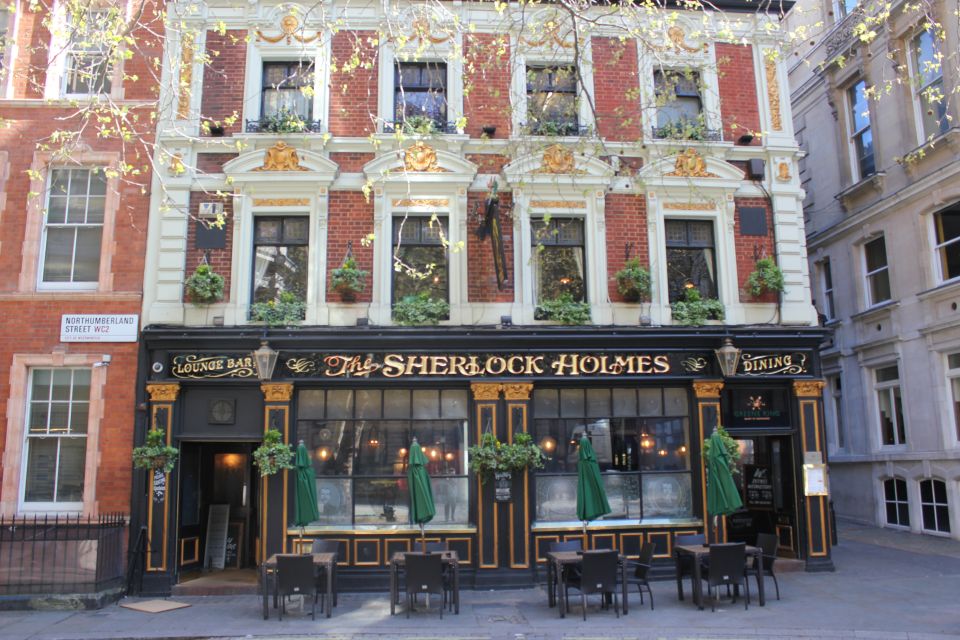
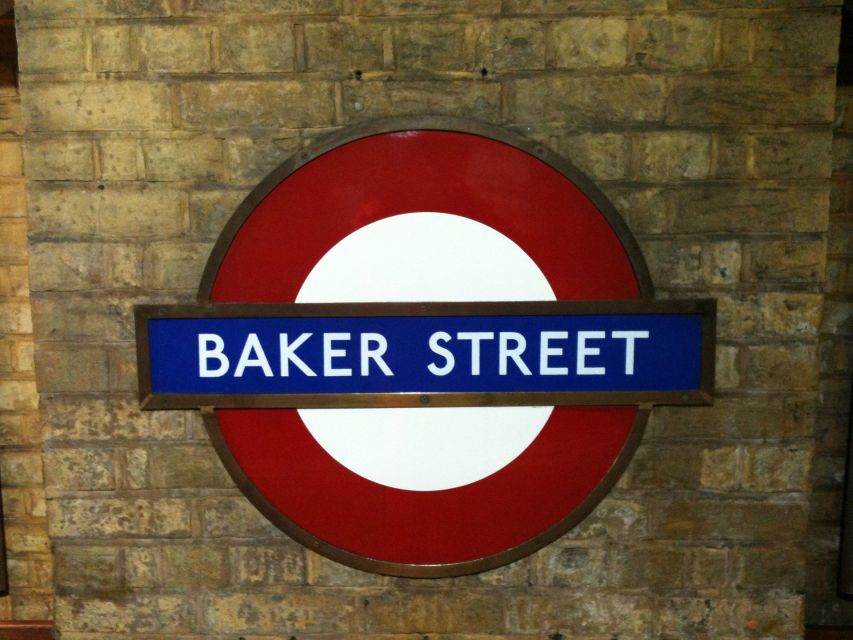
By the time you reach Baker Street, you’ve already seen a lot of London through Sherlock’s lens. So this final stretch works like a payoff chapter: you’re not learning random facts anymore—you’re assembling a picture of why certain addresses became permanent symbols.
The tour explains why Conan Doyle chose 221B Baker Street as Sherlock Holmes’ address. It’s one of those details that sounds almost inevitable until you hear the reasoning. Then it clicks: the choice isn’t only about romance or mystery branding; it’s about location in a real city grid, in a London the author understood.
You’ll also learn about who the real Baker Street regulars were, and how they secured an Allied victory during the Second World War. That’s a fascinating twist, because it reframes the street corner from fiction memorabilia into something tied to actual history.
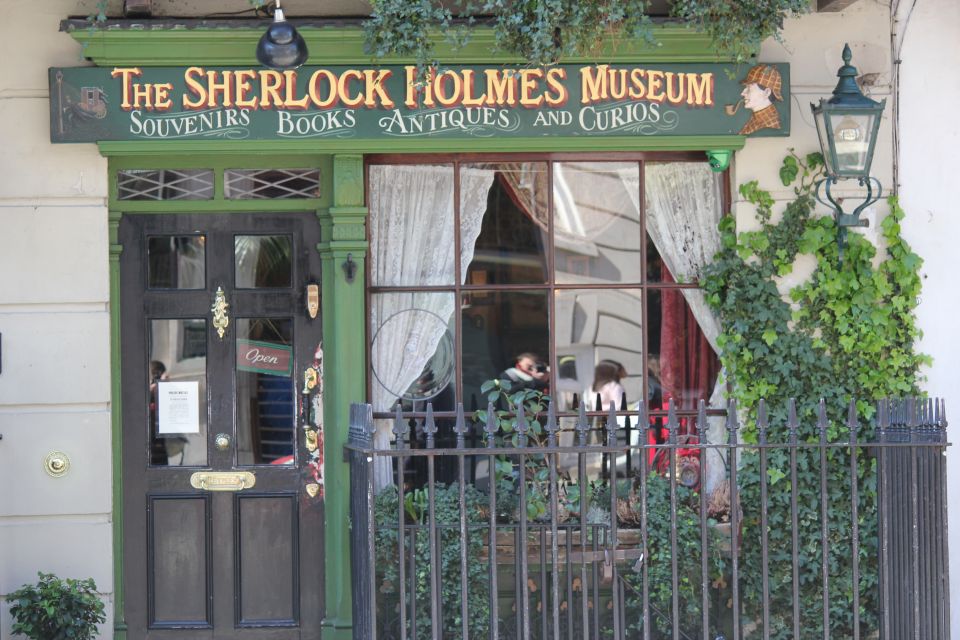
Another highlight is the story around the Sherlock Holmes Museum. You’ll discover how the museum ended up in a fight with an international bank over rights to Sherlock’s mail. It’s odd, legal-sounding, and very human—in other words, exactly the kind of behind-the-scenes detail that makes the whole Holmes brand feel real instead of museum-glossy.
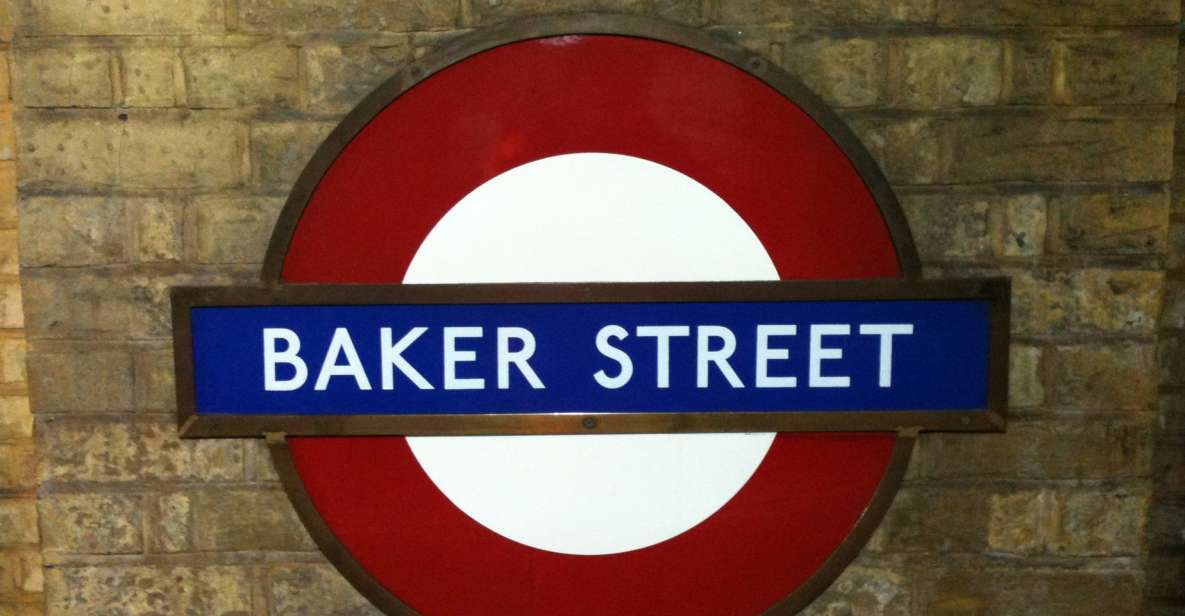
The tour ends opposite the Sherlock Holmes Museum, which is a practical gift. You can continue on your own at your pace, whether that means stepping into the museum or simply walking Baker Street again after your brain has made the connections. It’s also the best moment to take photos, because the area’s layout helps you position yourself for viewpoints without rushing the group.
You can also read our reviews of more guided tours in London




Is the price ($242 per group up to 15) good value?
The price is $242 per group for up to 15 people, with a private group setup. The value depends on your group size. If you fill closer to the top end, it can work out to roughly $16 per person (242 ÷ 15). If you have fewer people, the per-person cost climbs, so it becomes more of a “pay for convenience” decision.
Either way, you’re not just paying for someone to walk you to famous corners. You’re paying for a guide who can connect:
- specific literary moments to real addresses,
- multiple screen versions to the same London geography,
- and the publishing/media context that made Holmes stick.
On top of that, the tour includes the guide and the tour itself, while attraction tickets aren’t included. So if you plan to enter the Sherlock Holmes Museum, you may want to budget for admission separately.
If your priority is story value per hour, this format works well. It’s long enough to hit real places and short enough that you won’t feel stuck in a slow loop.
Tips so you enjoy it more (and fewer “stuck in a crowd” regrets)
A few small things can make a big difference on this kind of London walk.
- Bring comfortable shoes and dress for the weather. This tour runs rain or shine, so you’ll want clothing that handles drizzle or sudden wind.
- Plan to travel light. Oversize luggage and large bags aren’t allowed, and there’s no video recording.
- Since it’s not wheelchair-friendly, you’ll want to be comfortable with steady walking on city sidewalks.
- If you’re a fan of Sherlock or the Guy Ritchie films, you’ll likely enjoy the TV-and-film section the most. If you prefer the original stories, you’ll probably find the early literary stops and the Watson/Barts segment especially satisfying.
Also, if you care about facts, pick a day when you’re mentally ready to listen. This tour moves fast, and the best details land in the guide’s flow rather than on printed handouts.
Should you book the Sherlock Holmes guided city walking tour?
I’d book it if you want London to feel like a solved mystery. This tour is strongest when you like links between fiction and real places: you’ll leave with street-level context for Holmes, Watson, Irene Adler, and even the media history that kept the character popular across decades.
You might skip it if you need a fully accessible, low-walking experience, or if you hate rain walks. Also, if you’re expecting a deep museum day with lots of indoor time, note that the format is mainly a guided city walk with limited visits and photo stops.
If you’re choosing between a generic sightseeing walk and a Sherlock-focused one, this is the better match for anyone who wants something smarter than postcards—without making it feel heavy or academic.
FAQ
How long is the London Sherlock Holmes Guided City Walking Tour?
The tour lasts 3 hours.
What is the meeting point?
Meet your guide outside the Criterion Theatre.
Is it a private tour?
Yes. It’s a private group tour.
How many people can be in a group?
The tour price is set per group up to 15 people.
Is the tour wheelchair accessible?
No. It’s not suitable for wheelchair users.
Does the tour run in bad weather?
Yes. The tour takes place rain or shine.
What should I bring?
Bring comfortable shoes and weather-appropriate clothing.
Are public transportation costs included?
No. Public transportation fees aren’t included.
Are attraction tickets included?
No. Attraction tickets aren’t included.
Can I record video during the tour?
No. Video recording isn’t allowed.
Is free cancellation available?
Yes. You can cancel up to 24 hours in advance for a full refund.