REVIEW · LONDON
London: Tate Modern Official Guided Tour
Book on GetYourGuide →Operated by Tate · Bookable on GetYourGuide
One hour, and Tate Modern makes sense. This official tour helps you walk into London’s most famous modern-art spaces with a real plan, led by a live guide and focused on what you are seeing. Tate Modern feels huge, but this format turns it into something you can actually follow.
What I like most is the way the guide gives you a guided route through the main collections without turning the museum into a lecture hall. You also get straight-up facts about the gallery’s architecture and history, which makes the building feel part of the experience, not just a container for art.
One possible drawback: it is only 1 hour, so if you want to linger on every work, you will need to add time after the tour. Also, there is a bag search at entrances, and if you arrive late you cannot join.
In This Review
- Key things to know before you go
- Start at the Turbine Hall ticket desk (and save yourself time)
- How the 1-hour format gives you a usable overview
- What you’ll see: modern art across decades and styles
- The best part: hearing stories that turn confusion into curiosity
- Architecture and history: why the building changes how you view the art
- Pacing and the group flow: fast, focused, and not too rigid
- Price and value: $26 for a targeted modern-art briefing
- Who should book this Tate Modern tour
- Quick logistics you’ll actually care about
- Should you book? My take on the decision
- FAQ
- How long is the Tate Modern official guided tour?
- Where do I meet the guide?
- Is the tour in English?
- Will there be a bag search before the tour?
- What happens if I arrive late?
- Is the tour wheelchair accessible?
- Can I cancel and get a refund?
- FAQ
- Can I pay later instead of paying immediately?
Key things to know before you go
- Official, live guide: you get an expert’s explanations for the works and the gallery setting, in English.
- A smart time slice: the 1-hour pace is designed for an overview, not slow browsing.
- Architecture facts included: you learn how the building and its history shape what you notice.
- Modern art range: you cover art spanning early modernism in the 1900s through today’s work.
- Practical meeting point: you start at the ticket desk in the Turbine Hall, Level 0.
Start at the Turbine Hall ticket desk (and save yourself time)
The tour’s meeting point is easy once you know where to look: meet your guide at the ticket desk in the Turbine Hall, Level 0. Use the Turbine Hall entrance and follow the signage so you do not waste your first minutes wandering.
This matters more than you might think. Even a small delay inside a major museum can turn into stress fast, and the rules say you cannot join if you arrive late. So I treat the first 10 minutes like I’m catching a train, not browsing a gift shop.
One more thing: there is a bag search at the entrances. Bring a bag you are comfortable having checked, and keep items easy to access so you are not fumbling when your moment to enter arrives.
You can also read our reviews of more guided tours in London



How the 1-hour format gives you a usable overview
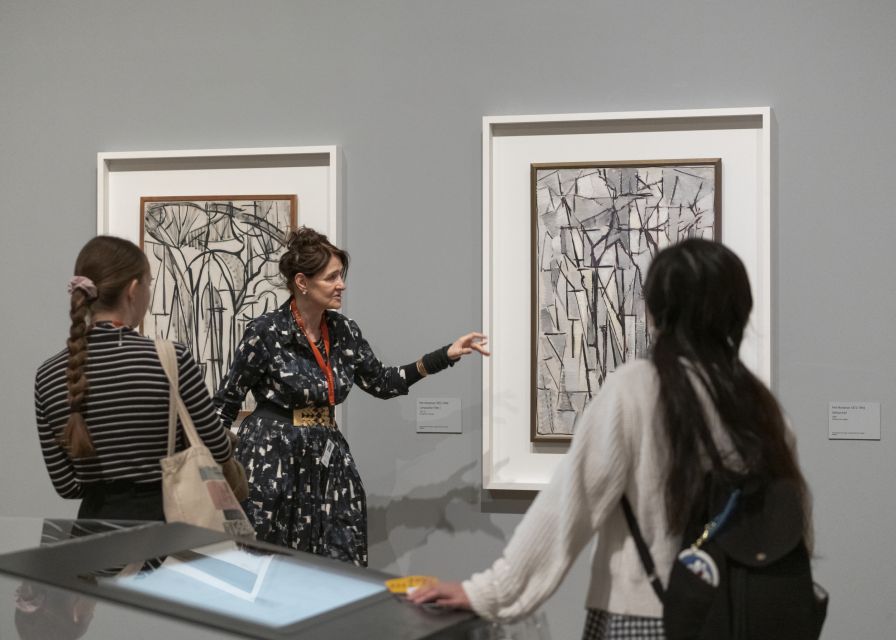
A one-hour museum tour can feel either perfect or frustrating. Here it works best because it is built for orientation: you get a sense of the museum’s major collections and the kinds of works you should pay attention to once the tour ends.
I love this approach on first visits. Tate Modern is not a place where most people naturally know what to do. The tour gives you an internal map, plus a set of talking points you can use while you explore on your own.
If you are a fast walker and you like big-picture context, you will likely feel satisfied. If you are the type who reads every label and stands still like a statue, you may wish the tour ran longer. That comes up in the overall feedback people share about the experience: the hour flies, which is great for momentum, but it can leave you wanting more time in the galleries you liked most.
What you’ll see: modern art across decades and styles
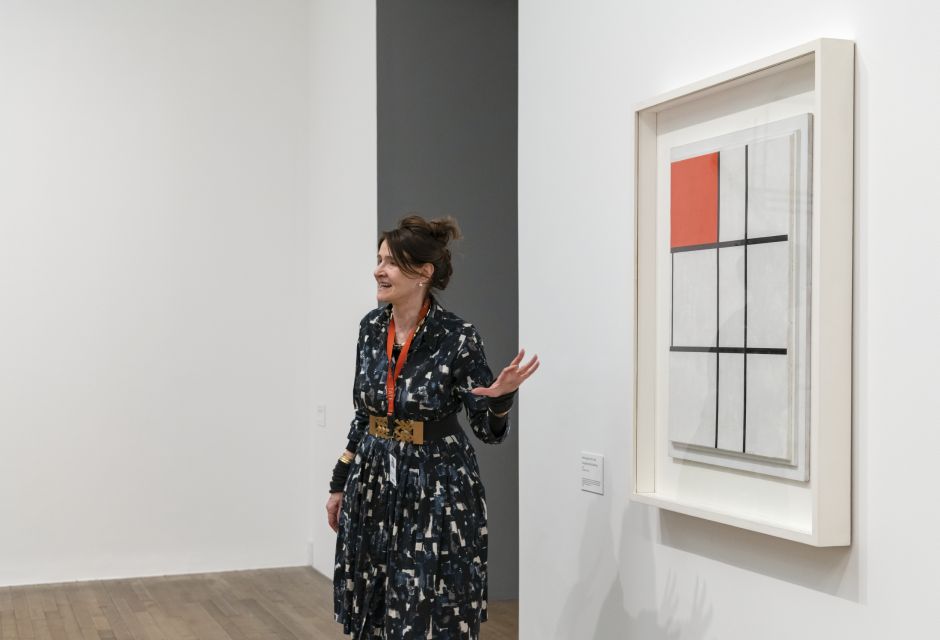
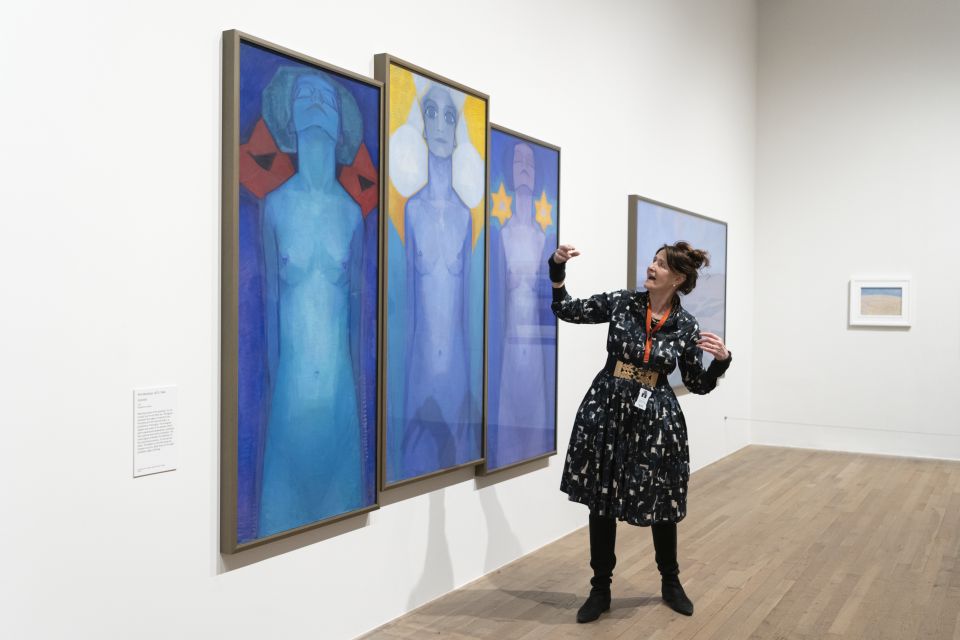
This is a collections-focused tour, not a single-work show. You walk through the main Tate Modern collections, spending time on must-see pieces across modern and contemporary art.
The big promise here is range. You start with the story of modernism in the early 1900s and move forward through exciting work created in the modern day. That arc matters because modern art can feel like it has no rules until someone connects the dots for you. A guide helps you see how ideas change over time: materials, style, meaning, and even what people think art is supposed to do.
You should expect a mix of types of art, including paintings and sculptures, plus other forms the museum is known for. The tour also aims to give you context, so you’re not just staring at an object asking, Is this finished, broken on purpose, or both?
Instead, you get explanations that help you compare one work to another. That is where the hour becomes valuable. It is not only about seeing famous pieces. It is about learning how to look.
The best part: hearing stories that turn confusion into curiosity
If modern art has ever made you feel like you are missing a secret code, this kind of guided tour is a practical antidote. The guide’s job is to connect the work to art history, the artist’s choices, and the world around the artwork.
What shows up repeatedly in the way people describe the tour experience is the sense of insight. Guides are praised for being able to explain context clearly, and for pointing out details that many visitors would skip if they walked in alone. You come away feeling like you understand what you saw, even if you still do not know your favorite style of abstract art.
Names that are highlighted for strong guiding include George and Maurizio. The common thread in their style seems to be clear explanations paired with enthusiasm. You can feel the difference between a guide who recites facts and a guide who helps you interpret what you’re looking at.
One useful bonus: the tour helps you build confidence to explore after. When you understand a few key ideas, the museum stops feeling like a test and starts feeling like a conversation.
Architecture and history: why the building changes how you view the art
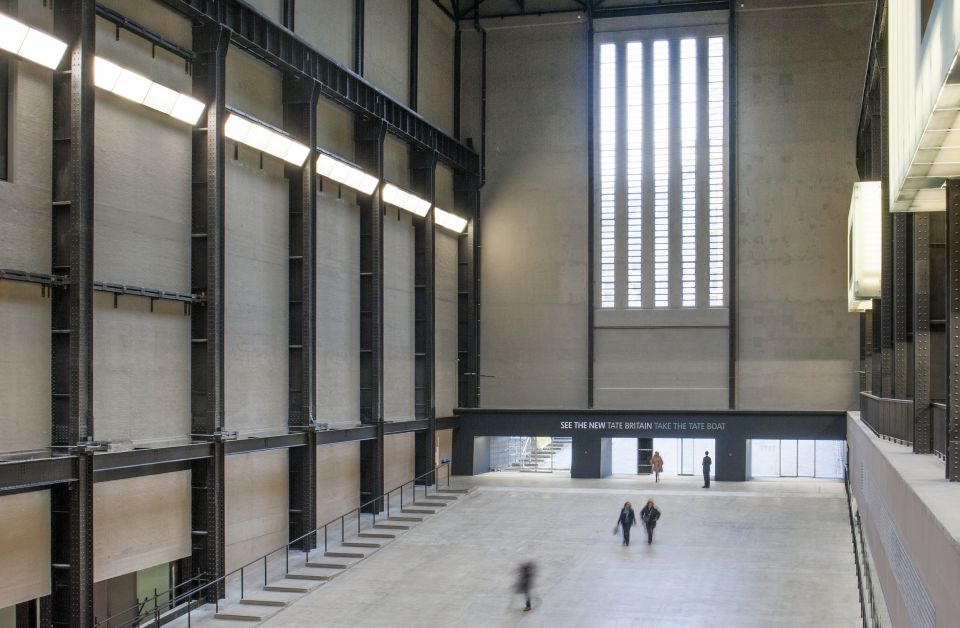
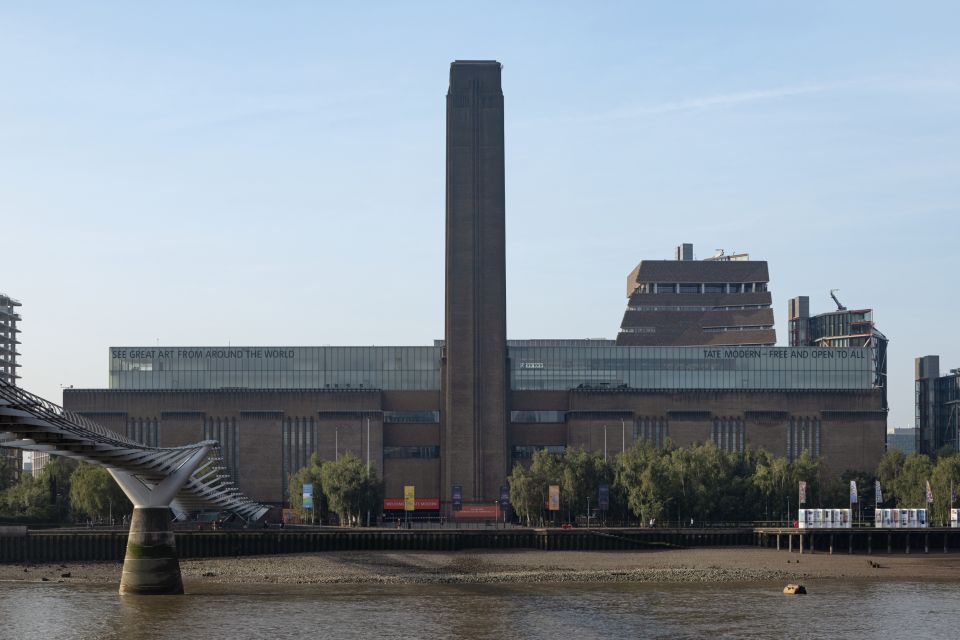
Tate Modern is famous for its building, and this tour makes sure you notice it. You get remarks about the gallery’s history and architecture as you move through the spaces.
This is more than trivia. Architecture affects your attention. In a huge museum, scale can make art feel unreachable. In a space with strong structure and a recognizable layout, art feels easier to approach because you can track where you are and how you got there.
The Turbine Hall itself sets expectations: it is a dramatic, open starting point that helps you shake off the mindset of smaller museums. Then, as you move into the collection areas, the tour’s historical facts give you a framework for what the museum represents today.
I like tours that treat the museum building as part of the story. This one does that, and it makes the time feel smarter. You are not just consuming art. You are learning why this place exists the way it does.





Pacing and the group flow: fast, focused, and not too rigid
A one-hour guided tour has to manage pacing. Here, the experience is designed to balance time at each stop with the need to keep moving, so you do not get stuck at one work while the rest of the collection passes you by.
That balance is a big deal. If a tour spends too long on one corner, you miss the point of a guided overview. If it is too fast, it becomes confusing. This tour aims for the sweet spot: you see a range of works and you still get time to absorb explanations.
You should also know that the tour does not include a plan for arriving and gradually joining. The rule is simple: if you show up late, you cannot join. So I recommend arriving a little early, using the bag search time to your advantage, and then letting the guide lead you.
Price and value: $26 for a targeted modern-art briefing
At $26 per person for 1 hour, the price is less about buying entry (you would still need general access to the museum in your broader plan) and more about buying interpretation. In practice, a good guided tour saves you time and prevents that common first-visit problem: wandering, then feeling like you missed the point.
This is best value if you fall into one of these groups:
- You want a clear starting point before exploring on your own.
- You like modern art but want the historical and artistic context spelled out.
- You are visiting with someone who needs a little help getting oriented.
It is also a smart spend if you only have a limited window at Tate Modern. London tours can balloon quickly. A one-hour format keeps your schedule from collapsing while still giving you something memorable.
The main trade-off is obvious: you are paying for focus, not for unlimited time. If your style is slow looking, set aside extra gallery time after the tour ends.
Who should book this Tate Modern tour
This tour is a strong fit for first-timers and for people who want modern art explained in plain language. It also works well for art lovers who have visited before, because it nudges you toward works you might overlook on your own and gives you new context to carry forward.
It may not feel ideal if you want to sit in silence and read every label for an hour. The tour’s purpose is to guide you through the main collections and give you quick, useful context, not to provide a deep, hours-long museum study session.
Also, it is practical for accessibility needs. The tour is wheelchair accessible, so you can plan around a smooth entry and a guided route rather than figuring everything out solo.
Quick logistics you’ll actually care about
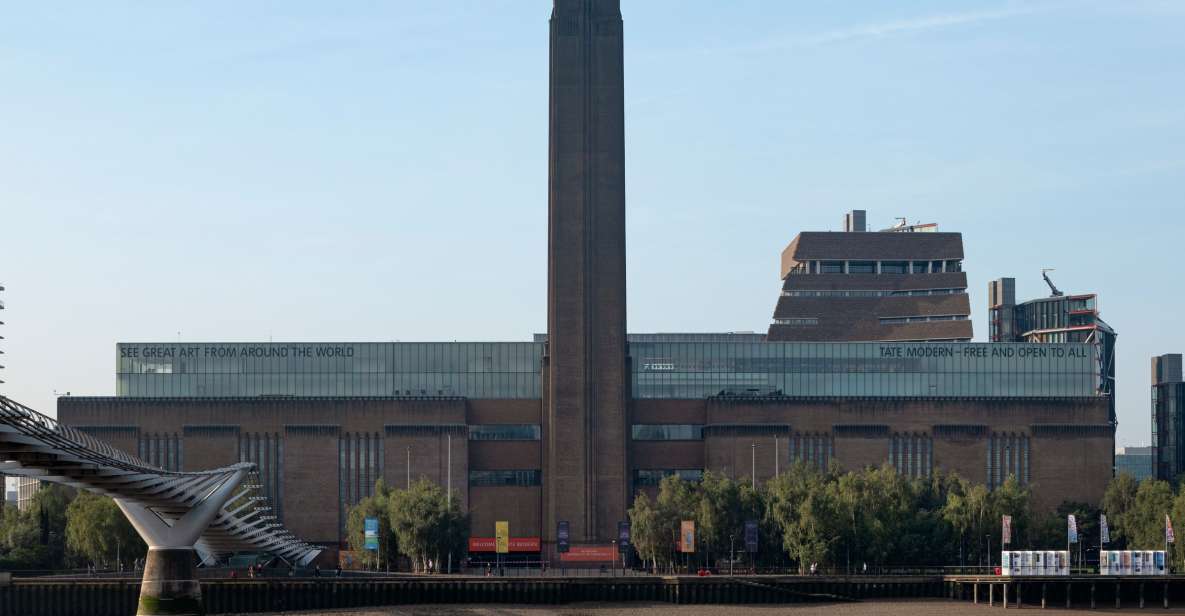
The tour is live and in English. You meet the guide at the ticket desk in the Turbine Hall, Level 0, and you should use the Turbine Hall entrance with the signage.
Bring a bag that can handle a search at the entrances, and do not plan to arrive late. That one rule can ruin your day more than the weather ever will.
Should you book? My take on the decision
If you are doing Tate Modern for the first time, I think it is an easy yes. You get a guided route through major collections, context that helps you understand modern art, and architecture/history notes that make the building feel meaningful.
If you already know you want to spend hours in the galleries, this tour is still worth considering as a warm-up. You will likely feel more confident when you start your self-guided wandering, because you will have ideas in your head instead of only questions.
If your schedule is tight and you want a high-impact activity, $26 for one hour is a fair deal. Just give yourself time to start early, clear the bag search, and settle in before the tour begins.
FAQ
How long is the Tate Modern official guided tour?
The tour lasts 1 hour.
Where do I meet the guide?
Meet your guide at the ticket desk in the Turbine Hall, Level 0. The recommended entrance to use is the Turbine Hall entrance, following the signage.
Is the tour in English?
Yes, the live tour guide language is English.
Will there be a bag search before the tour?
Yes. A bag search is in operation at the entrances.
What happens if I arrive late?
You will not be able to join the tour if you arrive late.
Is the tour wheelchair accessible?
Yes, the tour is wheelchair accessible.
Can I cancel and get a refund?
Yes. Free cancellation is available up to 24 hours in advance for a full refund.
FAQ
Can I pay later instead of paying immediately?
Yes. The experience offers a reserve now & pay later option, so you can book your spot and pay nothing today.