REVIEW · LONDON
London: The Courtauld Gallery at Somerset House Entry Ticket
Book on GetYourGuide →Operated by The Courtauld · Bookable on GetYourGuide
Masterpieces meet architecture at Somerset House. The Courtauld Gallery at Somerset House is a smart one-day ticket through major works of Impressionism, Post‑Impressionism, and Renaissance art. I love the way the LVMH Great Room brings stars like Manet and Van Gogh into view, and I love how easily you can switch from paintings to prints and drawings without losing the thread. The main catch is simple: this ticket covers the permanent collection, not temporary exhibitions.
You’ll start with English support and an English audio guide included, which helps you move from room to room at a steady pace. You can also plan for access needs, since the gallery is wheelchair accessible.
If you want to see everything in one visit, build a short shortlist first—otherwise the range can tempt you into speed-watching, and you’ll miss details in the works that repay slower looking.
In This Review
- Key things to know before you go
- Entering Somerset House: an art stop with a sense of place
- The LVMH Great Room: Impressionist and Post‑Impressionist hits you can’t fake
- Manet, Van Gogh, and Cézanne: why this room feels like value
- Moving upstairs: the Blavatnik Fine Rooms for Renaissance to 18th century
- The Renaissance-to-18th-century payoff: beauty you can actually spend time on
- Ruddock Family Gallery: Medieval and early Renaissance in focused context
- 20th-century and Bloomsbury Group displays: a changing finale that keeps the day alive
- Price and what the $16 ticket really covers
- Timing your one-day visit without rushing
- Who this Courtauld Gallery ticket suits best
- Should you book this Courtauld Gallery ticket?
- FAQ
- FAQ
- How long does the Courtauld Gallery ticket take?
- Where is the Courtauld Gallery?
- How much does the entry ticket cost?
- What does the ticket include?
- Is entry to temporary exhibitions included?
- Is there an audio guide, and what language is it in?
- Is the experience wheelchair accessible?
- What cancellation options are available?
- What booking/payment options are offered?
Key things to know before you go
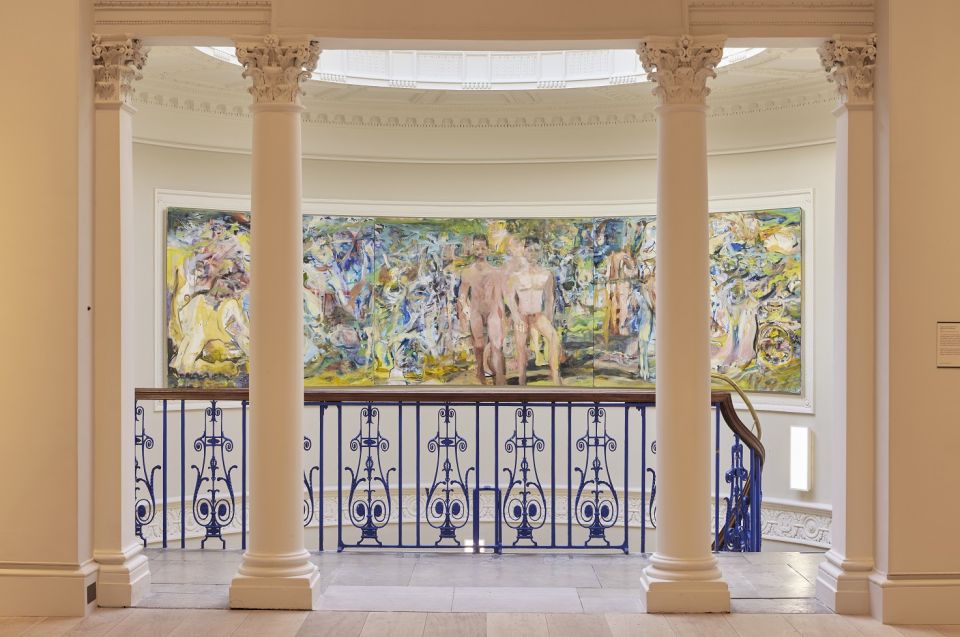
- Somerset House setting: you’re not just walking through galleries; you’re moving through a landmark complex that frames the art well.
- LVMH Great Room focus: Impressionist and Post‑Impressionist standouts are placed up front, so your visit starts strong.
- Blavatnik Fine Rooms by era: Renaissance to 18th-century art is organized in a way that makes visual comparisons easy.
- Ruddock Family Gallery: Medieval and early Renaissance art gets dedicated space instead of being treated like an afterthought.
- Botticelli and Manet at full force: you can line up major titles like The Trinity with Saints and A Bar at the Folies Bergère without jumping across the city.
- Permanent collection only: your ticket is built around the Courtauld’s core holdings, so check whether temporary exhibitions matter to your plan.
Entering Somerset House: an art stop with a sense of place
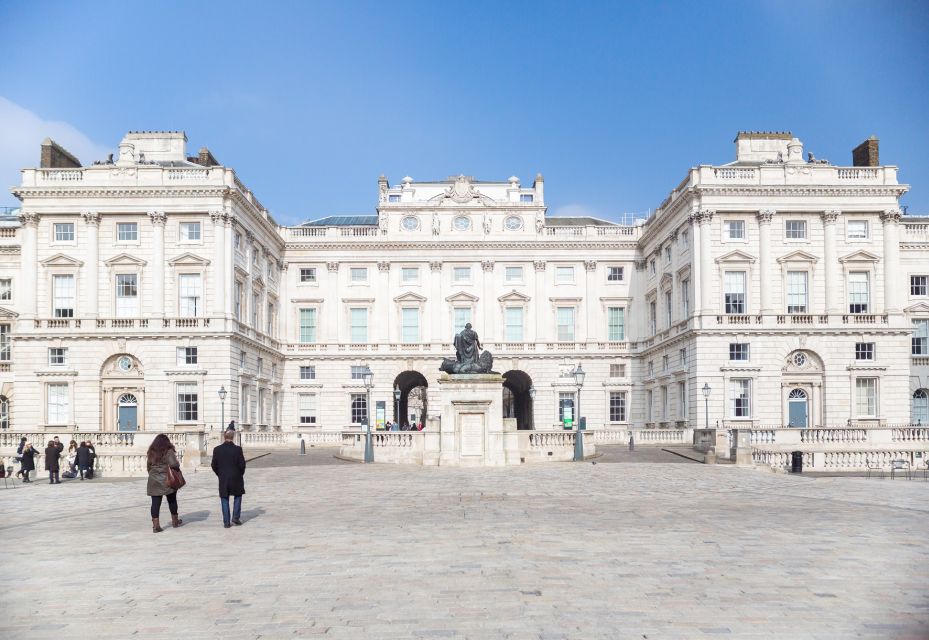
I like visiting museums when the building helps you understand what you’re about to see. Somerset House does that. Before you even get deep into galleries, the setting signals that this is a serious art destination, not just a quick photo stop.
Once you’re inside, the Courtauld Gallery permanent collection entry ticket gets you in to the core experience. You’ll be walking through multiple rooms that cover different periods, so your day has shape. And since the audio guide is included in English, you can give yourself a guided pace without feeling locked into a group schedule.
One more small win: the Courtauld has an English host or greeter, which can be useful if you want a quick orientation on where to start. It’s the kind of practical help that matters when you only have one day.
You can also read our reviews of more tours and experiences in London


The LVMH Great Room: Impressionist and Post‑Impressionist hits you can’t fake
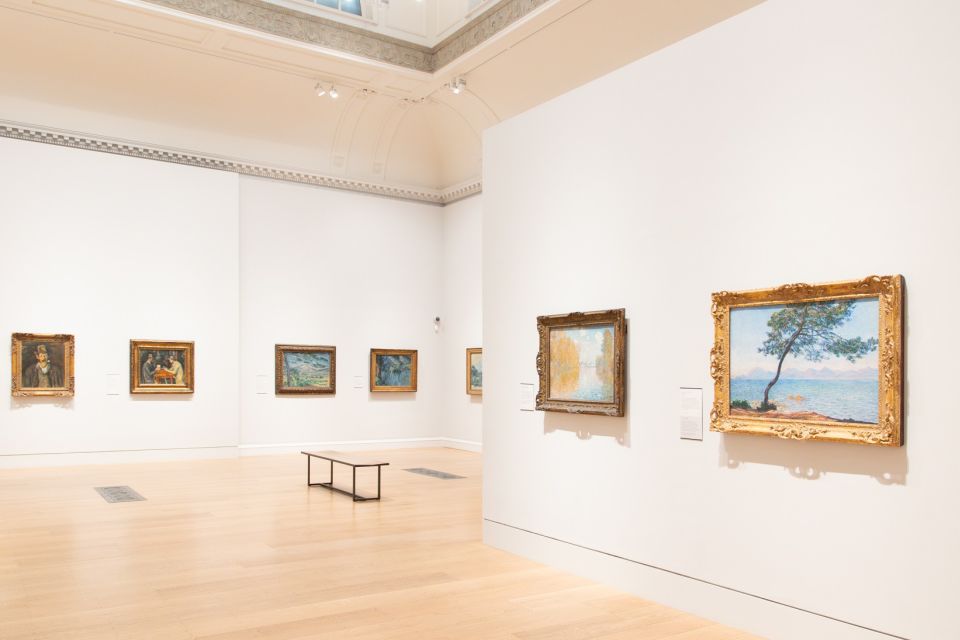
The first big payoff is the LVMH Great Room, where you’ll meet the artists most visitors came to see. This is where the Courtauld earns attention for serious Impressionism and Post‑Impressionism, not just “a few good paintings.”
Here’s what stands out when you’re scanning the room:
- A Bar at the Folies Bergère by Manet (listed as Manet’s famous bar scene in the experience details)
- Self‑Portrait with Bandaged Ear by Van Gogh
- A UK treasure trove of Cézanne works (the Courtauld is known for this kind of holding, and your ticket is designed to show you the essentials)
What I like about this setup is that it helps you experience transitions in taste. You’re not only looking at individual masterpieces—you’re also seeing how styles and approaches shift across a relatively short historical window. That makes the Courtauld feel like a museum of ideas, not a pile of frames.
Practical tip: in the LVMH Great Room, pick two or three works to really slow down for. Then let the rest of the room refresh your sense of the era. That way you won’t end up spending the whole day trying to see everything at “full intensity.”
Manet, Van Gogh, and Cézanne: why this room feels like value
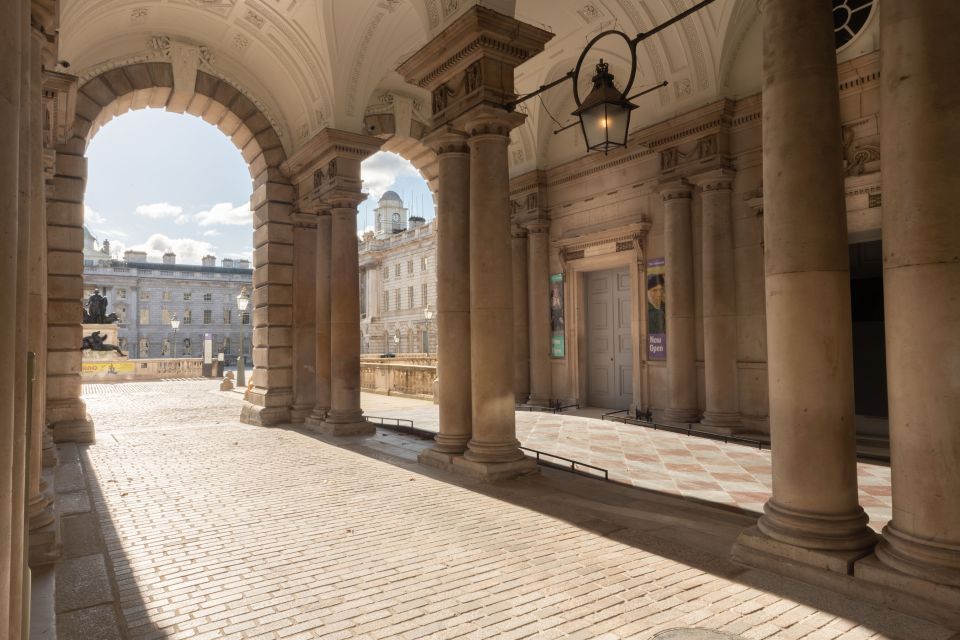
The Courtauld’s strength is that it doesn’t treat famous names like decoration. When you see Manet and Van Gogh side-by-side in a single visit flow, you can sense why people fight about Impressionism and Post‑Impressionism in the first place.
Manet brings crisp modernity and sharp gaze, and Van Gogh brings emotion that reads almost instantly, even before you know the backstory. Cézanne acts like a bridge, because his work often helps you understand how later artists built structure out of color and form.
If you’re the kind of person who worries you’ll get “museum fatigue,” this room design is your friend. Your entry ticket starts you with the power works, so even if your energy dips later, you already got your money’s worth.
Moving upstairs: the Blavatnik Fine Rooms for Renaissance to 18th century
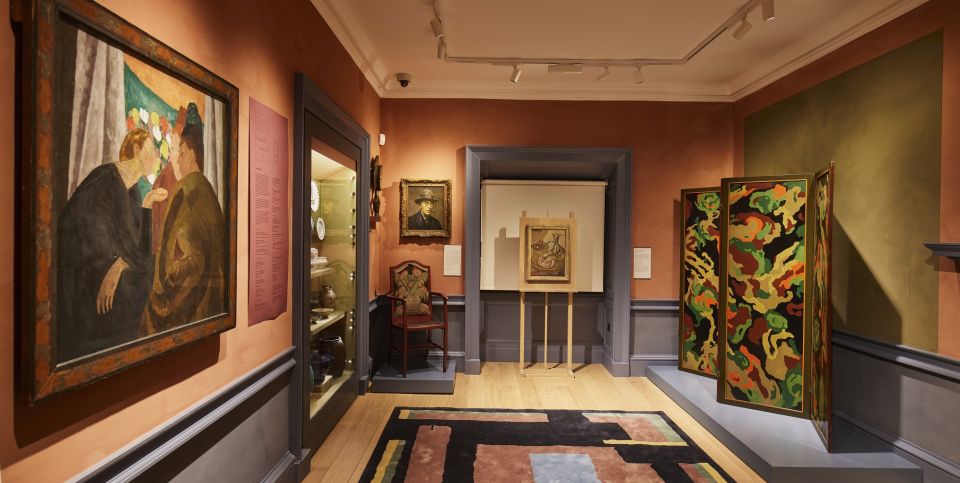
Next comes the change in temperature—art-wise, that is. Ascend to the Blavatnik Fine Rooms, and the Courtauld shifts from Impressionism’s modern gaze to the long rhythm of Renaissance and beyond.
This section is where your experience gets cinematic, because you’re surrounded by works that were made to communicate belief, status, drama, and beauty. It also makes the museum feel less like a checklist and more like a time journey.
Key works in the Blavatnik Fine Rooms include:
- Lucas Cranach’s Adam and Eve
- Rubens’ The Descent From The Cross
- Botticelli’s The Trinity with Saints
- Pieter Bruegel the Elder’s Landscape with a flight into Egypt
I especially appreciate Botticelli and Rubens in the same leg of the visit. Botticelli’s The Trinity with Saints draws you toward beauty and spiritual storytelling, while Rubens pushes scale and intensity in a different direction. Put together, they help you see Renaissance art as something more than religious symbolism.
Practical tip: in this upstairs section, don’t rush to read everything at once. Use the audio guide to pick up one thing per painting—subject, technique, or symbolism—then let your eyes do the rest.
The Renaissance-to-18th-century payoff: beauty you can actually spend time on
This is where the Courtauld’s layout does you a favor. Since the galleries move by period, you can compare ideas without mentally juggling dates.
For instance, once you’ve seen Cranach’s Adam and Eve, you’re better positioned to notice how different artists handle human form and moral storytelling across time. After that, Rubens’ The Descent From The Cross lands differently because your eyes are already trained to look for drama and movement.
And yes, the famous names matter. But what matters more is how the Courtauld uses them to teach you a pattern: how artists adapted older themes for their own moments. That makes the ticket feel like education that doesn’t require studying.
You can also read our reviews of more museum experiences in London





Ruddock Family Gallery: Medieval and early Renaissance in focused context
Between the major “headline” rooms, the Courtauld doesn’t lose you. In the Ruddock Family Gallery, you’ll find Medieval and early Renaissance art in dedicated space.
This matters if you’re more curious than casual. Early Renaissance doesn’t always get the same attention as later masterpieces, but seeing it here helps you understand the gradual steps that lead into the later period works you already recognize.
The best way to handle this section is to keep your expectations flexible. Early art rewards attention to detail: posture, composition, and the way religious scenes are structured. The audio guide in English can help you stay oriented when you’re moving from one work to the next.
20th-century and Bloomsbury Group displays: a changing finale that keeps the day alive
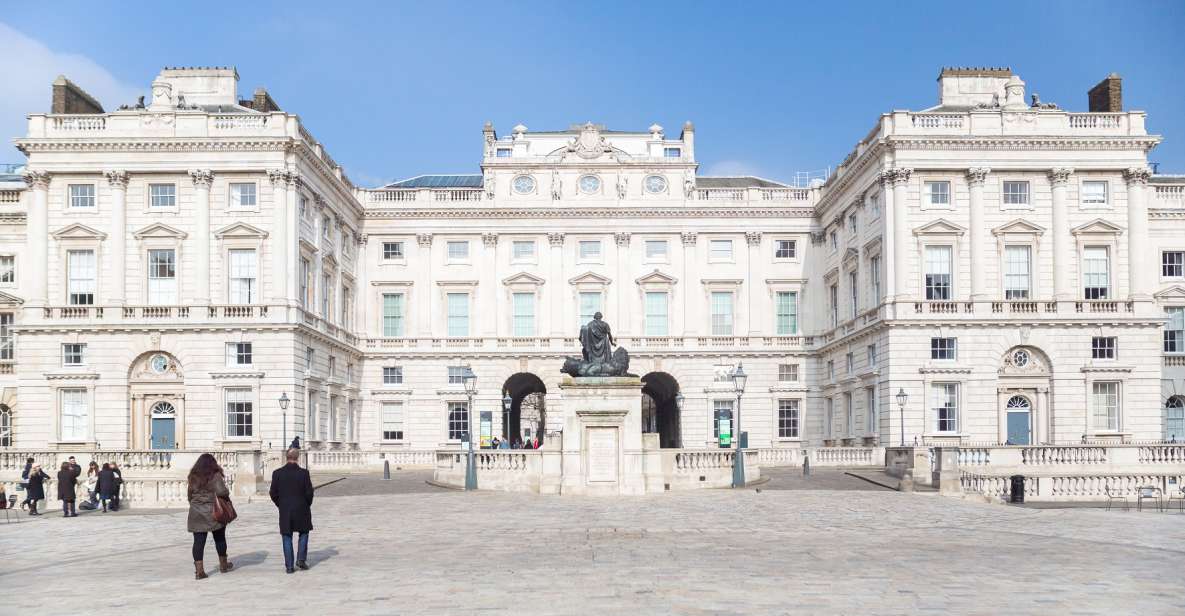
After Renaissance riches, the museum continues into 20th-century art and the world of the Bloomsbury Group through ever-changing displays.
Even without naming every work you’ll see, the key point is this: the Courtauld doesn’t end your day with one long “old masters” stretch. It shifts again, so your visit doesn’t feel like you’re trapped in one century.
This is helpful if you’re visiting with a mix of interests—someone who loves Impressionism and someone who likes modern art can both leave feeling satisfied. It also gives your eyes a chance to reset after large religious and mythological themes.
Tip for your schedule: if you feel your attention drifting, treat the 20th‑century rooms as your flexible zone. Spend more time where you’re drawn, less where you’re not. Because the displays change and cover broader ground, your personal preferences will shape how much you get out of it.
Price and what the $16 ticket really covers
At $16 per person for a one-day visit, the Courtauld Gallery ticket is priced for real access to the permanent collection. That’s the key value equation: you’re paying for entry into the museum’s core strengths, not a buffet of short-lived shows.
Your ticket includes:
- Courtauld Gallery permanent collection entry
It does not include entry to temporary exhibitions. So if you’re planning your trip around a specific temporary show, you’ll need a separate plan. If your goal is to see the Courtauld’s long-term masterpieces—Impressionists, Renaissance works, and the museum’s structured timeline—this ticket model is exactly the point.
Also, the overall rating is 4.6 out of 5 based on 126 reviews, which is a sign the experience holds up for many visitors. I like ratings like this when they match what you’re actually after: major art in a coherent setting, not just a quick stop.
Timing your one-day visit without rushing
You’ve got one day, and the museum is structured so you can move through it in order. That matters, because the Courtauld is about progression. Start with the LVMH Great Room for the Impressionist/Post‑Impressionist anchors, then move upstairs for the Renaissance-to-18th-century arc, and let the later galleries bring you home.
Since you’ll see both paintings and works on paper (the experience highlights paintings, prints, and drawings in the Courtauld’s collection), give yourself permission to slow down. Works on paper often reward closer reading, even if you’re not a “detail person.”
A simple pacing trick: aim to spend less time in rooms where you’re only scanning names, and more time where the subject matter grabs you. For example:
- If Manet or Van Gogh pulls you in, spend extra minutes there.
- If Botticelli’s The Trinity with Saints hooks you, let that be your anchor for the Blavatnik Fine Rooms.
- If early Renaissance art makes you curious, the Ruddock Family Gallery can become your best surprise of the day.
Who this Courtauld Gallery ticket suits best
This ticket works well if you want a compact London art day with real emphasis on big masterpieces. It’s also a great choice if you don’t want to bounce between multiple museums just to hit the big names.
You’ll likely enjoy it most if you:
- Love Impressionist and Post‑Impressionist art and want major works in one visit
- Appreciate Renaissance art and want Botticelli, Cranach, and Rubens in a single flow
- Prefer a museum that’s organized by eras and themes rather than random browsing
- Want an English audio guide included, so you can go at your own pace
If your top priority is temporary exhibitions only, then this ticket may feel incomplete. But if you’re after the Courtauld’s permanent highlights, the one-day structure is built for that.
Should you book this Courtauld Gallery ticket?
Yes, book it if you want a well-paced, one-day art experience at Somerset House centered on the Courtauld’s permanent collection. The mix of LVMH Great Room masterpieces and the Renaissance arc upstairs gives you a satisfying sweep without needing extra tickets for temporary shows.
Skip it only if temporary exhibitions are the whole point of your museum plan. Otherwise, this is a strong value way to see major artists like Manet, Van Gogh, Botticelli, Rubens, Cranach, and Bruegel, with an English audio guide doing the heavy lifting as you move between rooms.
FAQ
FAQ
How long does the Courtauld Gallery ticket take?
The experience is listed as valid for 1 day.
Where is the Courtauld Gallery?
The Courtauld Gallery is within Somerset House.
How much does the entry ticket cost?
The price is listed as $16 per person.
What does the ticket include?
It includes entry to the Courtauld Gallery permanent collection.
Is entry to temporary exhibitions included?
No. Entry to temporary exhibitions is not included.
Is there an audio guide, and what language is it in?
Yes, an audio guide is included, and it is in English.
Is the experience wheelchair accessible?
Yes, the venue is wheelchair accessible.
What cancellation options are available?
Free cancellation is available up to 24 hours in advance for a full refund.
What booking/payment options are offered?
You can reserve now and pay later, so you can book your spot and pay nothing today.