REVIEW · LONDON
The Old City of London – Guided Walking Tour 12 guests 2,5h
Book on GetYourGuide →Operated by Babylon Tours London · Bookable on GetYourGuide
London’s layers show up fast on foot.
This Old City guided walk is interesting because it traces London in time order, from Roman fortifications to medieval power and modern river views. I like that it ties landmark stops to stories you can actually picture, from Knights Templar intrigue at Temple Church to the Great Fire of London near the Monument. One heads-up: it’s a moderate walking tour, and some attractions can’t be entered from the inside due to security.
You get a small group feel, too. With a maximum of 8 people (and English-speaking guides), the pacing stays friendly and questions are welcome. The possible drawback is simple: you’ll want comfortable shoes and you should plan for outdoor time in all weather.
In This Review
- Key Highlights You Should Care About
- Meeting at Temple Station: Quick Logistics, Real Walking Time
- Roman London Wall: The 220 AD Start That Changes How You See the City
- Temple Church: Knights Templar, Da Vinci Code Energy, and a Real Spiritual Spot
- St Bride’s Church and St Paul’s: Two Ways the City Talks Back to You
- St Mary-le-Bow and the City of Small Details
- Guildhall and the Bank of England: Where Civic Power Feels Practical
- The Monument and the Great Fire Route: Making Tragedy Legible
- Strolling the Thames: How You Plan Your River Day
- Tower Bridge to Tower of London: Big Icons, Tight Time
- Price and Value: Is $61 Worth 2.5 Hours of London?
- The Guide Experience: Story Angles That Stick
- What to Bring for a Smooth 2.5 Hours in the Old City
- Accessibility and Who This Tour Fits Best
- Should You Book This Old City of London Walking Tour?
- FAQ
- How long is the Old City of London guided walking tour?
- What does it cost?
- Where do I meet the guide?
- Is the tour in English?
- How big is the group?
- Is there a lot of walking?
- Does the tour include food or drinks?
- Do I need photo ID?
- Can I bring luggage or large bags?
- Is the tour wheelchair-friendly?
Key Highlights You Should Care About
- Roman London Wall (220 AD) explained where you can still see its footprint
- Temple Church and Knights Templar context, including scenes made famous in popular culture
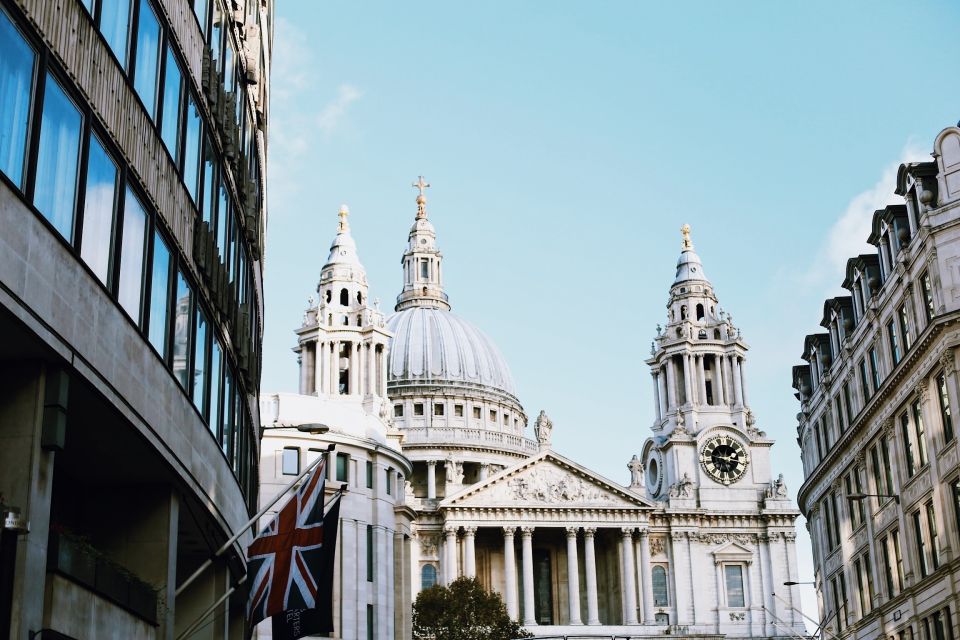
- St Paul’s Cathedral viewpoints, plus the Charles and Diana wedding hall connection from 1981
- Great Fire of London landmarks near the Monument, with a route story that makes the city make sense
- Tower Bridge paired with a comparison to the more recent Millennium Bridge
- Tower of London stop with photo and guided orientation, even if you can’t go inside
Meeting at Temple Station: Quick Logistics, Real Walking Time
The tour starts from Temple Station, with the same station listed as an option for the meeting point. That’s convenient, because it keeps your head clear: you’re not solving a scavenger hunt before you even begin.
The whole experience is about 2 to 2.5 hours, and it’s built for a paced walk between major City sights. Expect a steady rhythm of short walks and photo stops, not long bus rides or museum time. The company keeps it running daily, so it’s a practical choice when you want London highlights without turning your day into a logistics project.
The group size matters. A maximum of 8 people per tour means you’re not swallowed by the crowd. I also like that a private group is available if you want the same route style with fewer voices in the mix.
You can also read our reviews of more walking tours in London



Roman London Wall: The 220 AD Start That Changes How You See the City
One reason I enjoy this tour is that it begins with the idea of London as a fortified settlement. You’ll learn about Roman settlements and the wall built in 220 AD, and you’ll be guided to points where that story still connects to what’s around you today.
This is the kind of context that makes later stops click. When you understand that the City was shaped for defense and control long before medieval towers, you start noticing how later London grew in layers. Instead of seeing isolated buildings, you start seeing a timeline of strategy.
Even if you’ve read about Roman London, the value here is where the guide puts the emphasis. You’re not memorizing dates for sport. You’re getting a mental map, so each stop later feels earned.
Temple Church: Knights Templar, Da Vinci Code Energy, and a Real Spiritual Spot
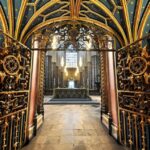
Temple Church is one of the stops that most directly delivers on atmosphere. You’ll get a photo stop and guided visit at Temple Church, with a short walk component built in so you’re not rushed but also not dragging.
Here’s what makes it compelling: Temple Church served as headquarters to the Knights Templar, and the guide frames that role so the building feels tied to power, not just stone. You’ll also revisit scenes made famous in popular culture, which helps you place names and symbols you may have heard before. The goal isn’t to re-enact a plot. It’s to help you recognize how fiction borrows from real medieval settings.
You’ll likely appreciate the way the guide explains the architecture and significance in plain language. It’s the kind of stop where you can look at the church and suddenly know what you’re looking at.
If you want the best photos, bring your phone battery game. Photo stops are short, and it’s an active walking route, so you’ll want a quick shot and move on.
St Bride’s Church and St Paul’s: Two Ways the City Talks Back to You
After Temple Church, the tour continues through another church stop: St Bride’s Church. This one is listed for a photo stop, visit, and guided tour segment. It’s a quick hit, but it matters because the walk through the City isn’t just about the big-name icons.
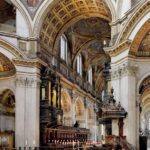
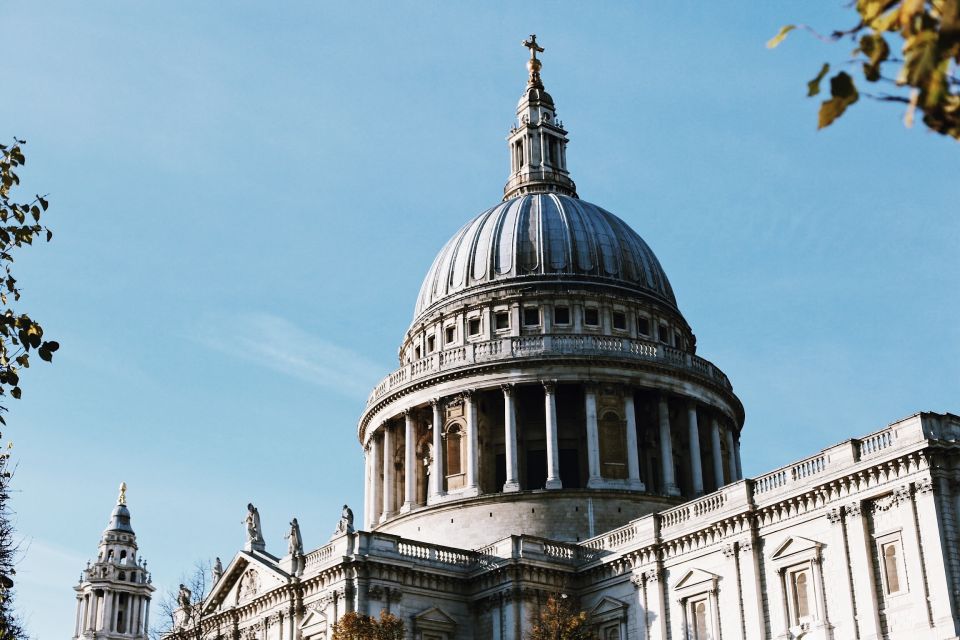
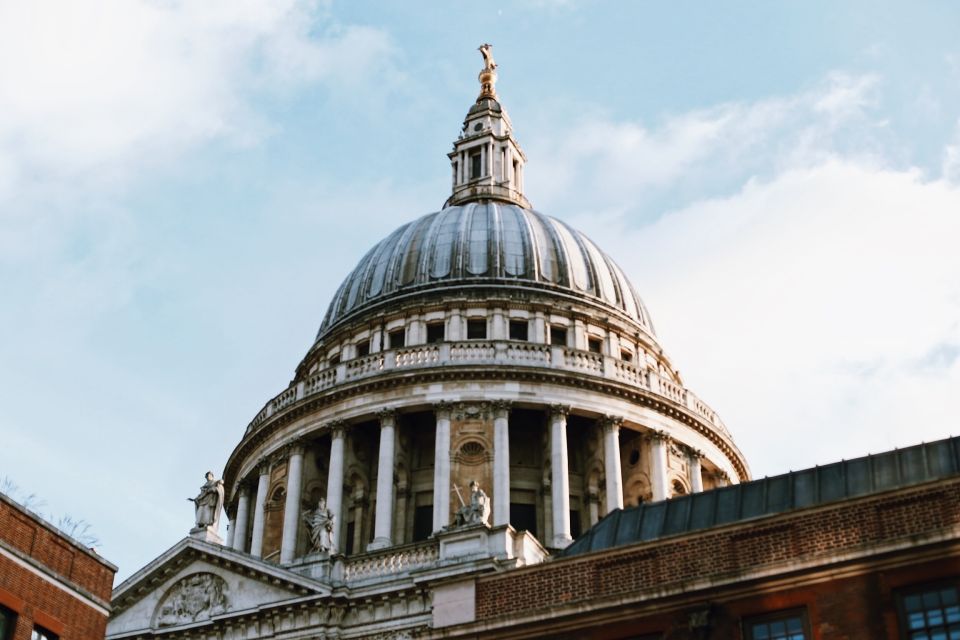
Then you reach St Paul’s Cathedral, and that’s where the skyline energy hits. You’ll have time for a photo stop plus a guided visit and sightseeing around the cathedral.
A detail I find especially useful: St Paul’s is described here as a wedding hall for Charles and Princess Diana in 1981. Even if you already knew St Paul’s is famous, that connection turns it into a place with specific cultural memory. It also helps explain why the area around it feels “central” in a way that goes beyond tourism.
If you’re expecting to go inside every stop, adjust expectations. The tour notes that due to security measures at many attractions, some sites can’t be visited from the inside. You’ll still get the guided context and best viewpoints you can access.
St Mary-le-Bow and the City of Small Details
Next up is St Mary-le-Bow Church, another short guided segment with a photo stop. This is one of those stops that you’ll either love for the details or skip in your mind if you don’t get the storytelling.
The value of St Mary-le-Bow in this tour is how it feeds the larger theme: the Old City is full of power, worship, and civic life packed into tight streets. When the guide connects the church to the wider City pattern, you start noticing the way religion and government sit side by side here.
This is also where your walking pace matters. Short visits are easier when you’re not constantly adjusting your pace. If you like to slow down, do it during the photo stops, not while moving between them.
You can also read our reviews of more guided tours in London





Guildhall and the Bank of England: Where Civic Power Feels Practical
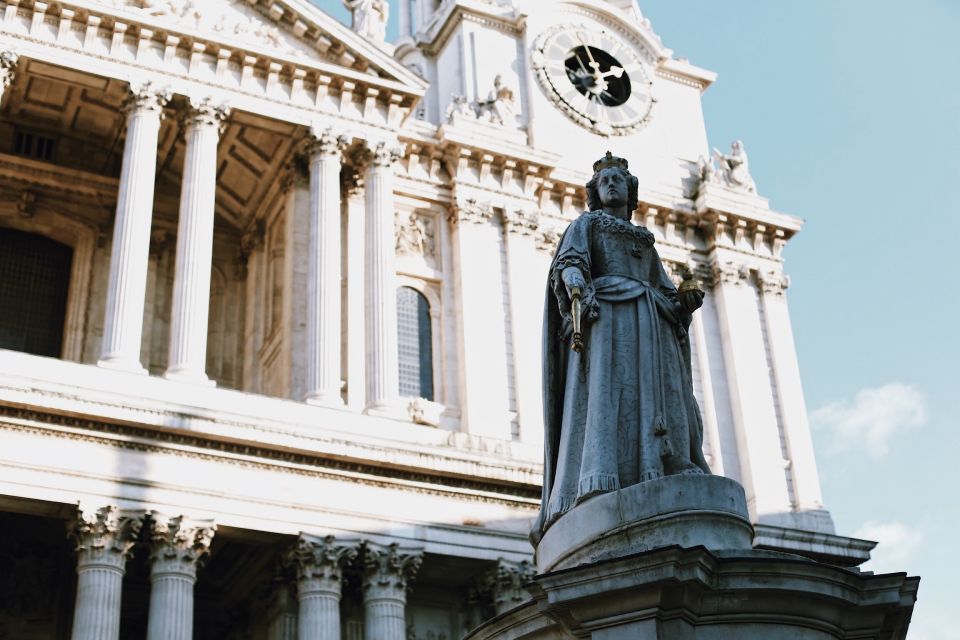
Two stops that help you understand the City as a working system are Guildhall, London and the Bank of England.
Both are included as photo stops with guided tour time and sightseeing. The guide’s job here is crucial: it’s not enough to point at prominent buildings. You need the “why this exists” thread, and that’s what turns them from background to part of the story.
Guildhall can feel ceremonial and administrative at the same time, which is exactly what the City has always done well: formal spaces that also manage real life. The Bank of England brings the story forward into the modern era, letting you compare how London’s authority evolved while keeping the same neighborhood at the center of power.
If you like your history tied to how people run things, you’ll appreciate these stops. They make the Old City feel less like a postcard and more like a living machine.
The Monument and the Great Fire Route: Making Tragedy Legible
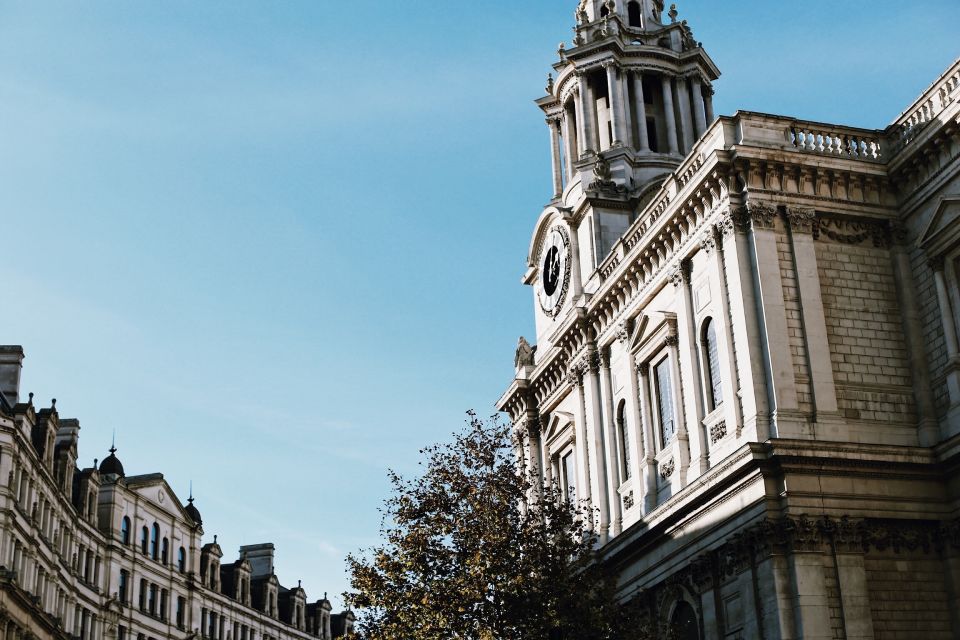
When the tour reaches the Monument to the Great Fire of London, it’s not just a dramatic stop. It’s a turning point in the timeline you’re building as you walk.
You’ll get a photo stop and guided tour around the Monument, with sightseeing time built in. The guide explains the Great Fire of London and why the Monument was dedicated to it, which does two helpful things for you:
1) It gives the Fire a clear place in the geography.
2) It helps you understand how London’s future planning became a response to catastrophe.
This is also where you start feeling the route logic for the day. The tour connects the Monument area to your movement toward the river, so you’re not wandering. You’re building a plan while still getting guided story coverage.
Strolling the Thames: How You Plan Your River Day
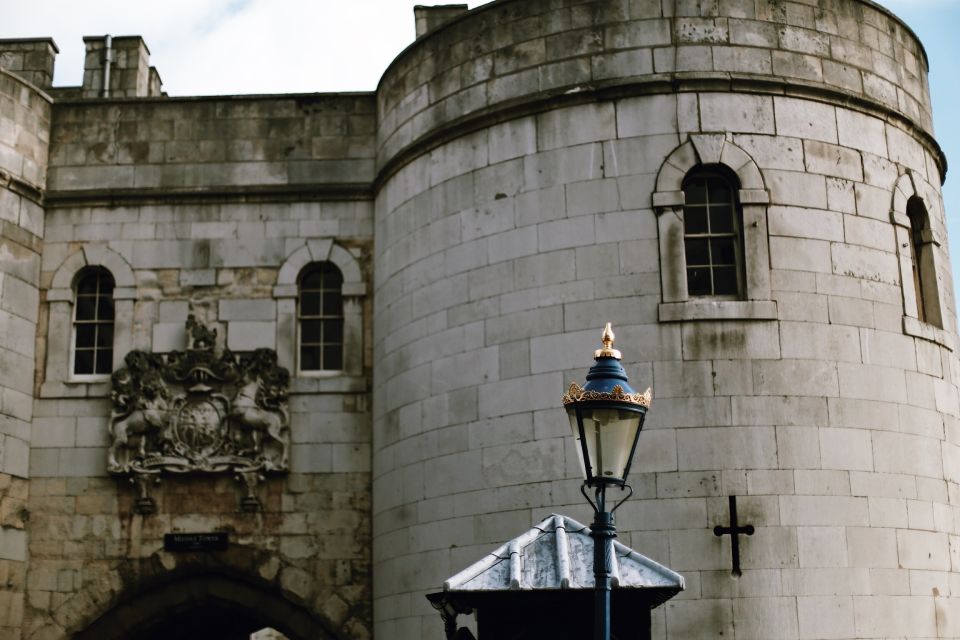
The tour includes a Thames river stroll, with guidance on how to plan your route out of the City. That’s practical, and it’s one of the smarter “value” parts of the tour because it translates sightseeing into next steps.
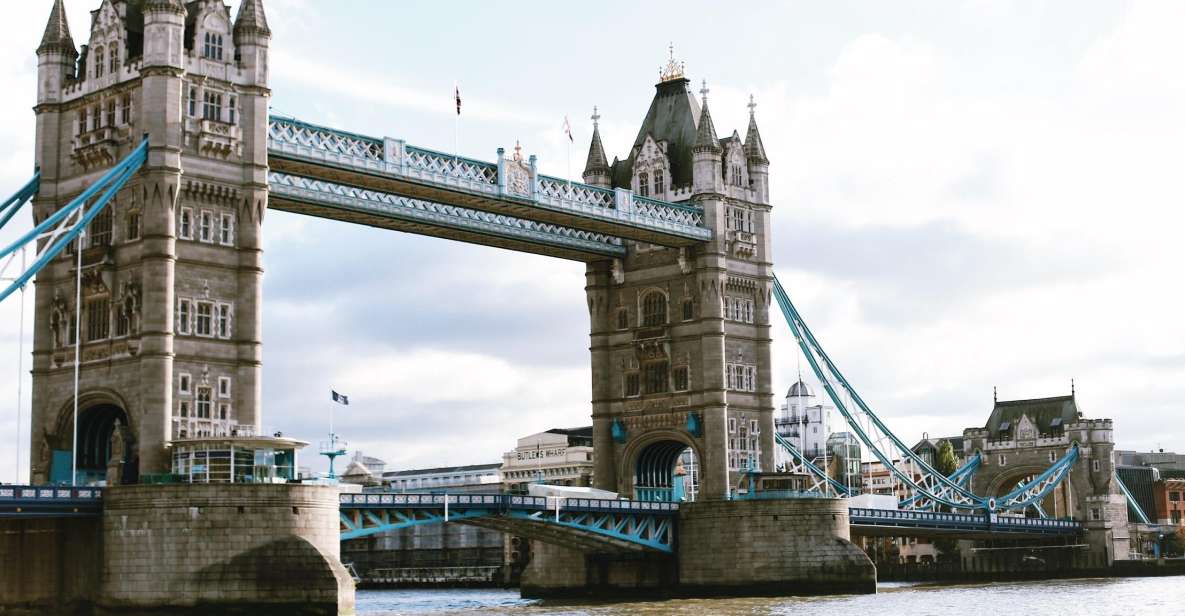
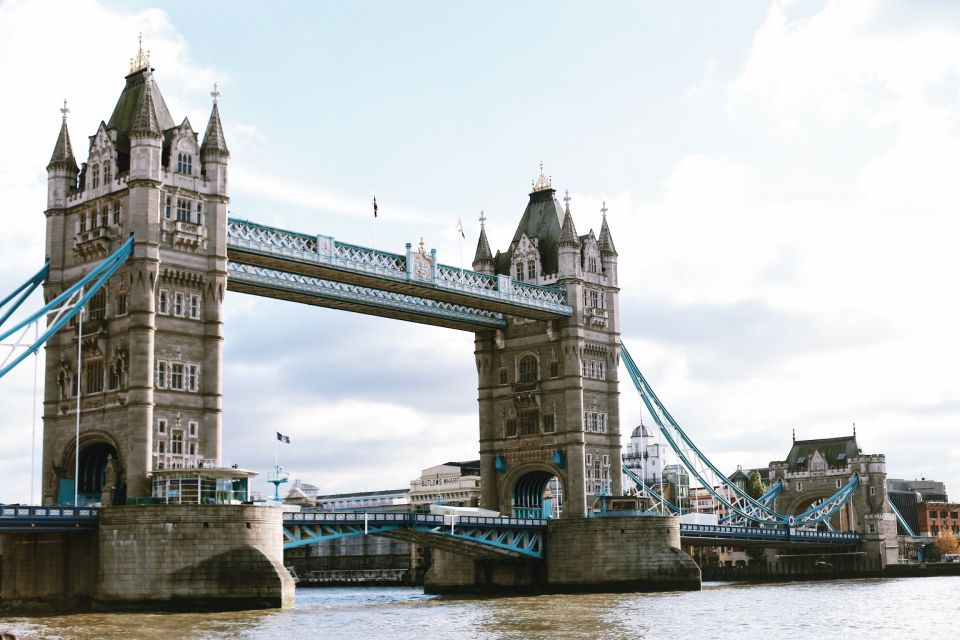
You’ll also learn about Tower Bridge and how it fits into London’s story, then get a comparison with the more recent Millennium Bridge. This is an underrated part of the experience: it’s not only about seeing old things. It’s about seeing how the city keeps reinventing itself along the same waterline.
The comparison helps you spot the contrast between different eras and design goals. Tower Bridge is built to read as icon and engineering. Millennium Bridge is newer and changes the way the river feels to pedestrians and views from the banks.
If you’re the type who likes to keep a walking list for later, take notes on what the guide says here. It’ll help you pick your next stop after the tour finishes.
Tower Bridge to Tower of London: Big Icons, Tight Time
Tower Bridge is on the route with another photo stop and guided sightseeing segment. After that, you’ll pass through additional photo and guided segments along the way—short stops that keep your momentum while still guiding your attention.
Then you reach the Tower of London, where you’ll have a photo stop plus guided orientation and sightseeing time. The Tower is one of those places where just being nearby already changes your awareness. The guide helps you focus on what to look for so the site feels less like a wall of facts and more like a place with specific roles through time.
One practical note: the tour timing is designed for high-impact orientation rather than full deep-dive museum hours. Also, because the tour notes security constraints can limit inside access at many attractions, it’s smart to think of the Tower of London stop as “get your bearings and understand what you’re seeing,” not “complete everything inside.”
Price and Value: Is $61 Worth 2.5 Hours of London?
At $61 per person for around 2 to 2.5 hours, the value depends on how you like to travel.
Here’s what you get for the money:
- A professional local guide
- A tight route that ties together Roman, medieval, and modern landmarks
- Small group sizing (up to 8), which improves the overall experience
- Multiple major stops you’d otherwise need to connect yourself
What you don’t get:
- No food or beverages included
- No hotel pickup or drop-off
- Limited inside access at some attractions due to security rules
So is it worth it? I’d say yes if you want to see a lot of London without doing the heavy planning upfront. You’re paying for direction, pacing, and the connections between landmarks. If you already know the storylines and prefer to wander totally free, you might feel you could DIY it. But if you want London to click fast, a guided route like this is a strong value.
The Guide Experience: Story Angles That Stick
The tour guide style is a big part of why this works. One guide is highlighted for being very knowledgeable and for sharing stories from different angles, which is exactly how to keep historic places from feeling flat.
I love when a guide doesn’t just explain what something is, but why it matters in the wider City conversation. This tour does that by using each stop to reinforce the same theme: London evolved on the same ground, over and over.
English live guides keep it easy to follow, and small group size helps you ask questions that pop up in real time. That’s when the tour becomes more than a list of sights.
What to Bring for a Smooth 2.5 Hours in the Old City
This is an outdoors-heavy walking tour that operates in all weather conditions, so show up ready. The tour guidance is straightforward, and I agree with it:
- Comfortable shoes (you’ll walk)
- A bottle of water
- Umbrella in case of rain
- Hat during summer
- A valid photo ID (passport or ID card)
Also note the luggage rule: no large bags or suitcases. If you’re traveling with a big load, you’ll want to make arrangements before the tour.
One more small but important detail: you may not be able to visit certain attractions from the inside because of security measures. Don’t build your schedule around inside access. Build it around the viewpoints and the guided context you’ll receive.
Accessibility and Who This Tour Fits Best
This tour involves a moderate amount of walking. It’s listed as not suitable for wheelchair users, but there are wheelchair-friendly tours available upon request only. If you need that, ask in advance so you don’t arrive expecting a standard walking route.
In general, this is a good fit if you want:
- A fast, meaningful highlights tour
- A small group experience
- Clear storytelling connecting multiple eras
It may be less ideal if you can’t handle uneven sidewalks or sustained walking between stops.
Should You Book This Old City of London Walking Tour?
I think you should book it if you want London to make sense quickly. This tour ties together Roman London Wall context, Temple Church and Knights Templar stories, the Great Fire area, and major landmarks like St Paul’s, Tower Bridge, and the Tower of London in one efficient loop. At $61 for a guided route with a small group limit, it’s a practical way to get real context instead of just collecting photos.
Skip it (or at least reconsider) if you hate walking in the weather, need guaranteed inside access, or travel with large luggage that you can’t store elsewhere.
If you’re aiming for the classic Old City highlights with enough depth to remember them later, this is a solid pick.
FAQ
How long is the Old City of London guided walking tour?
The tour duration is about 2.5 hours.
What does it cost?
The price listed is $61 per person.
Where do I meet the guide?
The meeting point may vary depending on the option you booked, but the tour lists Temple Station as the starting option.
Is the tour in English?
Yes, the live tour guide language is English.
How big is the group?
The tour allows up to a maximum of 8 people per tour, and private group options are available.
Is there a lot of walking?
Yes, there is a moderate amount of walking involved.
Does the tour include food or drinks?
No. Food and beverages are not included.
Do I need photo ID?
Yes. You should bring a valid photo ID (passport or ID card).
Can I bring luggage or large bags?
No. No luggage or large bags are allowed during the tour.
Is the tour wheelchair-friendly?
This tour is listed as not suitable for wheelchair users, but wheelchair-friendly tours may be available upon request only.