REVIEW · LONDON
The Original London Street Art Tour
Book on Viator →Operated by Alternative London · Bookable on Viator
London’s street art gets a guided map. This 2-hour East End street art walk turns ordinary side streets into a living gallery, with plenty of photo stops and explanations you usually miss on your own. I especially like that the guide leads the route for you, so you can focus on what you’re seeing, not on navigating. I also like the insider angle from working artists and art teachers who explain style, meaning, and context as you go. The main drawback to plan for: it’s a small group (up to 18), and it moves briskly, so if you hate walking in a crowd or you show up late, the experience can feel a bit tight.
You’ll start on Brushfield Street in Spitalfields and end near Hessel Street, with three main stops that keep things focused. Expect a moderate walking pace, weather-ready operation, and a lot of standing close to walls to look closely (and take photos).
In This Review
- Key Things I’d Prioritize on This Tour
- Why East London Street Art Makes More Sense With a Guide
- Price and Timing: What You’re Paying For (and Why It’s Fair)
- Getting There: Brushfield Street Start to Hessel Street Finish
- Stop 1: Old Spitalfields Market and Brushfield Street’s Warm-Up
- Stop 2: Brick Lane Side Streets and the Stories Behind the Walls
- Stop 3: Shoreditch High Street Station Area (Stop F) and Street Art Culture
- What Makes the Guide-Led Format So Much Better Than Wandering
- Group Size, Pace, and Weather: The Real-Life Stuff That Matters
- Who This Tour Suits Best (and Who Might Skip It)
- Tips to Get More Out of Every Stop
- Should You Book This London Street Art Tour?
Key Things I’d Prioritize on This Tour
- A guide-led route so you don’t lose time hunting for the good walls
- Local street-artist perspective with artist names, styles, and street-art techniques
- Frequent photo opportunities built into the walk (no parking hunt, no rushing)
- East London focus on the Brick Lane and Shoreditch story behind the artwork
- Small group limit (max 18) which helps you hear details without total chaos
Why East London Street Art Makes More Sense With a Guide
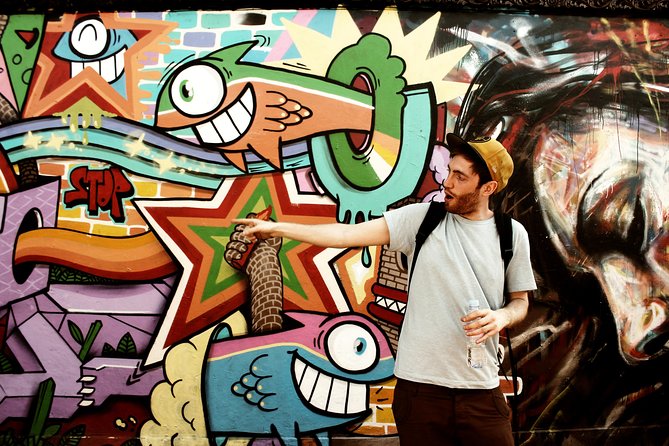
Street art in London can feel random until someone gives you the context. On this walk, you’re not just pointing a camera at walls. You’re learning how the medium works: tagging, slap and paste methods, how artists build visual language, and why certain pieces land harder than others.
What makes the tour special is how much it leans on lived-in local knowledge. Guides on past departures have included artists and educators such as Eva, Gabby, Laura, Josh, and Natalie, and the through-line is the same: they connect what you see to the neighborhood’s history and the culture of the medium. That turns a quick photo stop into a real conversation with the street.
You can also read our reviews of more tours and experiences in London



Price and Timing: What You’re Paying For (and Why It’s Fair)
This tour costs $27.73 per person for about two hours. For London, that’s a pretty solid value when you consider what’s included: a professional guide and multiple stops across one tight area, without extra admission costs at the main points.
You’re also paying for time saved. The guide handles the walking plan, so you don’t waste your morning zigzagging around East London trying to find the best walls. Plus, the tour is structured for short bursts—walk, pause, look, and photo—rather than one long slog where your attention starts to drift.
In terms of scheduling, it’s popular enough that it’s often booked well ahead (around 25 days in advance on average). If you’re aiming for a specific day, plan early so you’re not stuck with leftovers.
Getting There: Brushfield Street Start to Hessel Street Finish
The meeting point is at I GoatBrushfield St, London E1 6AA. The tour ends at 19 Hessel St, London E1 2LR. The route is designed so you move on foot between stops in East London rather than hopping around by transit.
Two practical things matter here:
- Arrive on time. A late start can throw you off because routes shift to catch the best current street art.
- Use the map link and get your bearings early. If you’ve never been to this part of London, it’s worth taking a minute at the start area to orient yourself.
The tour also uses a mobile ticket, which is convenient when your day is already full of trains, museums, and snack runs.
Stop 1: Old Spitalfields Market and Brushfield Street’s Warm-Up
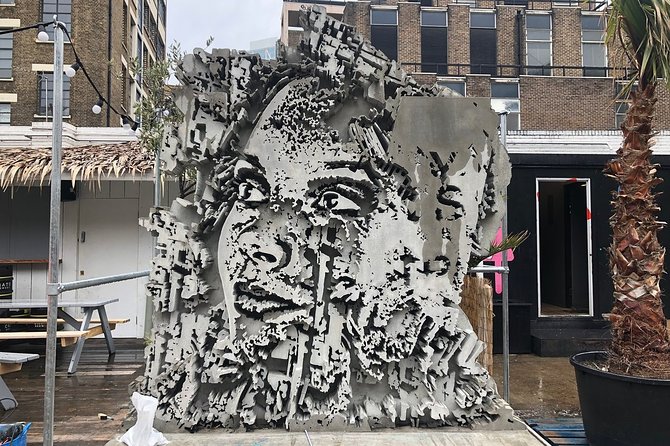
You kick off with a walk down Brushfield Street, then head toward Old Spitalfields Market. This first stretch is your “reset” stop—an easy way to get into the look and language of street art before you hit the heavier hitters.
This is where you start learning how to see. Instead of sprinting to the next photo-worthy wall, you’re guided to notice details like:
- how tags and pieces relate to the area
- what different styles are trying to communicate
- how the placement of art changes what you feel when you see it
Stop 1 runs about 20 minutes, and admission there is free. The benefit of starting this way is mental, not just logistical. You leave the first stop with a better eye, so Brick Lane doesn’t feel like a blur later.
One small consideration: because it’s a starter stop, you might feel like you’re still warming up. If you’re the type who wants the biggest wall immediately, you may find your excitement ramps up more after this.
Stop 2: Brick Lane Side Streets and the Stories Behind the Walls
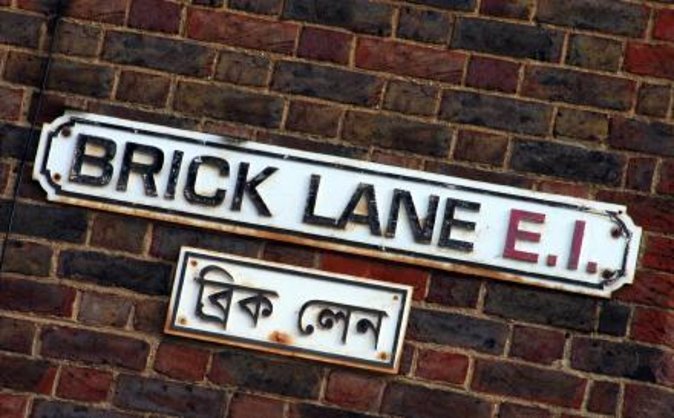
Brick Lane is the center of gravity here. You’ll spend about 30 minutes in this zone, and the walk is set up to take you along Brick Lane and nearby streets where you’ll find both well-known works and more discreet pieces.
This is also the stop where you’ll get the kind of explanation that changes how you interpret street art:
- guides often talk about nuances between artists’ styles
- you’ll hear about techniques such as tagging and slap and paste
- you’ll get neighborhood context, including the complicated history around the area
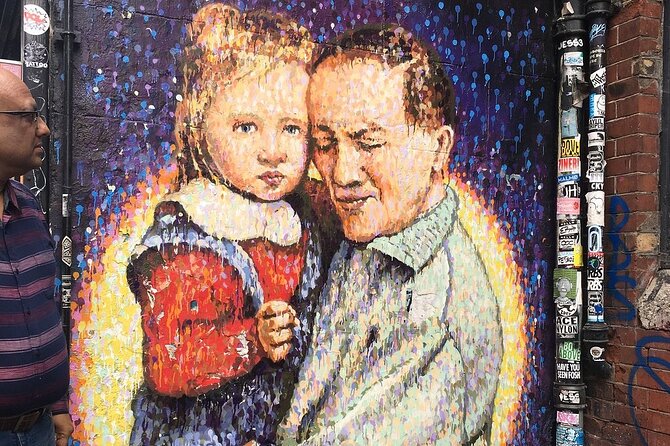
A common theme from past tours is that the guide doesn’t treat graffiti as just random marks. They connect it to messages and sometimes to politics or anti-establishment feeling. People also mention learning how a piece can be easy to miss because of how it’s camouflaged into the street scene.
Drawback to keep in mind: if you’re only looking for the most famous art, you might wish you saw even more top-tier pieces in the Brick Lane portion. One review specifically noted they felt they missed some of the best works there. That doesn’t mean the tour isn’t good—it’s more a reminder that street art changes, and parts of the best wall map can depend on what’s up that day.





Stop 3: Shoreditch High Street Station Area (Stop F) and Street Art Culture
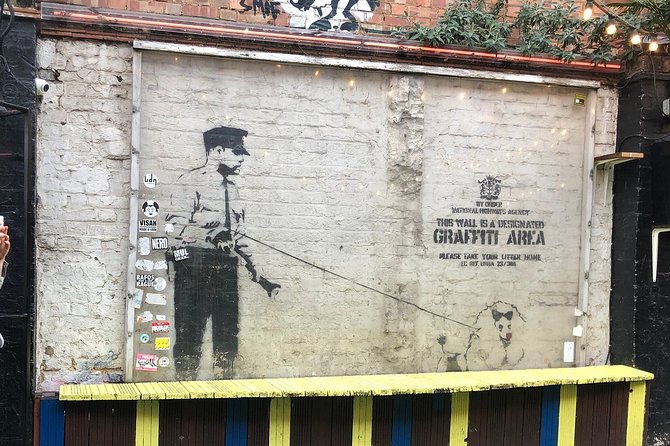
Your final main stop is near Shoreditch High Street Station (Stop F), with about 20 minutes here. This portion is less about a single wall and more about how the medium lives in the neighborhood over time.
Expect more stories and perspective. Guides tend to point out additional artwork, and they often bring in cultural history—how street art fits into community identity and how the scene evolved. Some groups also highlight that the tour spends more time on graffiti and street-side work rather than commissioned, gallery-style pieces.
This last stop can feel like the “aha” moment. By the time you reach it, you’ve learned enough to see patterns: repetition, icon styles, layering, and the way artists build recognizable signatures across different walls.
Another practical note: because this is a walking tour with multiple stops, the last section is best approached with camera ready and a little patience for curb-to-wall viewing. If you rush, you’ll miss the small cues that make the stories click.
What Makes the Guide-Led Format So Much Better Than Wandering
If you’ve ever tried to DIY street art hunting in London, you know the problem: you spot something great, then you realize you have no idea what you’re looking at. The tour fixes that by pairing the art with commentary in real time.
A few things I think you’ll feel quickly once you’re on the walk:
- The guide keeps you moving to the next photo-worthy and story-worthy location without you having to map it out.
- Explanations are built for walking. You don’t get stuck in long lectures. You hear what matters at the exact moment you see the piece.
- You learn vocabulary for what you’re seeing—tagging, slap and paste, and how different artists approach the same street canvas.
And because different guides have different personal styles, you may notice an additional layer depending on who leads your departure. Past guides like Eva, Josh, Natalie, Laura, and Gabby have been praised for humor, warmth, and strong storytelling. The common goal is the same: help you understand the art without killing the fun.
Group Size, Pace, and Weather: The Real-Life Stuff That Matters
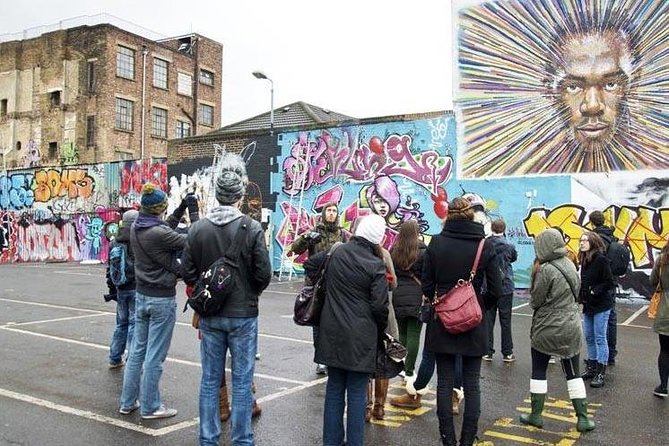
This is capped at maximum 18 travelers. That’s a sweet spot: big enough to meet people, small enough that you can still hear the guide and get your questions answered. One caveat from past experiences: some people felt the group was a tad too large for their preference. If you love quiet, solo-style wandering, you might still find a tour group slightly distracting.
The tour is about two hours and requires moderate physical fitness. It’s not billed as hard hiking, but you will be walking and stopping frequently. Wear shoes you can stand and pivot in, because you’ll likely linger near walls to take photos and look closely.
It operates in all weather conditions, so dress appropriately. London weather is a personality, not a prediction. Bring a light layer and something that works if it starts raining during your street-art viewing.
Who This Tour Suits Best (and Who Might Skip It)
This walk is ideal if you:
- want to see East London without treating it like a checklist
- enjoy understanding the meaning behind street art, not just taking photos
- like neighborhood history tied to real walls and real messages
- travel with kids or teens who can handle a couple hours on foot (children must be accompanied by an adult)
It may be less ideal if you:
- hate walking with a group and would rather wander solo at your own speed
- only want the most famous pieces with no context needed
- are very sensitive to route changes. The tour can adjust to focus on the best new art, so you’re not locked into one static photo list.
Tips to Get More Out of Every Stop
Here are the small moves that make a big difference on a street walk like this:
- Keep your camera accessible. The tour uses frequent stops for photos, and you don’t want to fumble with pockets or bags.
- Look down as well as up. Tag placement and subtle details can sit where you won’t notice unless you slow down.
- Go in curious. Some pieces will click fast; others need the guide’s context. That’s where the tour pays off.
- Ask questions when the guide pauses. If you’re interested in styles, artists, or techniques like slap and paste, this is when you’ll get the clearest answers.
Should You Book This London Street Art Tour?
If you want an East London street-art experience that’s more than photos, this is a strong yes. The high rating (4.9) and near-universal recommendation rate (99%) make sense when you look at what the tour does well: it’s guided, story-driven, and designed for seeing street art in context.
I’d book it if your idea of a great trip includes turning neighborhoods into something you understand, even a little—especially around Brick Lane and Shoreditch. The value is in the guide-led format, the thoughtful stop structure, and the chance to learn how the street art scene actually thinks and works.
Skip it or choose another option if you want long, quiet viewing time, or if group pace will drive you nuts. Also, plan to arrive right on time so you don’t miss the start of the walk.
If you’re on the fence, here’s the simple rule: if you like street art with meaning, book. If you only want passive wandering, save your money and explore on your own.