REVIEW · LONDON
London: Kensington and Chelsea Guided Walking Tour
Book on GetYourGuide →Operated by Shimeji Creatives Ltd. · Bookable on GetYourGuide
London changes fast, and this walk helps. In just two hours you’ll move from South Kensington’s museum district to Royal Albert Hall, then across to Chelsea’s calmer lanes and private-squares feel. It’s a smart way to get oriented in neighborhoods that are visually impressive, but also surprisingly human in the details.
I especially like the way the route connects the Victoria & Albert Museum to the story of the Great Exhibition legacy. I also like the slow moment in Kensington Gardens, where the Albert Memorial and the exterior of Kensington Palace give you a break from traffic noise while still keeping the tour moving.
One possible drawback: the guide style can vary, and the balance between architecture and people-centered storytelling might not match everyone’s expectations. If you want lots of deep backstory about specific figures, you should be ready to ask questions as you walk.
In This Review
- Key things to know before you go
- South Kensington: the “Albertopolis” gateway you actually feel
- The Victoria and Albert Museum stop: more than a pretty facade
- Royal Albert Hall, Albert Memorial, and Kensington Gardens: where the pace slows
- Knightsbridge: from museums to luxury, without losing the story
- Chelsea mews streets and private garden squares: the London you can almost hear
- The end at Sloane Square and the King’s Road gateway
- Price, timing, and whether it’s a good value at $26
- Making the most of it: small prep that pays off
- Should you book this Kensington, Chelsea, and Knightsbridge walk?
- FAQ
- FAQ
- How long is the London: Kensington and Chelsea Guided Walking Tour?
- Where do I meet the guide?
- Where does the tour end?
- What’s included in the price?
- Are museum or other attraction entrance fees included?
- What should I bring?
- Is the tour wheelchair accessible?
- What languages are available for the guide?
- Is there a minimum number of participants?
Key things to know before you go
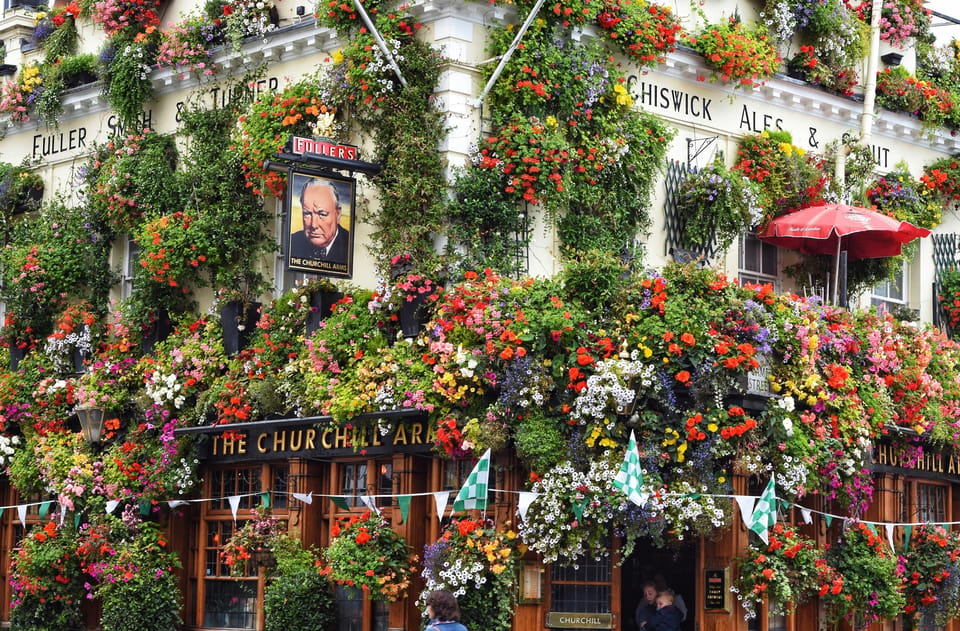
- South Kensington start point: Meet at the South Kensington Station arcade on Thurloe Street, by Viandas, where your guide will hold a sign.
- Great Exhibition connection: The tour frames the museum district through the lens of Prince Albert’s 1851 legacy and public learning.
- Photo-friendly park stops: Kensington Gardens breaks up the walk with classic monuments like the Albert Memorial and views toward Kensington Palace.
- Knightsbridge contrast: You’ll trade museum grandeur for red-brick institutions, embassies, and the famously British shopping energy around Harrods.
- Chelsea mews atmosphere: The route aims for quiet streets—mews lanes, Georgian/Victorian townhouses, and private garden squares.
- Relaxed, step-free pace: It’s built for families and wheelchair access, with time for photos and an unhurried stroll.
South Kensington: the “Albertopolis” gateway you actually feel
The tour begins where the neighborhood idea first takes shape: right outside South Kensington Station in the arcade, on Thurloe Street near Viandas. That matters more than it sounds. South Kensington can feel like a blur if you’re just wandering between museums, but starting here gives you a clean entry point and a sense of direction fast.
What I like about the opening is the framing. You’re not only looking at grand buildings—you’re learning why they cluster here. The tour ties the area to a Victorian vision that focused on education, art, and science, inspired by the success of the Great Exhibition of 1851. That context changes how you see everything that comes next. A museum stops being a standalone stop and becomes part of a bigger civic plan.
If you’re traveling with kids, this kind of explanation is practical. It gives them something to hold onto while the grown-ups enjoy the buildings. One review specifically praised a guide named Simona for staying engaged with two small children, keeping the visit lively instead of turning it into a lecture that only adults can enjoy.
You can also read our reviews of more walking tours in London



The Victoria and Albert Museum stop: more than a pretty facade
The core museum moment centers on the Victoria & Albert Museum, and the tour uses it to explain the Great Exhibition legacy in plain terms. This is a useful angle because many visitors treat the museum as a place to browse galleries. Here, you’re seeing it as an outcome of a political and cultural push: the idea that public learning deserves a prestigious home.
Even if you don’t step inside the museum (entrance fees aren’t included), you’ll still get value from the exterior-focused storytelling and the way the guide connects the museum district as a whole. You also get a sense of how nearby institutions fit together—this part of London was designed to inspire civic pride through knowledge.
Trade-off to consider: if you were hoping for a super detailed walkthrough of the museum’s collections, you might find the emphasis leans more toward architecture and district history than gallery-level specifics. That said, for a walking tour format, it’s a strong use of time.
Royal Albert Hall, Albert Memorial, and Kensington Gardens: where the pace slows
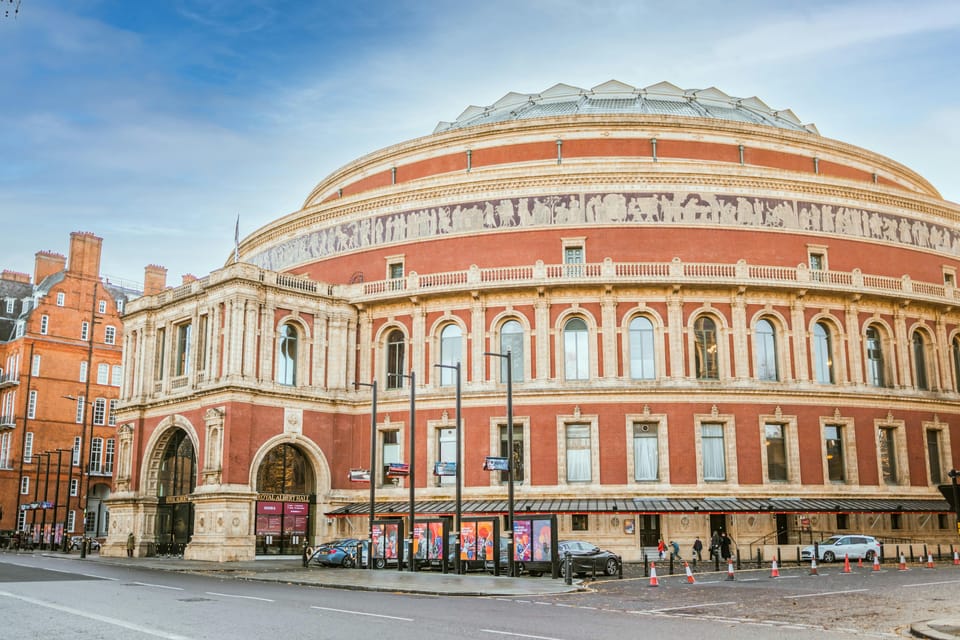
After the museum zone, the tour shifts into the classic postcard sequence: the Royal Albert Hall area, the Albert Memorial, and then Kensington Gardens. This part is worth it even if you’ve seen these landmarks in photos. In person, you feel the scale more clearly, and the garden walk makes the visit feel less rushed.
The Albert Memorial is the kind of sight that helps you understand London’s habit of mixing grand design with public space. And Kensington Gardens works as a reset button. You’re still in the middle of a major city, but the walking changes character—more room to breathe, more chances to stop for photos, and less of that constant street intensity.
The tour also points you toward Kensington Palace from the outside and includes the connection to Princess Diana’s former home. Even without going inside, that context adds emotional weight to what you’re seeing.
Practical note: this garden segment is where comfortable shoes really matter. You’ll want to take in the monuments and still keep your feet happy. Bring water too—there are breaks for photos, but it’s still a two-hour walk.
Knightsbridge: from museums to luxury, without losing the story
Then you cross into Knightsbridge, where the architecture and atmosphere change quickly. The tour highlights the red-brick mansions and embassies tone, and then leans into the shopping landmark energy around Harrods.
This is the part that gives you balance. If you only visited museums in London, you’d miss how the city also performs wealth, heritage, and global influence in one street grid. Knightsbridge isn’t just expensive stores. It’s also historic building lines and the feeling of a neighborhood that’s been shaping London’s image for a long time.
The best way to enjoy this section is to look up. The tour’s style encourages you to notice facades, not just shop windows. You’ll get a better payoff from your photos if you aim your camera at doors, cornices, and stonework, not only storefront signs.
Chelsea mews streets and private garden squares: the London you can almost hear
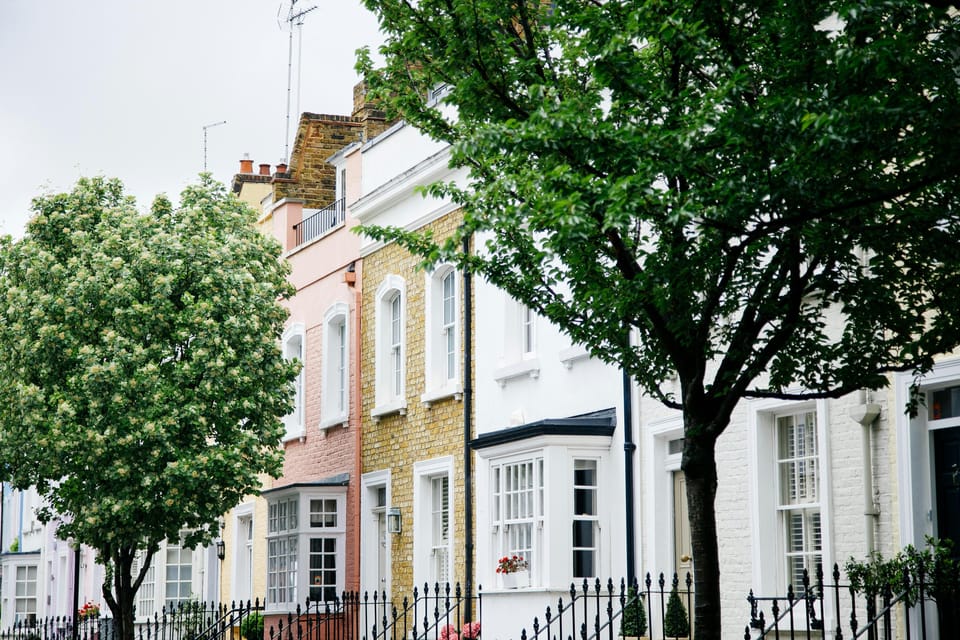
Chelsea is where this tour becomes more intimate. The route focuses on mews streets—originally stable lanes—and shows how they became sought-after residences. That shift, from practical back-of-house space to desirable homes, is exactly the kind of neighborhood evolution you can miss when you just take taxis or stick to the main roads.
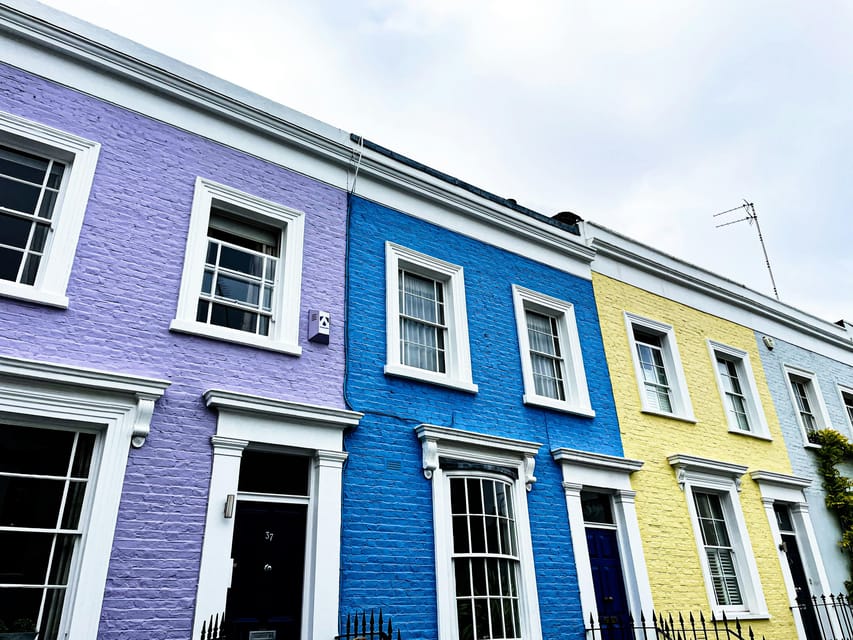
You’ll also spend time with Georgian and Victorian townhouses and pause outside private garden squares. Those squares are the sort of detail that makes you feel like you’re seeing London at a slightly secret angle. The tour frames them with stories and references like blue plaques, so the buildings feel less anonymous.
Chelsea also has a reputation as a home base for artists, writers, designers, and radicals, and the tour connects that creative draw to what you experience walking the lanes. You won’t see a museum label that explains everything here. Instead, you get the street-level feeling of why creative types keep wanting to be near this patch of the city.
A small warning based on mixed feedback: one review criticized the tour for having fewer stories about people than expected, with more emphasis on what the guide has seen or learned through personal connections. If you prefer deep biographies or lots of named individuals, consider arriving with questions ready—like asking about what particular blue plaque you’re standing near.
You can also read our reviews of more guided tours in London





The end at Sloane Square and the King’s Road gateway
The tour wraps at Sloane Square, which works as a smart landing point. It’s a gateway toward King’s Road, an area known for fashion and rebellion during the 1960s, and it still feels active today with independent boutiques, cafés, and galleries.
This finish is practical for your plans. After two hours, you don’t want to be stranded in a quiet spot with no next step. Ending near Sloane Square gives you options: continue on foot, grab a bite, or connect onward.
It also helps you connect the tour’s themes. You start with Victorian museum ambition, move through royal landmarks and park space, then see high-end Knightsbridge, and finally step into Chelsea’s quieter residential design language. The King’s Road association gives the walk a cultural aftertaste.
Price, timing, and whether it’s a good value at $26
At about $26 per person for a two-hour guided walk, this tour sits in the “short but meaningful” category. You’re not paying for museum entrances, and that’s important. The value is in the guidance: the framing of the neighborhood, the architecture-focused route, and the storytelling you get at each change of scene.
You should consider it best value if:
- You want a guided way to connect multiple neighborhoods in one outing.
- You enjoy architecture, monuments, and street-level details more than ticketed museum time.
- You’ll use the guide to help you spot what to notice (especially around garden squares, mews lanes, and the museum district framing).
You might pass if:
- You want long, inside-the-building museum time.
- You’re specifically hunting for heavy historical detail about many named individuals, rather than an overview with place-based stories.
Language options (English, German, Italian) also add value, because it supports comfort if you’re not fluent in English. And the tour being step-free with wheelchair accessibility is a real practical plus—London walking tours can be hit-or-miss, so it matters that this one is designed for mobility access.
Making the most of it: small prep that pays off
A few things will help you enjoy the walk more, fast:
- Wear comfortable shoes. This is a walking tour, and the garden segment makes foot comfort non-negotiable.
- Bring a camera. There are many exterior photo moments: Royal Albert Hall area, the Albert Memorial, Kensington Palace exterior views, and Chelsea’s mews streets.
- Bring water. It’s a simple ask, but it keeps the tour pleasant instead of draining.
- Ask questions if you want deeper people stories. The overall approach can lean architectural and place-based, so curiosity helps you steer the conversation.
If you’re a solo traveler, this tour can also work well because the route is short enough to feel manageable, and the guide will take photos for you using your phone. That’s a small thing, but it prevents the usual solo-photo frustration.
And for the practical edge: the tour generally needs a minimum of two participants. If you’re trying to book on a time when the minimum isn’t met, reach out—there may be options.
Should you book this Kensington, Chelsea, and Knightsbridge walk?
Book it if you want a well-structured sampler of London’s most stylish and design-forward neighborhoods, with a guide tying the museum district to the Great Exhibition legacy and finishing near Sloane Square so you can keep your day going.
Skip it (or adjust your expectations) if you primarily want museum interiors or you’re looking for long, detailed stories packed with many named historical figures. Feedback has been mixed on how much people-centered history shows up versus architecture and neighborhood observation.
My final take: for a two-hour outing, this tour is a strong way to see the city’s layers—from Victorian ambition to royal park space to Chelsea’s mews calm—without spending the whole day planning routes. If you come in ready to look up, ask questions, and take photos, you’ll get your money’s worth.
FAQ
FAQ
How long is the London: Kensington and Chelsea Guided Walking Tour?
It runs for 2 hours.
Where do I meet the guide?
Meet outside South Kensington Station on Thurloe Street, in front of Viandas. The guide will be holding a sign with the tour name.
Where does the tour end?
The tour finishes at Sloane Square.
What’s included in the price?
You get a walking tour with a live guide.
Are museum or other attraction entrance fees included?
No. Entrance fees are not included.
What should I bring?
Bring comfortable shoes, a camera, and water.
Is the tour wheelchair accessible?
Yes. The route is described as step-free and wheelchair accessible.
What languages are available for the guide?
The guide is available in English, German, and Italian.
Is there a minimum number of participants?
The tour generally requires a minimum of two participants. If you can’t book, you can contact the provider to check for available time slots.