REVIEW · LONDON
London: MOCO- Modern & Contemporary Art Museum Entry Ticket
Book on GetYourGuide →Operated by Moco Museum London · Bookable on GetYourGuide
Modern art, pop icons, and a serious wow factor. With one entry ticket you can wander for about 1.5 hours across Moco’s multi-level setup, using the included audio guide to connect street-art punch with museum-grade names.
I love how the museum groups big names like Warhol and Basquiat with readable context, so it feels easier to follow than most pop-up art days in London. I also like the way Robbie Williams’ Radical Honesty takes center stage without pretending it is just another celebrity photo wall. One possible drawback: if you plan to buy prints or memorabilia, the souvenir shop prices can feel steep.
In This Review
- Key Things to Know Before You Go
- A Modern Art Museum Built for Fast Connections
- Tickets, Time Window, and What That Means for Your Day
- How the Visit Flows Across the Floors
- Moco Masters: Warhol, Basquiat, Kusama, Haring, Hirst, Picasso
- Moco Contemporary Masters: From Tracey Emin to KAWS
- The Banksy Room: Iconic Works Plus Pest Control Authorization
- Robbie Williams Radical Honesty: Art Through a Music-Star Lens
- Digital Artworks on the Lower Ground Floor
- The Audio Guide and the Headphones Reality
- Planning Around What’s Not Allowed
- The Shop: Useful Souvenirs or a Budget Trap
- Who This Works Best For (And Who Might Want a Different Day)
- Should You Book Moco Museum Entry Tickets?
- FAQ
- How long does the Moco Museum visit take?
- What’s included with the entry ticket?
- Do I need to bring headphones for the audio guide?
- Is the museum wheelchair accessible?
- Are pets, oversize luggage, or food and drinks allowed inside?
- Where do I start the experience?
Key Things to Know Before You Go

- Three floors of originals spanning modern, contemporary, and digital formats, so your eyes stay busy.
- Audio guide included in multiple languages, but you must bring headphones.
- Banksy works are shown with Pest Control authorization, including several iconic pieces.
- Robbie Williams has a dedicated 2025 solo exhibition called Radical Honesty with new sculpture works in the UK.
- A lower-ground digital art space brings in multimedia artists plus one linked to Netflix’s Glass Onion.
- Good reading support: information plaques help you connect the art to culture and society.
A Modern Art Museum Built for Fast Connections

Moco Museum works because it meets you halfway. You are not expected to already know the art-world alphabet. Instead, the museum leans on clear wall texts and a free audio guide so you can understand what you are seeing while you are seeing it.
What makes it especially fun is the mix. You get high-recognition artists and pop-cultural names in the same visit—Banksy, Warhol, Haring, Picasso—plus the music-world detour with Robbie Williams. If your London day usually includes royal portraits and old stone, this is a sharp change of pace.
A ticket here is also practical. You get access to the exhibitions in one place, and the visit is designed for roughly 1.5 hours. That is long enough to look carefully, but not so long you need art-brain stamina all day.
You can also read our reviews of more tours and experiences in London


Tickets, Time Window, and What That Means for Your Day
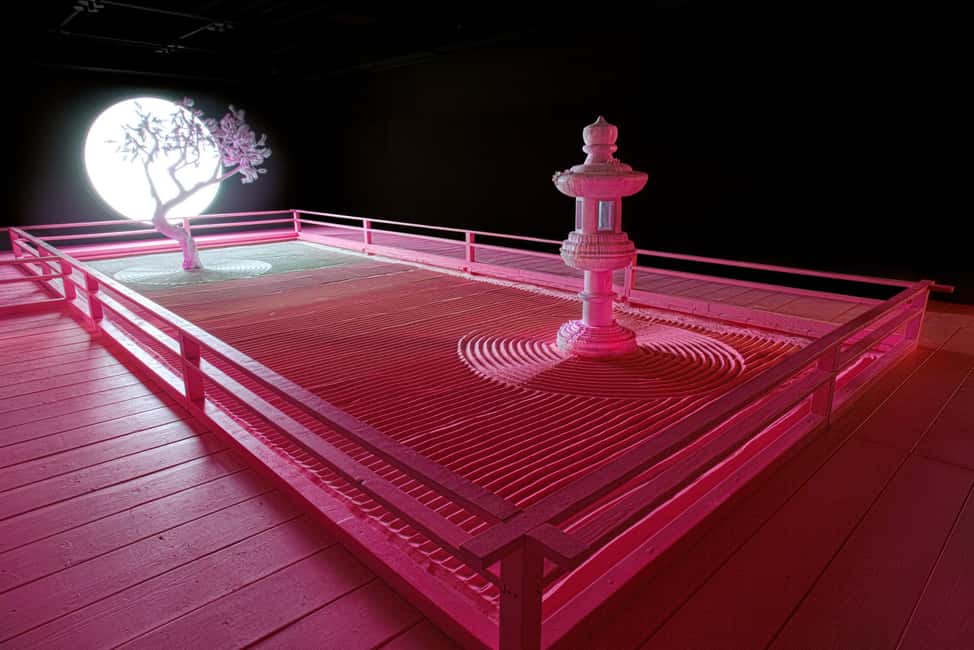
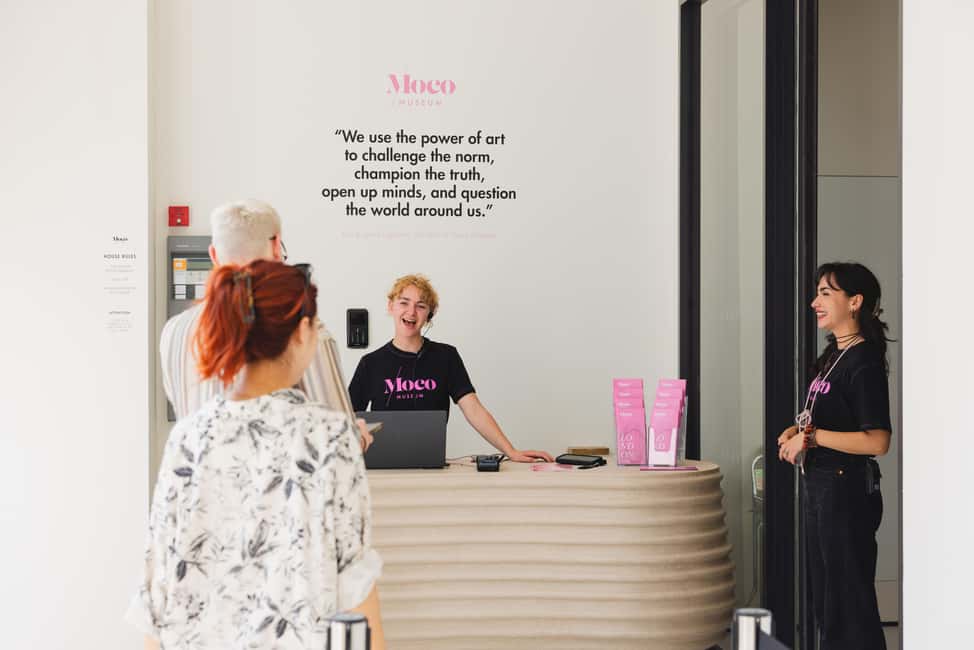
Your entry ticket is straightforward: you start at the ticket desk inside Moco Museum and the experience ends back where you started. You are free to explore at your own pace, but the museum is set up so you can cover the key rooms in around 1.5 hours.
One small planning detail that matters: you should check available starting times before you go. The museum does not just run on an open-ended clock, so matching your visit to a time slot helps you avoid rushing or waiting around.
Also, do yourself a favor with planning your essentials. The museum does not allow pets, oversize luggage, or food and drinks. If you are carrying a large bag, use the storage available on site (there is a place to leave a bag or jacket for free, which makes the visit feel easier).
Finally, you can book in a flexible way, with reserve-now options. If your schedule is still shifting around London logistics, that flexibility is genuinely useful.
How the Visit Flows Across the Floors
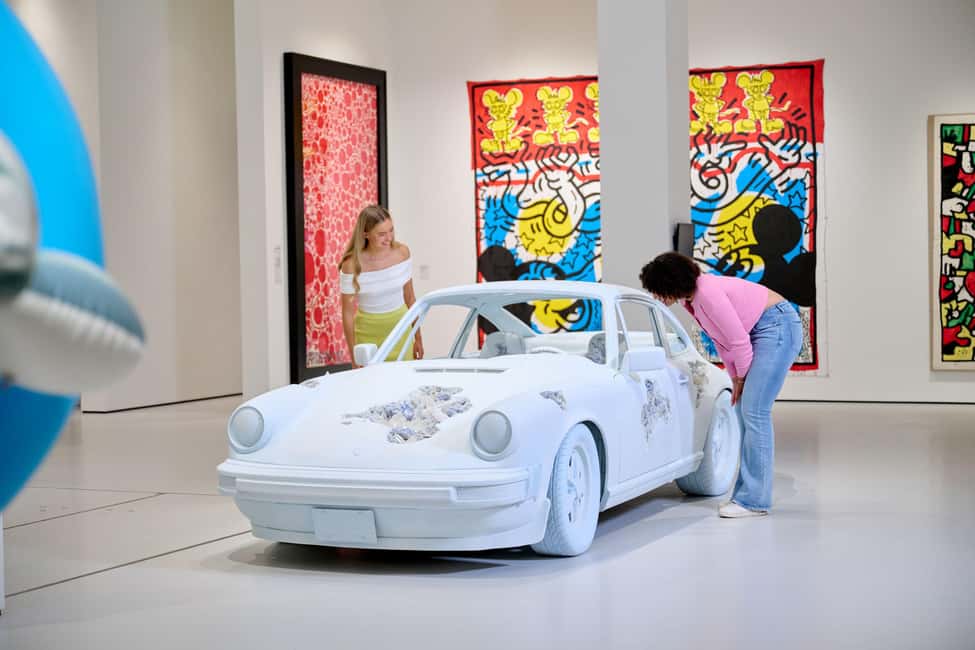
Moco is organized into distinct sections, so you are not wandering blindly from one random room to the next. The museum presents a main set of modern works under Moco Masters, then you move up to the first floor for Moco Contemporary Masters, and you also get a lower-ground area for digital artworks.
Here is a simple game plan that keeps you moving without skipping the best parts:
1) Start with Moco Masters so you get the strongest foundation of recognizable names.
2) Move up to the first floor for Moco Contemporary Masters and the street-art connection.
3) Finish with the digital artworks area below, then stop by the museum shop if you are shopping.
If you normally bounce between rooms faster than you read, slow down here. The plaques and audio guide are there for a reason. They turn a “cool” moment into a “wait, I get why this matters” moment.
Moco Masters: Warhol, Basquiat, Kusama, Haring, Hirst, Picasso
The Moco Masters level is where you’ll spot many of the big names people actually travel for. The museum brings together original works connected to major modern and contemporary movements, including Andy Warhol, Jean-Michel Basquiat, Yayoi Kusama, Keith Haring, Damien Hirst, Jeff Koons, Tom Wesselman, and Pablo Picasso.
What I like about this setup is that it reduces the intimidation factor. You are not required to understand every art movement in order to enjoy the pieces. With wall text and the audio guide, you can follow the thread of influence—how style, message, and culture collide inside one building.
This is also a good area if you are traveling with someone who is more skeptical about contemporary art. Even if they think they do not “get it,” the recognizable names help them stay engaged long enough for the context to land.
Moco Contemporary Masters: From Tracey Emin to KAWS
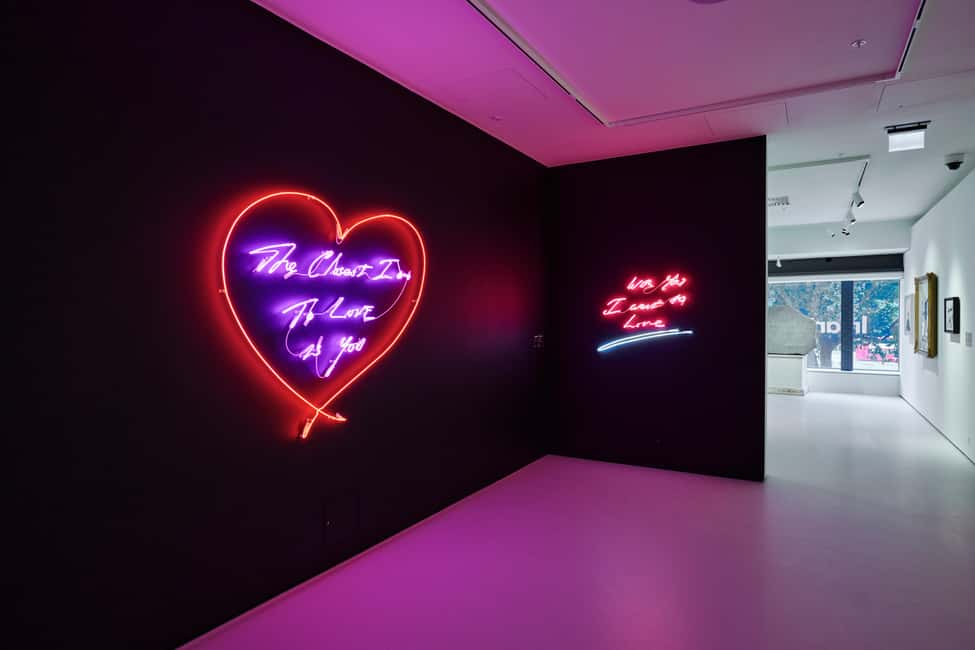
When you head to the first floor, the museum shifts from foundational modern icons to the more present-day conversation. Moco Contemporary Masters includes artists like Tracey Emin, and it also reaches into street-art territory through works by KAWS.
This part of the museum feels like the bridge between high-art recognition and the art that grew up in public view. You get pieces that are visually bold, but the real value is the way the museum frames them through stories and influence—how these works reflect (and sometimes challenge) culture and society.
If you like art that talks back to the world instead of just decorating it, this floor is a strong match. Take your time with the plaques here. They help you notice details you might otherwise miss when you are just trying to spot a famous name.
You can also read our reviews of more museum experiences in London






The Banksy Room: Iconic Works Plus Pest Control Authorization
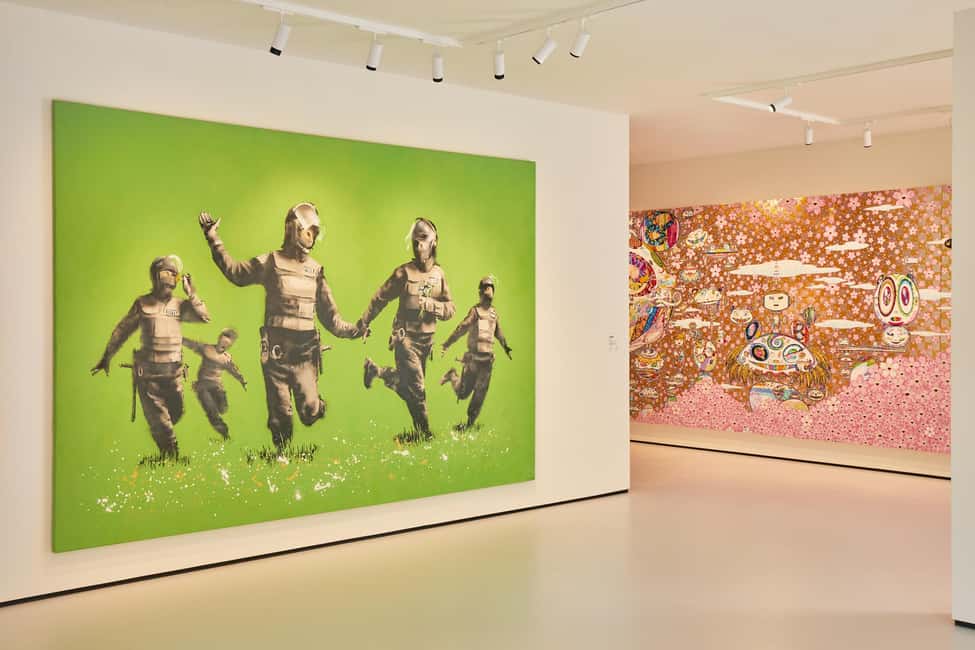
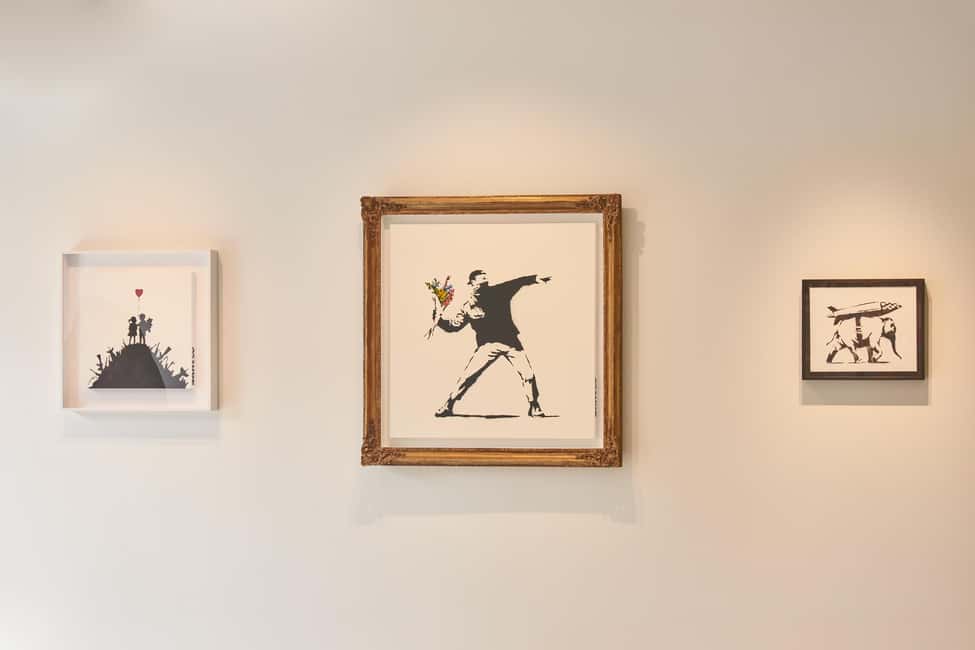
Moco London includes a Banksy homage with several recognizable pieces, including Girl with balloon, Love is in the air, and Battle at Beanfield. The museum also notes that these works are authorized by Pest Control, described as the only official entity that authorizes Banksy’s work.
That authorization detail is important because it changes the vibe of the experience. You are not just seeing street-art-adjacent imagery under museum lighting. You are seeing a specifically documented presentation of Banksy’s work, with the museum explicitly connecting it to official authorization.
What you should do here: look at the work once for impact, then read the surrounding context. Street art often hits fast, but its meaning can take longer. The audio guide and information plaques make it easier to move from visual punch to interpretation without needing to research after you leave.
Robbie Williams Radical Honesty: Art Through a Music-Star Lens
The standout temporary exhibition is Robbie Williams: Radical Honesty. This is presented as a brand-new, never-before-seen exhibition for 2025, marking the third chapter of his journey with the museum. It also debuts his latest sculpture works for the very first time in the UK.
Even if you are not a super-fan of pop music, this exhibition is worth your attention because it is framed around personal journey and mental health. That matters. It makes the artwork feel like more than celebrity branding.
One practical reason to prioritize it: it is a great “anchor” exhibit. When a museum visit feels like it is moving through too many names, an exhibition like this gives you a single narrative thread. You can spend time there and still leave with a clear sense of what you experienced.
Digital Artworks on the Lower Ground Floor
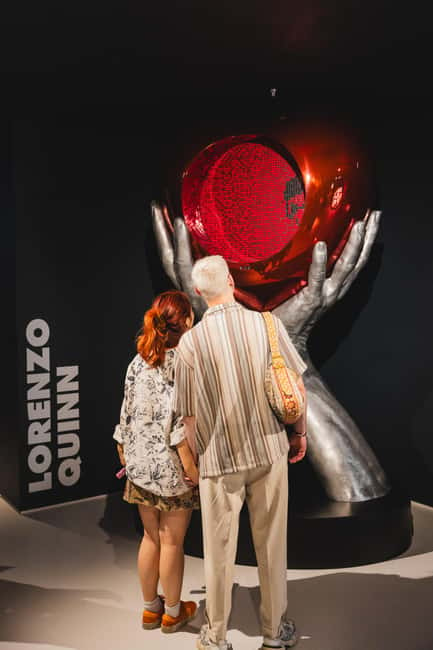
Downstairs, the museum shifts format again with Digital Artworks. You’ll find multimedia artists Pilar Zeta, Andrés Reisinger, and Six N. Five, plus the work of British sculptor Anthony James.
There’s also a fun pop-culture link: Anthony James’ work has recently appeared in Netflix hit Glass Onion starring Daniel Craig. Even if you have not seen the show, the connection helps make the digital space feel grounded in something you already recognize.
This floor is a good closer. You have already spent time with paintings, sculpture, and street-art-adjacent works upstairs. The digital space gives your eyes and your brain a different kind of experience, and it helps reset your attention so you do not leave overstimulated.
The Audio Guide and the Headphones Reality
Your ticket includes a free audio guide in English, Dutch, Spanish, German, French, and Italian. You will need to bring your own headphones, since headphones are not included.
This is a classic museum tip that actually changes how enjoyable the visit feels. If you love reading, the plaques are there. If you do not, the audio guide can do the heavy lifting while you look.
If you are visiting with someone, split responsibilities. One person can listen while the other scans plaques first, then swap. It keeps the pace from turning into a solo slog.
Planning Around What’s Not Allowed
A few rules make your visit smoother if you plan for them:
- No pets
- No oversize luggage
- No food and drinks
If you are coming straight from a long walk around London, plan a snack break before you arrive. If you want water, you will need to handle that outside the museum since food and drinks are not allowed inside.
On the positive side, there is a free spot to leave your bag or jacket. That turns the museum into something you can enjoy without feeling like you need to babysit your belongings.
The Shop: Useful Souvenirs or a Budget Trap
The Moco store sells memorabilia, prints, and limited editions. It is a nice way to leave with something tangible instead of just photos.
Just know there is a real caution here. The souvenir shop can be overpriced, so treat it like a bonus, not part of the cost of the day. If you see a print you love, decide on the spot—but if you are price-sensitive, set a small limit before you start browsing.
Who This Works Best For (And Who Might Want a Different Day)
This museum is ideal if you like modern and contemporary art, but you do not want the visit to feel academic or heavy. The mix of artists—from Warhol to Basquiat to Kusama—plus the street-art element and the Robbie Williams exhibition makes it easy to get hooked quickly.
It also works well if you want variety in a single afternoon. In about 1.5 hours, you can see multiple exhibition styles: gallery viewing upstairs and a digital format below.
If you strongly prefer quiet, classic museum pacing with only one kind of art, you might find the mix a little loud in terms of experience. But even then, the museum is designed so you can focus on the sections you care about most and skip what does not land for you.
Should You Book Moco Museum Entry Tickets?
I think you should book if you want a modern art visit that feels approachable, fast, and packed with recognizably important names. The value is strongest when you treat the audio guide and plaques as part of the experience, not an optional add-on.
You should also book if you are curious about the intersection of art and pop culture. Banksy with Pest Control authorization, plus Robbie Williams Radical Honesty, means you are not just learning about art-world history—you are seeing how art shows up in music, street language, and public imagination today.
Skip it only if you know you dislike contemporary art formats and you have no interest in the specific exhibitions on site. Otherwise, this is an easy, self-paced way to make your London day more interesting without turning it into a full-day commitment.
FAQ
How long does the Moco Museum visit take?
The entry ticket experience is designed for about 1.5 hours.
What’s included with the entry ticket?
You get museum entrance and access to all exhibitions, plus a free audio guide.
Do I need to bring headphones for the audio guide?
Yes. The audio guide is included, but headphones are not provided. Bring your own.
Is the museum wheelchair accessible?
Yes, the museum is wheelchair accessible.
Are pets, oversize luggage, or food and drinks allowed inside?
No. Pets, oversize luggage, and food and drinks are not allowed.
Where do I start the experience?
You start at the ticket desk inside Moco Museum, and the visit ends back at the meeting point.