REVIEW · LONDON
Unveil the Rosetta Stone, Parthenon at British Museum
Book on GetYourGuide →Operated by CENTURION · Bookable on GetYourGuide
The British Museum can feel like a maze, but this tour gives you a path through it. I especially love the way you start with the Great Court glass roof and then move straight to the Rosetta Stone, with clear stories that make these famous objects feel personal and readable. The pacing works well even if you only have a couple hours and want the headline exhibits without wandering.
One thing to consider: this is a walking tour and the museum is huge. It’s not suitable for wheelchair users, and you’ll need comfortable shoes and patience after security checks at the main entrance.
In This Review
- Key highlights to look for
- First stop: the Great Court ceiling and why it sets the mood
- Rosetta Stone: the 2-hour payoff that explains everything
- Parthenon sculptures and the Elgin Marbles debate—handled with balance
- Ancient Egypt galleries: mummies as a window into burial beliefs
- Sutton Hoo helmet: early England seen through craftsmanship
- Winged Bulls from Khorsabad: Assyrian power at the palace gate
- The pace and what you actually get for the money
- Who should book this and who might skip it
- Should you book Unveil the Rosetta Stone, Parthenon at British Museum?
- FAQ
- How long is the tour?
- Where do I meet the guide?
- What is included in the price?
- Is hotel pickup or food included?
- What language is the guide?
- Is this tour suitable for wheelchair users?
Key highlights to look for

- Great Court start: You get the ceiling view and Norman Foster’s glass roof before heading into the galleries.
- Rosetta Stone focus: You learn why this object unlocked Egyptian hieroglyphs.
- Parthenon sculptures context: You get a balanced take on the Elgin Marbles and repatriation debates.
- Ancient Egypt with mummies: You see burial practices and beliefs, not just the bodies.
- Sutton Hoo helmet: A rare early-medieval treasure linked to a 7th-century burial ship.
- Winged Bulls from Khorsabad: Massive Assyrian guardian statues tied to Sargon II’s palace entrance.
First stop: the Great Court ceiling and why it sets the mood
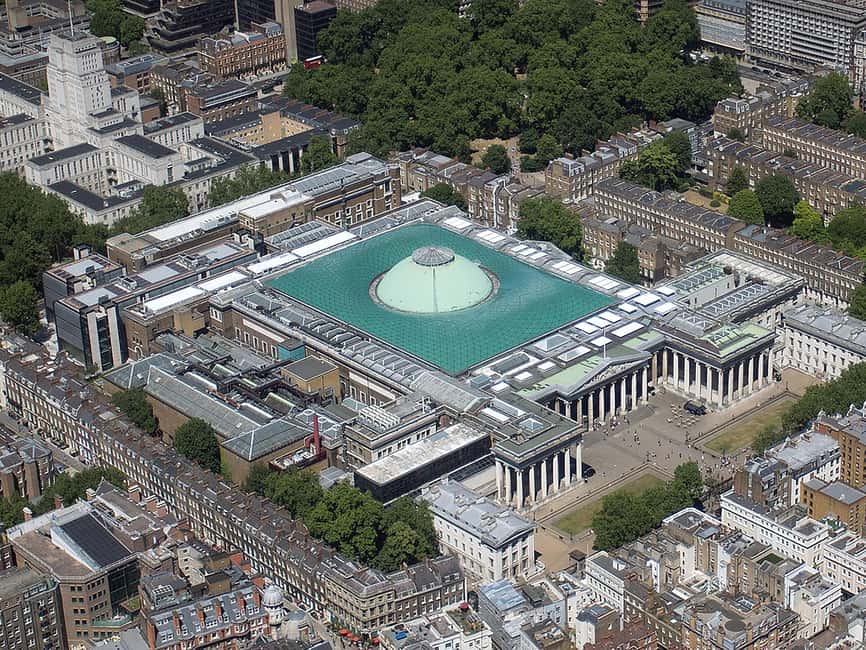
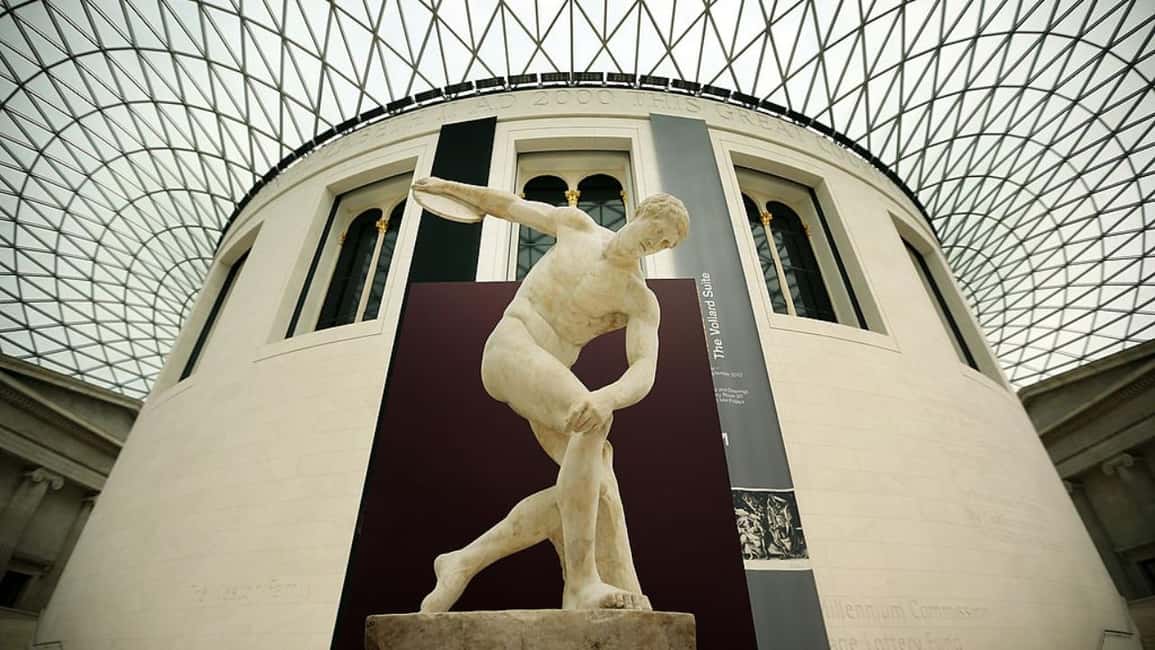
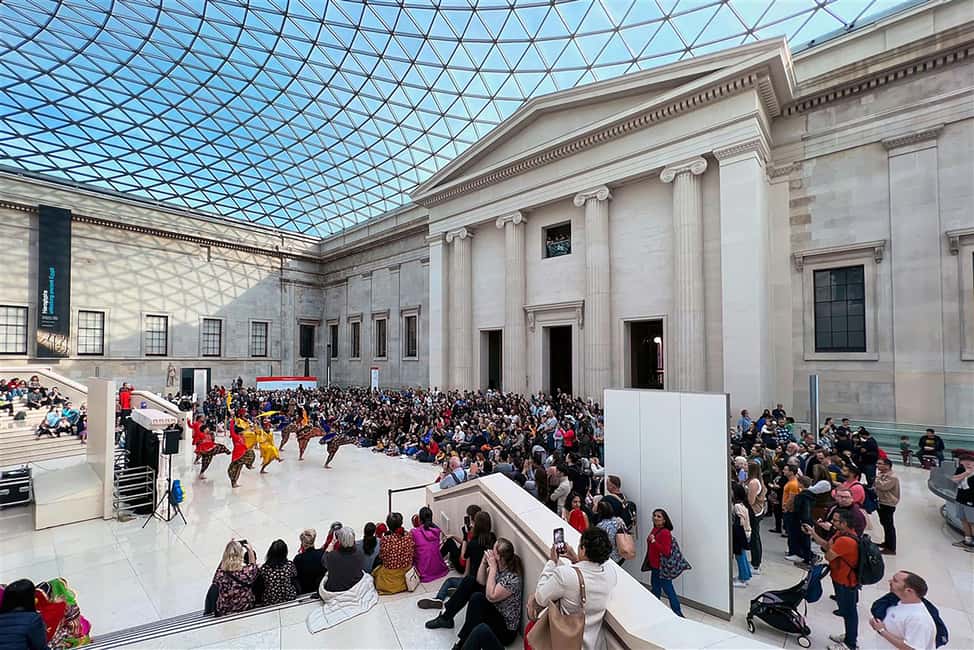
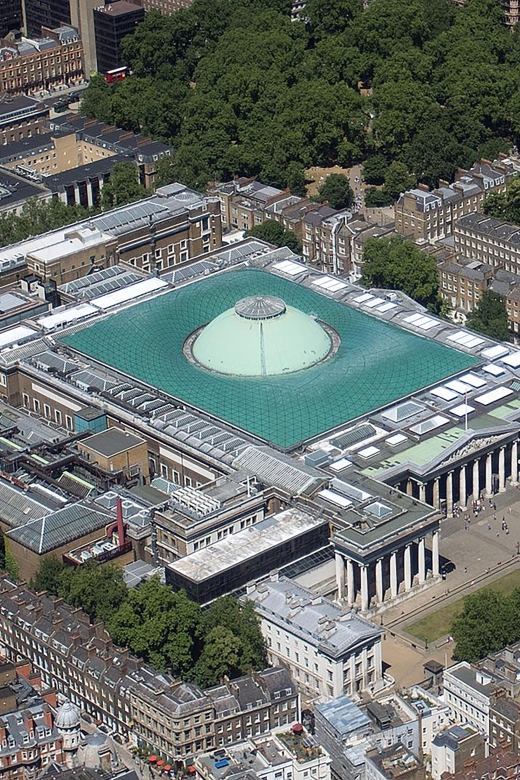
Most museum tours start inside a gallery and you immediately miss the big picture. Here, you begin with a dramatic breather: the view of the museum ceiling, then the Great Court. The glass roof by Norman Foster floods the space with light, and it helps you orient yourself fast.
I like that this early moment doesn’t waste your time. It’s a quick way to see the scale of the British Museum, so the collections you’re about to hear about make sense. You also get a calm start before the sprint into artifact-focused rooms.
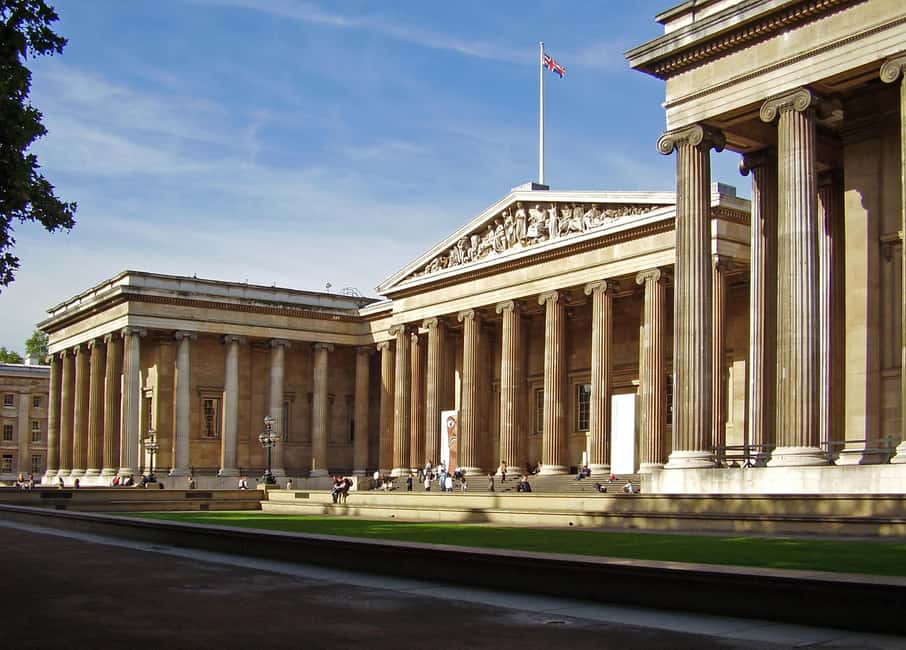
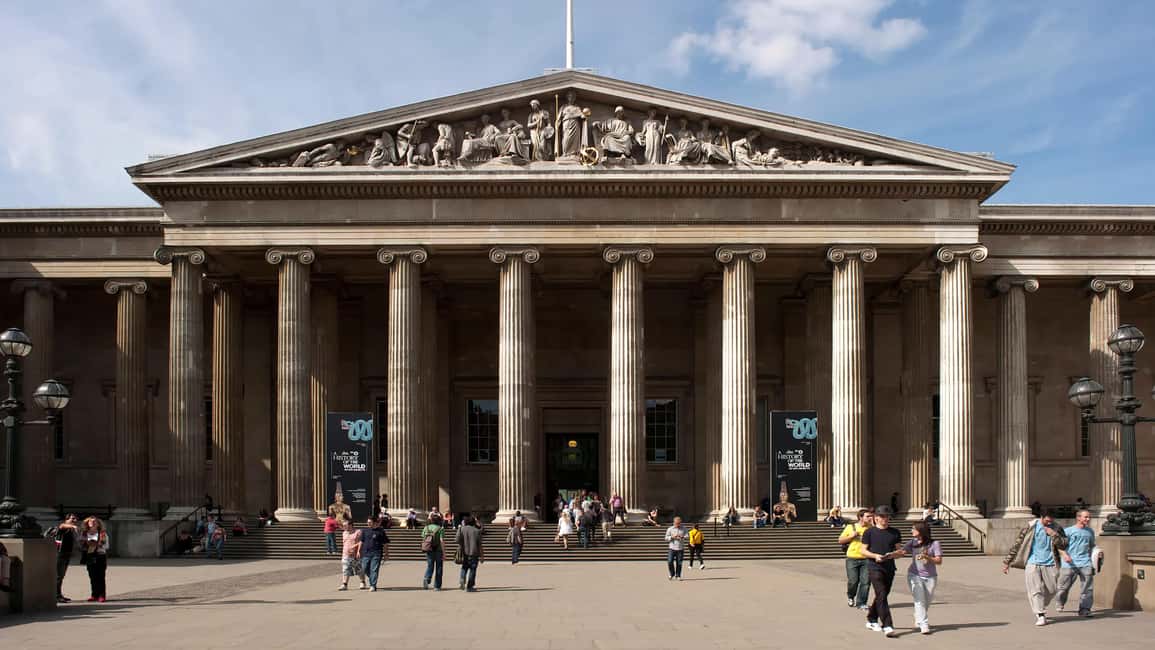
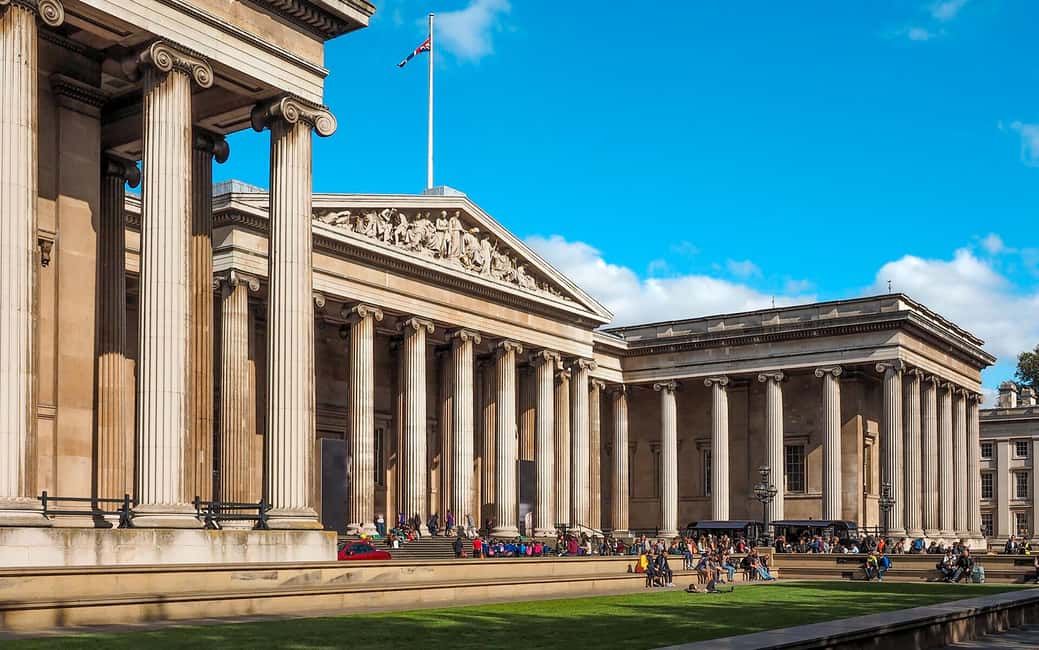
Expect to meet your guide at the main entrance steps after security checks. Arrive at least 15 minutes early so you’re not stress-scanning your ID card like it’s a last-minute boarding pass.
You can also read our reviews of more museum experiences in London



Rosetta Stone: the 2-hour payoff that explains everything

The Rosetta Stone is the reason most people point, stare, and then ask the same question: how can one object do so much? On this tour, it’s treated like the turning point it is—discovered in 1799 and central to deciphering Egyptian hieroglyphs. Your guide’s job is to give you the big idea in plain language, so you leave with a mental model, not just a caption.
What you’ll take away is the concept of a key. The stone matters because it helped unlock a long-lost writing system, and that unlock changes how we read Egyptian history. Even if hieroglyphs were intimidating before, you’ll likely feel your confidence rise once you understand what the stone helped people do.
The room itself can be busy, so the value of a guide is simple: you don’t just look at the object. You learn what to notice and why it matters in the wider story of Egyptology.
Parthenon sculptures and the Elgin Marbles debate—handled with balance
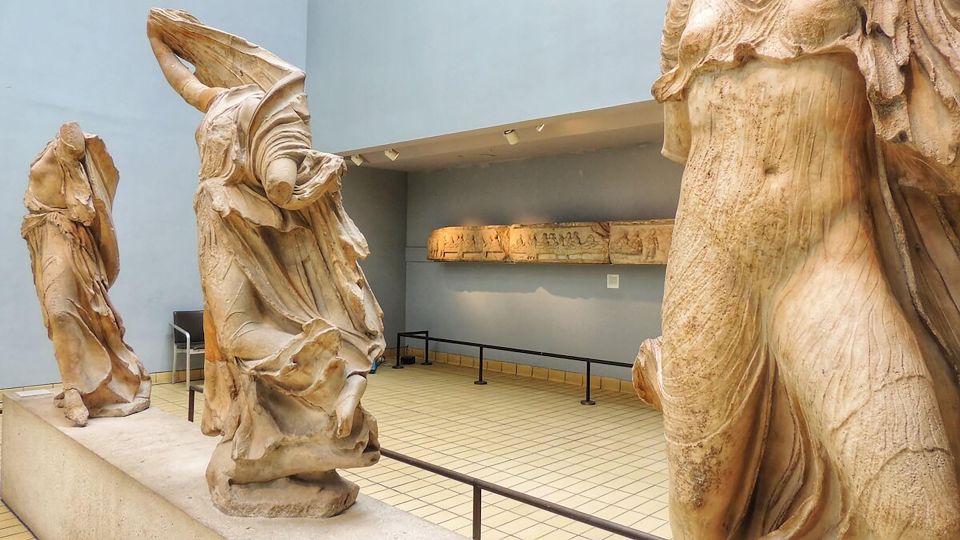
Next comes the controversial part: the Parthenon sculptures, often called the Elgin Marbles. These are famous marble carvings that were part of the Parthenon in Athens and ended up in Britain through Lord Elgin, a British ambassador connected to the Ottoman era.
Here’s what I think is most useful about including this stop on a short tour: you get the debate framed, not ignored. Your guide gives context on the repatriation question, so you understand why people argue about cultural heritage and ownership—not just that there is an argument.
A short warning: if you come in with strong opinions already, you may still find yourself listening closely, because the discussion is balanced. But if you want a tour that avoids politics entirely, this may feel like more conversation than you expected.
Either way, you walk away with a better sense of how museums function as places where history, law, and ethics collide.
Ancient Egypt galleries: mummies as a window into burial beliefs
Then the tour turns to Ancient Egypt, where the galleries can easily eat up an entire day on their own. In this format, you focus on the must-sees—especially the mummy-related displays—and you learn how Egyptians approached burial.
The key value here isn’t the shock value of mummies. It’s the interpretation: what burial practices meant, and what those choices suggested about beliefs. A guide helps you connect objects and customs into a story you can repeat afterward, instead of letting the collection blur together.
If you’ve seen Egypt things before, you’ll probably appreciate the structure. If you’re new to Egypt, this stop gives you a foundation quickly. Either way, you’ll likely leave with a clearer sense of how Egyptians planned for what came after death—and how artifacts preserve that thinking.
Sutton Hoo helmet: early England seen through craftsmanship
From Egypt, you shift time and geography again, which keeps the tour from feeling one-note. The included stop is Sutton Hoo, an Anglo-Saxon site tied to a 7th-century burial ship. One highlight is the Sutton Hoo helmet, famous for its craftsmanship and the way it signals skill, status, and power in early medieval England.
On a tour this short, the helmet is a smart choice. It’s visually arresting, but it’s also meaningful because it connects to a specific burial context rather than being treated as a standalone relic. Your guide’s job is to help you see the helmet as part of a larger cultural picture—what a ship burial implies, what the objects were doing there, and why this story matters.
If you’re the type who usually thinks of British history as only medieval kings and Victorian streets, this stop tends to recalibrate your view. Early England becomes less vague.
And if you’re traveling with kids, this is often where the tour clicks. A past highlight from the guide experience: when the guide is engaging and upbeat—like Joe—the story can keep even a son focused, not just adults who came for quiet looking.






Winged Bulls from Khorsabad: Assyrian power at the palace gate
The final big named highlight is the Winged Bulls from Khorsabad. These are colossal guardian statues that once stood at the entrance to the palace of Assyrian king Sargon II. Seeing them in person can be a lesson in scale. They’re not delicate carvings meant for a tabletop; they’re made to command space.
Your guide explains the stories behind their creation and significance, and that part matters. Otherwise, it’s easy to treat them like impressive decoration. With context, you understand them as royal guardians—symbols of authority and protection at a threshold.
This is also a good stop for people who like the “how they lived” side of history. It’s harder to imagine daily life from text alone, but royal imagery and architecture clues help fill in the gaps.
By the time you reach this part, you’ve already traveled across Egypt, Greece, and early England. That jump makes the Winged Bulls feel even more striking.
The pace and what you actually get for the money
At $70.35 per person for a 2-hour guided tour, you’re paying for something simple: an efficient route through the British Museum’s biggest hitters. This isn’t a full museum education. It’s a concentrated highlights tour that trades depth for clarity and momentum.
So is it good value? For most first-timers, yes—because the British Museum is so large that DIY can turn into aimless walking. A guide helps you hit the top artifacts and understand why each one matters, including the complicated parts like the Parthenon sculptures.
You should also know what’s not included. There’s no hotel pickup, and food and drinks aren’t part of the price. That means you’ll want to plan your own snack strategy around museum walls and walking breaks.
One more practical note: it’s not private. You’ll be part of a group, and the tour is on foot. If you hate waiting for the slowest person in the group, this could test your patience—but a good guide can keep things moving, and this one has been praised for that kind of energy.
If your chosen time doesn’t exist, you may be transferred to another slot on the same day. For last-minute bookings, you might be placed on the following day if there aren’t enough seats. It’s not a dealbreaker, but it’s worth planning with some flexibility.
Who should book this and who might skip it
This works best if you:
- Want a fast, guided overview of the British Museum’s headline objects
- Like your museum visits structured and explained, not just quietly browsing
- Enjoy seeing multiple civilizations in one sitting—Egypt, Greece, Assyria, and Anglo-Saxon England
- Bring kids and want an entertaining guide pace (Joe-style upbeat narration has made that possible in past groups)
You might skip it if you:
- Want wheelchair access (this one isn’t suitable for wheelchair users)
- Prefer to roam slowly and pick your own route
- Already know the museum well and want deeper specialization beyond the big stars
- Dislike walking tours and prefer short, minimal movement experiences
If you’re somewhere in the middle, I’d treat this as a great first pass. Then you can return later for the galleries you loved most.
Should you book Unveil the Rosetta Stone, Parthenon at British Museum?
If you have about two hours and want the museum’s biggest names with context, I think you’ll be glad you booked. This tour gives you a clear line through the chaos: start with the Great Court, hit the Rosetta Stone, face the Parthenon debate thoughtfully, then move through Ancient Egypt, Sutton Hoo, and the Assyrian Winged Bulls.
I’d book it if you want meaning attached to what you see, not just famous objects standing behind glass. It’s also a solid choice for families, as long as your group is comfortable with walking.
If you crave total freedom or mobility options, then plan a different approach. But for a focused highlights hit, this one makes a lot of sense.
FAQ
How long is the tour?
The tour lasts 2 hours.
Where do I meet the guide?
Meet your guide on the stairs at the main entrance after security checks.
What is included in the price?
The price includes the British Museum guided tour and online support at the time of boarding the tour.
Is hotel pickup or food included?
No. Pick up from hotel and food and drinks are not included.
What language is the guide?
The live tour guide speaks English.
Is this tour suitable for wheelchair users?
No. It is not suitable for wheelchair users.