REVIEW · LONDON
London: The Lost Tunnels of Euston Station Guided Tour
Book on GetYourGuide →Operated by London Transport Museum · Bookable on GetYourGuide
Euston’s disused tunnels feel like a secret side of the Tube, and that alone is worth the ticket. I love how the tour pairs eerie, dust-on-the-walls passageways with real signage history, including vintage posters hidden out of sight for decades, guided by friendly experts like Scott and Anthony who also make time for photos.
One thing to plan for: this is a lot of walking in low lighting, with stairs and uneven ground, and there are no toilets on the route.
In This Review
- Key things I’d circle before you go
- Where This Tour Fits In (And Why It’s Not Just Spooky)
- Starting at Euston Square: Find the Right Entrance Fast
- The First Walk: From Station Street Life to Disused Passageways
- A practical note on movement
- The Corner Origins: Melton and Drummond’s Early Euston Story
- Hidden Posters: The Advertising That Stayed Out of Sight for Over 50 Years
- Leslie Green and the Parts That May Not Last
- Euston’s Future With HS2: Why the Tunnels Matter Now
- The Secret Ventilation Shaft: Looking Down on Victoria Line Trains
- Price and Value: Is About $60 Worth It?
- Who Should Book This (And Who Might Want a Different Plan)
- What to Wear and Bring: Simple Rules That Make the Tour Better
- Should You Book the Lost Tunnels of Euston Station Tour?
- FAQ
- How long is the London Lost Tunnels of Euston Station guided tour?
- Where do I meet the guide?
- Is the tour guided and in English?
- What should I bring?
- Are food and drinks allowed?
- Are there toilets on the route?
- Is it suitable for children?
- Is it suitable if I have claustrophobia or mobility impairments?
Key things I’d circle before you go
- Meeting point at Euston Square: south exit on the corner of Gower Street and Gower Place, near the glass hospital-side entrance
- 75 minutes of underground contrast: from public station spaces to dark, dusty, off-limits corridors
- Hidden advertising history: remnants of posters concealed for more than 50 years
- Leslie Green station views: iconic architecture you can see before it’s gone
- HS2 context at Euston: how the station will change as the Midlands terminus
- A secret ventilation shaft: a look down on Victoria Line trains
Where This Tour Fits In (And Why It’s Not Just Spooky)
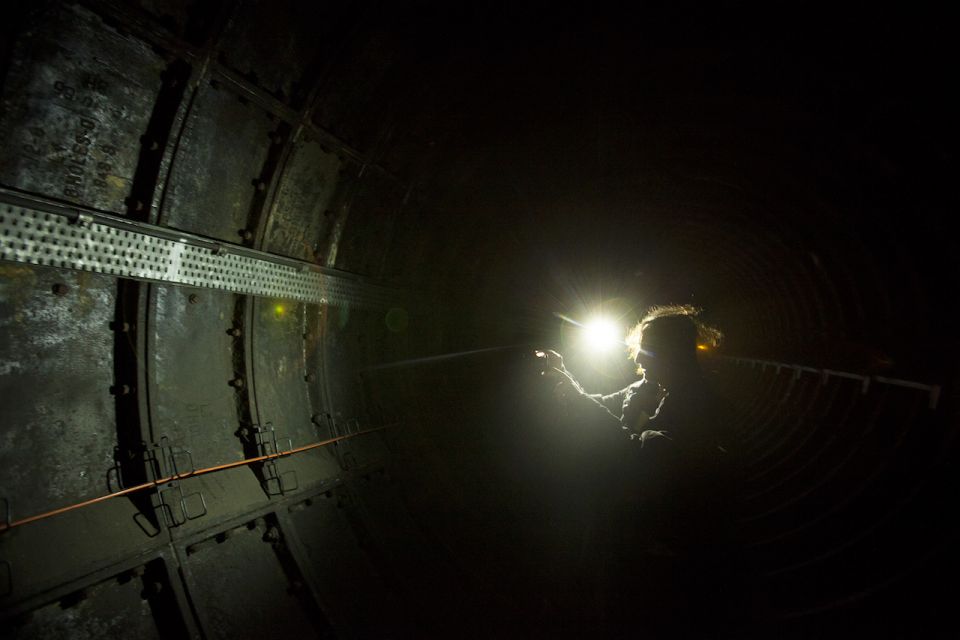
London is full of tourist highlights above ground. This one takes you under the city and asks you to look at the Tube as an infrastructure story, not just a way to get from A to B. You’ll walk through disused Euston Underground spaces that were once used by the traveling public, which makes it feel less like a museum and more like stepping into the station’s past life.
What makes it especially interesting is the mix of old and new. You’re not just chasing shadows; you also hear how Euston is set to change with High Speed 2 (HS2), connecting London with the Midlands. That future talk gives meaning to what you see in the tunnel, because you can understand why some parts are closing, repurposed, or disappearing.
The experience also hits that rare sweet spot where architecture and everyday travel history meet. You’ll catch glimpses of iconic station design elements, plus the leftover clues of long-forgotten advertising that stayed hidden for decades.
You can also read our reviews of more guided tours in London



Starting at Euston Square: Find the Right Entrance Fast
The tour meets at Euston Square station, south exit, NW1 2BF, on the corner of Gower Street and Gower Place. Look for the entrance with the glass façade on the hospital side of Euston Road. If you like apps, the meeting point is listed as what3words: baked.bend.worry.
Getting this part right matters because the tour is only 75 minutes from start to finish. You don’t want to spend that limited time trying to locate the right doorway or walking back and forth outside. If you’re arriving from another Tube line, give yourself extra buffer for the last few turns on foot.
This isn’t a “wander in whenever” experience. It runs like a guided walk with a defined route through sections that aren’t normally open to the public.
The First Walk: From Station Street Life to Disused Passageways
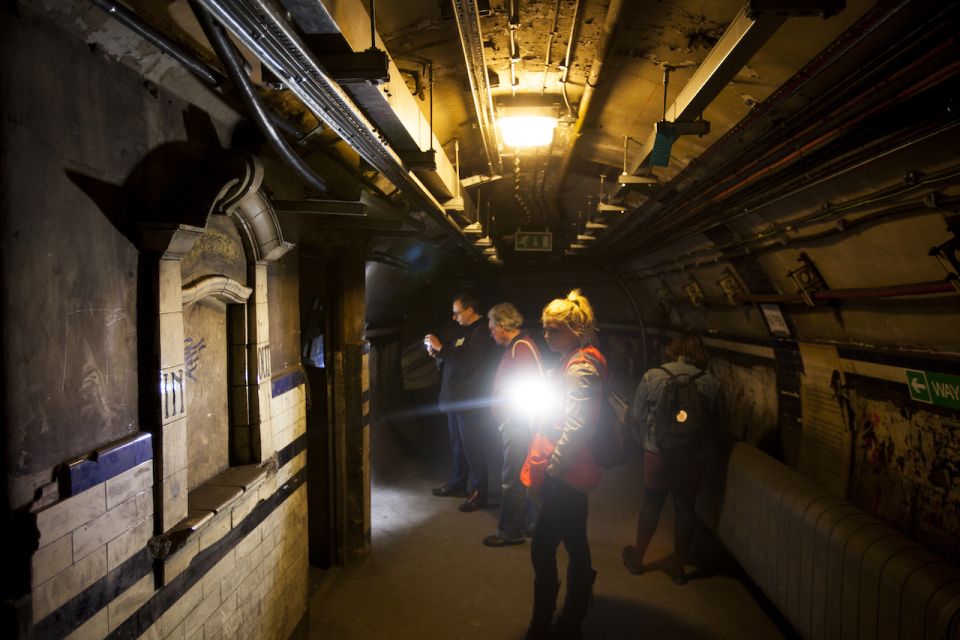
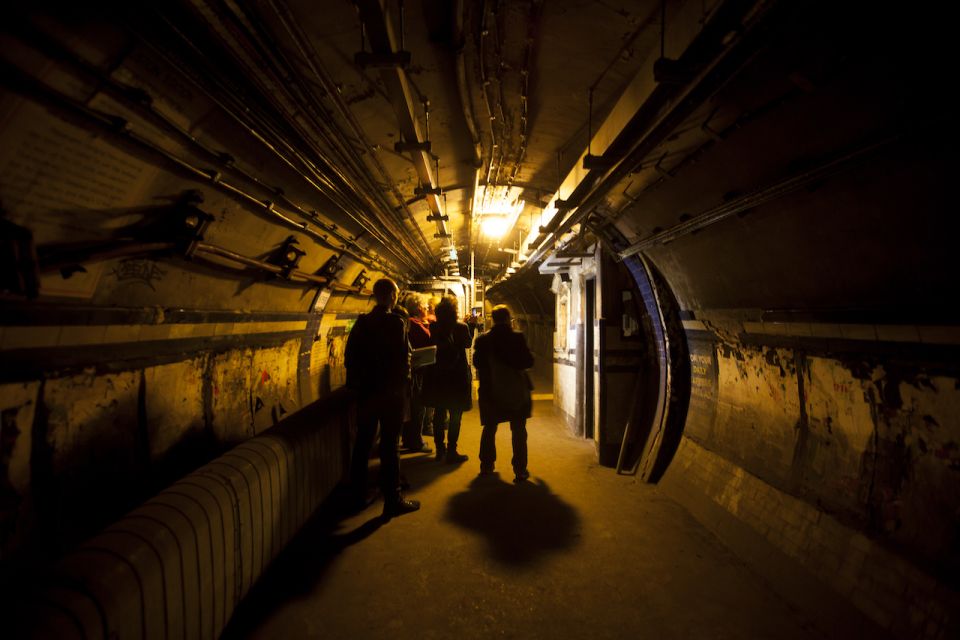
Once you start, the shift is immediate. You’ll move from regular station energy into corridors that are dark, dusty, and clearly not part of the day-to-day passenger flow. Expect to feel how Euston’s underground network is built: not just one tunnel, but a system of passageways and service spaces that once supported station operations.
A guide’s role here is huge. With experts like Scott and Anthony (who are known for being friendly and giving people time to take photos), the tour doesn’t move like a lecture. You get explanations that connect the physical space to why it exists and why it’s been shut off.
Also, go into it expecting you’ll stop more often than you would on a normal sightseeing walk. The best value comes when you’re given time to look closely—at signage remnants, structural details, and the way the passageways connect.
A practical note on movement
This tour involves a lot of walking, including uneven ground, low lighting, and stairs. That means it’s not the best match if you’re easily stressed by tight spaces or if your mobility is limited.
The Corner Origins: Melton and Drummond’s Early Euston Story
One of the coolest parts for me is the way the tour frames Euston Station as having humble beginnings. You hear about Euston’s early location on the corner of Melton and Drummond Streets. That sounds simple, but it changes how you view the modern station: it’s not just a building that happened to exist; it’s a piece of London that grew in place and then kept adapting.
This context matters because the tour is really about change over time. When you later see why certain tunnels were closed or reconfigured, you’ll understand the pattern: transport systems evolve, and older structures get repurposed or removed. You start seeing the station as a living organism with layers.
If you like city history that connects to what you can physically see today, this section works well.






Hidden Posters: The Advertising That Stayed Out of Sight for Over 50 Years
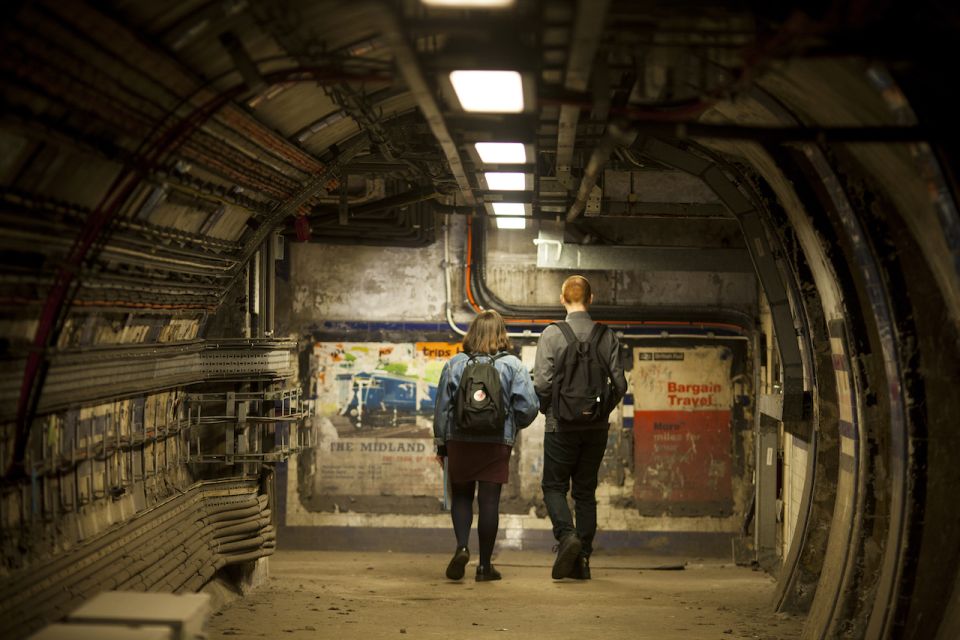
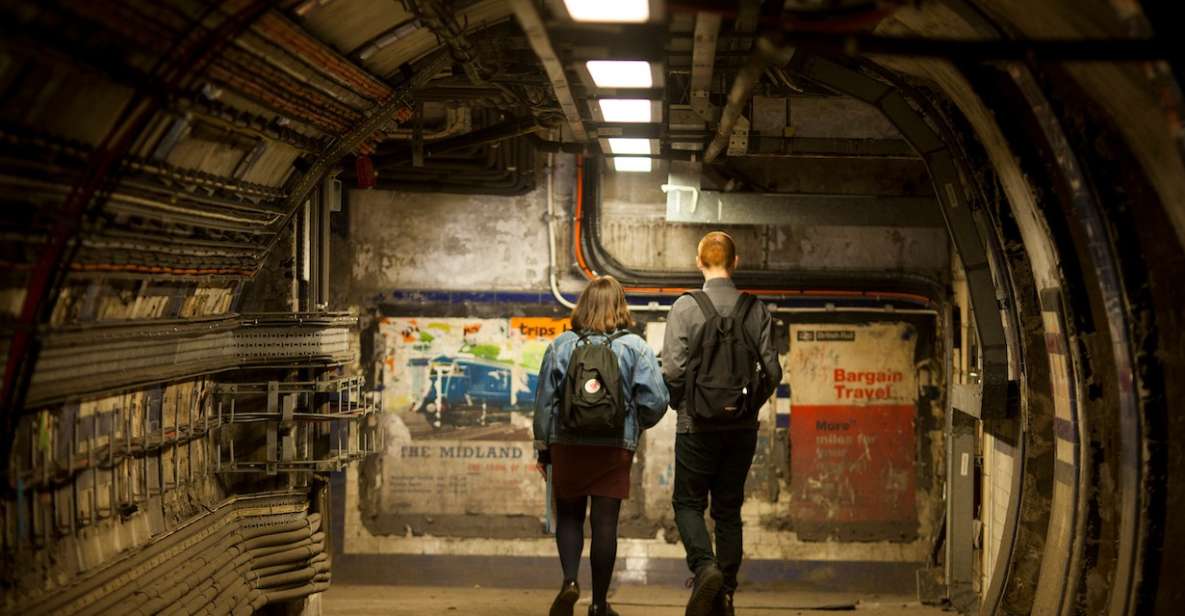
Some tours show you what’s left. This one also shows you what was intentionally hidden. You’ll see remnants of vintage posters that had been concealed for over 50 years. Standing where that advertising was kept out of public view makes the whole idea of station marketing feel oddly human—like someone in the past decided these messages would not be seen.
Why this is valuable: it’s a reminder that Tube stations weren’t just about trains. They were also a media space. And when you find traces of those past campaigns, you get a more complete picture of how the station functioned daily.
You’ll also notice how carefully things are described by the guide. This is where the expert narration makes a difference, because you’re not just looking at a random wall—you’re looking at evidence of how the station operated and what was prioritized.
Leslie Green and the Parts That May Not Last
Another standout is the chance to see Leslie Green station details and the surroundings before they’re swept away. Leslie Green is tied to a specific era of station design, and it’s the kind of name you’ve probably heard even if you don’t know where to look.
In practice, this stop helps you “read” the station. You start spotting the character of older architecture, then you see how the modern layout differs. That contrast is one of the reasons this tour isn’t just for train nerds. If you care about how cities change, you’ll feel it here.
A drawback to keep in mind: because some of what you’re seeing relates to future redevelopment, the story can feel bittersweet. If you’re the type who needs upbeat, sunny sightseeing the whole time, this part might hit a more reflective note.
Still, it’s one of the most direct ways to connect London’s current building boom with what came before.
Euston’s Future With HS2: Why the Tunnels Matter Now
The tour doesn’t treat HS2 like distant news. It explains how Euston is set to become the London terminus for High Speed 2, connecting onward to the Midlands. When you hear that while standing near disused spaces, the tunnel story stops feeling like trivia and starts feeling like planning.
Here’s what I think is the best takeaway: transport upgrades don’t happen on a clean slate. They happen on top of older systems. So the disused passageways you walk through become part of the reason you’re getting the future you want—through the tradeoffs, reroutes, and redesign.
The guide also helps you understand the scale of Euston’s role today. The station serves over 42 million passengers each year, and that kind of demand explains why parts get reworked, modernized, or retired.
The Secret Ventilation Shaft: Looking Down on Victoria Line Trains
One of the most memorable moments is the stop at a secret ventilation shaft, where you can look down and see Victoria Line trains. This is the tour’s “wow” element because it’s both technical and visual. You’re not just hearing about infrastructure—you’re getting a physical perspective on how the system moves below.
This moment is also a good example of what makes the experience feel special: it’s not random thrill-seeking. It’s a controlled look into the mechanics of the station, and the guide’s explanation helps you make sense of what you’re seeing.
If you like photography, this is also the kind of stop where waiting for the right moment matters. With guides like Scott and Anthony (noted for giving people plenty of time for pictures), you’re less likely to feel rushed.
Just remember lighting can be low, and you’ll likely be standing in awkward angles. Wear shoes you trust.
Price and Value: Is About $60 Worth It?
At $60.61 per person for 75 minutes, you should think of this as a premium guided access experience, not a cheap city walk. You’re paying for a couple of things that aren’t easy to replicate on your own: expert interpretation, entry to disused underground areas, and the built-in moments like the ventilation shaft view.
Is it good value? For me, it is when you care about one or more of these:
- how Tube stations evolved over time
- the human side of station design (posters, public-facing spaces, changing uses)
- how the station’s future (HS2) reshapes what you can see today
- having a guide help you notice details you’d otherwise miss
If your idea of a London tour is mostly open-air sights with lots of casual wandering, this may feel too constrained and too technical. But if you’re the type who enjoys infrastructure stories and architecture, it’s a strong use of time.
Who Should Book This (And Who Might Want a Different Plan)
This tour is a great fit if you want a different angle on London. I’d send you here if you like:
- train and station history
- architecture you can actually point to
- behind-the-scenes views that feel real, not staged
It’s not the best choice if you:
- have claustrophobia (not suitable)
- have mobility impairments (not suitable)
- want minimal stairs or a fully lit, flat walking route
- need on-site toilet access (there are no toilets)
It’s also not suitable for children under 10. For kids aged 10–15, there’s a cap of four children per adult. So if you’re traveling as a family, it’s worth thinking about the adult-to-kid ratio before you book.
What to Wear and Bring: Simple Rules That Make the Tour Better
You don’t need fancy gear, but you do need comfort. Bring passport or ID, wear comfortable shoes, and plan comfortable clothes suited to the weather.
Avoid open-toed shoes. This is one of those “underground + stairs + uneven ground” situations where you’ll be happier with closed, supportive footwear.
Also plan around the rules: no food or drinks, and no luggage or large bags. If you’re using a day bag, keep it small enough to move easily.
Finally, because lighting can be low, keep an eye on how you’ll see where you’re stepping. Good shoes matter more than you think.
Should You Book the Lost Tunnels of Euston Station Tour?
If you’re deciding between a generic Tube stop and something more unusual, I’d book this. The combination of disused tunnels, hidden poster remnants concealed for decades, Leslie Green design elements, and a Victoria Line view from a ventilation shaft makes it feel like a true “only in London” experience.
I’d skip it if you’re hoping for an easy stroll, a bright and roomy route, or a tour with toilet breaks. And if tight spaces and darkness are a problem for you, don’t force it.
But for the right traveler—someone who enjoys how cities work underneath the surface—this is one of the most memorable ways to spend 75 minutes in central London.
FAQ
How long is the London Lost Tunnels of Euston Station guided tour?
It lasts 75 minutes. Starting times vary, so check availability for the times listed.
Where do I meet the guide?
Meet at the south exit of Euston Square station (NW1 2BF), on the corner of Gower Street and Gower Place. The entrance is the glass façade on the hospital side of Euston Road (what3words: baked.bend.worry).
Is the tour guided and in English?
Yes, it includes a live guide and the tour is English.
What should I bring?
Bring passport or ID, wear comfortable shoes and clothes, and dress for the weather.
Are food and drinks allowed?
No. Food and drinks are not allowed on the tour.
Are there toilets on the route?
No. There are no toilets.
Is it suitable for children?
It’s not suitable for children under 10. For ages 10–15, there’s a maximum of four children per adult.
Is it suitable if I have claustrophobia or mobility impairments?
No. It’s not suitable for people with claustrophobia or people with mobility impairments.