REVIEW · LONDON
London: British Museum Guided Tour
Book on GetYourGuide →Operated by Z-Ocean Tours LLC · Bookable on GetYourGuide
Big museum, smart way in. A 2-hour British Museum guided tour is a quick route through centuries, with experts turning big artifacts into clear stories. I like that the group stays small (up to 10), so you actually have time to ask questions, not just shuffle forward. I also like the way the tour centers on the museum’s “origin stories,” especially the Mesopotamia trail that helps you see the connections between civilizations.
One heads-up: the British Museum can close galleries or rotate access for renovations, so your exact route may shift on the day you go. That said, a flexible guide can usually steer you to the most meaningful nearby sections.
In This Review
- Key Things That Make This Tour Worth Your Time
- Finding Your Group: Starbucks Just Across the Museum Entrance
- Why Two Hours Feels Longer in the Right Hands
- Mesopotamia Artifacts: The Cradle-of-Civilization Through a Guide’s Eyes
- Rosetta Stone and Ancient Egypt: Breakthroughs, Not Just Objects
- The Elgin Marbles and Greece: Art, Power, and Questions
- Rosalila Temple Details: A Taste of the Sacred and the Intricate
- Guides Who Adjust: Wesley, Vincent, and Diana as Examples
- Value for $90: What You Get That Self-Guiding Misses
- Logistics That Actually Matter (Meeting, Food, and Pets)
- Who This Tour Is Best For
- Quick Tips Before You Go
- Should You Book It?
- FAQ
- What’s the duration of the British Museum guided tour?
- What time do I meet the guide?
- What’s included in the price?
- Is food included during the tour?
- Do I need hotel pickup or drop-off?
- How big is the group?
- Are pets allowed?
Key Things That Make This Tour Worth Your Time
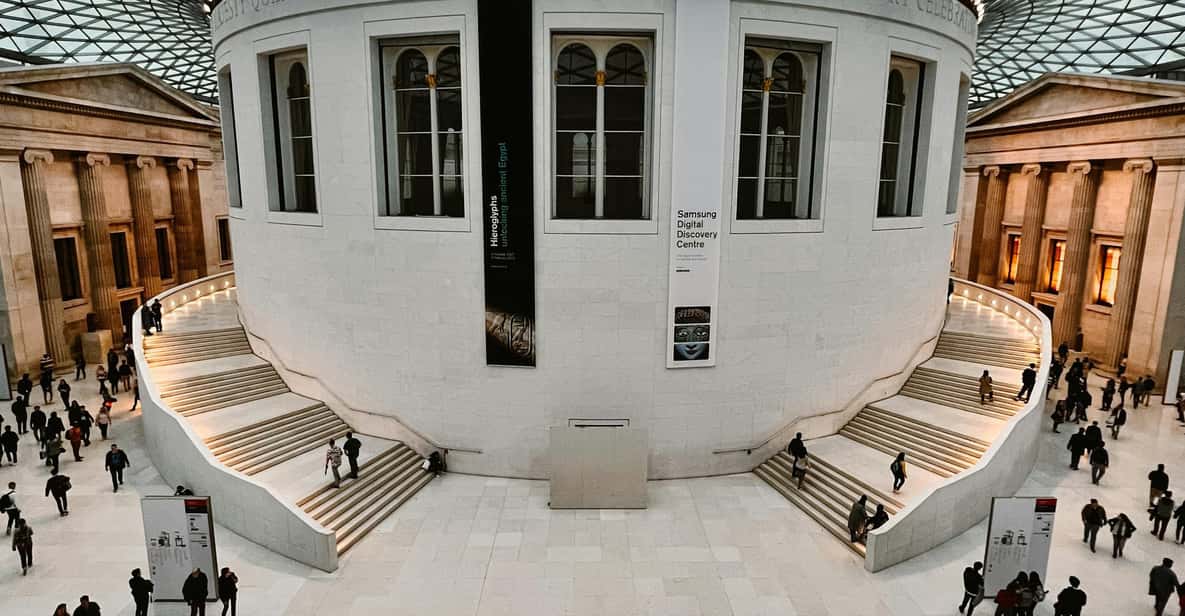
- Small group format (max 10): you get real back-and-forth, not a loud slideshow.
- Expert-led storytelling: the guide connects artifacts to how people lived, not just dates and names.
- Mesopotamia focus: you’ll get a cradle-of-civilization storyline that makes later galleries click.
- Big-name highlights with context: Rosetta Stone–type breakthroughs and the cultural layers around the Elgin Marbles.
- Discussion-friendly pacing: the tour encourages questions, which is where the fun is.
- English live guide: clear explanations and the chance to tailor attention to your interests.
Finding Your Group: Starbucks Just Across the Museum Entrance
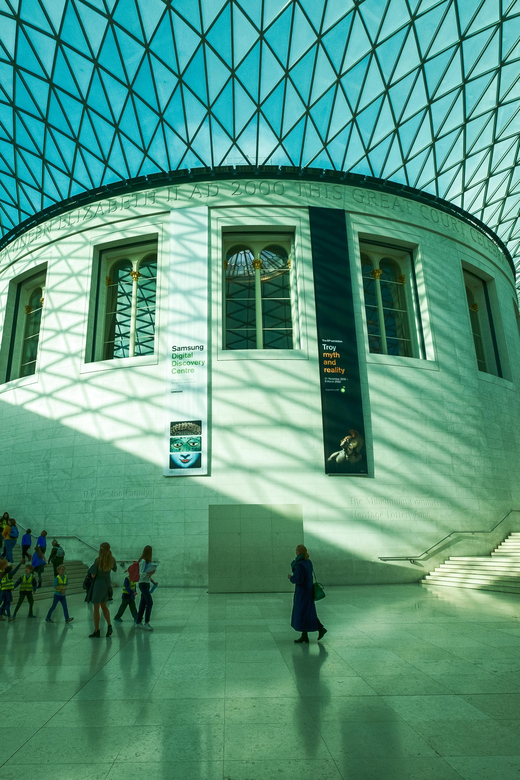
This tour uses a simple meeting point: the guide meets you in front of Starbucks, just across the museum entry. It’s easy to spot, and it means you’re not trying to hunt someone in a giant queue.
Plan to arrive a little early. The British Museum has that classic London “everyone is doing something, but nobody is moving fast” feeling, and you’ll want a calm start before your guide pulls you into the galleries.
If you’re the kind of person who likes to start with orientation, this meeting setup helps. You’re already at the right place, right away, and you can focus on learning instead of figuring out logistics.
You can also read our reviews of more guided tours in London



Why Two Hours Feels Longer in the Right Hands
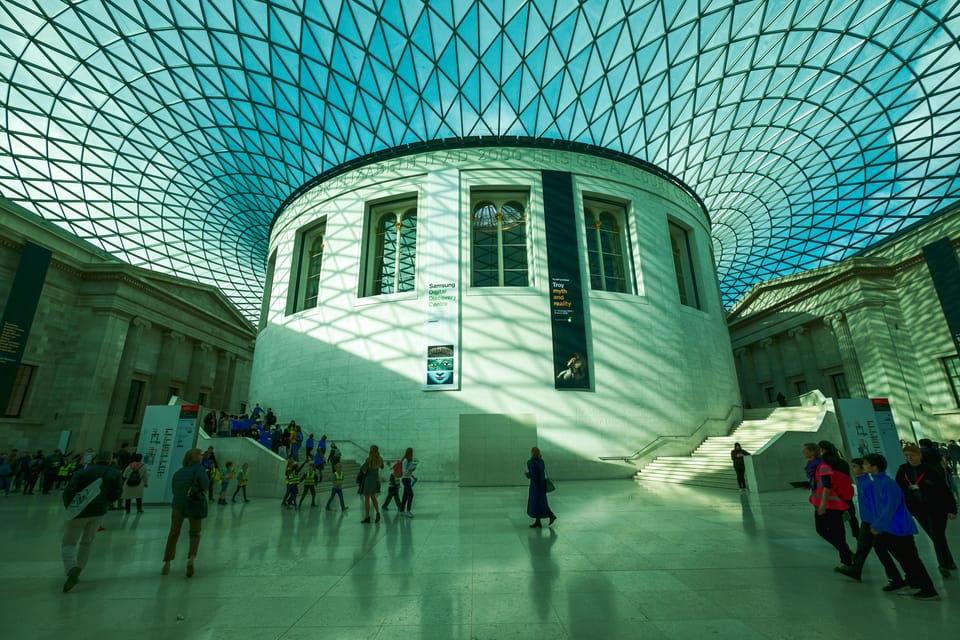
The biggest value here is not that you see more. It’s that you see meaning. The British Museum can overwhelm you fast: you look at a statue, then a doorway, then a case of tablets, then realize you’ve walked a mile without understanding why any of it matters.
In two hours, a good guide gives you a path: themes first, details second. That’s why the tour format works. You don’t need the entire building; you need the right handful of stops, explained well.
And because it’s limited to 10 participants, you’re more likely to get targeted answers. If you’re curious about archaeology, art history, or how cultures interacted, you can steer the conversation.
Mesopotamia Artifacts: The Cradle-of-Civilization Through a Guide’s Eyes
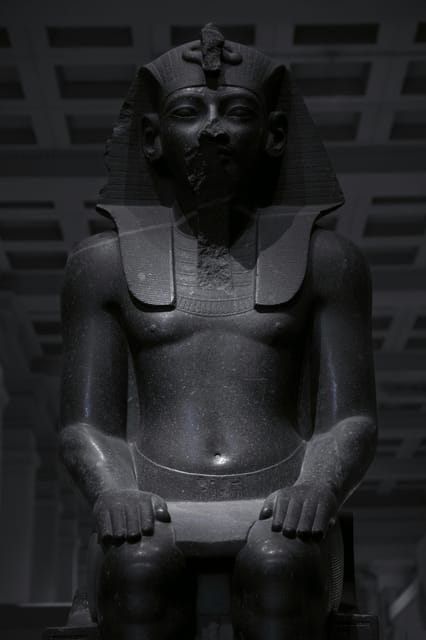
The tour’s backbone is the Mesopotamia storyline—framed as a place where early complex societies took shape. You’ll spend time delving into artifacts that help explain how innovations spread: writing, administration, religion, and the political power needed to run a city.
This is where a guide makes a huge difference. Without help, Mesopotamian displays can feel like “cool objects in cases.” With a guide, you get context: what the object was used for, what kind of society produced it, and why it mattered to later cultures.
What I’d bet you’ll like most is the way the guide connects the dots. The Mesopotamia segment sets up the rest of the museum so you’re not treating each gallery as a separate planet.
Rosetta Stone and Ancient Egypt: Breakthroughs, Not Just Objects
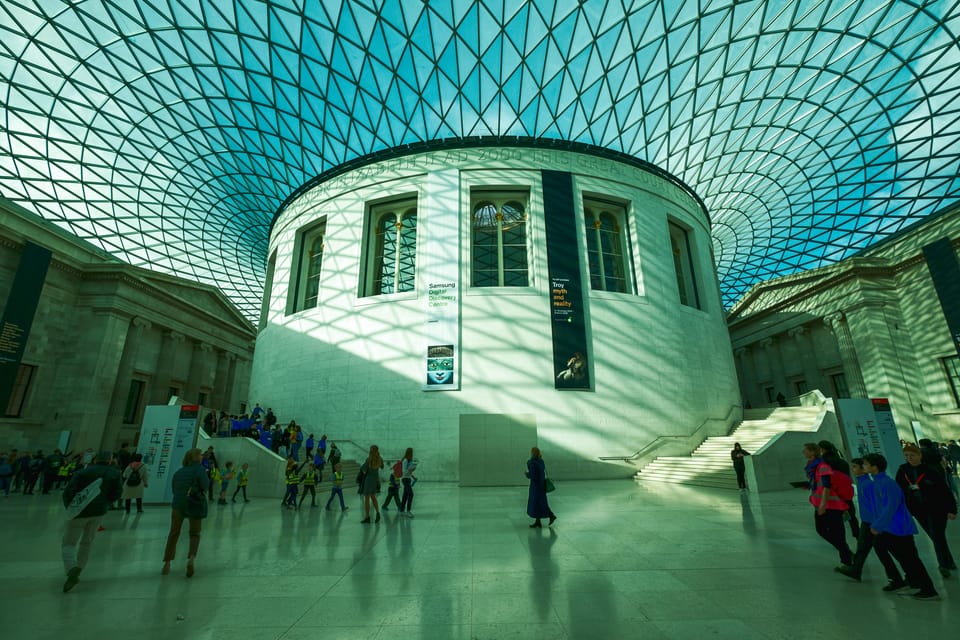
The tour also highlights the kind of breakthroughs you associate with ancient Egypt, including the Rosetta Stone. But the best part isn’t the artifact name—it’s what the guide helps you understand about why it was so important.
You’ll get explanations that turn the Rosetta Stone from a famous object into a communication tool across languages and time. That matters because it shows how knowledge moves, not only how kings ruled.
Egypt sections can be especially rewarding when you learn to look past aesthetics. A guide can point out details that you might otherwise miss, like how symbolism, power, and daily life show up in the same visual language.
If you’re already a bit Egypt-leaning, this portion feels satisfying. If you’re not, the guide’s framing makes it easier to care—fast.
The Elgin Marbles and Greece: Art, Power, and Questions
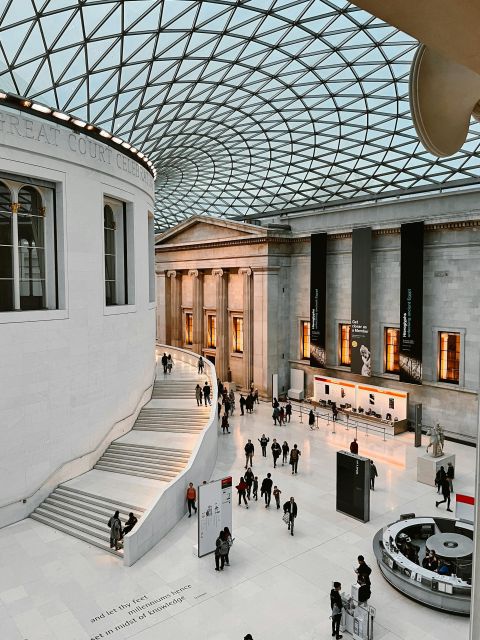
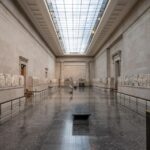
Greece is another anchor point, with the tour featuring the Elgin Marbles. These works are famous for a reason, but they also sit in the real world of collecting, politics, and ethical debate.
A strong guide won’t just show you impressive sculpture. They’ll give you the cultural context that explains what you’re looking at: why these pieces were made, what kind of public they belonged to, and why people still argue about them.
This is also a segment where discussion can happen. If you ask a question about meaning—art style, civic identity, or the “who got what when” angle—you’re more likely to get a clear answer in the small-group setting.
One practical note: sculpture-heavy areas can be visually dense. If you tend to drift, use the guide as your filter. Ask what detail matters most before you start scanning the whole room.
You can also read our reviews of more museum experiences in London





Rosalila Temple Details: A Taste of the Sacred and the Intricate
One of the more specific mentions tied to this tour is Rosalila Temple details. That’s the kind of stop that rewards slow looking. When the guide points out intricate carving or architectural features, the object stops being a background decoration and becomes evidence.
This is where your brain shifts from “museum browsing” to “museum reading.” You start seeing craftsmanship as information—what was valued, what symbols were repeated, and how sacred spaces were designed to shape belief.
Even if you don’t know the region’s history beforehand, this segment helps you learn a new skill: noticing structure and meaning at the same time.
Guides Who Adjust: Wesley, Vincent, and Diana as Examples
The experience is heavily guide-dependent, and the tour uses professional specialists. From past experiences with different guides, names like Wesley, Vincent, and Diana come up—each with a track record for clear explanation and flexibility.
Here’s what that means for you in real terms:
- If you have specific interests, the guide can often steer what you spend time on.
- If you want a more conversation-led experience, you’re likely to get one.
- If you’ve got prior familiarity, a specialist can add layers instead of repeating the obvious.
One small but useful pattern: some guides communicate ahead of time. That can reduce friction the day of the tour, because you show up knowing what to expect.
The best guides also know how to pace a museum visit. They’ll choose moments where you can absorb, then move you forward before your attention fades.
Value for $90: What You Get That Self-Guiding Misses
At $90 per person for a 2-hour tour, you’re paying for three things: time saved, expert context, and a controlled route through a huge building.
You also get museum entry included, which matters. You’re not paying separately to access the building, so the price reflects the added value of the guide.
Could you do it on your own? Sure. But you’ll likely spend time figuring out what to prioritize, and you may miss the “why does this matter” layer. The guide’s job is to translate objects into stories you can remember.
For me, the best value is the small-group format. A bigger group can feel like a conveyor belt. Here, the tour’s capped size (up to 10) makes it more realistic to ask follow-up questions.
If you’re on a tight schedule and want a focused hit of highlights—Mesopotamia, Egypt-linked moments, and Greece—this is a reasonable way to spend your time.
Logistics That Actually Matter (Meeting, Food, and Pets)
A few practical points help you plan without surprises.
Food and drinks aren’t included. This is a smart setup for a 2-hour visit—you can eat before or after without carrying anything into the tour. If you’re hungry, decide your timing early so the end of the tour doesn’t feel like a sudden scramble.
Hotel pickup and drop-off aren’t included either. That’s typical for central London. It usually makes sense to arrive under your own navigation, then walk away after the tour when you’re ready to keep exploring.
Pets aren’t allowed. If you’re traveling with an animal, you’ll need alternative arrangements for museum access.
Who This Tour Is Best For
This guided tour suits you if you want structure. If you love museums but hate the “where do I even start?” feeling, you’ll appreciate the path.
It’s also a good fit if you like learning in conversation. The tour is designed for questions and discussion, which makes it more than a lecture.
You’ll likely get the most from it if you’re open to multiple civilizations in one sweep. Mesopotamia, Egypt, Greece, and beyond are part of the experience, so it works well for first-time British Museum visitors or people who want a better framework on a repeat visit.
If you only care about one tiny theme, this may feel broad. But if you want a guided sampler with context, it’s exactly that.
Quick Tips Before You Go
To get the most from the time, come ready to look up from your phone and into the guide’s direction.
- Bring a notepad or use notes on your phone for names and concepts your guide repeats.
- Be ready to ask one question early. A good question early can steer the whole visit.
- Wear shoes you trust. Even a short British Museum tour involves real walking between galleries.
Also, since your route can change if some areas aren’t available, you’ll do best if you treat it as a guided theme experience rather than a fixed checklist.
Should You Book It?
I’d book this tour if you want a 2-hour, small-group, expert-led overview that makes major museum highlights click. The price is steep only if you compare it to a free walk-in day. But when you factor in museum entry and the guide’s role in turning artifacts into understandable stories, the math starts to look fair.
Skip it if you’re hoping for a long, deep research session or if you want to explore the entire museum at your own pace. This isn’t that. This is focused, guided meaning-making.
If your schedule is tight and you want the British Museum to feel coherent instead of chaotic, this is one of the smarter ways to spend your time in London.
FAQ
What’s the duration of the British Museum guided tour?
The tour lasts 2 hours.
What time do I meet the guide?
The guide meets you in front of Starbucks, just across the museum entry. The exact timing depends on the starting time you select.
What’s included in the price?
Your price includes museum entry and a tour guide.
Is food included during the tour?
No. Food and drinks are not included.
Do I need hotel pickup or drop-off?
No. Hotel pickup and drop-off are not included.
How big is the group?
It’s a small group limited to 10 participants.
Are pets allowed?
No. Pets are not allowed.