REVIEW · LONDON
London: Sunday Markets Guided Walking Tour
Book on GetYourGuide →Operated by London by a Londoner · Bookable on GetYourGuide
Sunday markets turn London into a playground. This guided walk through East London market streets gives you the feel of a typical London Sunday, with local-market life front and center: shopping lanes, flower chaos, and the kind of Sunday chatter you only hear on foot. You’ll also get district-history stories as you go, the sort of context that makes the stalls feel more than just shops.
I love the pace here. It’s a tight 2-hour loop, so you cover major stops without turning your day into a full marathon, and you still have time to poke around on your own between group moments. One drawback to plan for: food and drinks aren’t included, so if you want to taste street snacks, that spend is on you.
In This Review
- Key things I’d mark on your mental map
- Why East London Sundays feel different on foot
- Price and what $33.67 realistically covers
- Starting at Cambridge Heath Station and ending near Spitalfields
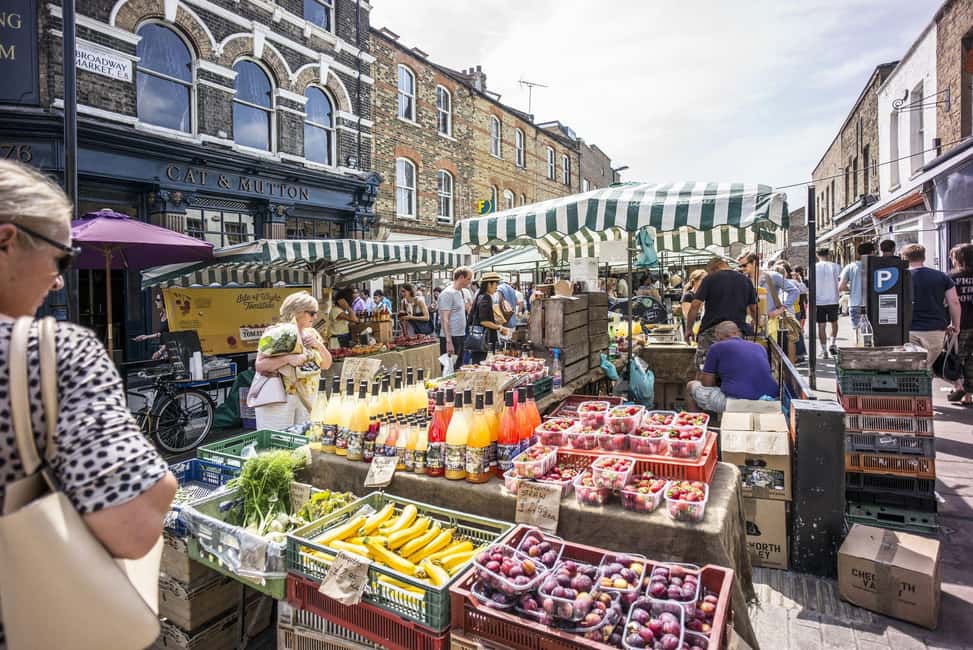
- Broadway Market: a friendly launch into Sunday browsing
- Columbia Road Flower Market and Hackney City Farm as a pacing reset
- Brick Lane: where market shopping turns into street-style hunting
- Old Spitalfields Market and the Spitalfields finish you can extend
- Regent’s Canal: the quiet stitch between big market moments
- How the guide makes the difference (and why the vibe matters)
- What to expect: senses, shopping, and snack temptation
- Practical tips so you enjoy every stop
- Who this tour is best for
- Should you book the London Sunday Markets guided walk?
- FAQ
- How long is the London Sunday Markets guided walking tour?
- Where does the tour start?
- Where does the tour end?
- What’s included in the price?
- Are food and drinks included?
- What language is the tour guide speaking?
- Is there free cancellation?
- Can I reserve without paying right away?
- Which markets and areas are visited on the tour?
Key things I’d mark on your mental map
- Broadway Market to Spitalfields in one sweep, so you can compare styles of Sunday shopping without planning a route
- Columbia Road Flower Market as a top sensory stop, built around flowers and quick browsing
- A guide like Rich who keeps the walk lively, with history, timing, and room to wander
- Hackney City Farm as a calmer breather between busier market streets
- Regent’s Canal to reset your legs and your eyes before the next shopping stretch
- No food included, so bring spending money if you want tastings or drinks
Why East London Sundays feel different on foot
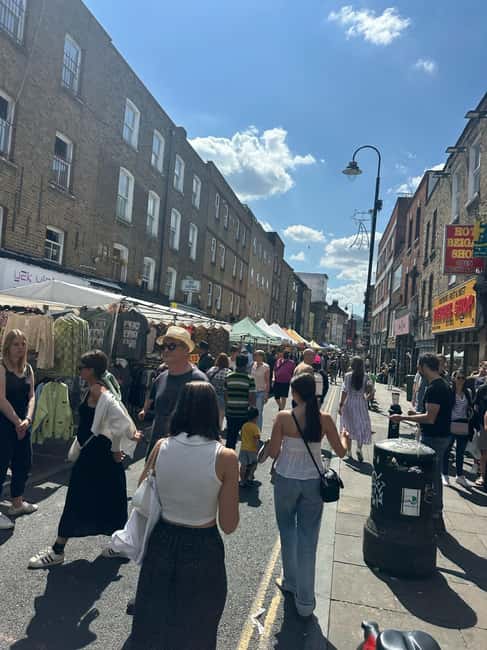
London has plenty of markets, sure. But Sundays in East London have a particular rhythm: people slow down, browse longer, and treat market errands like social plans. This tour leans into that. Instead of hopping between distant landmarks, you walk through the neighborhoods where locals actually spend part of their weekend.
What I like most is that the focus stays practical. You’re not being whisked past things you can’t see well. You stop where the energy is. You get time to look closely at handmade crafts, vintage finds, and fashion rails—while still moving at a pace that keeps the tour from turning into one long queue.
You can also read our reviews of more walking tours in London



Price and what $33.67 realistically covers
At $33.67 per person for a 2-hour guided walking tour, you’re paying for three things: a live guide, organized route flow, and access to context you’d otherwise miss while wandering alone.
Is it expensive? Compared with self-guided market wandering, it’s extra. But compared with paying for a guide-backed itinerary across multiple neighborhoods, it can be good value—especially because the tour hits several major stops and includes time to explore on your own rather than locking you into nonstop narration.
Just be clear on one point: the tour includes the walk and the guide, but food and drinks aren’t included. If you want to sample street food, plan to spend separately. Think of the guide as helping you spend smarter, not as paying your snack bill.
Starting at Cambridge Heath Station and ending near Spitalfields
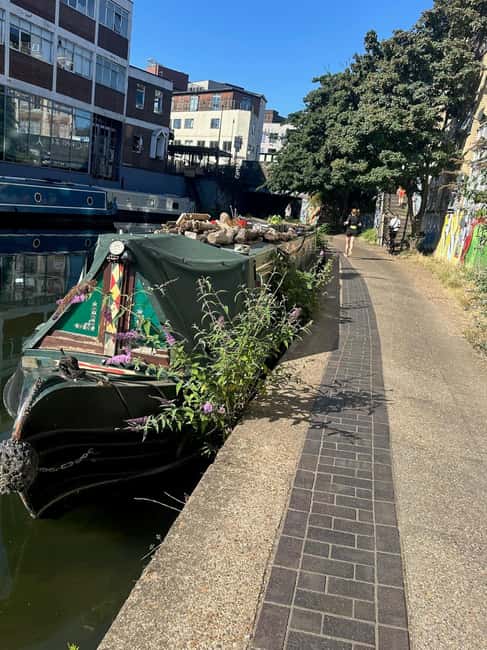
The tour starts at the Cambridge Heath Station forecourt. That’s helpful because it’s a straightforward meeting point for the area you’ll be touring. You’re not dealing with a complicated rendezvous in a back street.
The walk finishes at Spitalfields Market. That ending matters because Spitalfields is one of those places where you can keep going after the tour—browse a bit longer, grab a drink, or connect onward to the rest of your day without feeling like you need to backtrack across town.
Broadway Market: a friendly launch into Sunday browsing
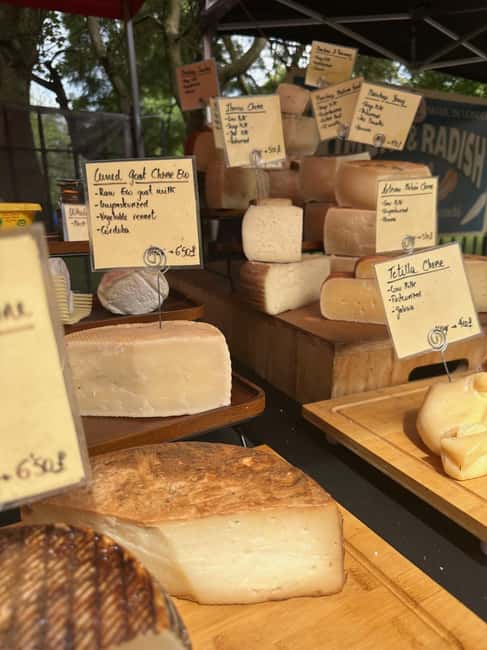
Broadway Market is where the tour starts to feel like a real Sunday routine, not a tourist checklist. You’re in a market setting designed for browsing: stalls, food options, and a mix of items that reward slow walking.
This is a good first stop because it helps you get the tour’s style right away. You’ll have a chance to shop and get oriented—where to look, how to move through crowds, and what kind of finds people come here for. It’s also an easy way to gauge your own interests early on. If you love crafts and food-adjacent browsing, you’re in the right place. If you prefer fashion or vintage, you’ll still have plenty to scan as the neighborhoods change.
If you’re the type who hates tight schedules, Broadway Market is a good place to settle in. Early momentum is easier to enjoy than trying to jump into the busiest segment first.
Columbia Road Flower Market and Hackney City Farm as a pacing reset
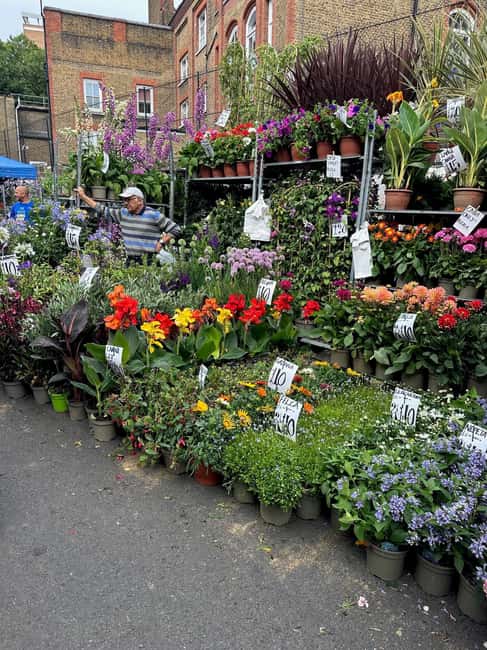
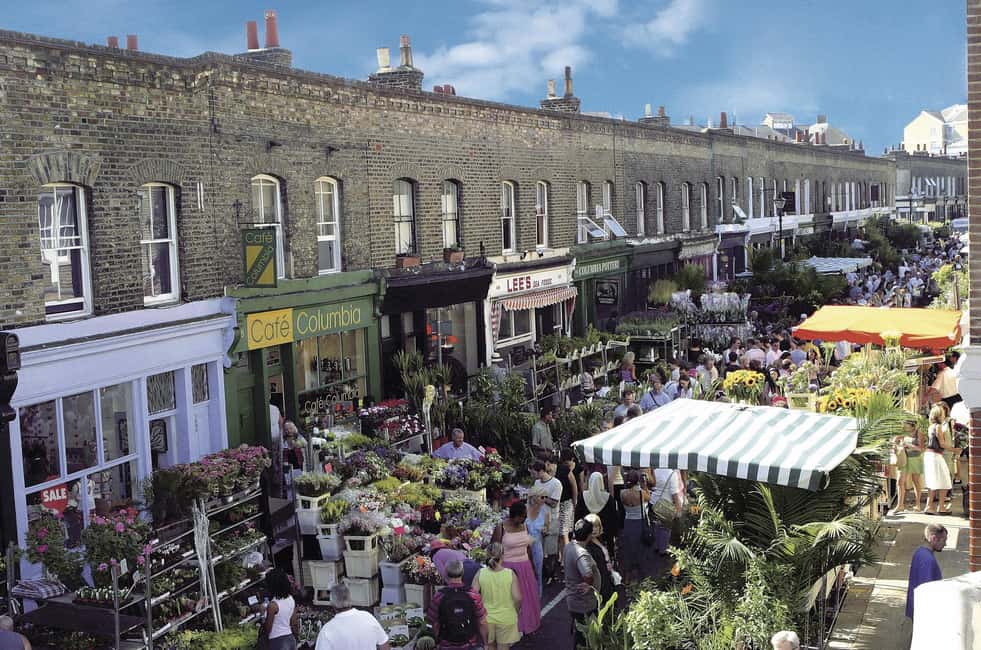
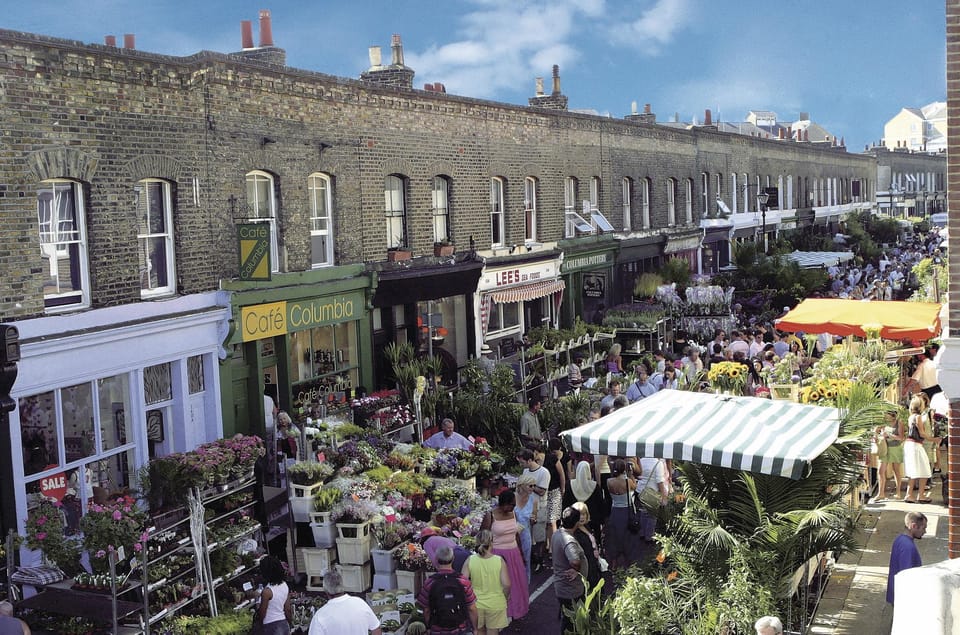
Columbia Road Flower Market is one of the tour’s signature experiences. Flowers change the whole mood of a market—colors first, smells second, and that steady flow of people hovering to inspect arrangements. Even if you don’t buy anything, it’s the kind of stop that makes you slow down.
What I’d watch for here is how quickly you can get distracted in a good way. Flower stalls are visually loud, and it’s easy to wander too far while still trying to rejoin your group. The best approach is simple: browse with one eye on time, and leave yourself a small gap for re-centering.
Then the tour adds Hackney City Farm as a sightseeing moment. This works well because it breaks the shopping intensity. Farms have a different kind of Sunday energy—less about purchase pressure, more about atmosphere. It gives you a mental breather before the walk turns back toward bigger shopping streets.
You can also read our reviews of more guided tours in London






Brick Lane: where market shopping turns into street-style hunting
Brick Lane is where a market tour starts to feel like London identity. This is one of the stops built for browsing, not just passing through. You can expect more of that street-level shopping energy: vintage browsing, fashion spotting, and the kind of stalls where people linger because there’s always one more thing to see.
I like this stop because it’s a contrast point. You’ve seen flowers and market-street browsing earlier. Now you get a different flavor—more fashion-oriented, more street-scene influenced. If you’re curious about how Londoners treat style, this is the place to pay attention to the details: what people wear, what they stop to look at, and how stalls are organized for quick scanning.
One consideration: Brick Lane can feel busier than some of the earlier stops. If you don’t like crowd pressure, plan to keep your pace steady and use the tour’s timing to your advantage. Let the guide help you move efficiently while you still get the chance to browse.
Old Spitalfields Market and the Spitalfields finish you can extend
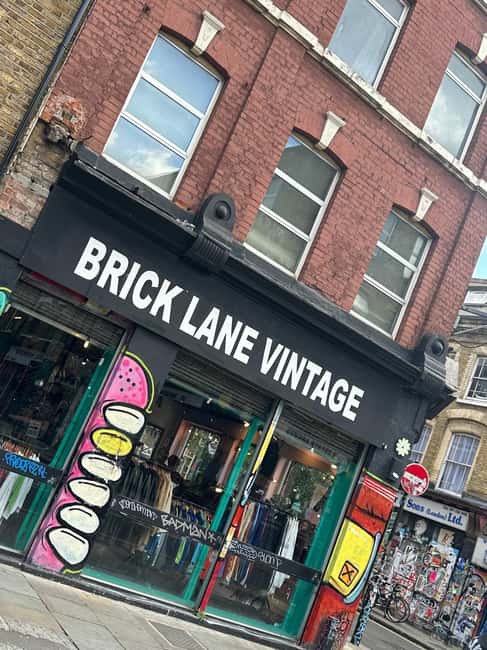
After Brick Lane, the tour transitions to the Old Spitalfields Market area for shopping, then finishes at Spitalfields Market. This is a strong closing stretch because it’s a place where you can keep going even after the tour ends.
By the time you reach Spitalfields, you’ve already had practice spotting what you like—so browsing is easier. You’re no longer trying to figure out what kind of stalls exist; you’re using experience from earlier markets to make faster decisions. That’s a surprisingly underrated value of a guided market route: it helps your eyes adjust so you don’t waste half the walk unsure what to prioritize.
Also, the ending at Spitalfields works well if you want options. You can wrap up neatly with souvenirs and a last browse, or continue onward without feeling like the tour left you stranded in a quiet corner.
Regent’s Canal: the quiet stitch between big market moments
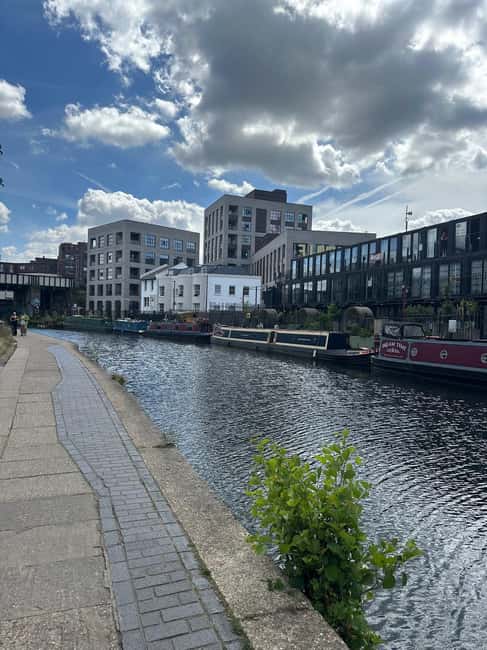
The tour also includes Regent’s Canal, which is a smart move. Markets are intense—colors, smells, and crowd flow. A canal section gives your brain a breather and helps you regroup so you enjoy the next area instead of rushing through it.
I appreciate this kind of routing because it changes your sightseeing mode. Instead of only scanning storefronts, you get a more open walking experience. It’s also a good stretch for photos, and for resetting your legs when shopping stops start to pile up.
If you get tired mid-walk (normal after a few market stops), this canal segment is where you’ll likely feel the benefit most.
How the guide makes the difference (and why the vibe matters)
This type of tour lives or dies on the guide’s pacing and personality. The guide here is described as friendly, with good time management and a nice mix of walking, eating opportunities, and knowledge.
One thing that stood out in feedback: the tour’s camaraderie. Market walks can sometimes feel like a school trip. This one aims for a warmer tone—lively conversation, history stories, and enough flexibility to do your own browsing.
A guide like Rich is useful because you’re not just learning facts. You’re learning what to notice. That’s the real value in a market tour: knowing where to look and how to interpret what you’re seeing as part of the neighborhood, not just a list of stalls.
What to expect: senses, shopping, and snack temptation
The overall promise of the experience is a market-themed Sunday across major East London areas. You’ll get sensory moments—sights, smells, and street-food vibes—plus the chance to browse crafts, vintage items, and fashion.
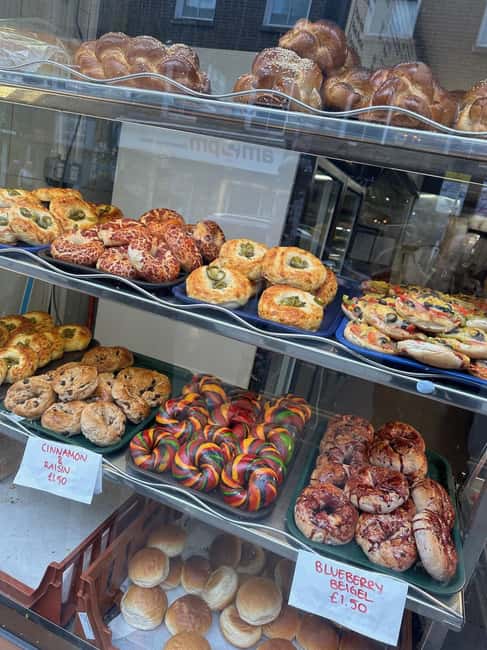
Here’s the honest framing for your planning: the tour can make you hungry, and it can put tempting food in front of you. But since food and drinks aren’t included, you should treat tastings as optional. Bring a bit of cash or card budget if you want to sample street food rather than just look.
Also, the route is designed to blend:
- shopping time where you can actually browse
- sightseeing moments where you’re focused on atmosphere
- walking segments where the guide keeps things moving
That balance is what makes the 2-hour format work instead of feeling chopped up.
Practical tips so you enjoy every stop
A market walking tour is only as fun as your comfort level. Here’s how I’d prep for this one:
- Wear shoes you can stand in. You’re doing multiple market zones back-to-back, and it’s not a sit-down tour.
- Bring a small bag or crossbody. Markets involve lots of handling—snacks, photos, and shopping bags are common.
- Have a browsing strategy. If you love vintage, prioritize a “scan first, buy later” approach so you don’t impulse-buy early.
- Expect crowds at the flower market and major shopping streets. The trick is staying calm and letting the group’s timing do the heavy lifting.
- Budget for snacks. Since food isn’t included, decide in advance whether you want to buy anything.
If you keep it practical, you’ll enjoy the tour as the friendly, story-backed Sunday walk it’s meant to be.
Who this tour is best for
This fits you if you want a guided route that still leaves room for personal wandering. It’s especially good for:
- first-time guided walking tour people, because the pace stays friendly and the route is easy to follow
- travelers who want real neighborhood atmosphere rather than only big-ticket sights
- shoppers who like mixing browsing with context—vintage, crafts, and fashion oriented stops
- visitors who want a focused East London Sunday without planning multiple stand-alone stops
If you’re the type who hates walking or prefers quiet museums, this probably won’t feel like your style. But if you enjoy markets and people-watching, it’s a strong match.
Should you book the London Sunday Markets guided walk?
Yes, if you want a simple plan for experiencing multiple East London markets in one smooth 2-hour outing. The biggest wins are the friendly, well-paced guide, the mix of major shopping stops, and the smart inclusion of Regent’s Canal plus a calmer Hackney City Farm moment for balance.
I’d skip or rethink if you’re on a tight snack budget or you don’t like crowd-heavy market areas. Also, go in knowing food and drinks aren’t included, so your “final cost” depends on how many tastings you choose.
If you’re craving a London Sunday that feels local and walkable, this is an easy yes.
FAQ
How long is the London Sunday Markets guided walking tour?
It’s listed as a 2-hour walking tour. Starting times depend on availability.
Where does the tour start?
Meet at the Cambridge Heath Station forecourt.
Where does the tour end?
The activity finishes at Spitalfields Market.
What’s included in the price?
The tour includes a walking tour and a live guide.
Are food and drinks included?
No. Food and drinks are not included, though you can still sample items while you’re in the markets.
What language is the tour guide speaking?
The live tour guide speaks English.
Is there free cancellation?
Yes. You can cancel up to 24 hours in advance for a full refund.
Can I reserve without paying right away?
Yes. There’s a Reserve now & pay later option.
Which markets and areas are visited on the tour?
You’ll go through Broadway Market, Columbia Road Flower Market, Brick Lane, Old Spitalfields Market, Spitalfields Market, plus Regent’s Canal and Hackney City Farm sightseeing.