REVIEW · LONDON
London: Jack The Ripper Walking Tour and Ripper Museum Entry
Book on GetYourGuide →Operated by Top Sights Tours LLC. · Bookable on GetYourGuide
Victorian London looks darker than you remember. This Jack the Ripper Museum entry plus East End walking tour ties together museum evidence and real-world Whitechapel streets, so the late-1880s story feels immediate. I like how the experience starts indoors with the context you need, and then shifts outside to narrow lanes where you can actually picture what it was like to move through the area. I also appreciate the human touch: the live local guide is a key part of the value, and one guide named Sam is specifically praised for strong area detail and victim-focused information.
One possible drawback: the pace can feel quick, and the topic is intense. If your English isn’t great, you may want to focus on the visuals and the museum materials so you don’t miss key points along the way.
In This Review
- Key Things I’d Focus on Before You Go
- Jack the Ripper Museum Entry at Cable Street: Start With the Case, Not the Confusion
- The Transition to Whitechapel: How the Walk Brings the Evidence Outdoors
- Whitechapel Streets You’ll Walk Through: Crime Scenes, Alleyways, and Street-Level Context
- The Guide Makes the Difference: Pace, Clarity, and Group Energy
- What to Bring and Wear for an East End Night Walk
- Price and Value: Is $60 Worth It for Museum + Guided East End Walking?
- Who Should Book This Tour, and Who Might Skip It
- Should You Book This Jack the Ripper Walking Tour and Museum Entry?
- FAQ
- How long is the London Jack the Ripper tour?
- What’s included in the price?
- Where do I meet for the tour?
- What’s the starting location listed for this experience?
- What language is the tour guide?
- Is the tour wheelchair accessible?
- What should I bring?
- Is free cancellation available?
- Is reserve now and pay later offered?
- Where does the walking part take place?
Key Things I’d Focus on Before You Go
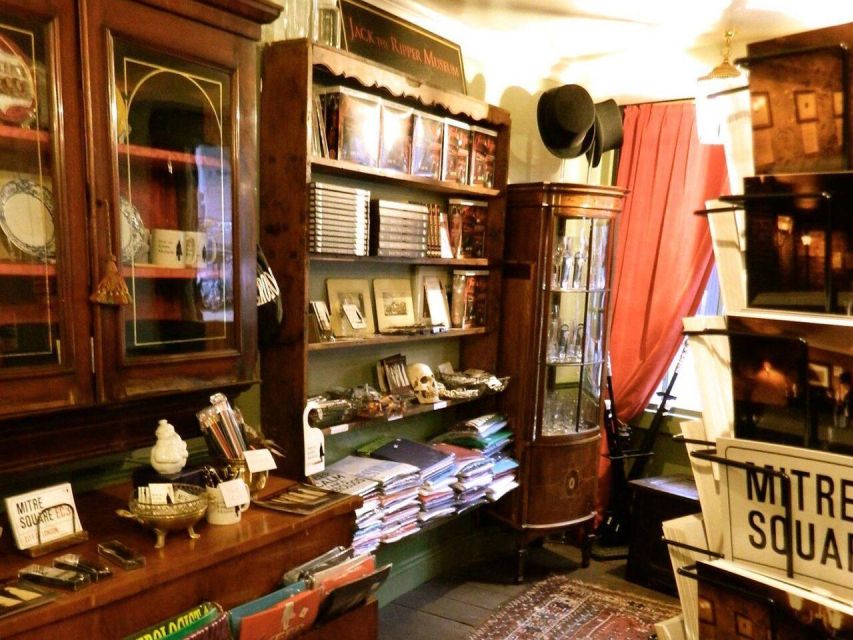
- Museum first, street walk second: you build context before you hit Whitechapel’s alleys.
- Evidence-style exhibits: police photos and items connected to the case help you make sense of the story.
- Victorian East End streets: you’re guided through places and building fronts tied to 1888.
- A guide who can explain fast: when the guide is on form, the whole tour clicks.
- English-only narration elements: the audio guide (if you use it) is English, so lean on the brochure and visuals if needed.
- Bring weather-proof basics: comfortable shoes and an umbrella matter in these tight lanes.
Jack the Ripper Museum Entry at Cable Street: Start With the Case, Not the Confusion
This tour begins with Jack the Ripper Museum access, and that order really matters. You start at the museum entrance (with your emailed ticket shown on arrival), then you move into the case details before your feet touch the pavement of the East End. If you’ve ever done a murder-themed walk without the background, you know how easily it turns into names and dates with no structure. Starting indoors fixes that.
The museum experience is laid out over multiple levels, with lots of small, specific details that reward slow looking. One review highlights that there’s a small booklet/brochure that’s easy to follow, and that’s a smart approach here. If your listening skills in English aren’t perfect, you’ll still be able to track what’s going on by reading while you look.
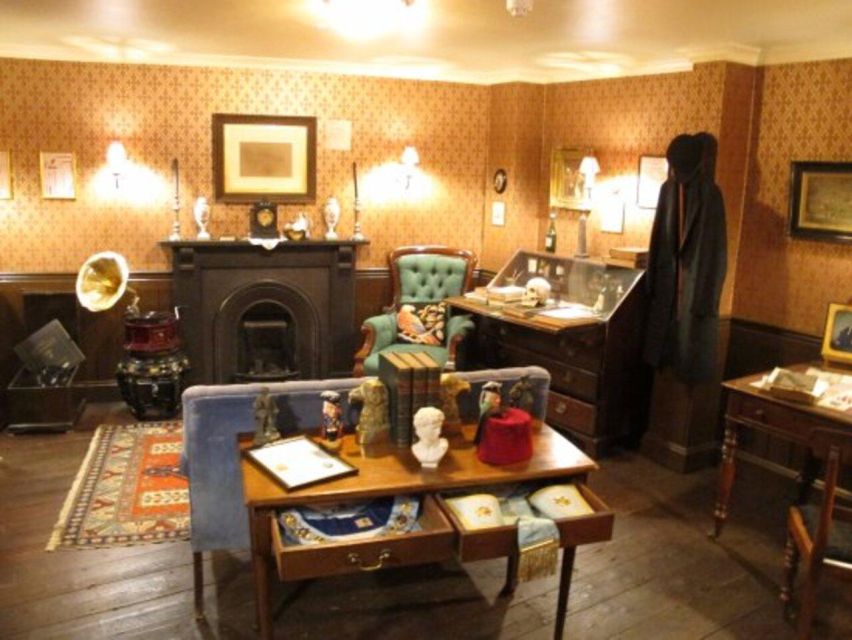
What you’ll see is framed like evidence. Expect police-style imagery and materials connected to the victims, plus references to items and clues tied to the investigation. You’ll also come across the doorway where one key clue was discovered. Even if you already know the broad outline of the story, these exhibit-style elements help you understand why certain spots became central to the case.
A note on audio: there is an audio guide, but it’s in English only. If you don’t feel confident catching fast spoken narration, you can skip it and rely more on the museum’s own brochure and the visuals in front of you. That can make the museum part feel less stressful and more enjoyable.
You can also read our reviews of more walking tours in London



The Transition to Whitechapel: How the Walk Brings the Evidence Outdoors
After the museum, you meet your guide and head out into Whitechapel, where the tour becomes a guided walking story. The streets here are narrow and dark in feel, and the goal is to trace the footsteps and the locations tied to where victims were murdered and later found.
This part is where the tour turns from educational into memorable. Standing in a real place does something your brain can’t do with a screen. You start to notice the scale: doorways, corners, alley-like passages, and how much harder it would have been to see what was happening farther down the lane.
You’ll walk past buildings and street-level landmarks tied to the life of the East End in that period. The tour focuses not just on crime scenes, but on the daily surroundings around them. You’ll see places where victims worked, lived, and even where they went for a drink. That matters because it stops the narrative from feeling like a list of tragedies. It places the murders into an actual neighborhood rhythm.
Also, the buildings and alleyways are described as having hardly changed, which is exactly the point. When a location still looks like what it looked like in the late 1880s, you get that rare sense of continuity that makes history feel less distant.
Whitechapel Streets You’ll Walk Through: Crime Scenes, Alleyways, and Street-Level Context
As you move through the area, your guide points out spots connected to key events in the case—places where victims were murdered and where they were found. The tour is designed to help you connect story beats to street geography, so you’re not just walking in a vague “Ripper area” zone.
One thing I’d pay attention to is how the guide uses physical features. Think: narrow passages, building frontages, and the way the street layout funnels people. Even without getting graphic, you’ll be able to follow the logic of the locations and how the neighborhood’s design would have affected sightlines, movement, and timing.
You’ll also hear about places tied to how people lived at the time—what kinds of buildings you’re seeing and why the East End was such a specific kind of environment. If you like crime-history tours that also explain neighborhood context, this is the right balance.
And because this is East London, the atmosphere matters. One review notes the tour can start around nightfall, and that adds to the mood. Whether you love that vibe or find it a little too theatrical, it does help you feel the “Victorian East End” mood the tour is going for.
The Guide Makes the Difference: Pace, Clarity, and Group Energy
This is a live guided tour in English, and the guide is a major factor in how smooth your experience feels. Reviews mention a guide named Sam with excellent knowledge of the area and strong detail on victims and local locations. That’s a great sign, because a good guide doesn’t just repeat facts—they link the museum exhibits to what you’re seeing outside.
Still, there’s a practical consideration: the walking pace can be fairly brisk. If you like to linger for photos and slow reading, you might want to accept that you’ll cover ground faster than a relaxed sightseeing stroll. One review also suggests the pace can be fast enough that you should already have a decent handle on English to keep up.
There are also rare negative experiences tied to guide behavior and punctuality. One person reported the guide didn’t show at the museum at the designated time. Another described feeling controlled during the walk. Those are not typical in the overall rating pattern, but they are worth knowing so you can set expectations: if you have a flexible trip day, you’ll be less stressed if the timing feels off, and if you prefer very informal tours, you might find a tightly run group less to your liking.
What to Bring and Wear for an East End Night Walk
This tour mixes indoor museum time with outdoor walking through narrow lanes, so your comfort affects everything.
I’d bring:
- Comfortable shoes you trust on uneven pavement
- An umbrella, because rain plus alley-walking is no fun
- Food and drinks, since this experience covers hours and you don’t want to be hunting for a snack in a tight neighborhood
Also, plan your clothing like you’re walking around a real part of London, not a curated mall route. Layers help. If the tour starts at dusk, temperatures can change quickly, and you’ll be grateful you didn’t overpack heavy outerwear or underpack warmth.
You can also read our reviews of more museum experiences in London






Price and Value: Is $60 Worth It for Museum + Guided East End Walking?
At around $60 per person for a 4-hour experience, the value depends on what you want out of it.
The big value driver is that you get both:
- Entry to the Jack the Ripper Museum
- A guided walking tour through the East End / Whitechapel locations tied to the case
So you’re paying not only for a museum ticket, but also for the on-the-ground interpretation—someone guiding you from evidence to real street geography. For many people, that pairing is the sweet spot. The museum gives you the background and exhibits (police photos, evidence-style materials, the doorway clue), then the walking portion gives you the spatial story.
If you were going to visit the museum anyway, the walking tour often feels like the added bonus. If you’re only looking for a few photo stops, it might feel like more time and money than you want. But if you genuinely like understanding place-based history—especially in London’s Victorian East End—this format is hard to beat.
Who Should Book This Tour, and Who Might Skip It
This is a great match if you:
- Like true crime history with a location-based approach
- Want a guided connection between museum evidence and the streets of Whitechapel
- Enjoy lively local explanation, especially when the guide has strong detail (Sam is one name that comes up positively)
I’d think twice if you:
- Don’t handle intense subject matter well
- Prefer slow, freeform walking instead of a structured pace
- Need very quiet group conditions; this is a guided, time-driven outing
If you use a wheelchair, the tour is listed as wheelchair accessible, which is a real plus when many London walking tours become awkward fast.
Should You Book This Jack the Ripper Walking Tour and Museum Entry?
In my view, this is a solid booking when you want more than a casual Ripper stroll. Starting with the Jack the Ripper Museum first gives you the context, and then the guide’s walking route turns that context into something you can actually track street by street in Whitechapel. The price makes sense because museum entry and the guided walk are both included, and the best versions of this tour hinge on the guide’s ability to connect details clearly.
Book it if you’re the type of person who likes to understand the story behind the places. Skip it if you’d rather keep things light, or if you’re sensitive to heavy content and fast pacing.
FAQ
How long is the London Jack the Ripper tour?
The total duration is 4 hours.
What’s included in the price?
You get a walking tour of the East End of London, a live local guide, and entry to the Jack the Ripper Museum.
Where do I meet for the tour?
Show your Jack The Ripper Museum ticket at the Jack The Ripper Museum entrance.
What’s the starting location listed for this experience?
The starting location is 12 Cable St.
What language is the tour guide?
The live tour guide is in English.
Is the tour wheelchair accessible?
Yes, the experience is listed as wheelchair accessible.
What should I bring?
Bring comfortable shoes, an umbrella, and food and drinks.
Is free cancellation available?
Yes. You can cancel up to 24 hours in advance for a full refund.
Is reserve now and pay later offered?
Yes. You can reserve now and pay later, keeping your travel plans flexible.
Where does the walking part take place?
The guided walk focuses on London’s East End, with time in Whitechapel and the surrounding Victorian-era streets and alleyways.