REVIEW · LONDON
London: British Museum Highlights Guided Small Group Tour
Book on GetYourGuide →Operated by Babylon Tours London · Bookable on GetYourGuide
Five thousand years of stuff made understandable in hours. This small-group British Museum highlights tour turns the museum’s overload into a guided storyline, with stops like the Rosetta Stone and Assyrian lion hunt reliefs.
I love how the guides use real storytelling skills, with styles you might recognize from guides such as James H, Jamie, Sheldon, Andy, and Emily. I also like the pacing: you actually get time with heavyweight objects like the Parthenon Sculpture and the Lewis Chessmen, instead of just glancing and moving on.
Do note the format is tight: it’s 2–2.5 hours, there’s a small amount of walking, and luggage or large bags aren’t allowed. Wheelchair access is also limited to private tours only, not semi-private small groups.
In This Review
- Key Things I’d Plan Around
- A 2–2.5 Hour Plan for the British Museum’s 5+ Million Objects
- Meeting Point, No-Luggage Rule, and How to Avoid Museum Stress
- Rosetta Stone: The Object You See Before You Think About Translation
- Assyrian Lion Hunt Reliefs: Why Art Looked Like a Video Game
- Parthenon Sculpture: Learning What to Look For in Minutes
- Lewis Chessmen and the Oxus Treasure: Big Finds That Explain Survival
- The Other Stops Worth Knowing About (When They’re on View)
- How the Guide Makes This Work for Adults and Teens
- Price and Value: Why $112 Can Be Worth It
- Who This Tour Fits Best (and Who Should Skip It)
- Should You Book This British Museum Highlights Tour?
Key Things I’d Plan Around
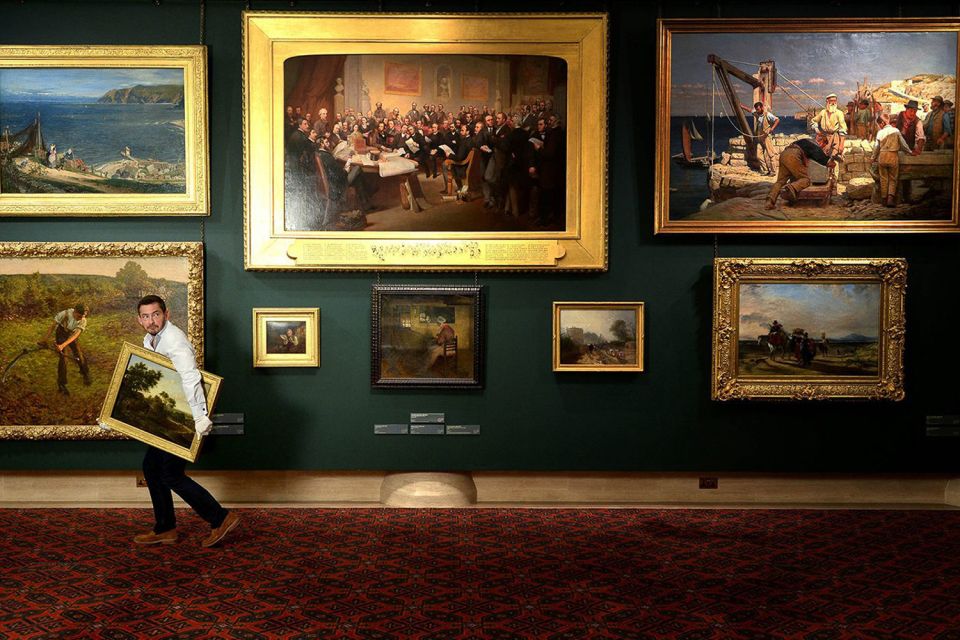
- Rosetta Stone first, then the bigger meaning: the object matters before the language puzzle.
- Assyrian Lion Hunt reliefs: you’ll see how art was used to sell power and control.
- Parthenon Sculpture viewing tips: you’ll learn what to look for beyond the shock factor.
- Lewis Chessmen and Oxus Treasure: major finds that show how history survives by chance.
- Extra stops you might hit: Royal Game of Ur, Mummy of Katebet, and Samurai armour depending on what’s on view.
- Small-group flow (up to 8): built for staying oriented in a huge museum.
A 2–2.5 Hour Plan for the British Museum’s 5+ Million Objects
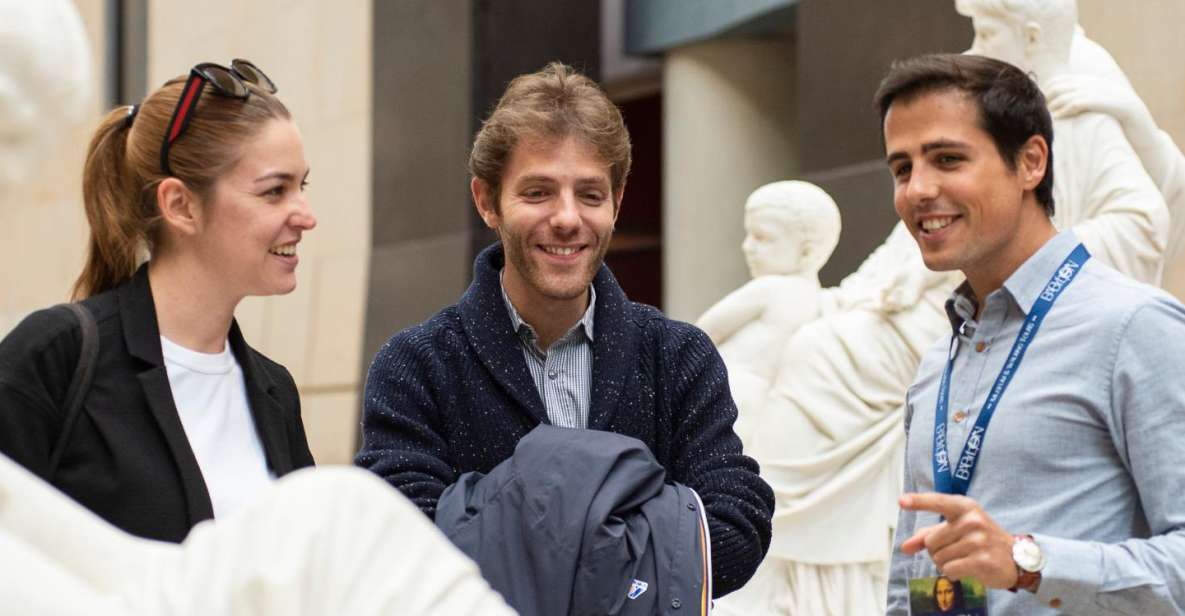
The British Museum can feel like a whole universe. This tour is designed for the part of you that says I want highlights, but I also want context. In 2 to 2.5 hours, you’ll focus on selected masterpieces that connect across time—Egyptian and Assyrian worlds, Greek art, Central Asian treasures, and even later cultures like Japan’s samurai.
What makes it work is the structure: a guide doesn’t just point at items, they give you a mental handle. You’ll hear how objects were used, what they were made from, and why they ended up where they did. That turns the experience from viewing into understanding, fast.
You can also read our reviews of more guided tours in London



Meeting Point, No-Luggage Rule, and How to Avoid Museum Stress
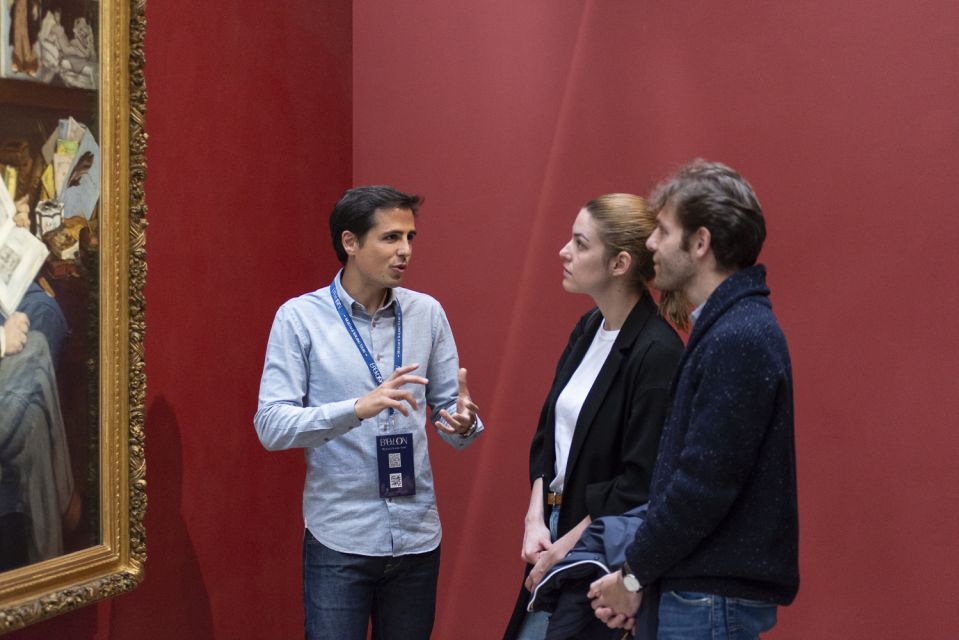
The meeting point can vary by booking option, so check your confirmation close to departure. Also plan around the practical rules: luggage and large bags are not allowed. If you’re carrying a daypack, keep it light and easy to manage—this is a walking tour with stops across galleries.
Timing matters too. Even though it’s not a long tour, you’re moving with purpose. That’s a good thing for most people. It means you’ll spend your limited time in the right rooms and at the right objects, instead of walking in circles trying to find the next must-see.
If you need wheelchair support, know the limitation ahead of time: wheelchair-friendly tours are only available as private tours. Semi-private small groups can’t provide that setup.
Rosetta Stone: The Object You See Before You Think About Translation

The Rosetta Stone is the kind of artifact people expect to be famous. On this tour, you’ll get past the basic wow and focus on what it is physically and historically. You’ll see the stone as a message medium—an artifact built to communicate official text—and then you’ll understand why it mattered for deciphering earlier writing systems.
It’s also a smart warm-up stop. Starting with the Rosetta Stone gives you a way to think about the whole museum: not just as a collection of beautiful things, but as a chain of human attempts to record ideas, laws, beliefs, and identity.
Tip: when the guide starts explaining, pause your phone scrolling. The Rosetta Stone is small enough that attention helps. Take one focused look first, then listen to how the guide frames it.
Assyrian Lion Hunt Reliefs: Why Art Looked Like a Video Game
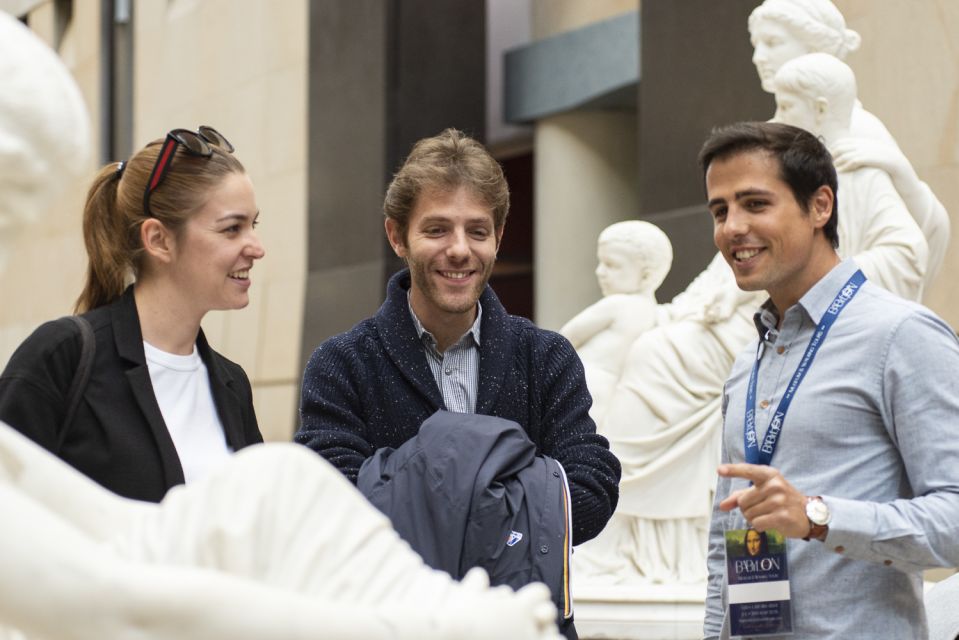
Next up, the Assyrian lion hunt reliefs. This is where the museum stops being quiet and starts feeling dramatic. These reliefs show power in motion: the king presented as hunter, the scene composed to pull your eye across the action, and the imagery meant to persuade viewers that the ruler’s strength is real.
A good guide helps you see the details quickly—how figures are arranged, how the composition creates intensity, and what the scenes were saying to people who lived under Assyrian rule. It’s not just about lions. It’s about how a society used art as messaging.
This is also a stop where small group format pays off. You’ll likely be within comfortable viewing distance, with time to look while your guide explains. That beats trying to self-navigate when crowds swirl.
Parthenon Sculpture: Learning What to Look For in Minutes
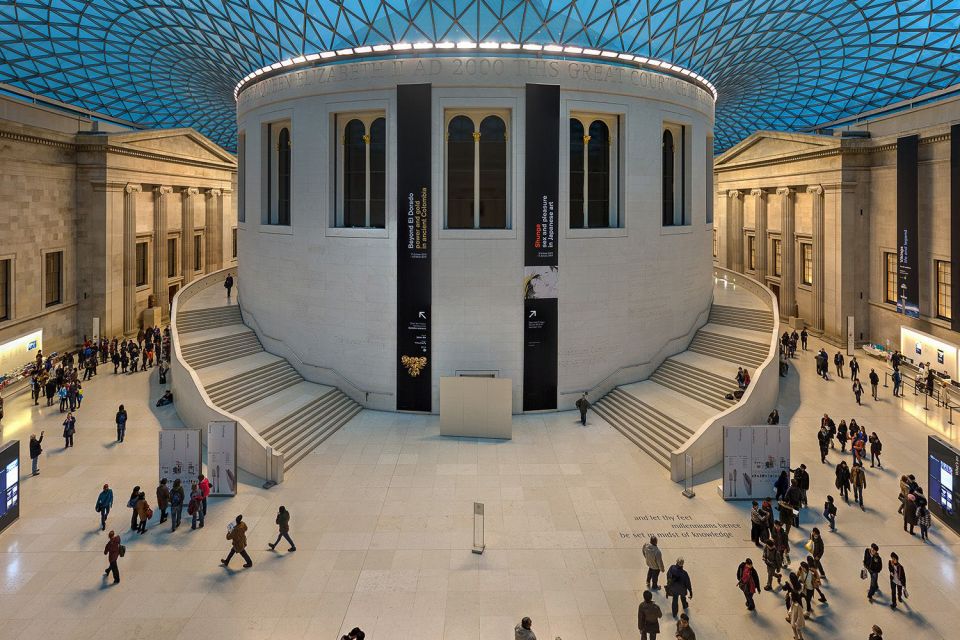
The Parthenon sculptures can be overwhelming, even when you know you should be impressed. This tour makes them easier by giving you a viewing method—what to notice first, how to interpret what you’re seeing, and how to connect it to the broader story of ancient Greek culture.
You’ll be guided toward the types of details that change your experience: how form and proportion work, what the scene choices communicate, and why these sculptures mattered in their original setting. Even if the debate around ownership is on your mind (it likely will be), context helps keep the conversation grounded in what the art actually does.
I like this stop because it balances emotion with clarity. You end up feeling awe, not confusion.
You can also read our reviews of more museum experiences in London






Lewis Chessmen and the Oxus Treasure: Big Finds That Explain Survival
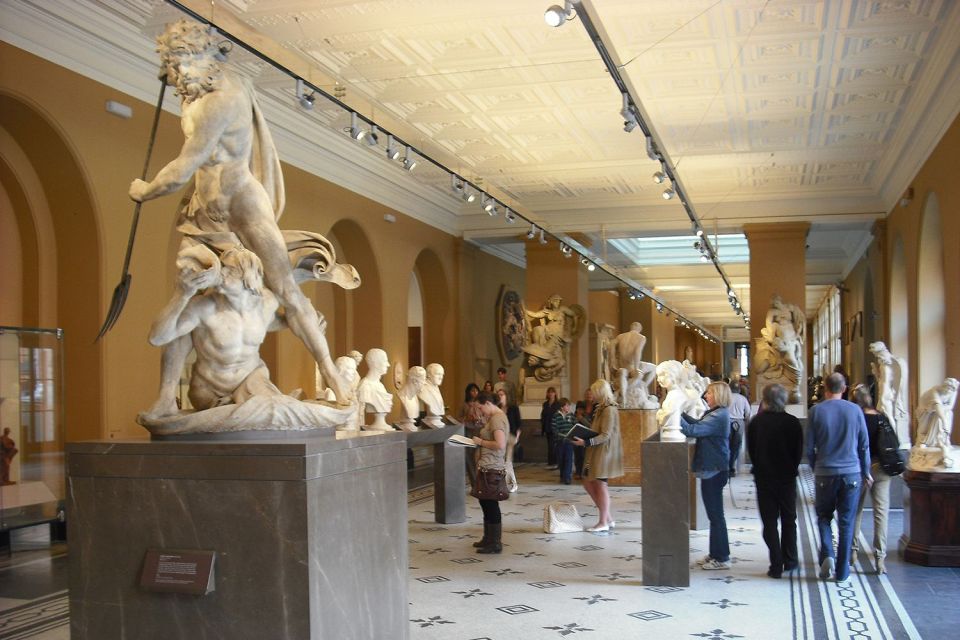
Two of the tour highlights are the Lewis Chessmen and the Oxus Treasure. They’re both “star objects,” but for different reasons.
Lewis Chessmen fascinate because they’re a set that’s instantly recognizable as play, strategy, and skill—yet they come from a specific time and place with a complicated story. Your guide helps you connect the pieces to the broader human urge to make games, create status through objects, and leave behind cultural fingerprints.
Then there’s the Oxus Treasure, which tends to change how people see the museum. It isn’t only about one empire. It’s about contact zones and shifting styles—how objects can reflect trade routes, political change, and the mixing of artistic traditions.
What I’d watch for: don’t treat these as separate “cool things.” Your guide will help you see how museums preserve connections across regions and centuries. That’s one of the reasons the tour feels more meaningful than a quick highlight sweep.
The Other Stops Worth Knowing About (When They’re on View)
Besides the big five, the tour often includes other major items when they’re available for viewing. Depending on what’s on loan or under restoration, you may also see:
- The Royal Game of Ur: a window into how games carried meaning in ancient societies, not just entertainment.
- The Mummy of Katebet: a reminder that Egypt isn’t only about pyramids; it’s also about burial practices, portrait-like presentation, and belief made physical.
- Samurai armour: later material culture that shows how status, protection, and identity were expressed in crafted objects.
You might also hear about how the museum connects these items across 6,000 years of human history. That time span is the whole point of the tour: you’ll leave with the sense that human creativity, power, and curiosity rhyme across eras—even when the details change.
How the Guide Makes This Work for Adults and Teens
One reason this tour gets repeat praise is the way the guides handle tone. The approach is serious, but it doesn’t feel like a lecture. Guides bring in the kind of small historical tidbits that make the object click, and they often invite the group in—so the museum stops being a one-way talk.
You’ll also get practical clarity fast. One common museum problem is standing in front of something famous and still not knowing what you’re looking at. On this tour, guides help you identify what matters in the sculpture, the relief, or the carved object. That reduces that awkward feeling of staring without understanding.
It’s especially helpful if you’re bringing teens. People mentioned that the storytelling keeps young minds engaged, and the guide’s sense of humor helps the facts land without turning it into a slog.
If you’re a history buff, the style still works because the explanations are tied directly to the artifacts. You get context without needing to read five books first.
Price and Value: Why $112 Can Be Worth It
At about $112 per person for 2 to 2.5 hours, this isn’t the cheapest way into the museum. But it’s also not trying to replace a full-day museum visit. You’re paying for three things:
- Time saved: the museum is huge, and highlights are spread out.
- Interpretation: the guide turns objects into stories you can remember.
- Efficient viewing: you stop at the right rooms and spend time looking, not walking.
If you’d spend a half-day wandering without a plan, the math often starts to make sense. Even a strong self-guided plan can leave you frustrated, because British Museum collections are so deep that you’ll miss the connective tissue. A good guide gives you the threads—Rosetta Stone to writing systems, Assyrian reliefs to power and propaganda, Greek sculpture to artistic ideals, and so on.
And if you’re traveling with family, especially teens, the cost can feel more reasonable because one guided session can do the work of hours of independent reading and online prep.
Who This Tour Fits Best (and Who Should Skip It)
This British Museum highlights tour is a great fit if:
- you want a high-impact overview in a short time
- you get more out of museums with a guide than by reading wall labels
- you’re traveling with teens or a mix of ages
- you want to see multiple world-famous objects without a full day commitment
It’s less ideal if:
- you need a fully seated, low-walking experience (there’s a small amount of walking)
- you require wheelchair access in a small-group format (wheelchair tours are only private)
- you prefer to linger for long periods at a single item
For most people, the structured time is the point. You won’t cover everything—but you’ll cover what matters, and you’ll understand why it matters.
Should You Book This British Museum Highlights Tour?
I’d book it if your goal is to leave the British Museum feeling oriented and proud of what you learned, not overwhelmed by what you didn’t see. This tour is built for short attention windows and big museum energy. You’ll hit major objects—Rosetta Stone, Assyrian lion hunt reliefs, Parthenon Sculpture, Lewis Chessmen, Oxus Treasure—and you’ll often get meaningful bonus stops like the Royal Game of Ur, Mummy of Katebet, and Samurai armour.
Skip it only if you already know the museum well and you just want to roam independently for hours, or if your access needs require a private wheelchair-friendly setup.
If you want your London museum visit to feel like a guided lesson without killing the fun, this is the kind of tour that delivers.