REVIEW · LONDON
London: National Gallery Guided Tour
Book on GetYourGuide →Operated by The Great Weekender · Bookable on GetYourGuide
Art that makes sense fast.
This 2.5-hour walk through London’s National Gallery feels more like a guided conversation than a museum lecture. I especially like the small-group setup (up to 8 people) and the certified guide who helps you read big masterpieces without getting lost in details.
One thing to plan around: this is a lot of moving inside and outside the museum, and the activity notes say it’s not suitable for wheelchair users or mobility impairments. If you need a more relaxed pace, you’ll want to think carefully before booking.
In This Review
- Key points you’ll care about
- National Gallery highlights feel different with a real guide
- Trafalgar Square logistics for a smooth 2.5-hour visit
- What you learn in front of the art (instead of reading after)
- Leonardo da Vinci’s The Virgin of the Rocks and the art of the close look
- Raphael’s The Madonna of the Pinks: beauty with structure
- Seurat’s Bathers at Asnières and the pleasure of noticing patterns
- Botticelli’s Venus and Mars: myth you can actually follow
- Holbein’s The Ambassadors: a painting built to be read
- van Eyck’s Arnolfini Portrait: faces, objects, and realism
- Price and value: is $93 a fair deal for this experience?
- Tour-day tips that make the biggest difference
- Who should book this tour, and who might not love it
- Should you book the London National Gallery guided tour?
- FAQ
- How long is the London National Gallery guided tour?
- Where is the meeting point?
- What is the group size?
- Does the tour include an express security check?
- Is the tour wheelchair accessible?
- Can I reserve and pay later?
- What is the cancellation policy?
- Are flash photography or backpacks allowed?
Key points you’ll care about
- Up to 8 guests keeps questions easy and the pace manageable
- Certified live guide in English turns famous paintings into clear stories
- Express security check helps you get inside faster
- Signature works across eras: Leonardo, Raphael, Seurat, Botticelli, Holbein, and van Eyck
- Practical rules: comfy shoes, no flash, no backpacks, and a lot of walking
National Gallery highlights feel different with a real guide
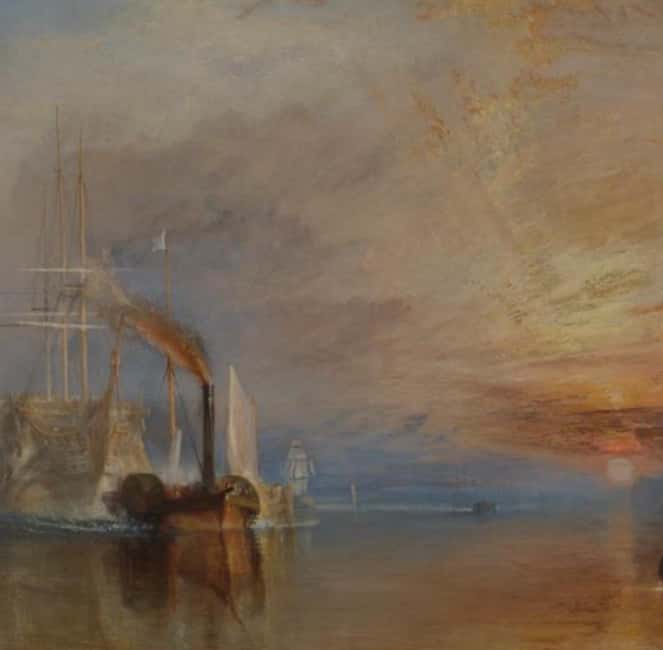
The National Gallery is famous for a reason: it’s packed with paintings people study for decades, yet it can still feel intimidating when you’re standing alone in a large room. A good guide changes that. You don’t just stare at canvases; you learn what to notice and why it matters.
I like that this tour keeps the focus on recognizably important works—Leonardo da Vinci’s The Virgin of the Rocks, Raphael’s The Madonna of the Pinks, Georges Seurat’s Bathers at Asnières, Botticelli’s Venus and Mars, Hans Holbein’s The Ambassadors, and Jan van Eyck’s The Arnolfini Portrait. That mix covers several big steps in Western art, so you get variety without trying to see everything.
The other big win is the group size. When you’re with up to 8 people, the guide can slow down for questions and point out small visual cues that most people miss on their own. On a place as dense as this, that’s the difference between a photo stop and a real experience.
You can also read our reviews of more guided tours in London



Trafalgar Square logistics for a smooth 2.5-hour visit
Most people underestimate how much time museums chew up—queueing, finding the right entrance, and figuring out where a painting is when you don’t know the building. This tour solves a chunk of that with an express security check and a clear meeting spot.
You’ll meet by the Telephone Box outside the Sainsbury’s Wing at the National Gallery, on the right-hand side of the Gallery. From there, it’s a walking tour that lasts 2.5 hours, so treat it like a timed plan rather than a casual drift.
A few practical things to remember:
- Wear comfortable shoes. There’s a lot of walking inside and around the galleries.
- Bring water and a camera if you like photos.
- Don’t bring backpacks, and skip flash photography.
Also, be ready for the fact that artwork availability can vary because some paintings may be on loan or under restoration. That doesn’t mean the tour falls apart; it means the guide adapts the route to what’s actually on view.
What you learn in front of the art (instead of reading after)
The best museum tours don’t just list titles. They teach you how to look—how to spot composition choices, symbols, and changes in style across time. The guides here are trained enough to give clear explanations while keeping you moving, which matters in a museum where it’s easy to lose time in the wrong room.
One reason this tour gets strong feedback is the way guides explain each artwork in a concise way. Even one standout example from a guide named Nick James is praised for being extremely knowledgeable, friendly, and quick to help people see more in each picture. The key is not big speeches; it’s focused pointing and smart context.
If you’ve ever looked at a painting and thought, I don’t know what I’m supposed to notice, this is the fix. You get a lens—so you’re not trying to invent meaning while standing in front of a masterpiece.
Leonardo da Vinci’s The Virgin of the Rocks and the art of the close look
Leonardo da Vinci is one of those names that can feel intimidating until someone shows you what to watch for. The Virgin of the Rocks is a perfect example because it rewards careful looking, not just background knowledge.
In a guided format, you can expect the conversation to slow down at the most important visual points. The guide can help you understand how the figures are arranged, how the scene is staged, and why this kind of painting became a model for later artists. You also get a sense of why Leonardo’s approach stands out—especially his blend of realism and structured composition.
Even if you’re not a longtime art fan, you’ll get something tangible out of this stop: you’ll leave knowing what to look for next time you see Leonardo, instead of treating it like a famous name on a wall.
Raphael’s The Madonna of the Pinks: beauty with structure
Raphael’s The Madonna of the Pinks is another high-profile work, and it’s a great match for a guided tour because it balances emotion and design. Without context, you might focus only on faces or color. With a guide, you’ll learn how the painting is built to guide your eye and make the subject feel calm and deliberate.
This is where a small group really helps. When you’re with only a handful of people, the guide can keep everyone oriented on what matters in the composition. You’ll also likely hear how Raphael fits into the larger story of Renaissance art, so the painting doesn’t float alone—it becomes part of a timeline you can actually track.
If you love art that feels harmonious but not empty, this stop is one of the easiest to enjoy on the spot.
You can also read our reviews of more museum experiences in London



Seurat’s Bathers at Asnières and the pleasure of noticing patterns
Georges Seurat can be hard to appreciate if you only know him as a name. Bathers at Asnières is a better entry point because it gives you a visual world you can talk about—figures in a setting, light effects, and a style that asks for slower viewing.
In a guided visit, the learning isn’t about memorizing technical jargon. It’s about training your eyes to see what Seurat is doing in the paint and the rhythm of the scene. When you understand that, the painting becomes more than a pretty scene. It becomes a system of choices.
I find Seurat is the kind of artist who rewards having someone explain what to notice first. Without that nudge, you can walk past details and miss the reason the work is studied so often.
Botticelli’s Venus and Mars: myth you can actually follow
Botticelli’s Venus and Mars is one of those paintings that can feel like a mystery if you don’t know the story behind it. A good guide helps you connect myth, symbolism, and design so the scene makes sense while you’re looking at it—not after you go home.
What makes this stop valuable on a time-limited tour is that you can get the essentials quickly: who’s shown, what the symbolism tends to mean, and why the composition is arranged the way it is. Then you get to do the fun part—figuring out how the painting’s visual choices reinforce the narrative.
If you like art that mixes storytelling with aesthetic appeal, this is one of the more satisfying works on the list.
Holbein’s The Ambassadors: a painting built to be read
Hans Holbein’s The Ambassadors is famous for good reason, and it’s also the kind of work that can frustrate you if you don’t know where to start. This is exactly why a guided tour matters here.
A guide can steer you toward the key elements so you don’t miss the point of the painting’s complexity. You’ll likely spend time on how the composition is organized and what the work is trying to communicate. It’s the sort of painting that makes you feel like you’re cracking a puzzle, but you’re not doing it blindly.
If you enjoy art that feels intellectual and intentional at the same time, you’ll probably end the tour feeling a little smarter, not just more impressed.
van Eyck’s Arnolfini Portrait: faces, objects, and realism
Jan van Eyck’s The Arnolfini Portrait is another standout because it mixes human presence with a flood of details. Left on your own, you might spot a few elements and then wonder what else you should be noticing. With a guide, you get direction: what to look at first, what details often signal, and how the realism connects to the larger meaning of the work.
This painting is also a good example of why the certified-guide format works well for non-experts. You don’t need to be fluent in art history to get something out of it. You just need help learning a method for looking.
By the time you’ve reached this stop, the tour has likely given you the habit of paying attention. That’s when van Eyck’s details start to click.
Price and value: is $93 a fair deal for this experience?
At $93 per person for a 2.5-hour guided visit, the value depends on what you want from the National Gallery. If your goal is fast access plus guidance for masterpieces, this is a solid setup.
Here’s what you’re getting for the price, based on the included features:
- Certified guide (live, English)
- Small-group tour with a maximum of 8 participants
- Engaging insights that connect artists and paintings
- Express security check to help you get inside quickly
If you’ve ever spent a self-guided afternoon bouncing between rooms and only catching a few works properly, the guide time here becomes the value. You’re paying for interpretation and momentum—exactly what you need when you only have a couple of hours.
Tour-day tips that make the biggest difference
This tour is built for people who want to see the top collection highlights without burning half the day stuck in logistics. To get the best experience, I’d follow a few simple rules:
- Keep your bag simple: no backpacks.
- Don’t plan on flash photos. It’s not allowed, so decide whether you’re photographing at normal light or just enjoying the view.
- Bring water and take quick breaks only when the guide allows it. The time is tight for a reason.
- Wear shoes you can stand in for a while. This tour emphasizes walking.
And one more heads-up: the museum’s displays can change due to loans or restoration. If your favorite painting isn’t there on the day, a good guide can usually help you shift to what’s available while keeping the theme of the tour.
Who should book this tour, and who might not love it
This guided format is a good fit if:
- You want a guided introduction to major masterpieces
- You’d like clear explanations without wading through heavy reading
- You like the idea of a small group where questions are welcome
- You want to see works by Leonardo, Raphael, Seurat, Botticelli, Holbein, and van Eyck in one focused time window
I’d hesitate if:
- You have mobility limits and need a slower, more flexible pace. The details provided say the experience is not suitable for wheelchair users or mobility impairments.
- You strongly prefer a fully self-paced museum day. With a 2.5-hour walking structure, you’ll be moving steadily.
One thing to note: the activity information also says wheelchair accessible, but it separately states it’s not suitable for wheelchair users. If that applies to you, you should double-check before booking so you’re not caught by surprise.
Should you book the London National Gallery guided tour?
If you want a short, guided route that helps you understand the collection’s biggest names, I think this is a worthwhile booking. The combination of a certified guide, an intimate group size, and express entry makes it a practical way to get real value out of a limited window.
Book it if you like your art experiences explained in plain language and you’re happy with a walking pace through central London. Skip it (or look for an alternative) if mobility is a concern or if you’d rather wander without structure. Either way, this is one of the more efficient ways to experience the National Gallery’s top works—without turning the whole day into a scavenger hunt.
FAQ
How long is the London National Gallery guided tour?
It lasts 2.5 hours.
Where is the meeting point?
Meet by the Telephone Box outside the Sainsbury’s Wing at The National Gallery, on the right-hand side of the Gallery.
What is the group size?
The tour is small group, limited to a maximum of 8 participants.
Does the tour include an express security check?
Yes. It includes skip-the-line access through an express security check.
Is the tour wheelchair accessible?
The information says wheelchair accessible, but it also says it is not suitable for wheelchair users and people with mobility impairments. If this affects you, you should confirm details with the provider before booking.
Can I reserve and pay later?
Yes. The tour offers reserve now & pay later, meaning you can book your spot and pay nothing today.
What is the cancellation policy?
Free cancellation is offered up to 24 hours in advance for a full refund.
Are flash photography or backpacks allowed?
Flash photography is not allowed, and backpacks are not allowed.