REVIEW · LONDON
London Tate Modern Museum – Guided Tour 8 guests 2,5h
Book on GetYourGuide →Operated by Babylon Tours London · Bookable on GetYourGuide
Modern art clicks faster when someone explains the “why.” This 2.5-hour Tate Modern tour is led by a professional art historian guide, and I like how it connects artists to the movements that shaped them. You’ll see major works up close while keeping the story moving, not stuck in museum fog.
I also love the way the tour handles variety—Mondrian, Picasso, Dalí, Monet, Rothko, Warhol, and even Duchamp all show up in one coherent route. One drawback: it’s not a long sit-and-stare experience, so if you want hours of freedom, this may feel a bit rushed (plus there’s some walking and no large bags).
In This Review
- Key tour takeaways
- Your 2.5-hour map through Tate Modern’s major movements
- Mondrian’s lines, Picasso and Dalí’s war-era masterpieces
- Monet to Rothko: seeing the jump from light to emotion
- Warhol, Marilyn Monroe, and why Duchamp’s Fountain sparks debate
- Chinatown food break and timed entry to Buckingham Palace
- Skip-the-line value, small groups, and practical logistics
- Should you book the Tate Modern guided tour with Buckingham Palace access?
- FAQ
- How long is the Tate Modern guided tour?
- How big is the group for this experience?
- Is this tour offered in English?
- Does the tour include skipping the ticket line?
- What do I need to bring?
- Are large bags allowed inside Tate Modern?
- Is food included, including Chinatown meals?
- Do I get timed entry to Buckingham Palace?
- If the semi-private tour doesn’t meet the minimum guests, what happens?
- Is the tour suitable for wheelchair users?
Key tour takeaways
- Small group size (up to 8) keeps questions and pacing from feeling chaotic.
- A real art historian guide ties the works together by movement and context.
- Tate Modern highlights range from Picasso and Dalí to Rothko and Warhol.
- Duchamp’s Fountain is used as a built-in “why does this count as art?” moment.
- Timed entry to Buckingham Palace happens after your Tate Modern tour.
- Chinatown food time is part of the day, but meals aren’t included.
Your 2.5-hour map through Tate Modern’s major movements
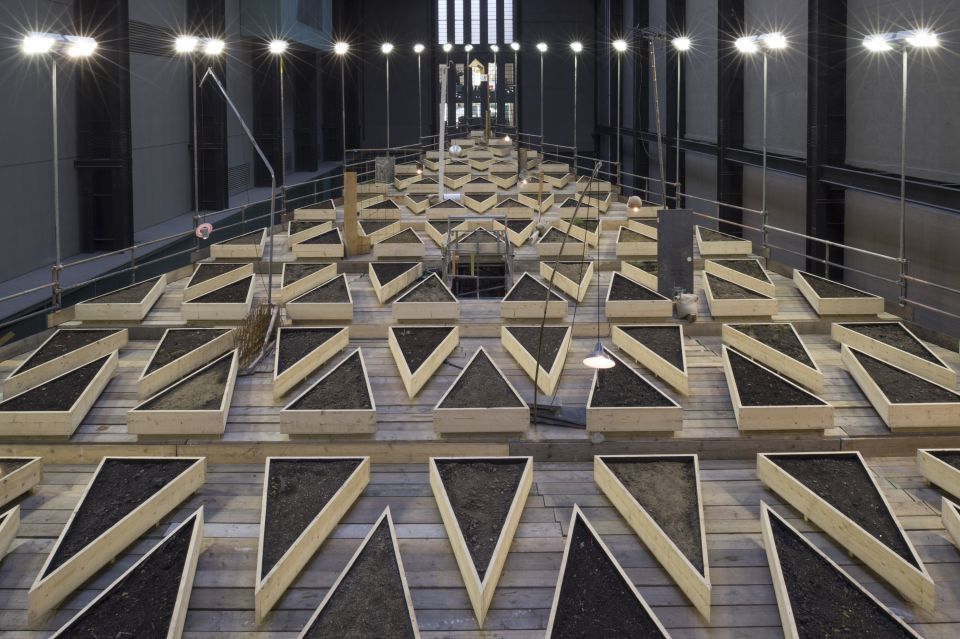
Tate Modern can feel like a beautiful maze. One minute you’re admiring a bold painting; the next minute you’re standing in front of something that makes you question your own eyesight. That’s exactly why this tour works. In 2.5 hours, you get a guided storyline that helps you look with purpose, not just wander.
I like that the tour doesn’t treat modern art like a puzzle box you need to solve alone. The guide puts the works into movement and historical context, so you spend less time guessing and more time noticing. And with a small group of up to eight guests, the conversation stays human and practical instead of being a lecture aimed at no one in particular.
The format also matters for value. For $112 per person, you’re not just paying for a ticket. You’re paying for a live art historian who can point out what to look for and why it mattered, plus the day includes timed entry to another major landmark afterward.
You can also read our reviews of more guided tours in London



Mondrian’s lines, Picasso and Dalí’s war-era masterpieces
The tour’s early strength is its sense of momentum: you’re taught to read modern art like a timeline of ideas. You’ll start by getting grounded in how early modern artists broke rules—and why other artists struggled to copy the results. A big example is Mondrian, whose lines and squares are described as deceptively simple, but insanely exact. The point isn’t just to like the look. It’s to understand what “simplicity” meant when he chose it.
Then you shift into the drama of the early 20th century with Spanish-born powerhouses like Picasso and Dalí. You’ll revisit familiar names, but the tour focuses on what they made while influenced by the Spanish Civil War. That context changes the mood. Suddenly the art isn’t only about style—it’s about what was happening around the artists and what they were responding to.
This part of the tour is also where you learn an important lesson: modern art often isn’t trying to be “pretty.” It’s trying to be accurate about feelings, politics, or perception. When the guide connects those dots, works that might otherwise feel random start to feel intentional.
Practical note: because this is guided and timed, you’ll move at a steady clip. If you like to read every label and sit down every few minutes, you may want to plan extra museum time on your own after the tour.
Monet to Rothko: seeing the jump from light to emotion
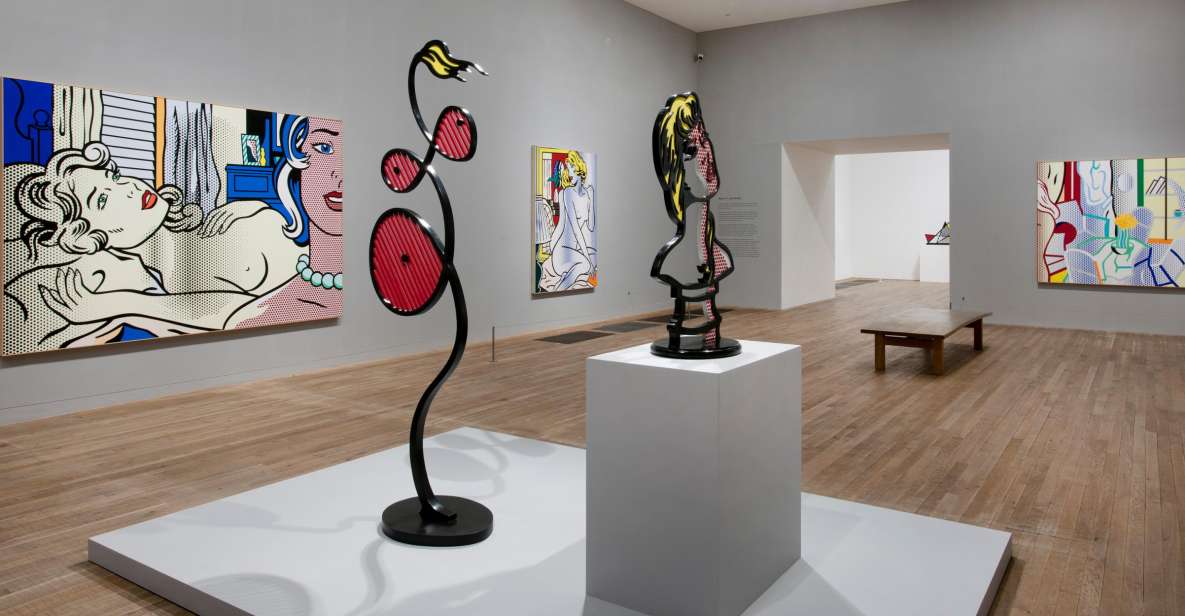
After the early modern anchors, the tour helps you follow the big stylistic leaps. You’ll be introduced to the Impressionists through Claude Monet, which is a smart bridge—especially if you’re coming from the “I like landscapes and portraits” side of art. Monet gives you permission to look at brushwork, light, and atmosphere without needing a PhD in art theory.
Then the tour fast-forwards into abstraction, including the kind of emotional, slowed-down viewing that makes people either fall in love or walk out confused. Mark Rothko is a key stop. The guide steers your attention toward what the color fields do to your eyes and your mood, not just how they look at a distance. In practice, that means you’re learning how to stand in front of a piece longer, without turning it into a mindless photo-op.
This is where the tour earns its price. Modern art can look “different” for reasons that have nothing to do with the viewer. The guide helps you understand that the change from Impressionism to abstraction is a change in what artists believed painting should do.
Also, the tour is designed to keep you from getting stuck in one era. You’re constantly moving between periods and techniques, so the museum feels like a story rather than a collection.
Warhol, Marilyn Monroe, and why Duchamp’s Fountain sparks debate
One of the most fun parts of the tour is that it doesn’t treat modern art as solemn only. Pop culture enters the picture. You’ll learn about Andy Warhol’s innovative pop art and how celebrity imagery and mass media became material for serious artistic experimentation. The tour even points you toward spotting the feeling of fame—like Marilyn Monroe—as part of how Warhol worked.
And then comes the head-scratcher moment: Duchamp’s Fountain. Standing around it is where the guide uses art history to do something practical: turn confusion into a conversation. You’ll debate the merits of art as you look at the work and talk through what makes something qualify as art in the first place.
This is the tour’s best “value add” skill. Art museums often offer facts. This tour helps you practice a way of thinking. It shows you how to form a reasoned opinion, not just a reaction.
If you tend to bring your own strong opinions (or your skepticism), this segment is built for you. The guide doesn’t kill curiosity. It channels it.
Chinatown food break and timed entry to Buckingham Palace
This experience isn’t only about Tate Modern. It’s a day plan. After the guided tour, you’ll have timed entry to Buckingham Palace. Timed entry is one of those “small detail, big payoff” things—because it can reduce the time you spend standing around instead of actually seeing the place.
And between major sights, you get a chance to eat in Chinatown. The catch is important: food and drinks aren’t included. So think of Chinatown as your payoff zone where you can choose what you actually want—dumplings, noodles, quick bites—rather than being locked into one group meal.
If you’re optimizing the day, do this: keep your museum priorities in your head (Tate Modern first, then Palace). Use Chinatown as your reset button. You’ll feel it more than you expect once you’ve done a couple of hours of walking and looking.
Also remember the museum rules. No large bags or luggage are allowed inside Tate Modern; security allows handbags or small thin bag packs. Bring only what you truly need and you’ll glide through security instead of negotiating at the entrance.
You can also read our reviews of more museum experiences in London


Skip-the-line value, small groups, and practical logistics
Let’s talk about the parts that make or break a museum tour: pacing, group size, and logistics. This is offered as a private or semi-private option, with a maximum of eight guests. That’s a good size for modern art because it keeps the guide’s attention on a small group, and you can ask questions without feeling like you’re fighting for air.
You’ll also get skip the ticket line, which matters at busy London attractions. You’re paying for time saved as much as for the guide’s expertise. And since the tour is only 2.5 hours, shaving off waiting time protects the experience.
What the tour focuses on:
- Major works across the 19th and 20th centuries
- The movements that influenced modern art
- Artist-led themes such as simplified structure, war-era influence, abstraction, and pop art
What it doesn’t focus on:
- Temporary exhibits (those aren’t part of the tour)
- Extra museum time inside Tate Modern after the guided portion
There are also a few must-knows:
- Bring valid photo ID (passport or ID card)
- Expect a small amount of walking
- Meeting point can vary by option booked
- Tate Modern and other attractions can face occasional closures; if the museum opening is delayed by more than one hour from tour start time, an alternative may be provided but a refund isn’t offered in that case
- Wheelchair-friendly options are available upon request only, even though the experience isn’t described as suitable for wheelchair users in general
If you like clear plans but still want authentic interaction, this tour hits a sweet spot.
Should you book the Tate Modern guided tour with Buckingham Palace access?
Book it if you want modern art to feel understandable and energizing, not intimidating. This tour is ideal for you if you’re curious about how artists connect to movements—and you’d rather get a guided framework than gamble on your own instincts in a huge museum.
It’s also a strong choice if you’re combining sights. The timed Buckingham Palace entry after your Tate Modern visit is a clean way to build a high-value London day without wasting half of it in lines.
Skip it (or adjust expectations) if you want total freedom inside Tate Modern or you dislike structured discussion. At 2.5 hours, you’ll get a focused route, not an all-day wander. And if you need lots of pauses or you’re traveling with large luggage, this setup will require planning.
FAQ
How long is the Tate Modern guided tour?
The guided tour lasts 2.5 hours.
How big is the group for this experience?
It runs as a private or semi-private tour with a maximum of 8 guests.
Is this tour offered in English?
Yes, the live tour guide speaks English.
Does the tour include skipping the ticket line?
Yes, skip-the-ticket-line entry is included.
What do I need to bring?
Bring a valid photo ID, such as a passport or ID card.
Are large bags allowed inside Tate Modern?
No. Luggage or large bags aren’t allowed. Only handbags or small thin bag packs are allowed through security.
Is food included, including Chinatown meals?
Food and drinks are not included. The highlights include time to eat in Chinatown, but you’ll pay for your own meal choices.
Do I get timed entry to Buckingham Palace?
Yes. Timed entry to Buckingham Palace is included after your guided tour.
If the semi-private tour doesn’t meet the minimum guests, what happens?
For semi-private tours, a minimum of 2 guests is required. If that minimum isn’t met, you’ll be offered an alternative date or a full refund.
Is the tour suitable for wheelchair users?
It’s not listed as suitable for wheelchair users, but wheelchair-friendly tours may be available upon request only.